The Department of Education is providing technical updates on timelines for student corrections and reprocessing of FAFSA forms for the 2024-25 academic year. They have identified errors affecting FAFSA processing and are working to make corrections available to students early next week. Approximately 16% of FAFSA applications require student corrections, with the majority involving missing signatures and consent for tax information. Additionally, about 30% of FAFSA forms are potentially affected by known processing or data errors, and the Department plans to reprocess these records to ensure accurate financial aid eligibility. Schools and states are advised to use their judgment in making financial aid offers based on the original or reprocessed ISIRs. The Department will provide data to assist schools in identifying affected records and will continue to communicate updates as they work to resolve these issues.
The Department of Education and the IRS have identified three issues affecting a subset of FAFSA forms, impacting approximately 5% of previously submitted applications, which need to be reprocessed due to errors potentially decreasing financial aid eligibility. The issues involve inconsistent tax data transferred via the FA-DDX and manually entered information. The Department plans to reprocess affected records as soon as functionality is available, with over 80% of FAFSAs unaffected. Schools are provided guidance on identifying forms with errors, options for moving forward, and the Department's intention to reprocess certain records. Additionally, the Department will release a list of unaffected records and provide daily updates to keep stakeholders informed.
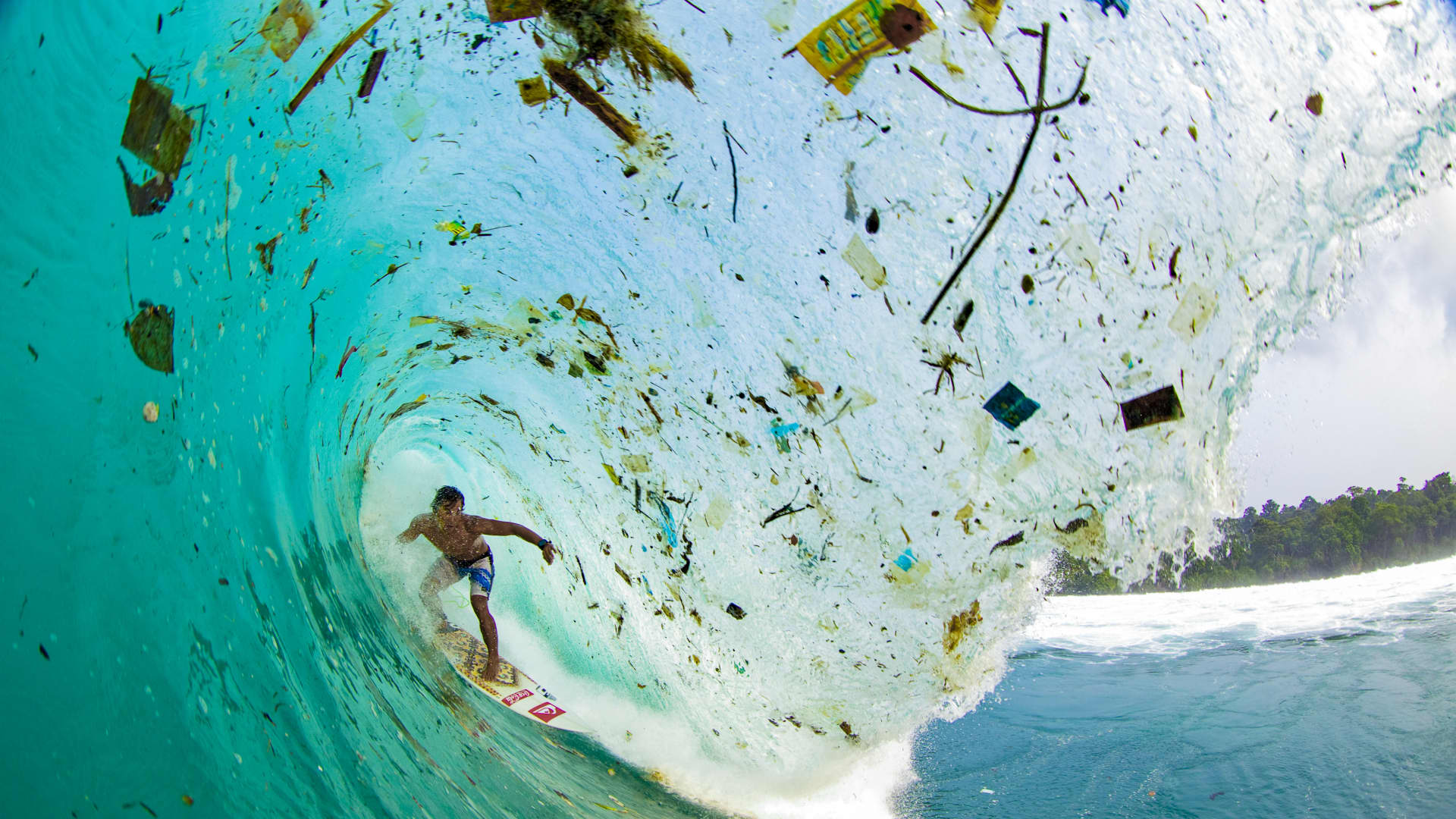
Only 4.7% of plastic produced by U.S. households in 2021 was recycled, according to a Greenpeace USA report. Plastics labeled with a number 1 (PET) are about 20.9% likely to be reprocessed, while those labeled with a number 2 (HDPE) are half as likely at 10.3%. Plastics numbered 3 through 7 have a reprocessing rate of less than 5%. It is important to know the difference between the types of plastics, since municipalities handle each type of plastic differently.