The Trump administration is implementing new measures to significantly delay or block wind and solar energy projects by requiring extensive review and approval processes, citing the need to align with executive orders and energy policies, which critics argue will hinder renewable energy development.
Researchers have found that the carbon emissions generated during the first two months of the Gaza war exceeded the annual carbon footprint of over 20 climate-vulnerable nations, with U.S. cargo planes flying military supplies to Israel accounting for nearly half of the emissions. The destruction of renewable energy projects in Gaza has further exacerbated the climate crisis, impacting water and food security, as well as the health sector. The targeting of water and food supplies has been cited as evidence of genocidal intent, and the long-term climate impacts of war need to be considered alongside the immediate environmental destruction.
Activists and environmental groups, including the Sierra Club, have filed a lawsuit against the Puerto Rican government over the proposed location of renewable energy projects aimed at addressing the territory's power issues. The lawsuit argues that the projects would be constructed on ecologically sensitive and agriculturally valuable lands, violating local laws. The groups are requesting a court order to prohibit the approval of projects on such lands and instead propose building them on rooftops, parking lots, and previously contaminated areas. Puerto Rico's Energy Bureau has already approved 18 projects on lands classified as special agricultural reserve and specially protected rustic land. The lawsuit also accuses the Energy Bureau of withholding project details and names, claiming confidentiality.
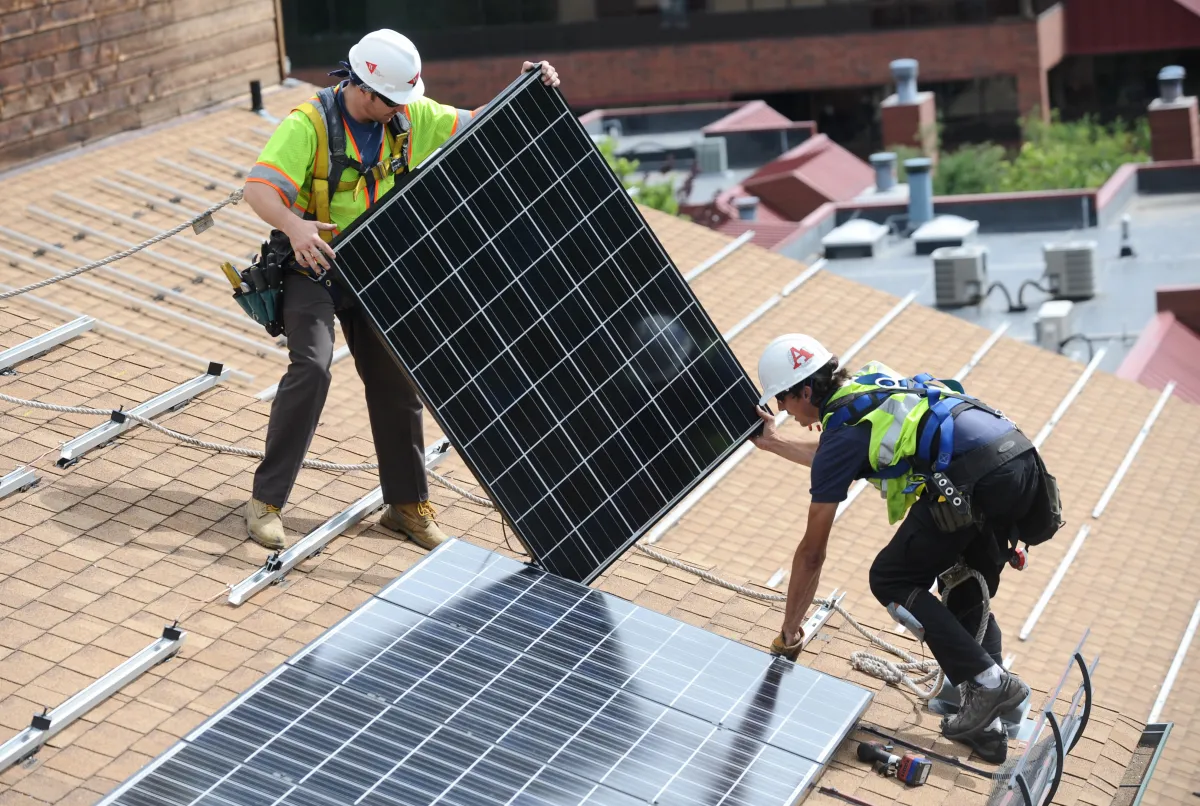
The US Treasury Department has issued new guidance that will enable the development of a range of renewable energy projects that previously had been too onerous from a tax perspective to tackle. The changes could pave the way for hundreds of billions of dollars worth of investment in the coming decade. The guidance around direct payments would allow tax-exempt organizations to put rooftop solar panels on schools, churches and temples. The bigger news is the guidance around transferability of tax credits, which could eliminate the need for complex and expensive tax equity deals.