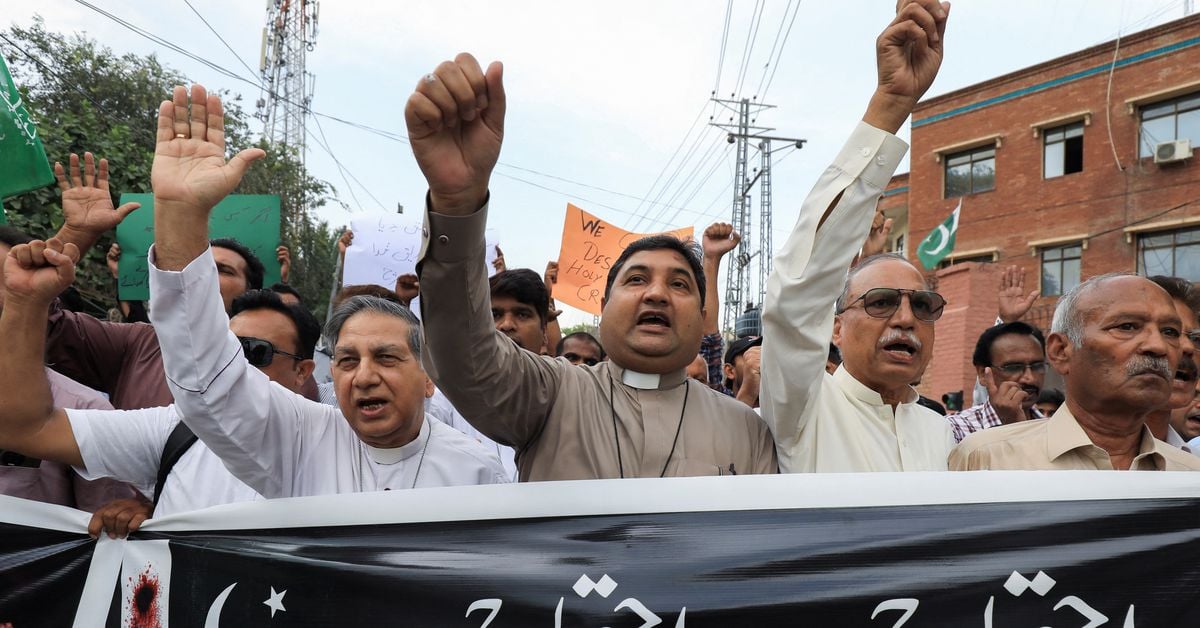
Nigerians across religious lines oppose US President Trump's threats of military intervention over violence against Christians, emphasizing Nigeria's religious tolerance and complex conflicts involving land disputes, jihadist violence, and separatist movements, with local leaders rejecting the framing of Christian persecution and urging adherence to international law.
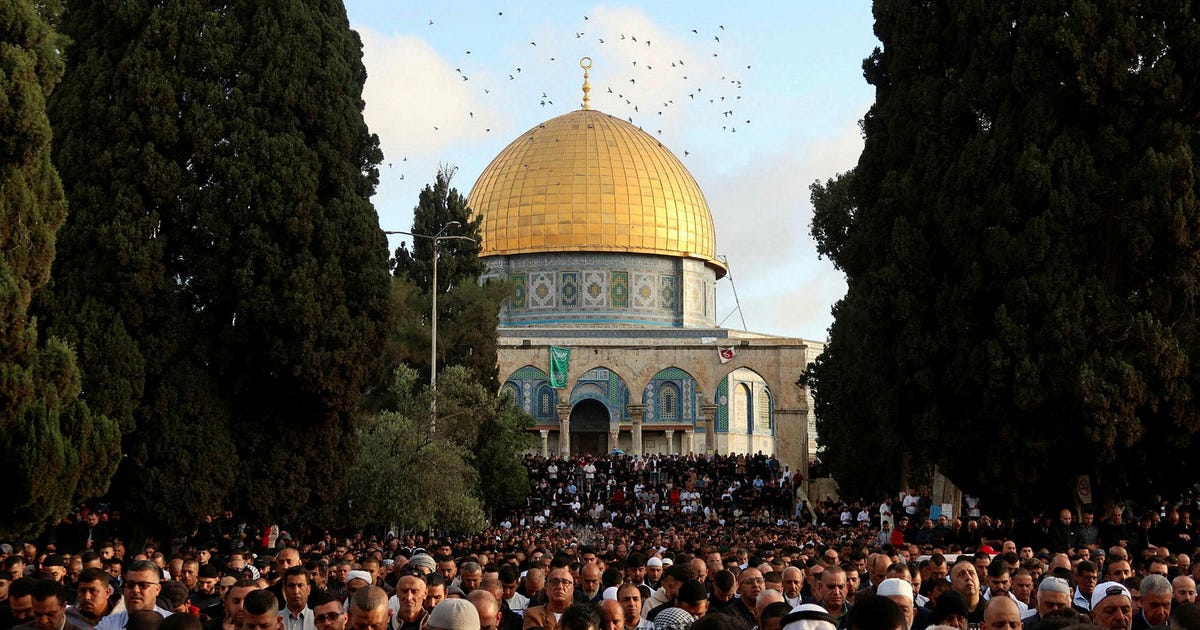
Despite attempts by Israeli politician Ben-Gvir to impose limits on Arab-Israeli worshippers at Al-Aqsa and warnings of potential violence, the Arab public in Israel showed restraint and condemned Hamas' actions. While the West Bank has seen escalation, it has not joined the war started by Hamas. The situation highlights the potential for religious conflict and the need for careful navigation of tensions during Ramadan prayers.
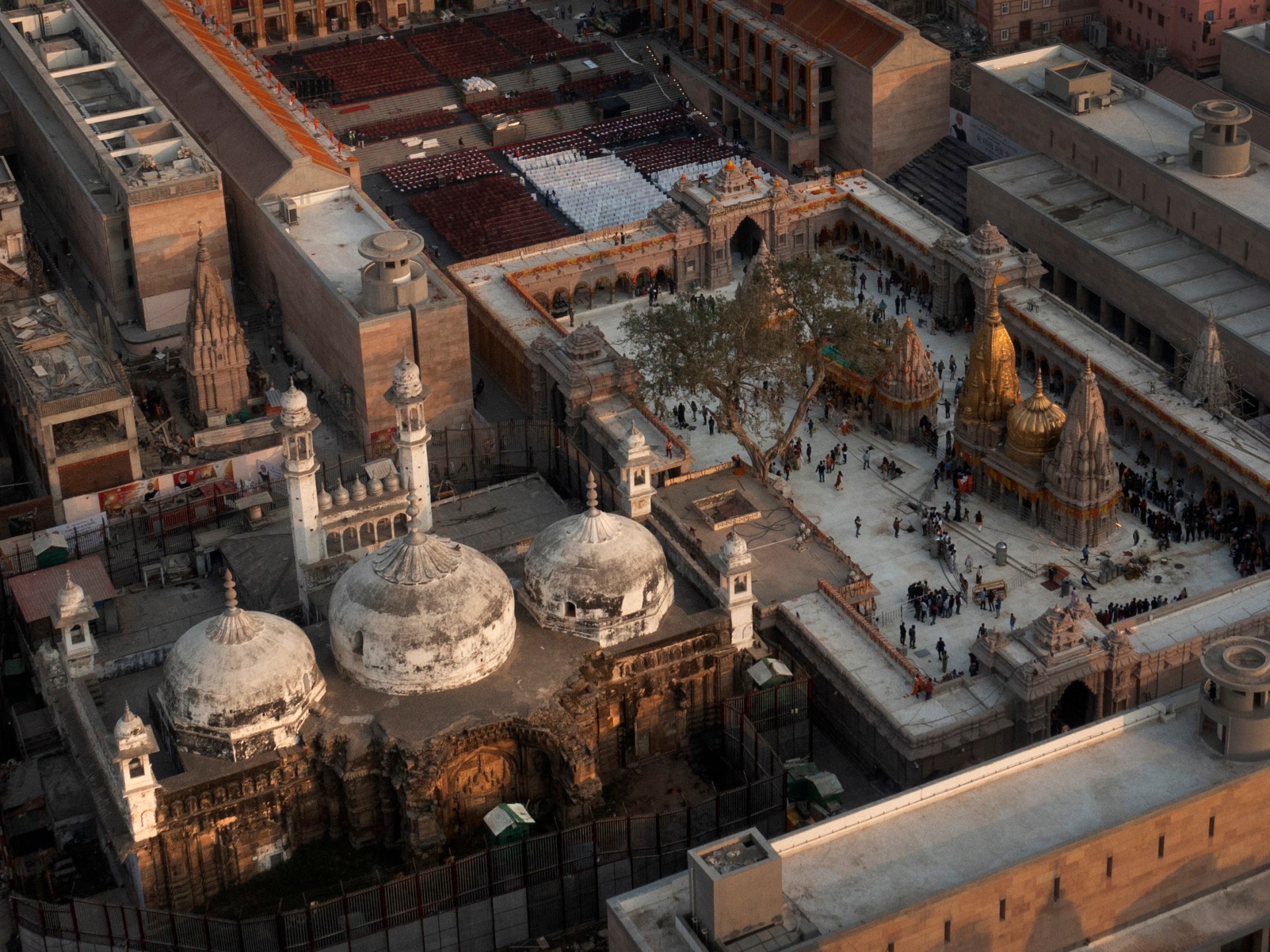
Hindu worshippers have started praying inside the Gyanvapi Mosque in Varanasi following a court order, sparking tensions in India's ongoing Hindu-Muslim conflict. Meanwhile, a 600-year-old mosque in New Delhi was demolished without prior notice, leading to outrage and accusations of desecration. These incidents reflect the growing influence of right-wing Hindu groups and the BJP-led government's efforts to assert Hindu supremacy, raising concerns about discrimination against the country's Muslim minority.
A riot broke out at a Brooklyn synagogue after the NYPD attempted to seal secret tunnels discovered at the Chabad-Lubavitch headquarters. Ultra-Orthodox believers opposed the police, leading to the arrest of 10 rioters and the temporary closure of the synagogue. The tunnels were reportedly built without authorization and are linked to a long-standing ownership dispute between the Chabad Lubavitch movement and a group of Messianic Chasidim. The incident has sparked social media attention, with footage showing the tunnels and the aftermath of the riot.
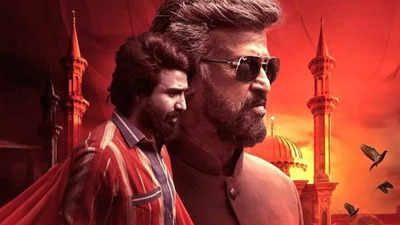
Superstar Rajnikanth makes a cameo appearance in his daughter Aishwarya Rajnikanth's upcoming film "Lal Salaam," which explores a religious conflict that arises from rival cricket teams in a village. The teaser showcases impressive casting, production design, and camera work, with AR Rahman's stunning background score. The film, produced by Lyca Productions, is scheduled to release on Sankranthi 2024 eve.
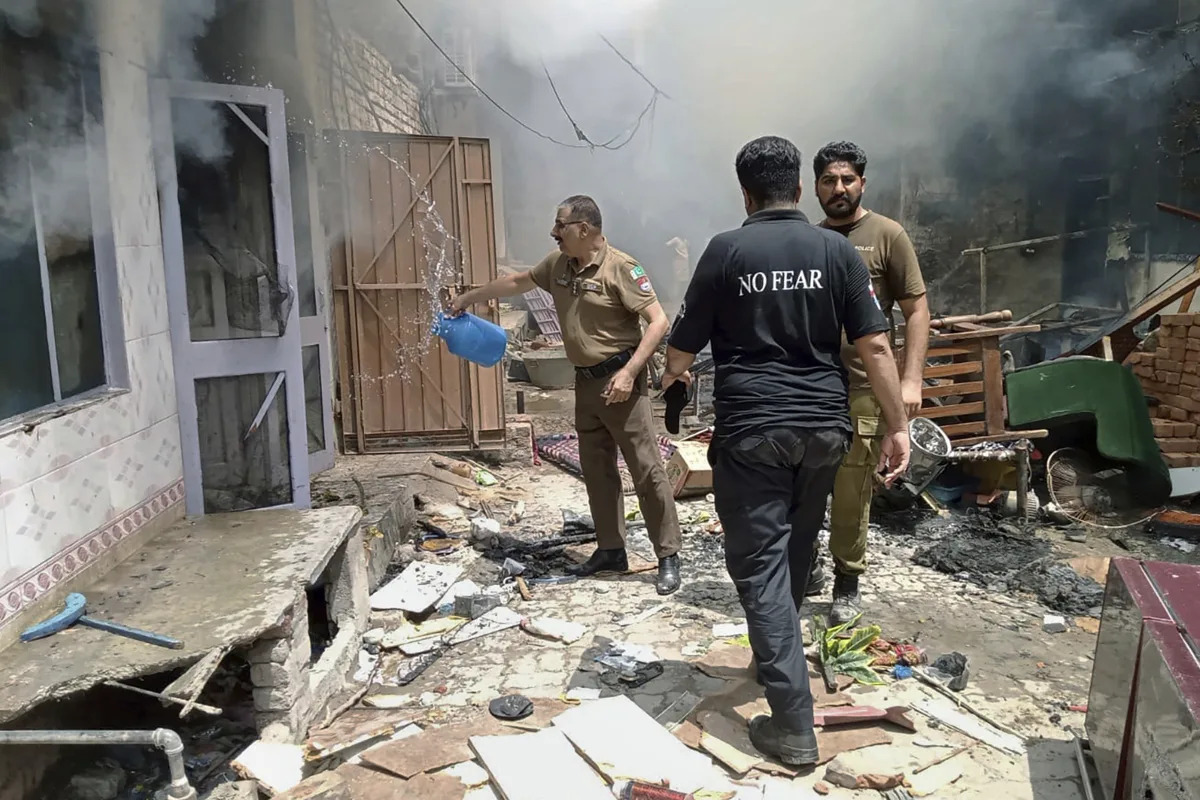
Two Christian brothers have been arrested in Pakistan on charges of blasphemy after a Muslim mob burned churches and houses, accusing the brothers of desecrating the Quran. Pages of the Quran with derogatory comments were found in the street, with the suspects' identities attached. Blasphemy is punishable by death in Pakistan, and accusations are sometimes used to settle scores. The violence lasted for 10 hours, with thousands of Muslims carrying weapons. The police have arrested 128 people involved in the mob attack, and caretaker Prime Minister Anwar ul Haq Kakar has promised to protect minorities.
A Muslim mob attacked a Christian locality in Pakistan's Punjab province, burning one church, damaging two others, and demolishing a man's house after accusing him of desecrating the Quran. The accusations sparked anger among Muslims, leading to the attack on multiple churches. Police are registering cases against those who desecrated the Quran and are working to restore order with the help of local elders and clerics. Pakistan's blasphemy laws, which carry the death penalty for insulting Islam, have often led to violence and riots even without a conviction.
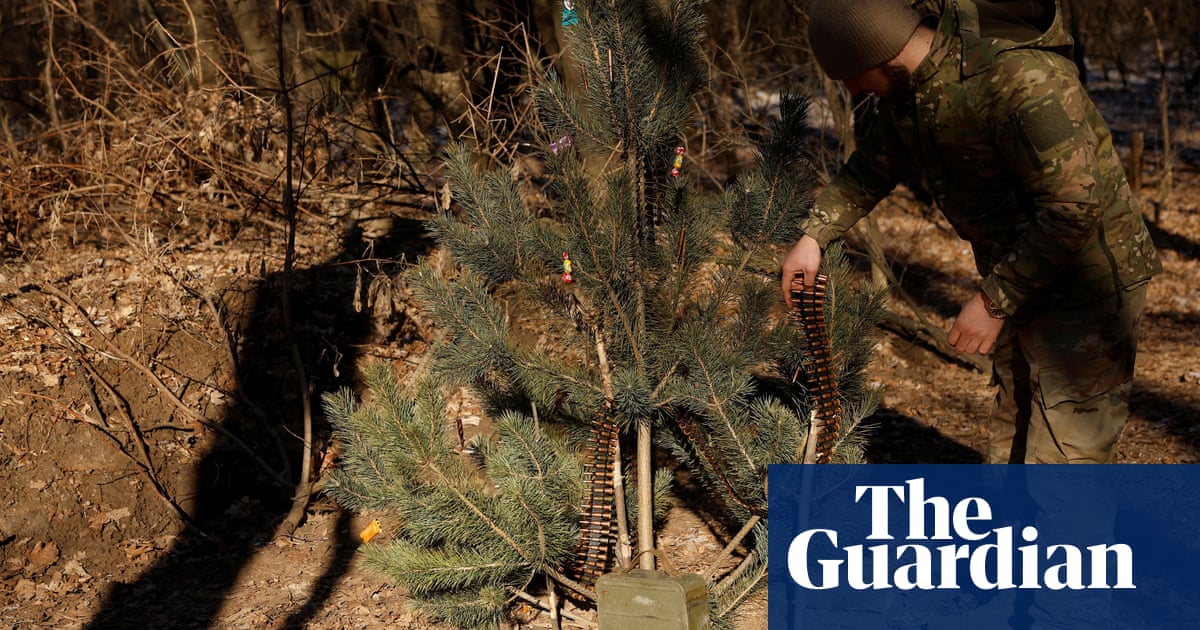
Ukraine has officially moved its Christmas holiday to 25 December, breaking with the Russian Orthodox church's tradition of celebrating it on 7 January. The move highlights the deepening rift between the churches in Kyiv and Moscow since Russia's invasion of Ukraine. The new law aims to abandon the Russian heritage of imposing Christmas celebrations on 7 January and is part of a broader process of dismantling symbols associated with Russia, the Soviet Union, and communism.
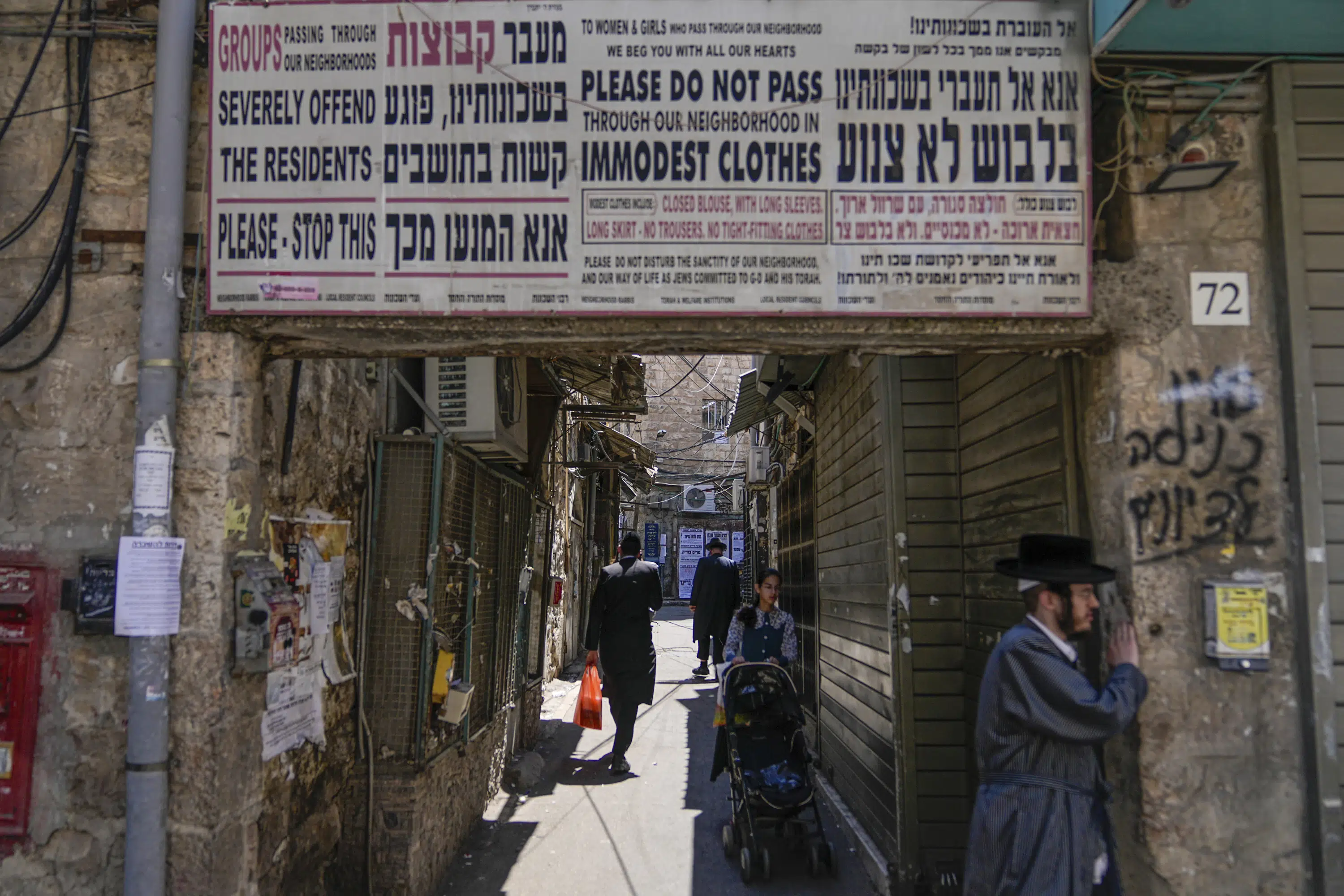
The divide between secular and religious Jews in Israel has intensified under Prime Minister Benjamin Netanyahu's government, with ultra-Orthodox parties wielding unprecedented power and aggravating concerns among secular Israelis that the character and future of their country is under threat. The ultra-Orthodox community, known as haredim, makes up 13% of the country's population and is growing faster than any other group. They mostly live in separate towns and city neighborhoods, and unlike most secular Jews, most are not conscripted in the military. The community has gained massive budgets that critics say will entrench its isolated way of life and weaken Israel's economic prospects as the ultra-Orthodox population balloons.
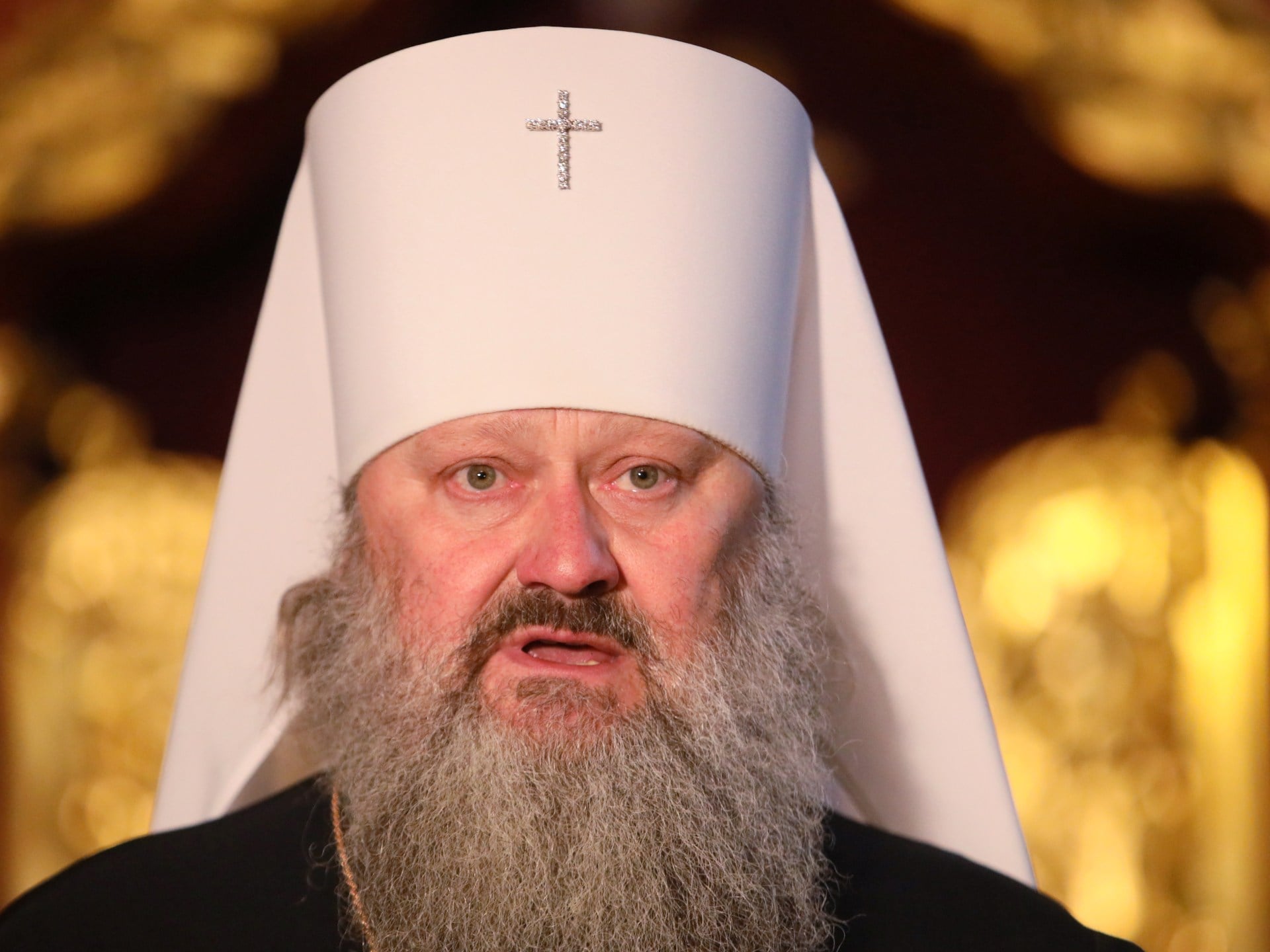
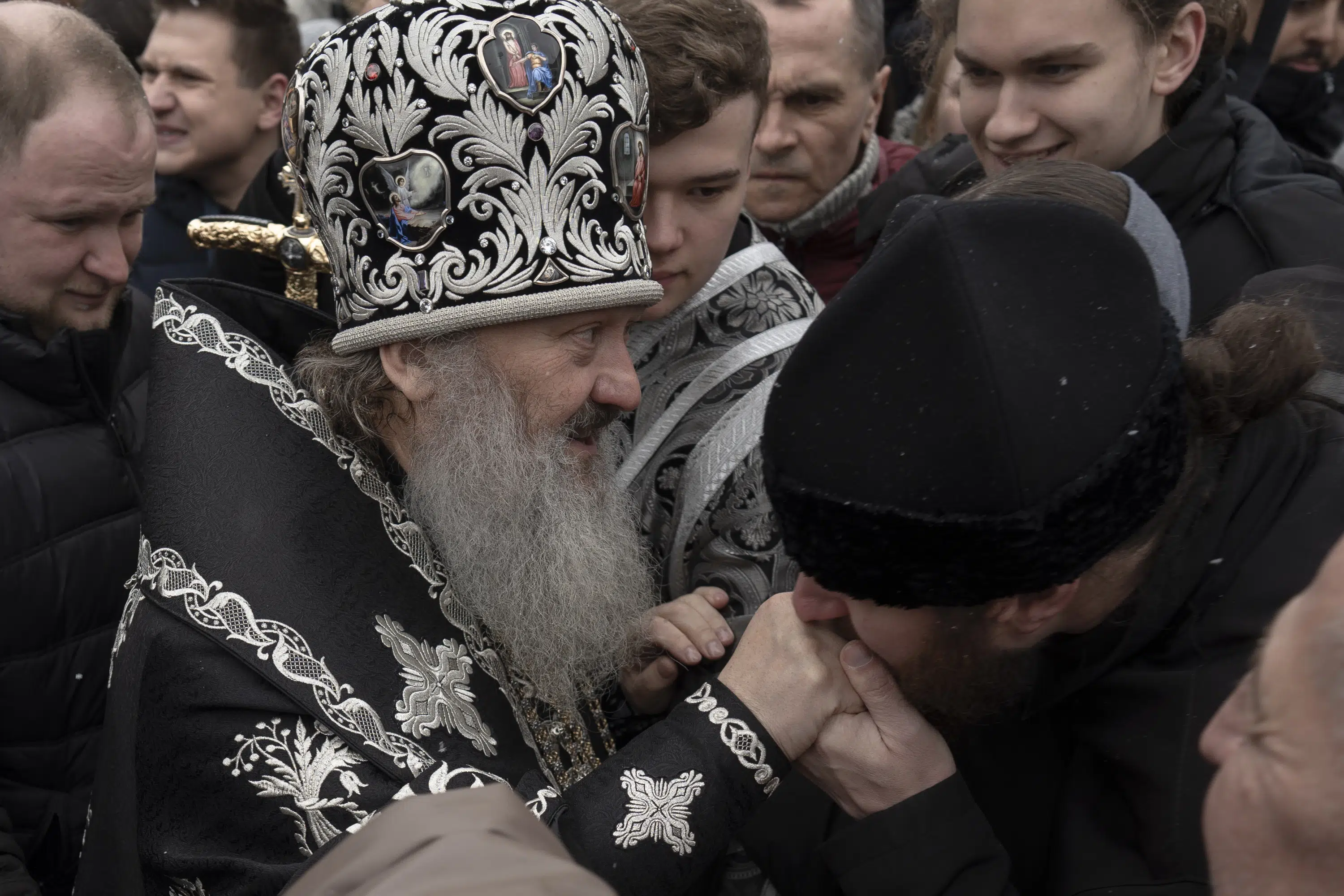
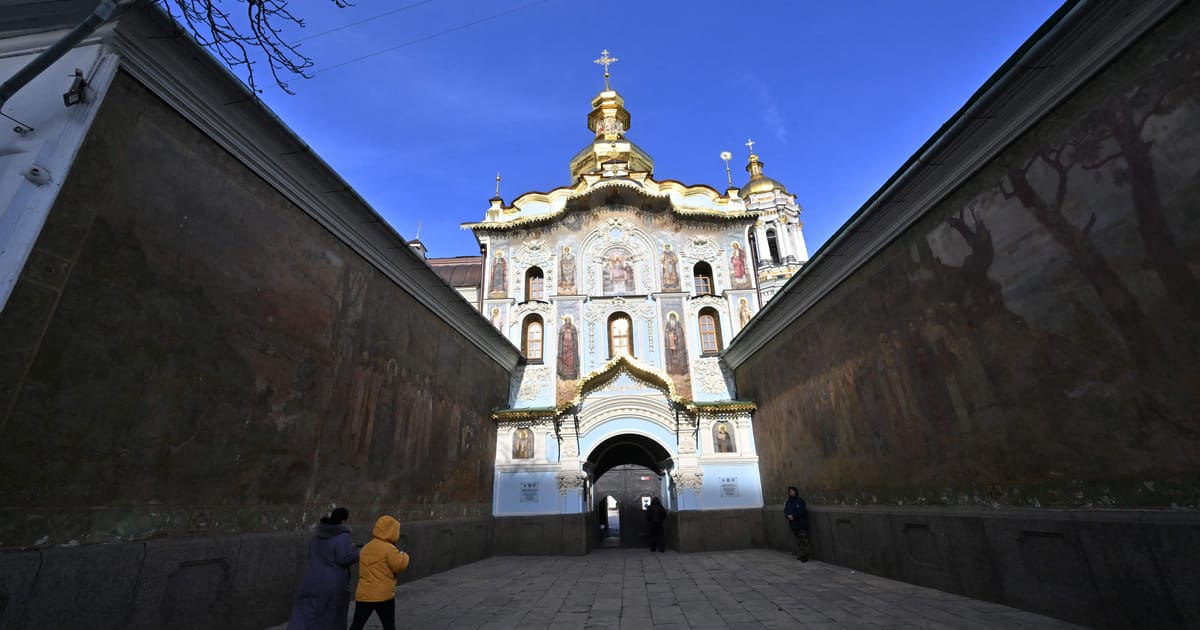
A court in Kyiv has placed Metropolitan Pavlo, the abbot of the Kyiv-Pechersk Lavra monastery, under house arrest for 60 days on charges of inciting inter-religious enmity and justifying Russian aggression. The Ukrainian government has been cracking down on the Ukrainian Orthodox Church over its historic ties to the Russian Orthodox Church. The dispute surrounding the Kyiv-Pechersk Lavra monastery is part of a wider religious conflict that has unfolded in parallel with the war. The Ukrainian Orthodox Church has insisted that it's loyal to Ukraine and has denounced the Russian invasion from the start.
The Ukrainian Security Service has accused Metropolitan Pavel, the abbot of the Kyiv-Pechersk Lavra monastery, of condoning Russia's invasion. Pavel rejected the claim and described it as politically driven. The dispute is part of a wider religious conflict between the Ukrainian Orthodox Church (UOC) and the Ukrainian government, which has cracked down on the UOC due to its historic ties to the Russian Orthodox Church. The UOC has insisted that it is loyal to Ukraine and has denounced the Russian invasion from the start. Meanwhile, Russian forces have been pressing their effort to capture the city of Bakhmut, but the Russian offensive has fizzled, according to the UK Ministry of Defence.
Ukraine's top security agency has accused Metropolitan Pavel, the abbot of the Kyiv-Pechersk Lavra monastery, of justifying Russia's aggression, a criminal offense. Pavel has strongly resisted the authorities' order to vacate the complex, and prosecutors have asked the court to put him under house arrest pending the investigation. The dispute surrounding the property is part of a wider religious conflict that has unfolded in parallel with the war. The Ukrainian government has cracked down on the Ukrainian Orthodox Church over its historic ties to the Russian Orthodox Church, whose leader, Patriarch Kirill, has supported Russian President Vladimir Putin in the invasion of Ukraine.
Monks of the Ukrainian Orthodox Church, accused of links to Russia, have refused to vacate the Kyiv-Pechersk Lavra monastery, Ukraine's most revered Orthodox site, after the government terminated their lease. The Ukrainian government claims that the monks violated their lease by making alterations to the historic site and other technical infractions. The monks of the Ukrainian Orthodox Church dispute this, calling the claims a pretext. The dispute is part of a wider religious conflict playing out in parallel with the war.
Ukraine has expelled pro-Russian clergy from the Kyiv Pechersk Lavra, an 11th-century Orthodox cave monastery complex, amid heightened political concerns that some of them were too close to Moscow and were Russian fifth columnists. The expulsions technically come as part of the termination of a 10-year-old agreement on the free use of religious buildings and other state-owned property that the monastery signed in 2013. The matter is highly political because of anger in Ukraine that some clergy from the Ukrainian Orthodox Church collaborated with Russian invaders.
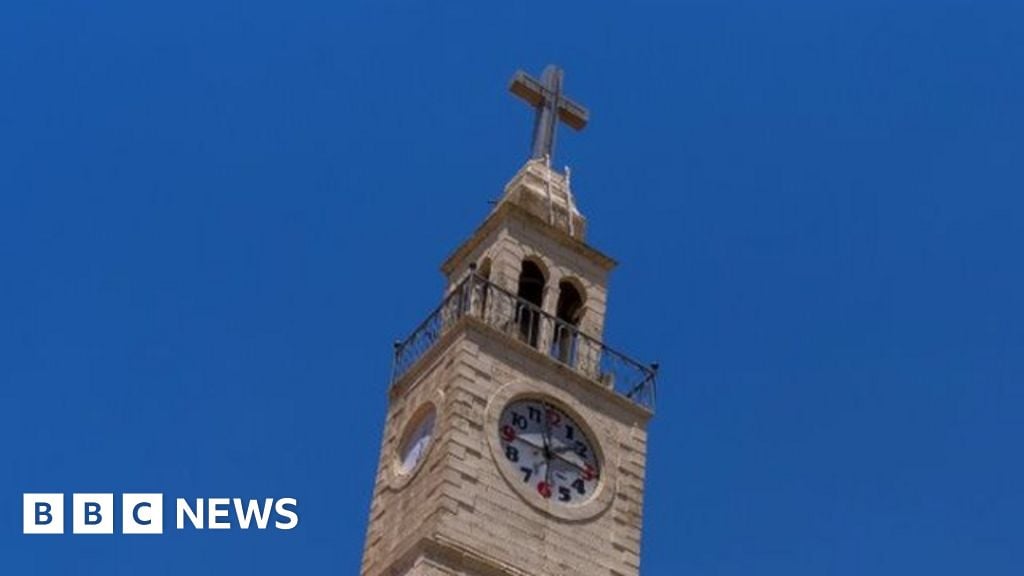
Lebanon is experiencing confusion as people woke up in two different time zones due to a dispute between political and religious authorities over when clocks should go forward. Caretaker Prime Minister Najib Mikati announced that daylight saving would begin at the end of Ramadan next month, allowing Muslims to break their daily fast earlier. However, Christian authorities said they would change the clocks on the last Sunday in March, as happens most years. The dispute illustrates deep divisions in a country where Christian and Muslim factions waged a civil war in the late 1970s and 1980s, and where political positions are shared between religious groups.