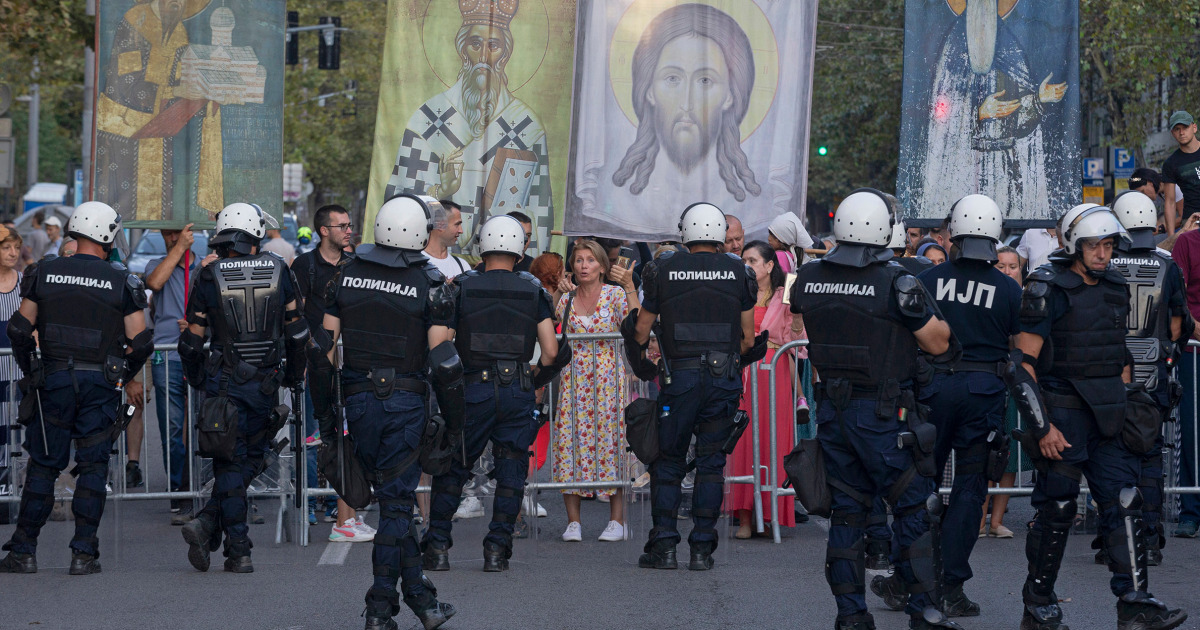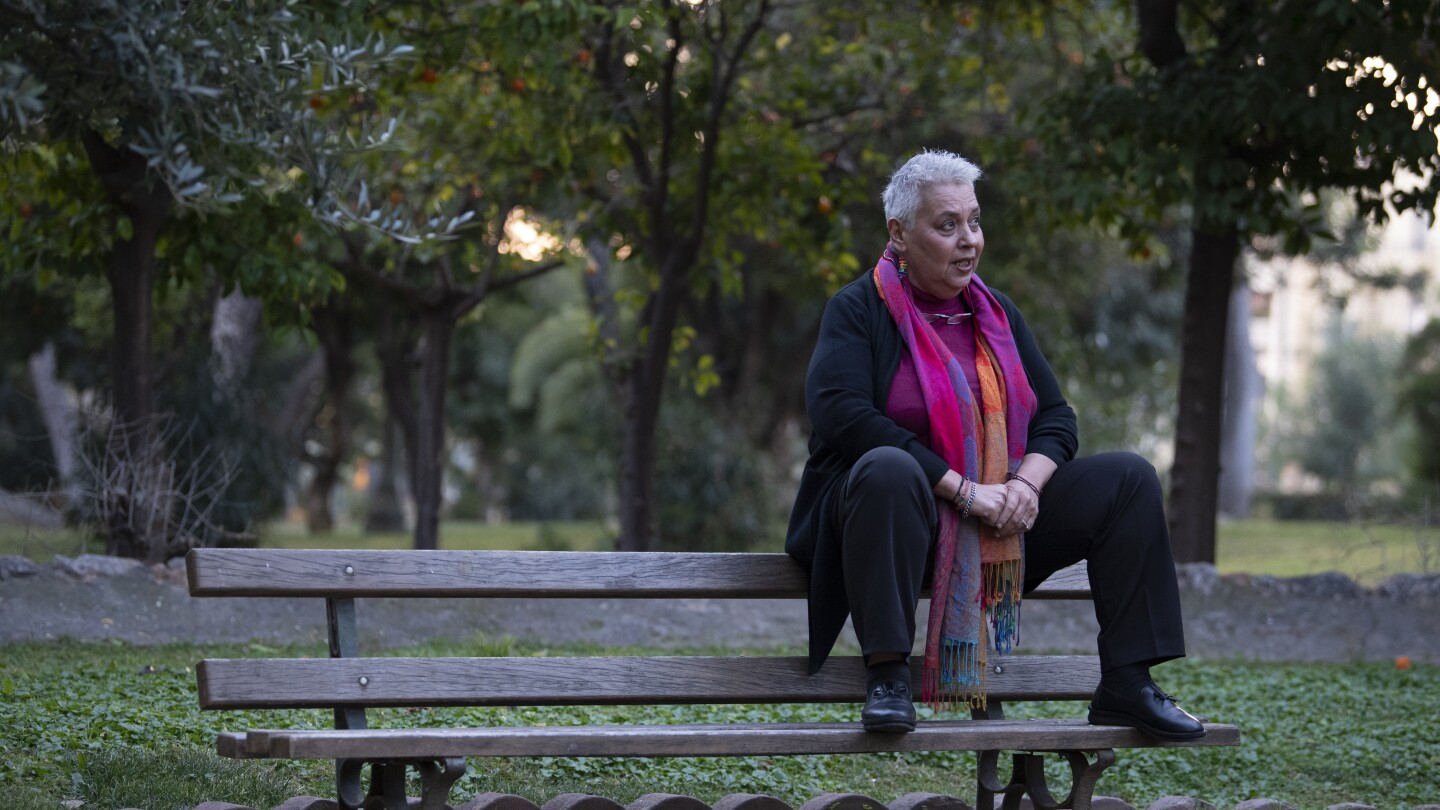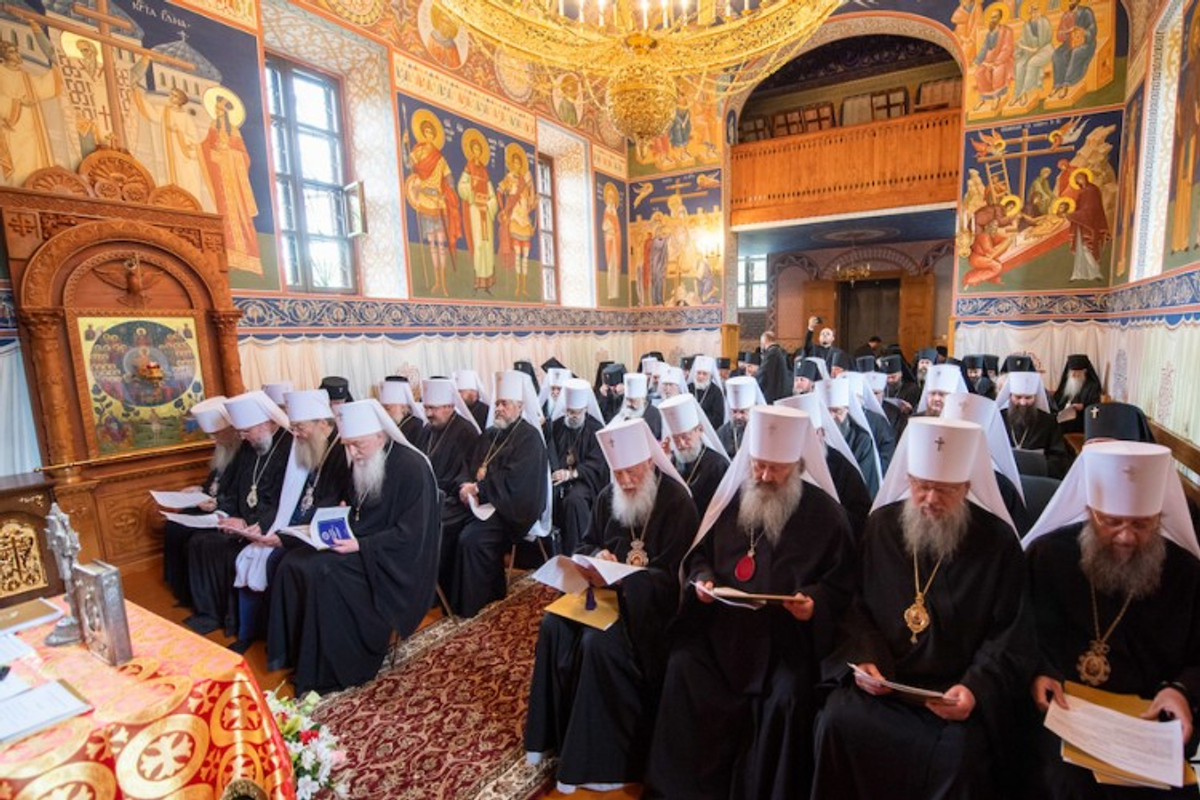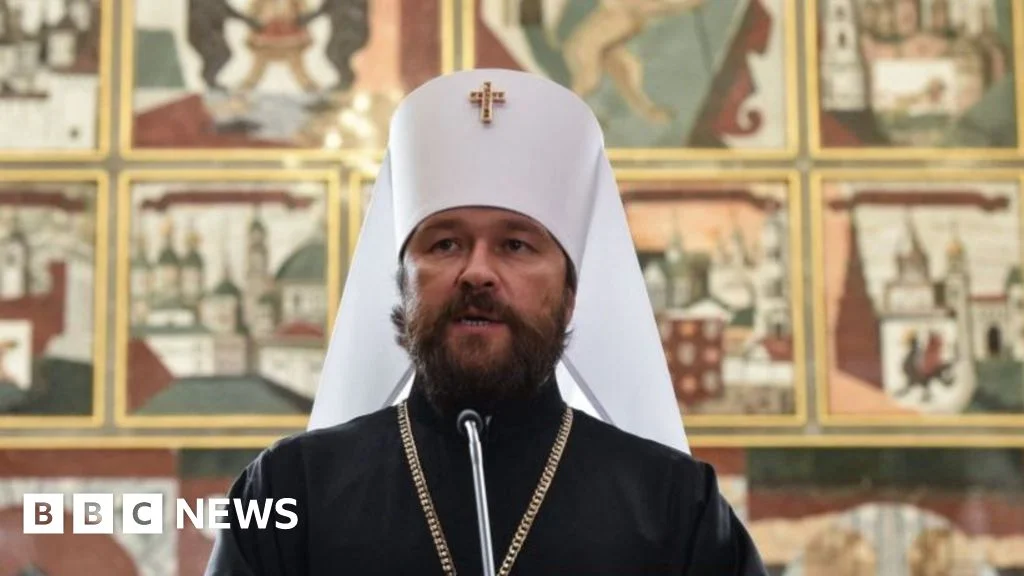
Exiled Russian Orthodox Church figure Metropolitan Hilarion denies spying and sexual misconduct allegations amid political tensions and accusations from a former aide, with implications linked to Russia's Ukraine war and potential sanctions from the Czech government.
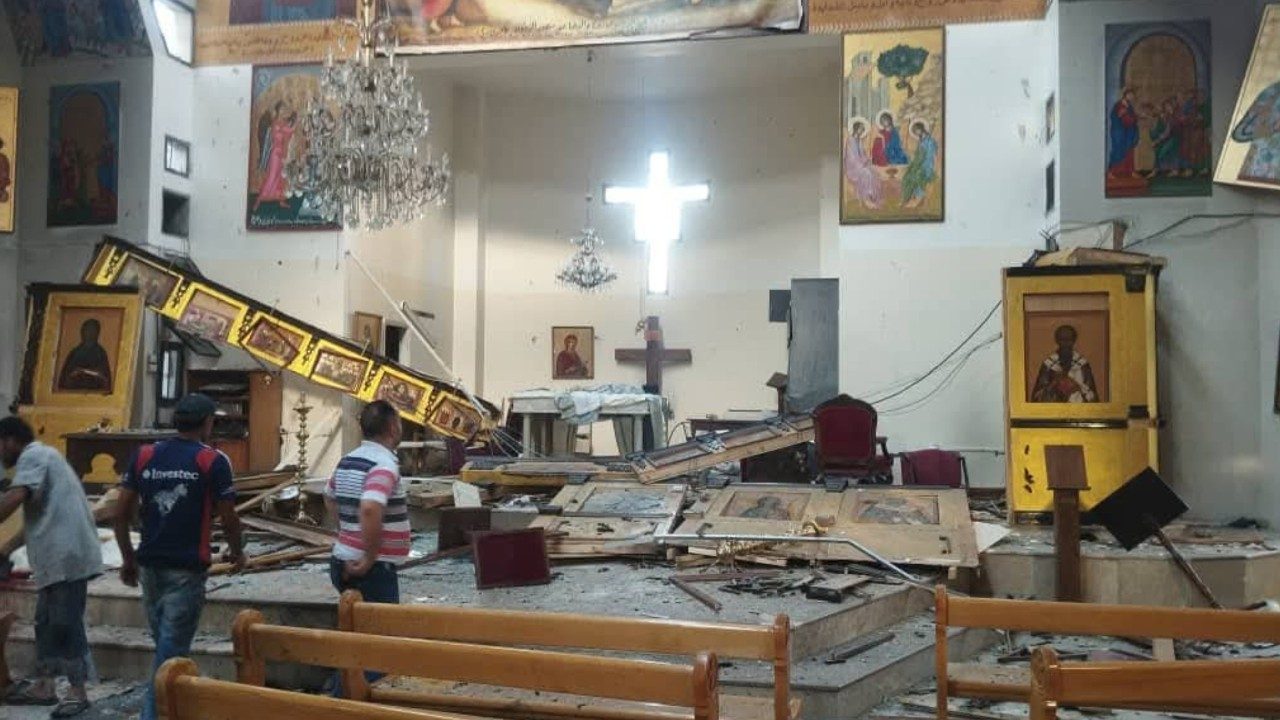
A suicide bombing at St. Elijah Greek Orthodox Church in Damascus killed at least 20 people and injured 52, with the attacker reportedly linked to ISIS, marking the first such attack in Damascus since January. The incident was condemned internationally, with calls for increased security for religious communities.
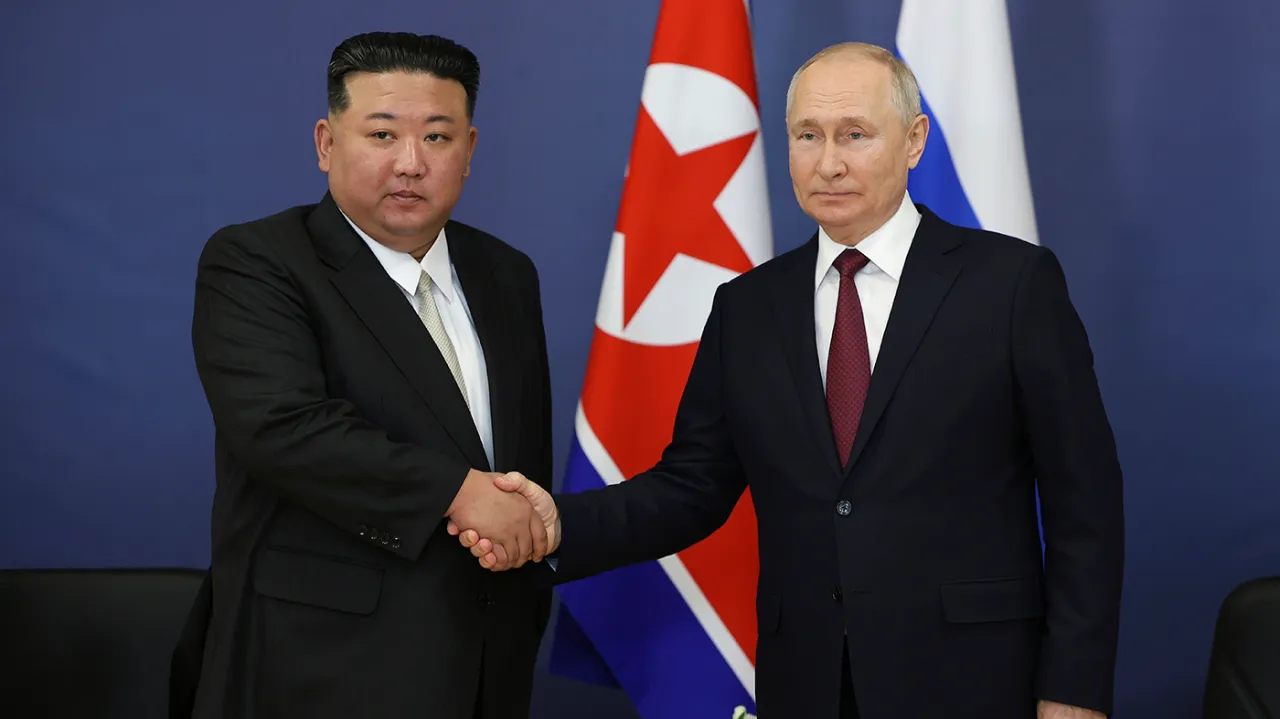
NATO's secretary-general has condemned North Korea's deployment of soldiers to Russia as a significant escalation in Russia's war against Ukraine, highlighting the contradiction in Russia's religious justification for the conflict. The involvement of North Korean troops, from a regime known for its anti-religious stance, undermines Russia's claim of defending Orthodox Christianity. This development calls for Ukraine's allies to impose sanctions on the Russian Orthodox Church's hierarchy, which has supported the invasion under the guise of a 'holy war.'
The Orthodox Church of Greece has imposed a religious ban on two local lawmakers who supported the legalization of same-sex civil marriage, accusing them of committing a spiritual and moral error. This move comes as part of the Church's backlash against the landmark law, which was approved with cross-party support, making Greece the first Orthodox Christian country to legalize same-sex marriage. The Church's opposition to the reform has led to tensions with politicians and criticism from left-wing parties, while Prime Minister Mitsotakis has championed the law, which also grants full parental rights to married same-sex partners but excludes them from parenthood through surrogate mothers in Greece.
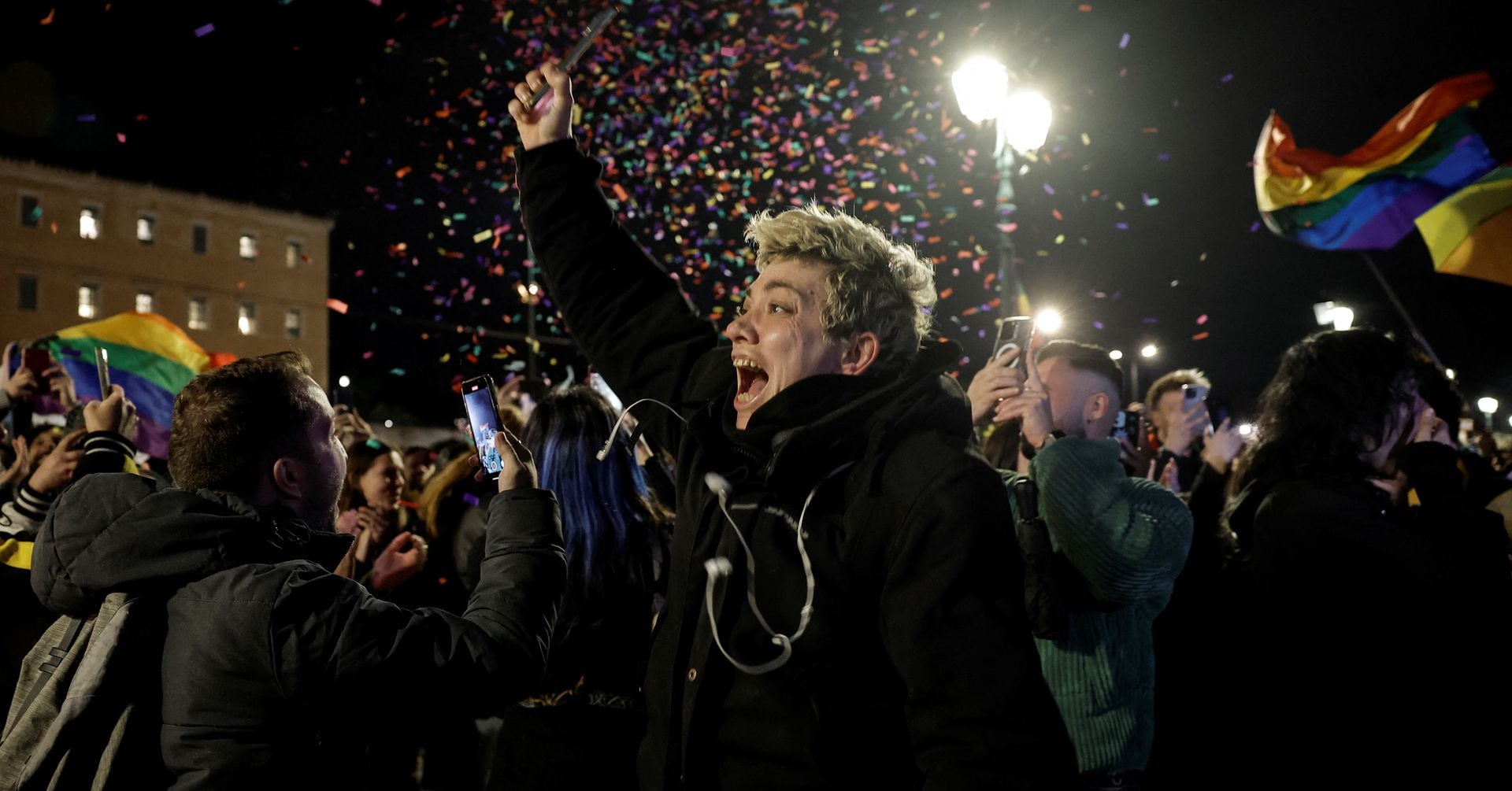
Greece becomes the first Orthodox Christian country to legalize same-sex civil marriage, with the bill also granting adoption rights to same-sex couples. Prime Minister Kyriakos Mitsotakis hailed the move as a milestone for human rights, while acknowledging that it doesn't address all issues. The legislation received cross-party support but faced opposition from far-right parties, the Communist Party, and the Orthodox Church, sparking both celebrations and protests outside parliament.
Greece's parliament approved a bill allowing same-sex civil marriage, granting same-sex couples the right to wed and adopt children in a landmark victory for the LGBTQ+ community. The law, which also allows for adoption, comes after decades of campaigning and is a rare show of cross-party unity. While the Orthodox Church strongly opposes same-sex marriage, many see this as a historic moment for human rights and equality in Greece. However, some feel the bill does not go far enough in addressing all obstacles faced by the LGBTQ+ community.
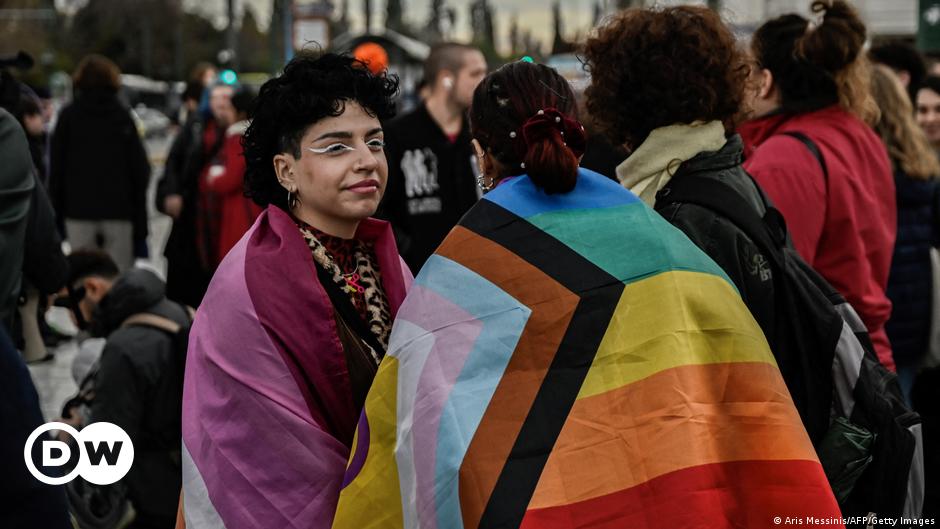
After decades of campaigning, Greek lawmakers are expected to legalize same-sex marriage, making Greece the first Orthodox Christian country to do so. The bill faces opposition from the Orthodox Church and conservative groups, but public opinion has shifted in favor, particularly due to concerns about children's rights. The government's support for the bill is seen as a strategic move, with economic issues likely to overshadow the controversy. LGBTQ+ couples in Greece, like Chrysa Gkotsopoulou and Elena Kotsifi, are hopeful for the future and eager to celebrate the expected approval of the bill.
Greece's Orthodox Church is vehemently opposing the legalization of same-sex marriage, using outdated and false claims about homosexuality being a mental illness and suggesting that baptisms could turn children gay if their parents are LGBTQ+. Despite the bill not forcing priests to marry gay couples and having no impact on the church, the church has been the loudest opponent. The bill is expected to pass, making Greece the first Christian Orthodox country with strong religious roots to allow same-sex marriage. The church's opposition has sparked protests, but the bill is likely to pass with the majority of parliamentary votes, providing legal recognition and rights to same-sex couples and their children.
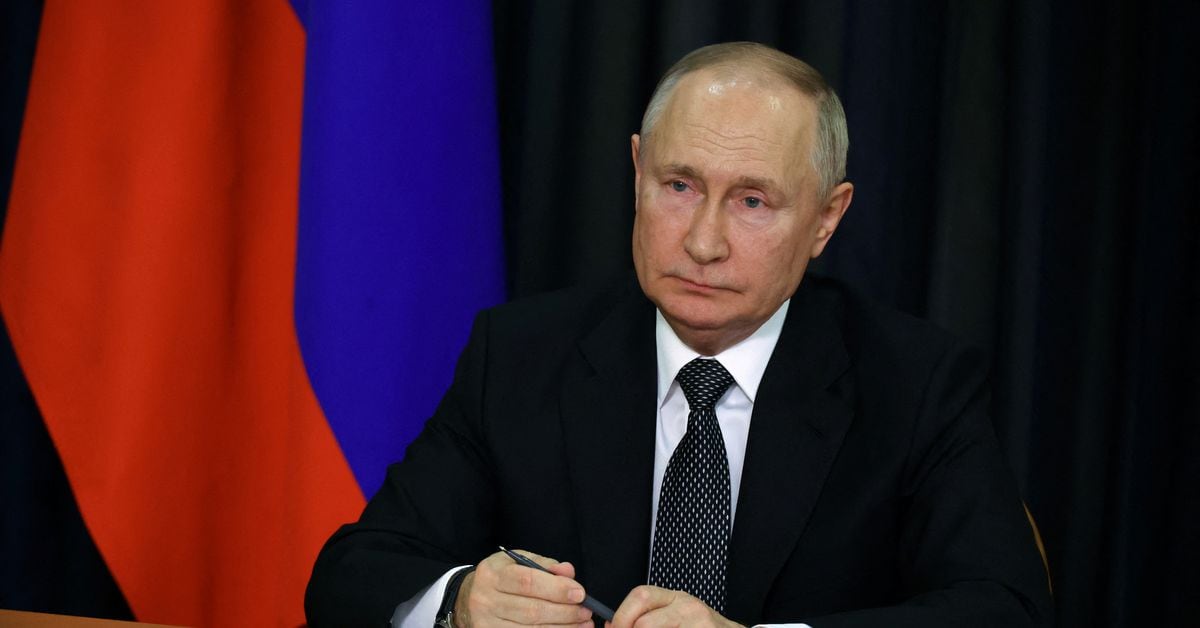
Russian President Vladimir Putin, speaking at the World Russian People's Council, warned the West against meddling in Russia, stating that any foreign interference would be considered an act of aggression. Putin portrayed the conflict with Ukraine as a battle between sacred Russian civilization and a declining West, accusing the United States of wanting to dismember and exploit Russia's resources. He thanked Russian businessmen for evading Western sanctions and emphasized the importance of unity within Russia, cautioning against attempts to sow inter-ethnic and inter-religious discord. The upcoming presidential election campaign is expected to see Putin running for another term.
Russian President Vladimir Putin, speaking at the World Russian People's Council alongside the head of Russia's Orthodox church, warned the West against meddling in Russia, stating that any foreign interference would be considered an act of aggression. Putin portrayed the conflict in Ukraine as a battle between sacred Russian civilization and a declining West, and accused the West of racist Russophobia and wanting to dismember and plunder Russia's resources. He emphasized the importance of unity among the Russian people and praised Russian businessmen for evading Western sanctions. Putin is expected to run for re-election in March 2024.
A Russian singer who publicly criticized the war in Ukraine has returned home, but now faces demands for an apology from the Orthodox Church. The singer, who had been living in Ukraine, expressed his opposition to the conflict and was subsequently banned from performing in Russia. The Orthodox Church has called for an apology, stating that his comments were disrespectful to the Russian people.
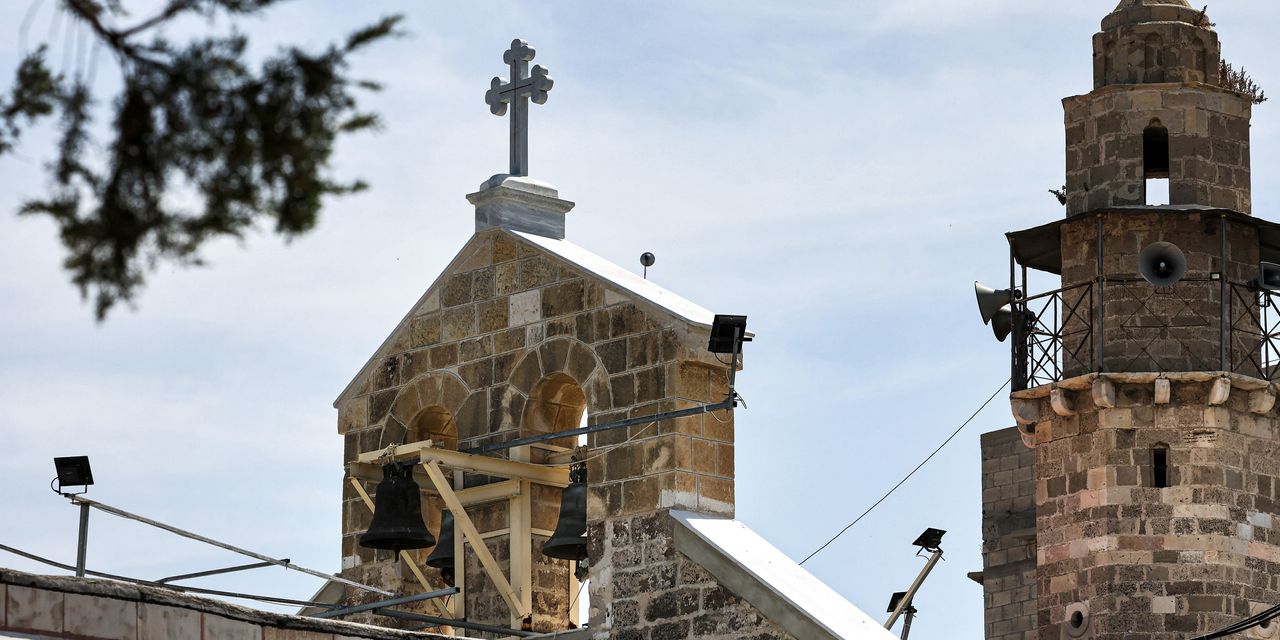
A blast occurred at the St. Porphyrius Greek Orthodox Church campus in Gaza City, where dozens of Palestinian families were seeking shelter. Rescuers are working to pull people out of the rubble, with several reported injuries. The church, one of the oldest in the world, suffered damage. The Israeli military is investigating the incident.
Ukraine's parliament has passed the first reading of a bill that would ban the Ukrainian Orthodox Church of Moscow Patriarchate (UOC MP), which is backed by the Kremlin. The draft law had support from 267 deputies, with the majority from President Zelensky's party. The UOC-MP is seen as a fifth column for Russia's aggression against Ukraine. If the law is passed in its second reading and signed by Zelensky, the UOC-MP would have to stop using the property of the Kyiv-Pechersk Lavra National Reserve within three days.
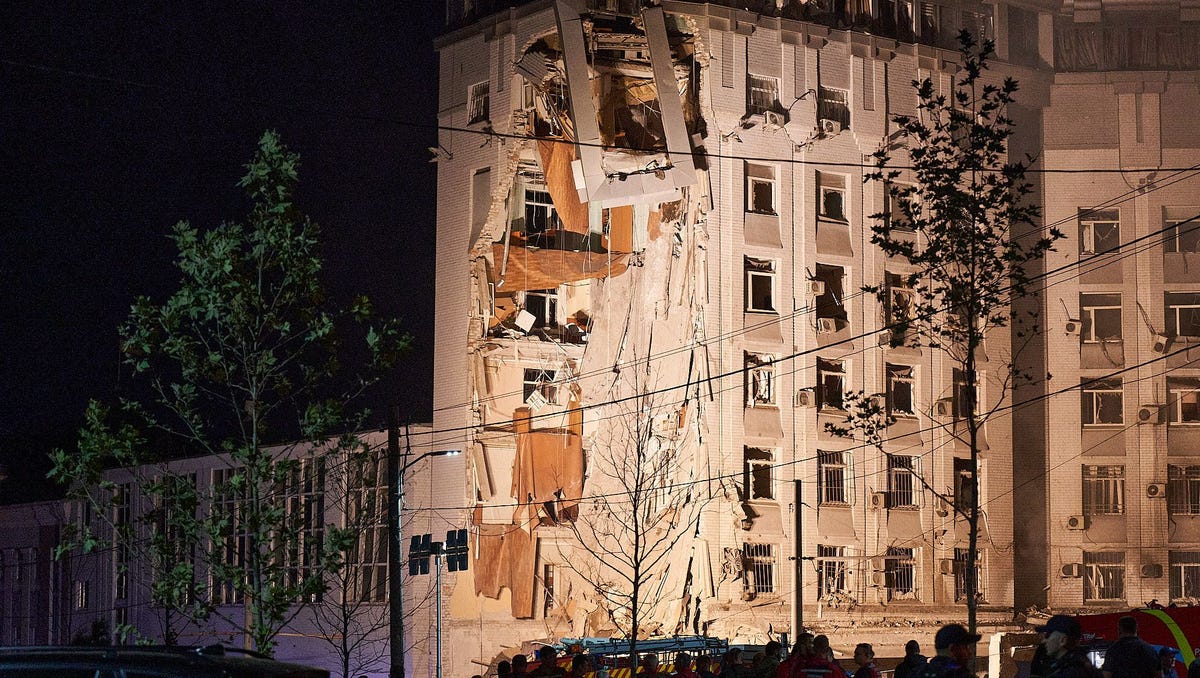
Ukrainian President Volodymyr Zelenskyy signed a law moving the country's official Christmas holiday to December 25, distancing Ukraine from the Russian Orthodox Church. The change serves as a rejection of Russian heritage and further separates Ukraine from Russia. Meanwhile, Russia launched strikes causing civilian casualties and destroyed houses, and over 100 mercenaries from the Russian-linked Wagner group moved close to the border with Poland. Zelenskyy visited troops in the war-torn Donetsk region and commemorated a strike on a prison in Russian-held Olenivka. Additionally, Ukrainians are struggling to access clean water after a dam collapsed, and Russian investigators called two children to testify against their mother for discrediting the Russian army. The Russian Defense Ministry claimed that Ukraine launched a "terror attack" injuring 20 people in Taganrog, while Ukraine blamed Russian air defense systems for the explosion.
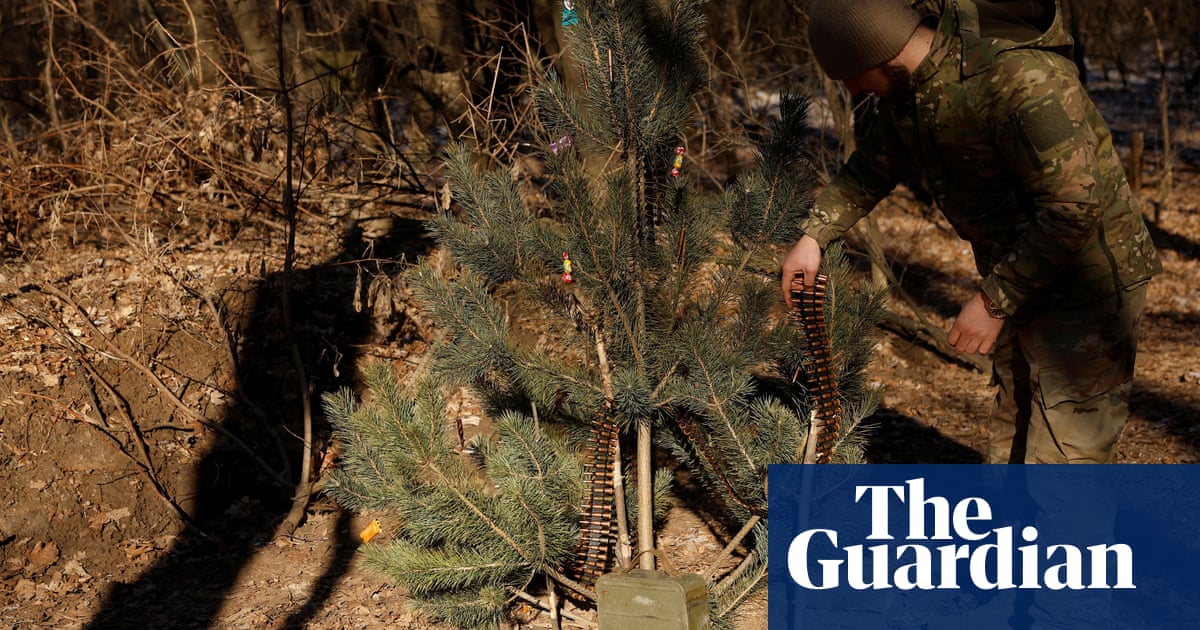
Ukraine has officially moved its Christmas holiday to 25 December, breaking with the Russian Orthodox church's tradition of celebrating it on 7 January. The move highlights the deepening rift between the churches in Kyiv and Moscow since Russia's invasion of Ukraine. The new law aims to abandon the Russian heritage of imposing Christmas celebrations on 7 January and is part of a broader process of dismantling symbols associated with Russia, the Soviet Union, and communism.