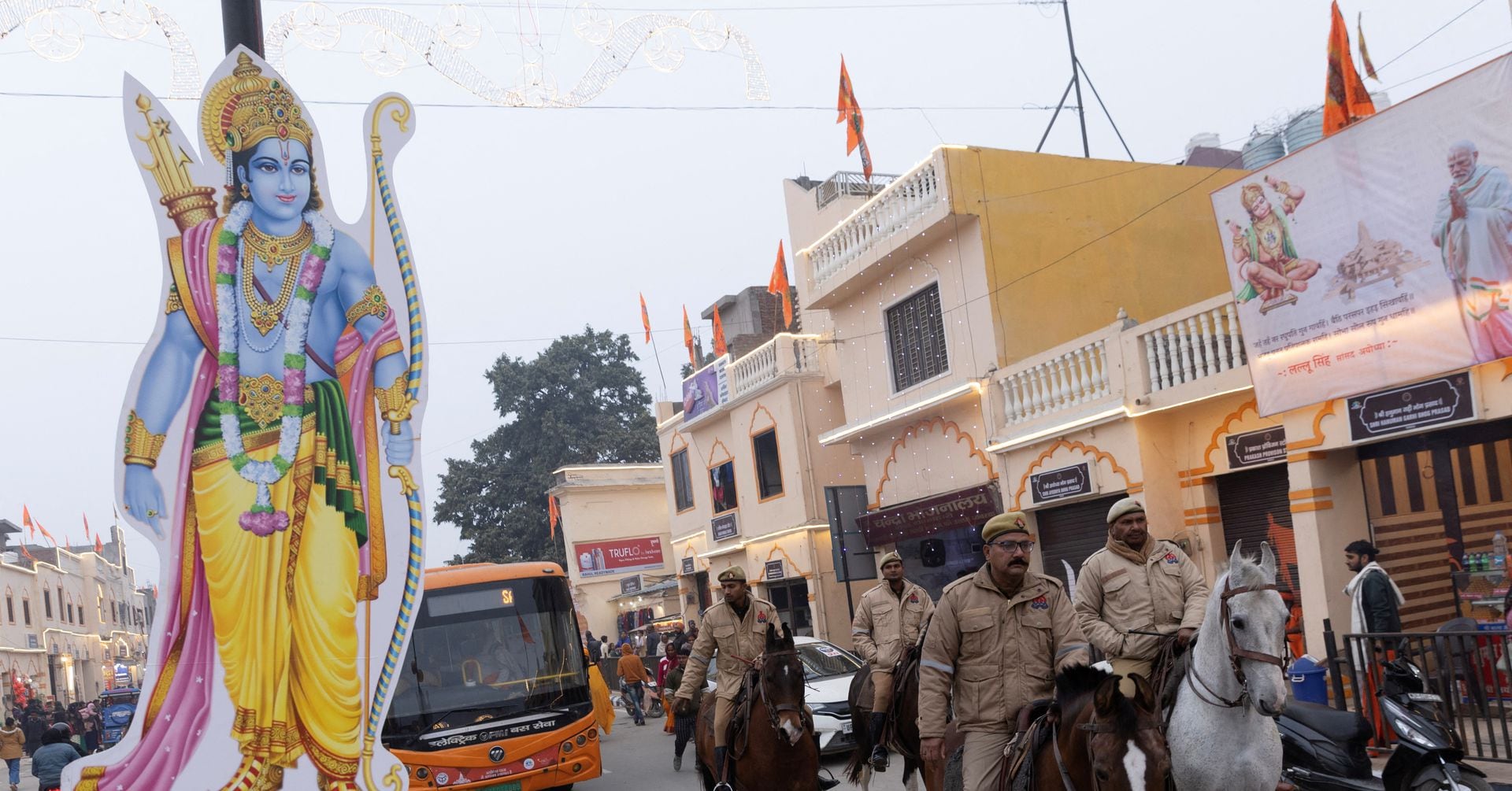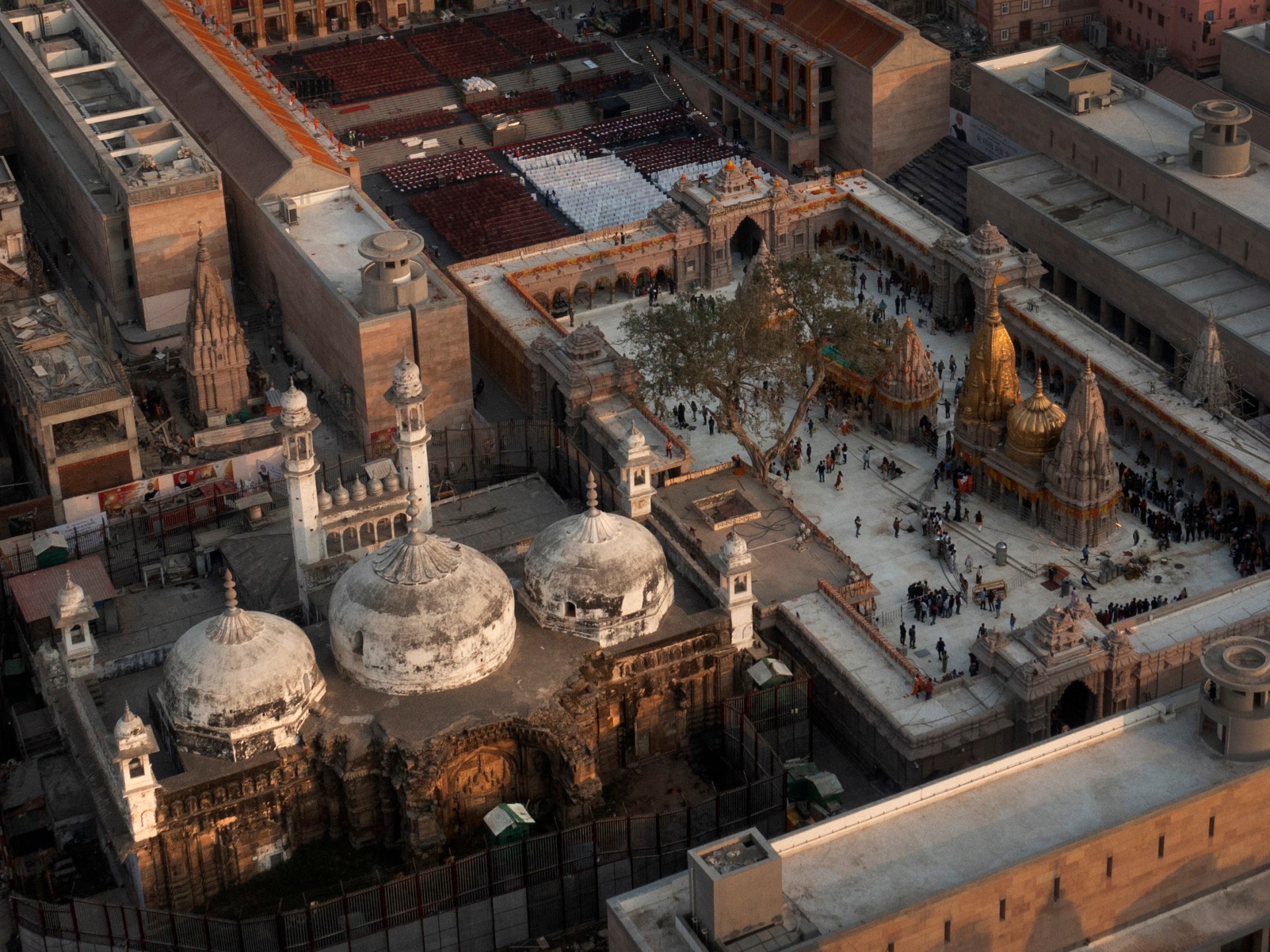
Hindu worshippers have started praying inside the Gyanvapi Mosque in Varanasi following a court order, sparking tensions in India's ongoing Hindu-Muslim conflict. Meanwhile, a 600-year-old mosque in New Delhi was demolished without prior notice, leading to outrage and accusations of desecration. These incidents reflect the growing influence of right-wing Hindu groups and the BJP-led government's efforts to assert Hindu supremacy, raising concerns about discrimination against the country's Muslim minority.
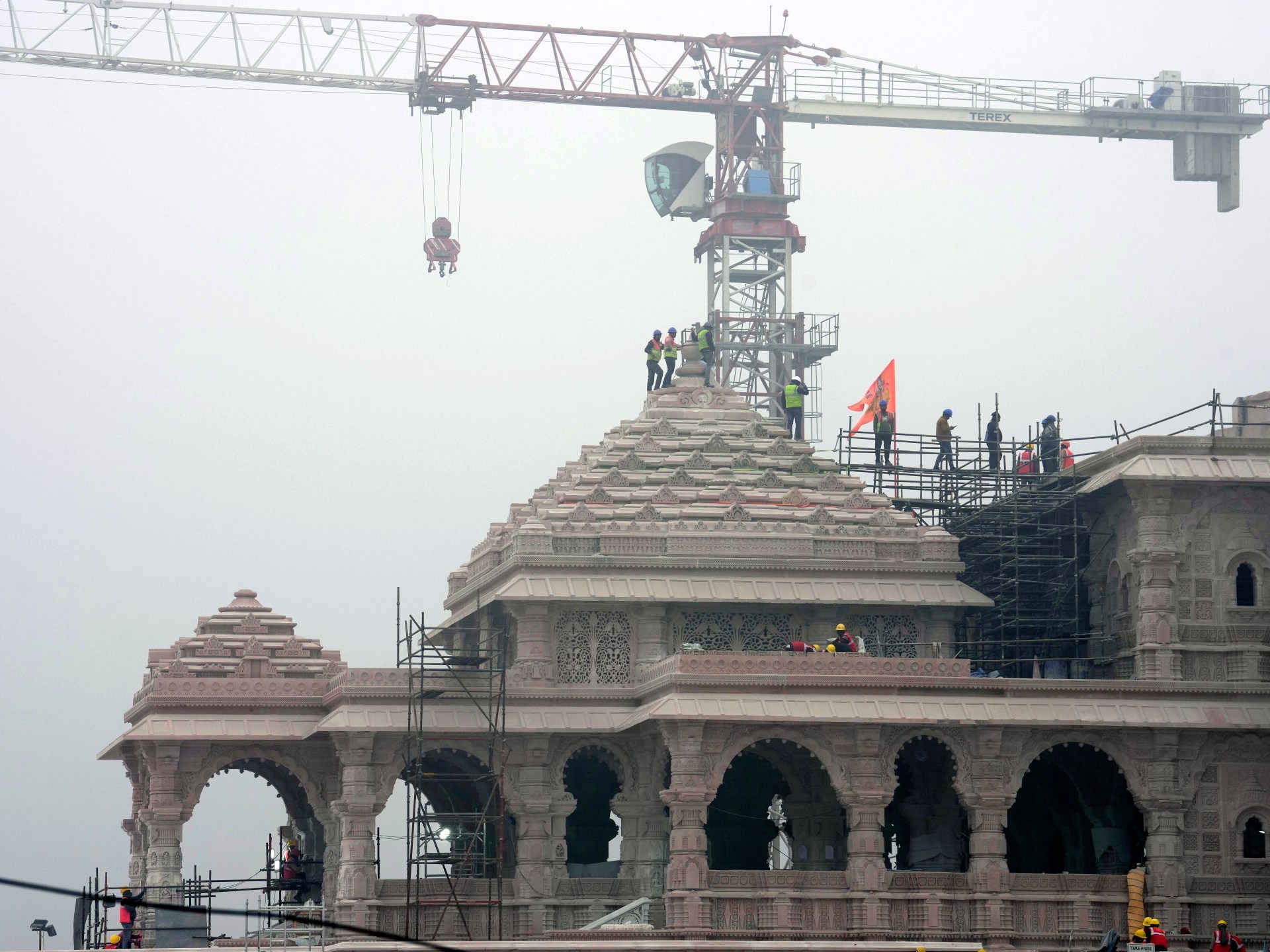
India's Prime Minister Narendra Modi inaugurates the Ram Mandir temple in Ayodhya, marking the end of a four-decade campaign by Hindu far-right groups. The temple is built on the site where the Babri Mosque stood until it was demolished by Hindu mobs in 1992, sparking nationwide Hindu-Muslim riots. The inauguration is seen as a symbol of religious triumphalism, polarizing India's politics and benefiting the governing Bharatiya Janata Party. The temple's construction has been a source of dispute and legal battles for decades, culminating in its consecration in 2024.
Indian Prime Minister Narendra Modi is set to lead a ceremony to consecrate a new temple to the Hindu god-king Ram, fulfilling a campaign promise made over three decades ago. The construction of the temple, which began in 2020, has been a contentious issue as it stands on the site of a 16th century mosque demolished by Hindu mobs in 1992, sparking nationwide riots. The Supreme Court's decision in 2019 allowed for the construction of the Hindu temple on the condition that Muslims received another plot to build a mosque.