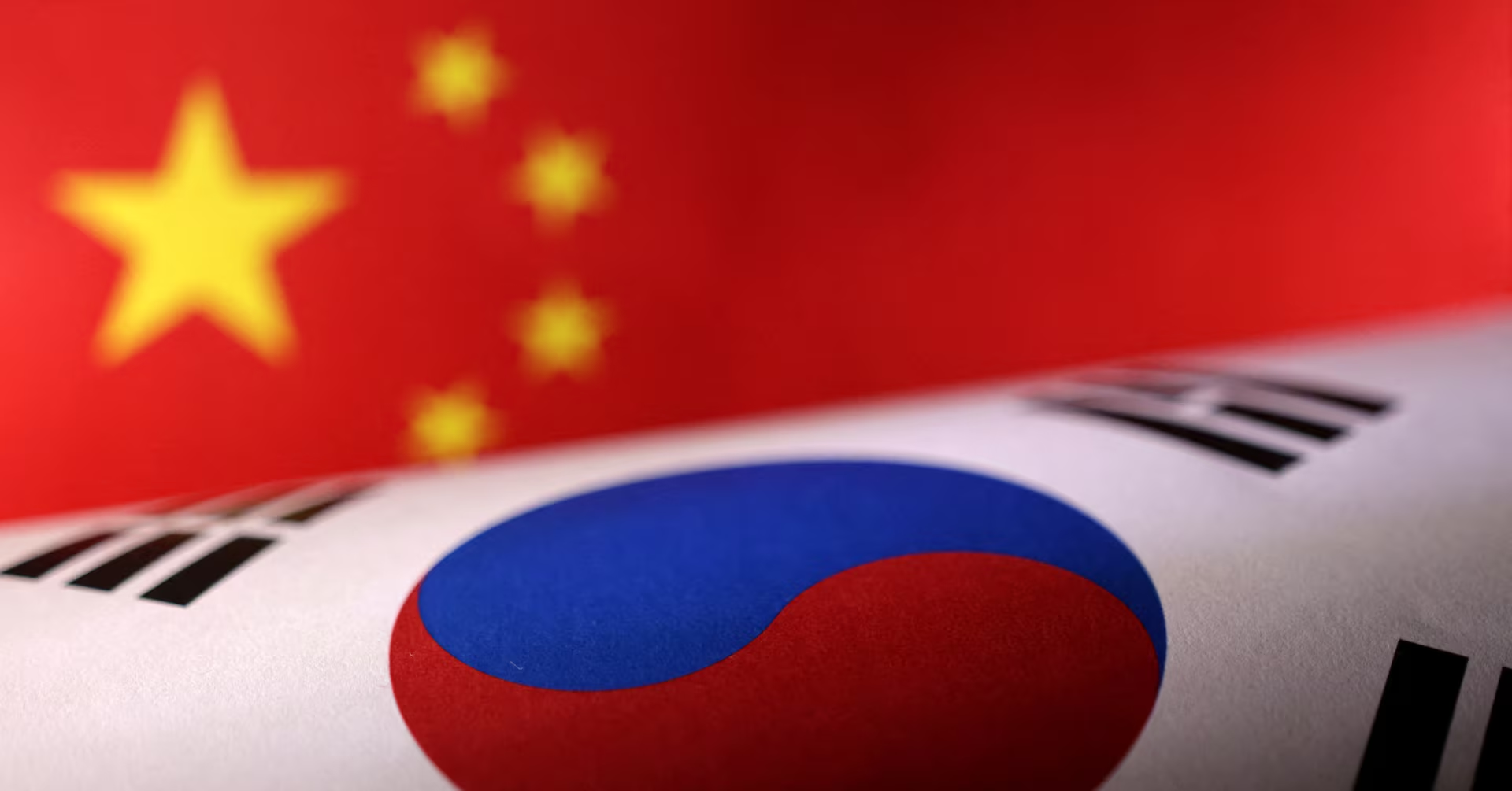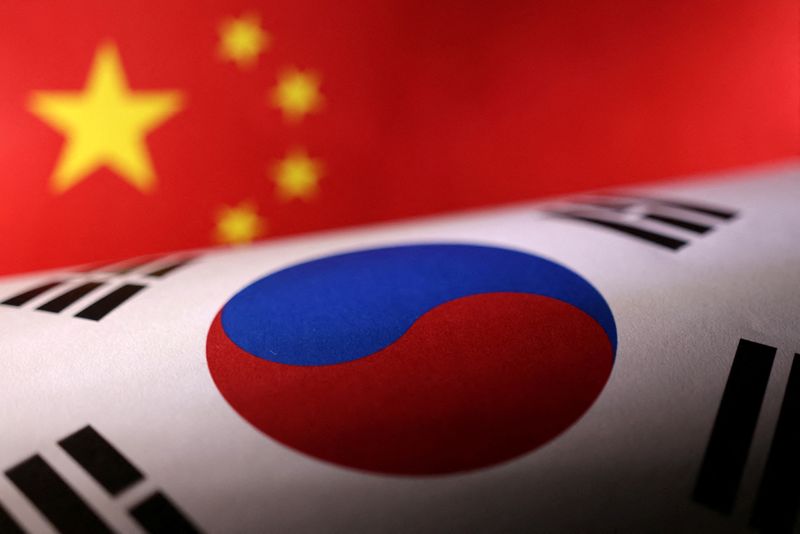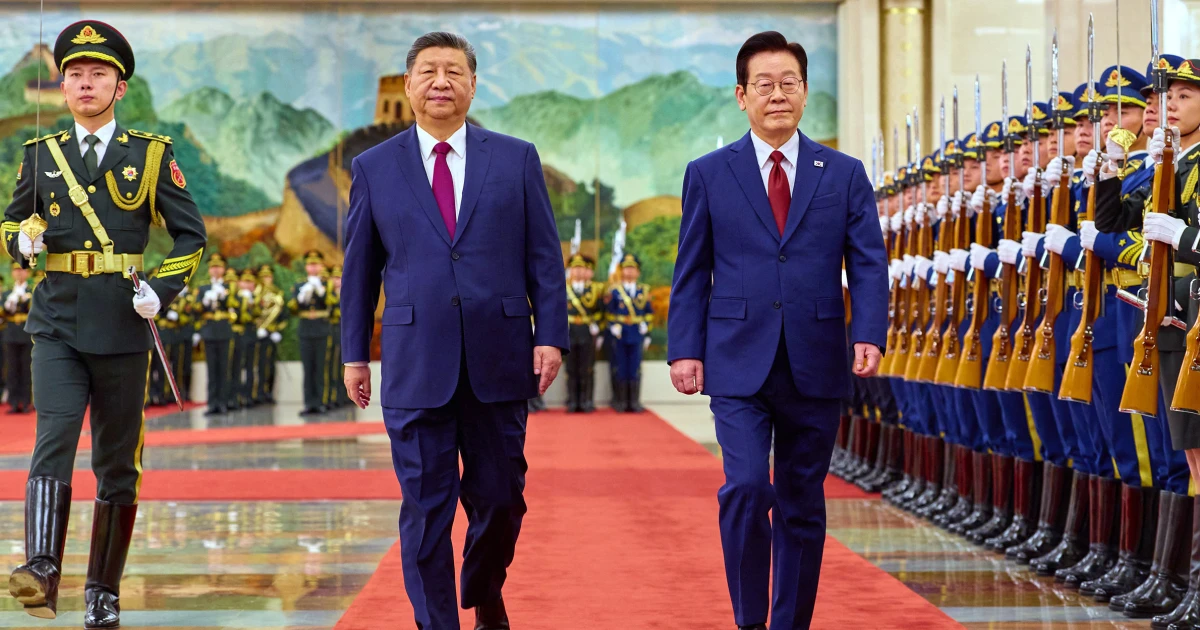
South Korean President Lee Jae Myung aims to fully restore Korea-China relations by 2026, seeking to deepen strategic cooperation and economic ties during his visit to Beijing, amid ongoing regional tensions and North Korea's missile tests.

South Korean President Lee's visit to China aims to strengthen bilateral relations, emphasizing mutual respect and addressing past misunderstandings, while reaffirming adherence to the 'One-China' policy amidst regional tensions involving Taiwan and North Korea.
China plans to make substantial purchases of US soybeans following recent bilateral talks, signaling a potential thaw in relations and efforts to stabilize trade, although long-term diversification strategies remain in place.
South Korea aims to normalize and strengthen its relations with China, focusing on boosting economic cooperation and improving diplomatic ties, as a special envoy from Seoul met with Chinese officials and conveyed President Lee Jae Myung's intentions to develop a mature strategic partnership while maintaining the U.S. alliance.
South Korea aims to normalize and strengthen economic ties with China, with officials discussing cooperation and managing sensitivities to improve bilateral relations after recent strains, including a visit from a special delegation to China and invitations to regional summits.
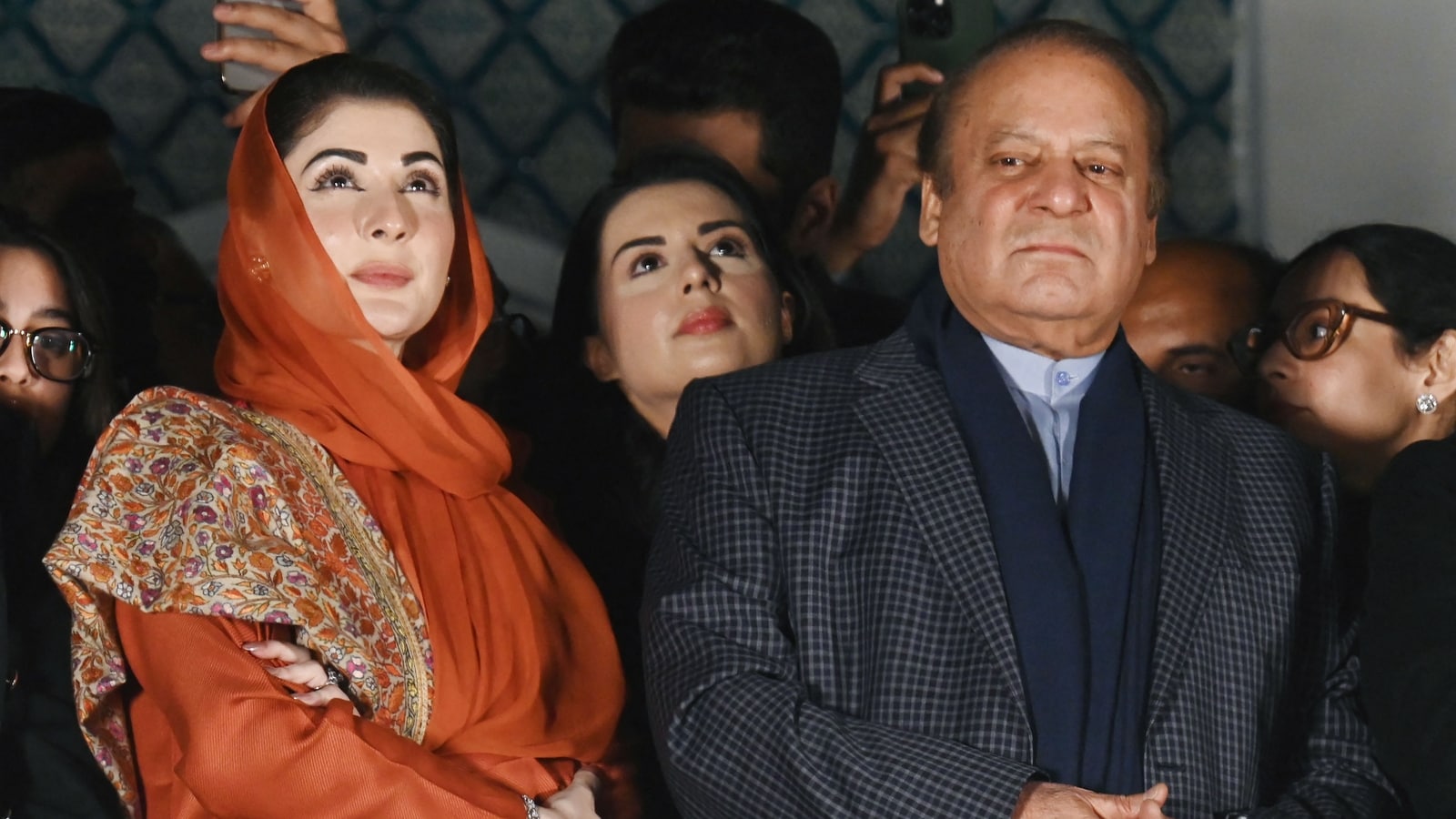
Pakistan's former Prime Minister Nawaz Sharif indirectly conveyed a message of goodwill to India, expressing his government's intention to improve relations with neighboring countries. Despite not directly mentioning India, Sharif's use of the term "neighbours" was seen as a reference to India. His party, Pakistan Muslim League Nawaz (PML-N), emerged as the single largest party in the National Assembly, and Sharif emphasized the need to improve ties with the world and resolve issues with neighboring countries, garnering support from his followers.
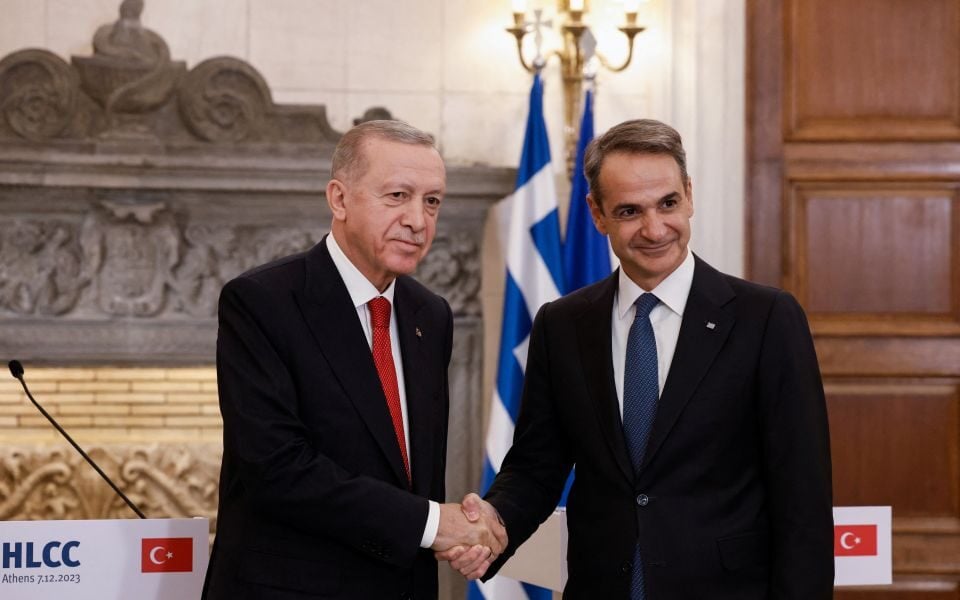
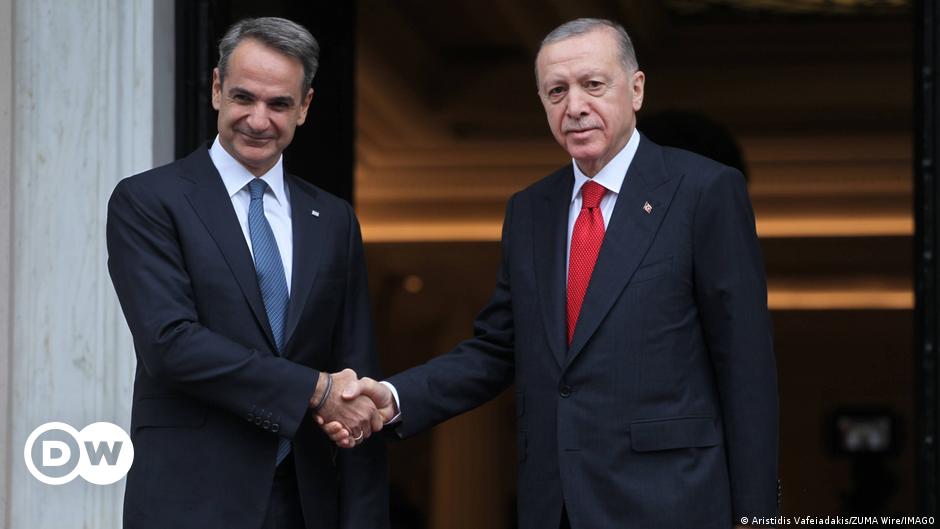
Greece and Turkey have agreed to mend their historically tense relations, establishing a roadmap for closer ties. The two NATO allies aim to pursue good neighborly relations, maintain open communication channels, seek military confidence-building measures, boost trade volumes, and address issues in the Aegean Sea. The meeting between Greek Prime Minister Kyriakos Mitsotakis and Turkish President Tayyip Erdogan marked a significant shift in their relationship, with both leaders expressing a desire for peace and cooperation. They aim to increase bilateral trade volume and hold high-level meetings annually. The countries also plan to work towards resolving disputes over territorial boundaries and energy resources.
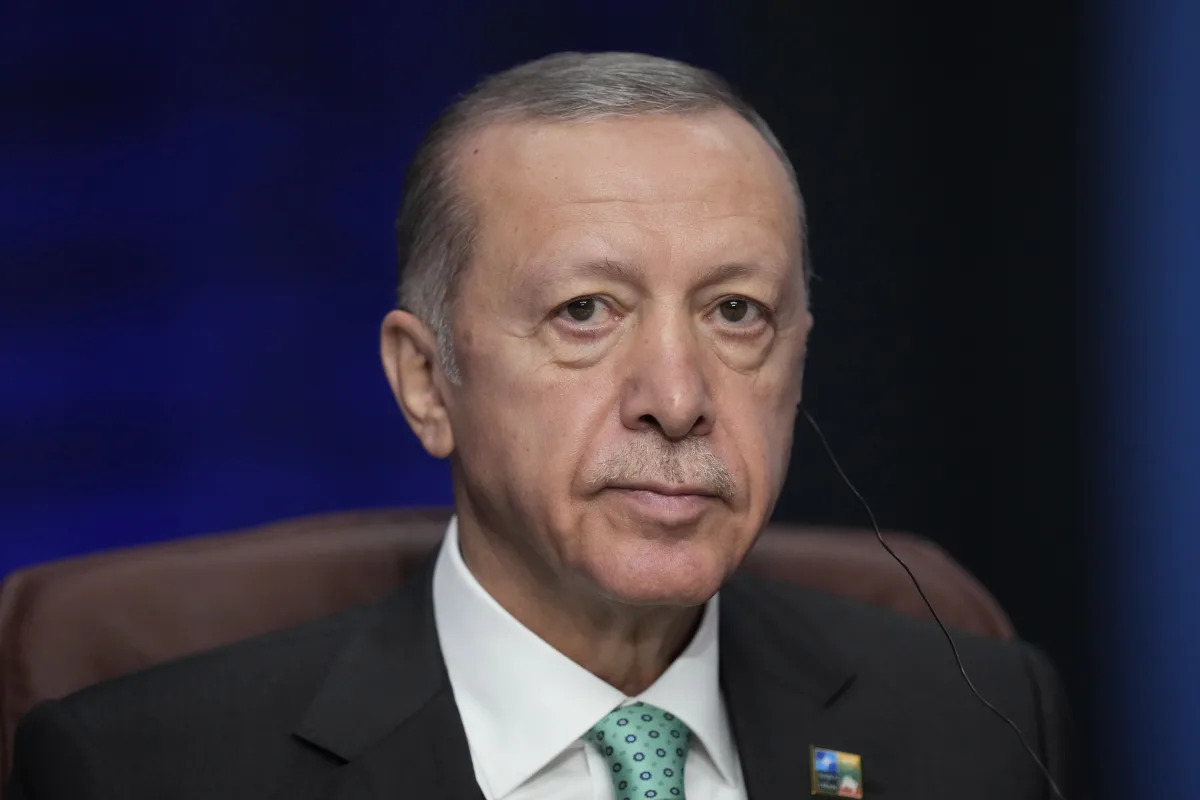
Turkish President Recep Tayyip Erdogan made his first official visit to Athens since 2017, signaling a "new era" in relations between Turkey and Greece. The leaders signed a declaration on "Friendly Relations and Good Neighbourliness" and discussed various issues, including territorial disputes, migration, and trade. They expressed a commitment to turning the Aegean into a sea of peace and signed multiple agreements on energy, education, agriculture, sports, technology, and tourism. Both leaders emphasized the importance of working together for the benefit of their peoples and the wider region.
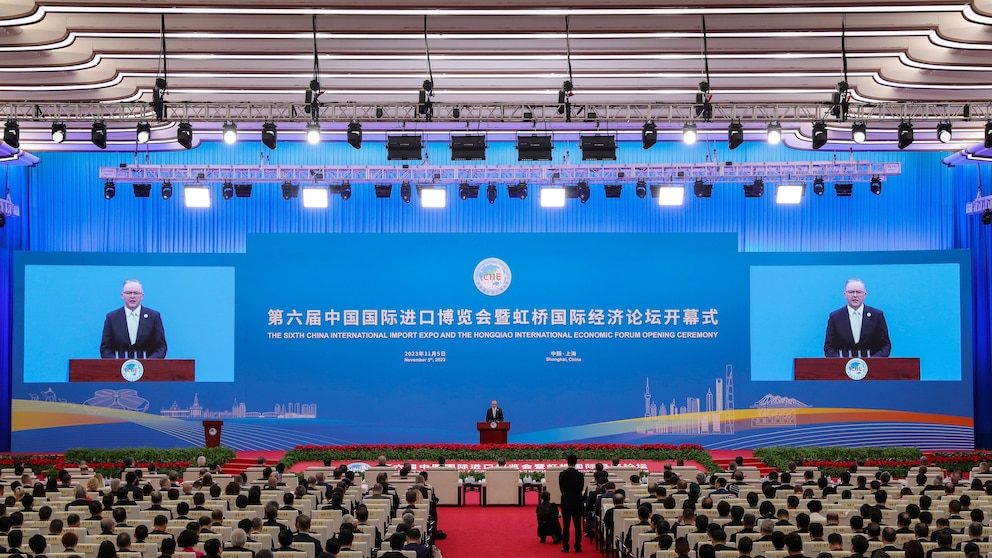
Australian Prime Minister Anthony Albanese and Chinese President Xi Jinping met in Beijing, marking the first visit by an Australian leader to China in seven years. The meeting symbolized the improving relations between the two countries after years of tension. Both leaders acknowledged the progress made in the past year and emphasized the importance of engagement despite differences. China has lifted some trade restrictions on Australian products, and the barriers have been substantially reduced. The leaders also engaged in light-hearted discussions about pandas, Tasmanian devils, and wine. While the visit signifies a positive turn in relations, Australia is still pursuing a security partnership with the UK and the US, which China views as a counter to its influence in the region.
Armenia has signed up to the International Criminal Court (ICC) in The Hague, a move that could further strain its already fraught relations with Moscow. The signing comes as Armenia faces pressure from Russia over its political and military ties with the West, particularly its partnership with NATO. The move to join the ICC could be seen as a signal of Armenia's desire to assert its independence and pursue its own foreign policy agenda.
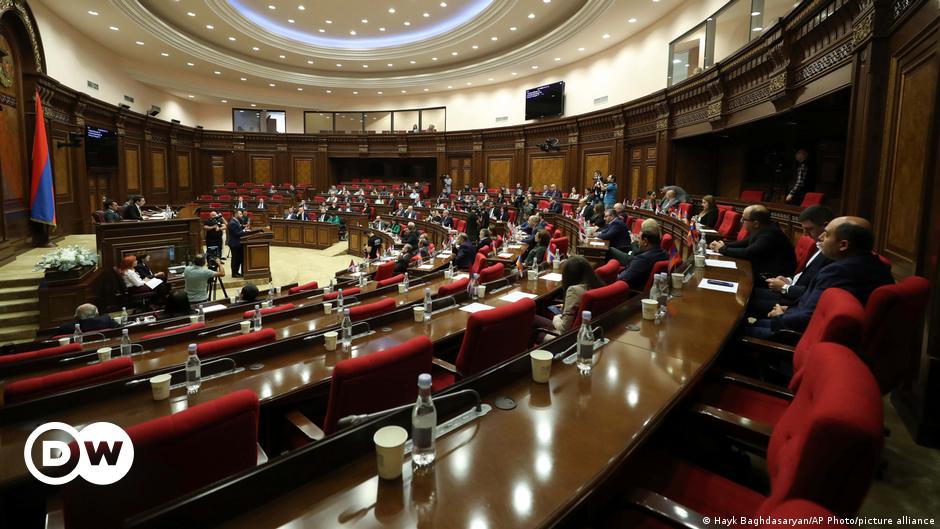
The Armenian parliament has voted to join the International Criminal Court (ICC), a move that is expected to strain its relationship with Russia. The decision means that Armenia, in theory, would be obliged to arrest Russian President Vladimir Putin if he were to enter their territory, as he has been indicted for war crimes connected to the deportation of children from Ukraine. The vote comes amid tensions between Armenia and Russia over the Nagorno-Karabakh conflict, with Armenia accusing Russian "peacekeeping" troops of failing to prevent hostilities that allowed Azerbaijan to take control of the region. The decision has been criticized by Russia, while France has expressed support for Armenia's move.
Ireland has stated that there is still "significant work" to be done to improve relations between the UK and the EU. Despite the Brexit trade deal, tensions remain high, particularly over issues such as the Northern Ireland protocol. Ireland's foreign minister has called for both sides to engage constructively and find solutions to the outstanding issues.
Iran claims to have pressured Iraq into agreeing to disarm and remove Kurdish dissident groups that Iran accuses of being separatists and terrorists. The agreement, which Iraq has not confirmed, is said to involve the dismantling of armed groups by late September. However, it is unlikely that Iraq will take action as most of the Kurdish groups are small and located in the autonomous region of northern Iraq. Iran's goal may be to reduce the activity of these dissident groups, particularly during the anniversary of the killing of a Kurdish Iranian woman, but it remains to be seen how effective Iran's efforts will be.
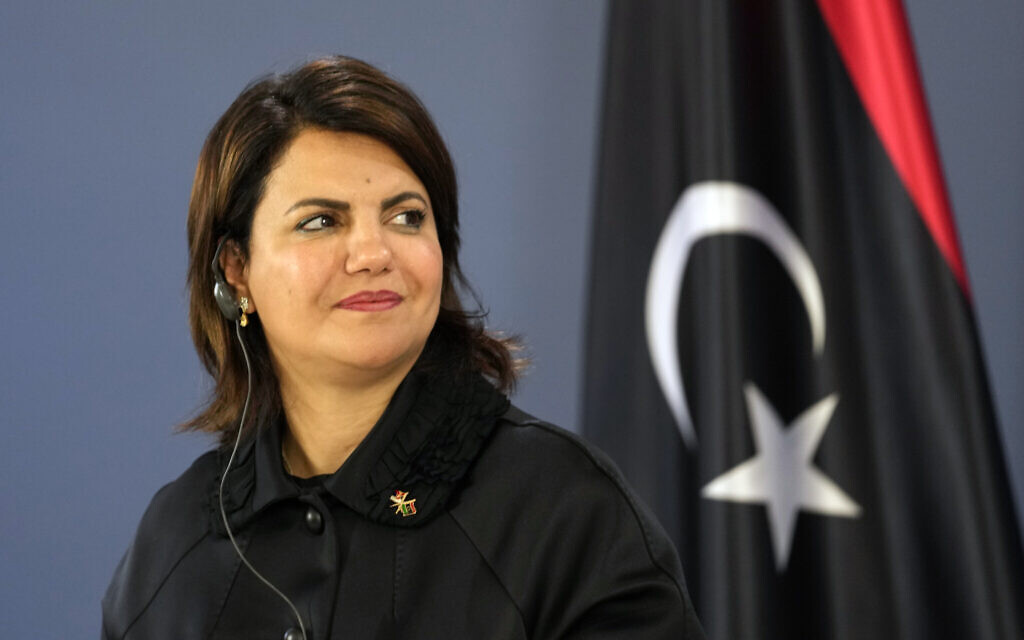
Libya's Foreign Minister Najla Mangoush has been suspended from her role by Prime Minister Abdul Hamid al-Dbeibeh after her meeting with Israeli counterpart Eli Cohen sparked anger in the nation. The Libyan government denied any formal meeting had taken place, contradicting Israel's announcement. An investigative panel has been formed to probe Mangoush over the meeting, raising questions about the progress of relations between the two countries. Libya has declared its rejection of normalization with Israel and its commitment to the Palestinian cause.
Greece and Turkey have pledged to "reset" their relations and bypass longstanding disputes between the two NATO members. The Greek Prime Minister, Kyriakos Mitsotakis, and Turkish President, Recep Tayyip Erdogan, agreed to continue high-level contacts and hold cabinet minister meetings in the future. The talks come after Turkey dropped objections to Sweden's NATO membership and signaled a willingness to lower tension with Western nations. The ongoing disputes between Greece and Turkey involve maritime boundaries, illegal migration, mineral rights, and military power projection. Both countries are seeking assistance from the United States to upgrade their air forces.