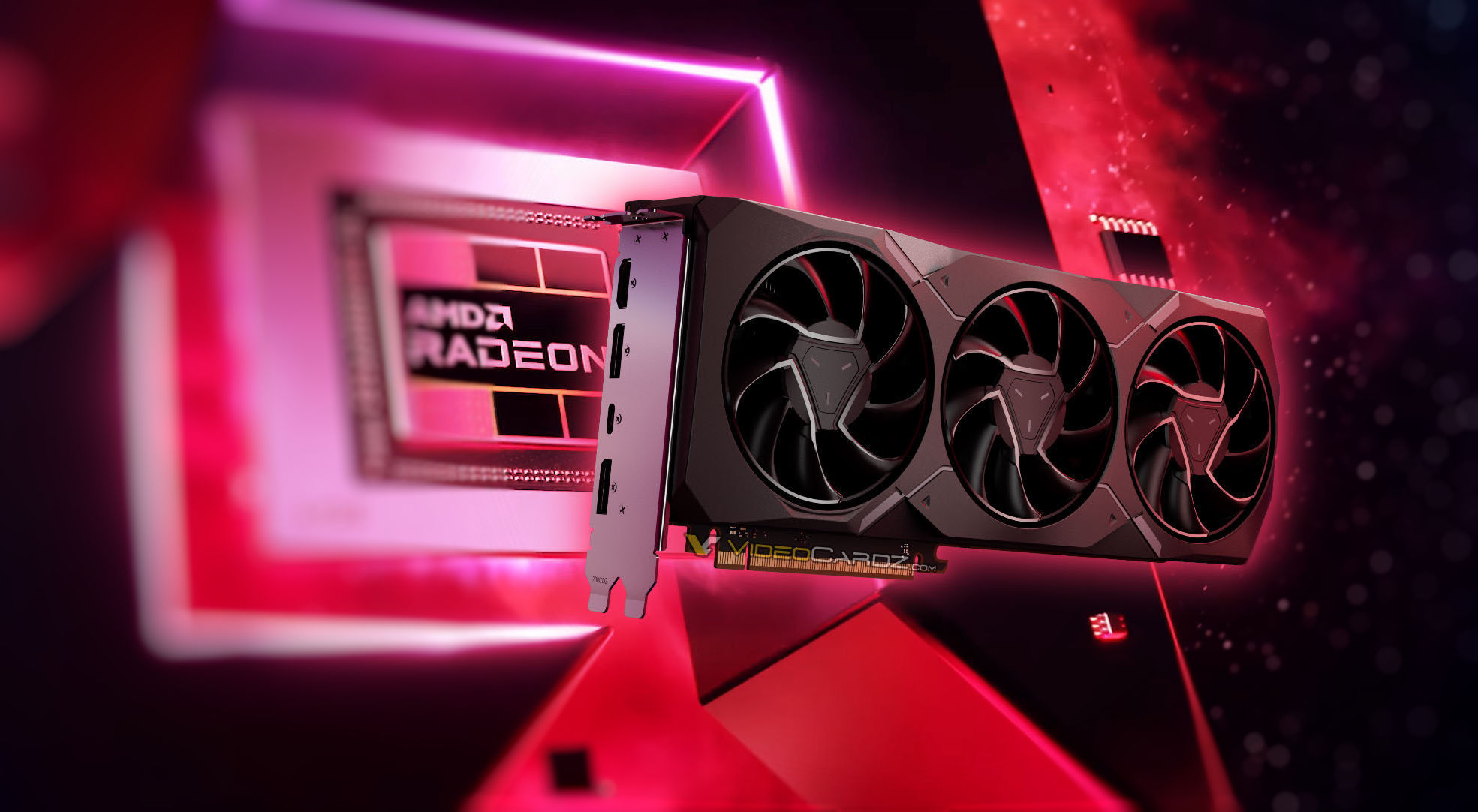
The article reports significant performance regressions and system hangs when using AMD's RDNA3 and RDNA4 GPUs on Linux 6.19, leading to the premature end of testing. Older AMD GPUs like the RX 6800 and RX 5700 XT were tested successfully on the latest Linux kernel and Mesa drivers, but newer cards faced critical stability issues with no current fix from AMD.
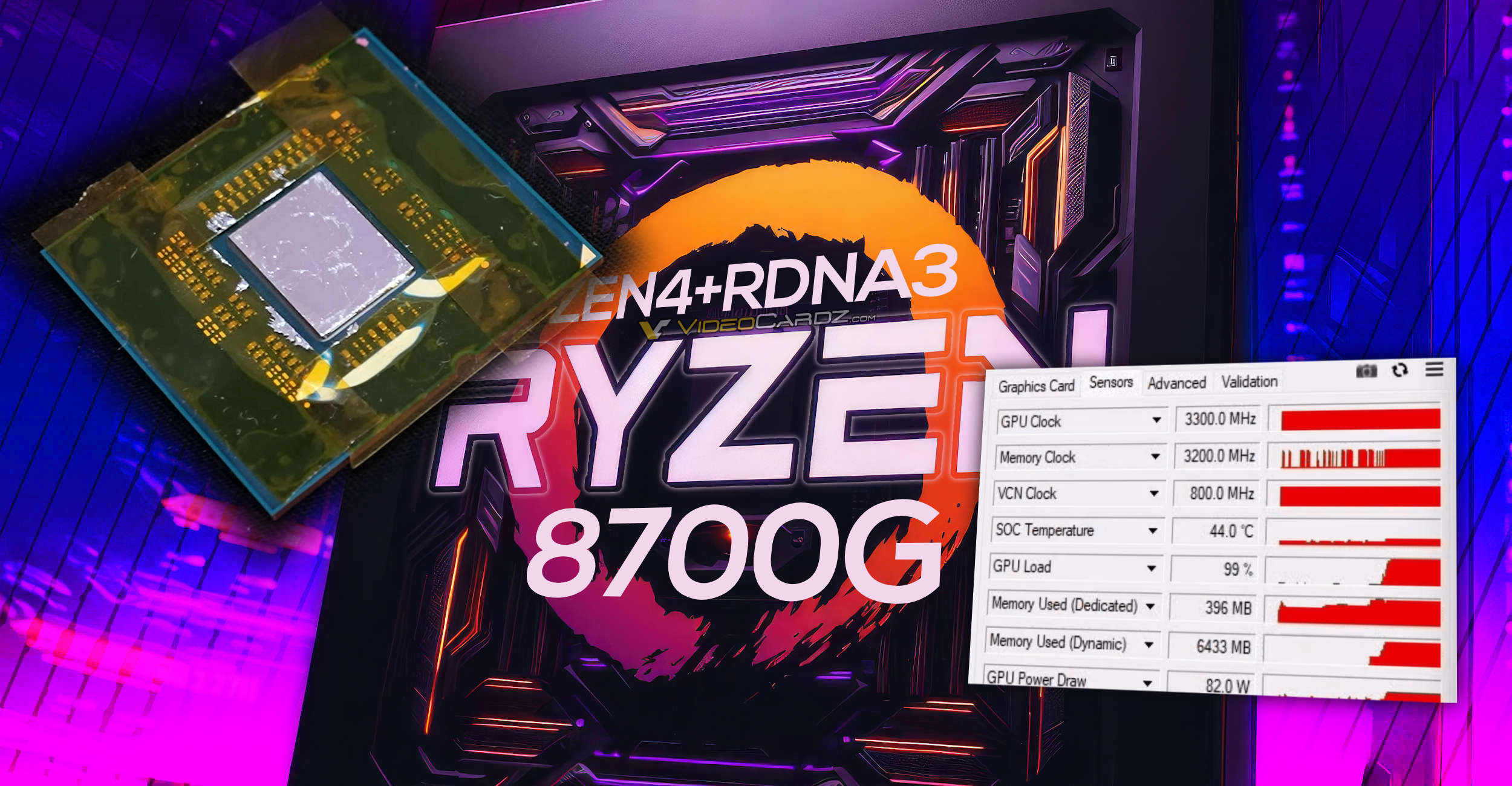
Overclockers have successfully boosted the AMD Ryzen 7 8700G APU's RDNA3 graphics to 3.3 GHz, achieving stable performance with a voltage of 1.25. Additionally, using liquid metal instead of thermal compound has significantly reduced temperatures, with results showing a decrease from 85°C to just above 60°C during 5.0 GHz overclocking across all cores. The APU offers substantial overclocking potential, particularly for graphics, and replacing the conductive material underneath the integrated heatspreader can greatly enhance cooling efficiency and performance.
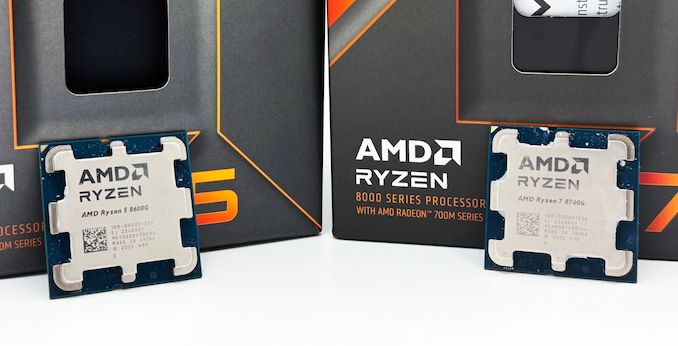
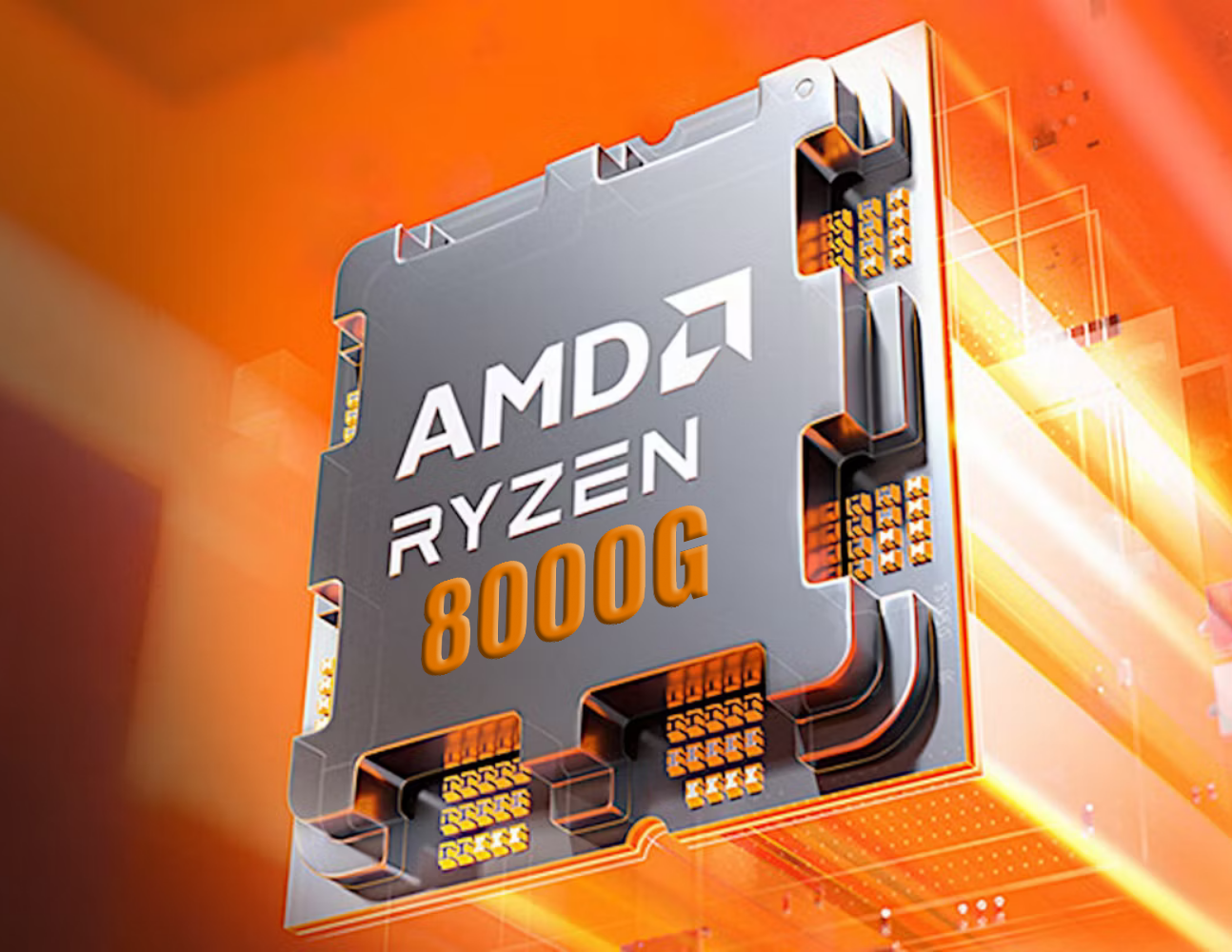
AMD has launched the Ryzen 8000G series, featuring the Ryzen 7 8700G and Ryzen 5 8600G APUs with Zen 4 cores and RDNA3 integrated graphics. These APUs are designed for budget-conscious users and gamers, offering on-chip AI capabilities and targeting 1080p gaming performance. The series also includes the Ryzen AI NPU for AI inferencing workloads. The lineup ranges from the top-tier 8C/16T Ryzen 7 8700G to the entry-level Ryzen 3 8300G, with prices starting at $229. However, the transition to DDR5 memory through the AM5 chipset raises questions about overall value compared to the previous generation and the competition in the entry-level market.
The AMD Ryzen 7 8700G and Ryzen 5 8600G desktop APUs, featuring Zen 4 CPU cores and RDNA3 graphics, have had their review embargo lifted. The focus is on the Ryzen 7 8700G's Linux performance, with the processor boasting 8 cores, 16 threads, and Radeon 780M integrated graphics. Initial testing indicates that the Ryzen 8000G series should work well with modern Linux distributions, but users may need to ensure they have the latest AMDGPU firmware for optimal performance. Additionally, the inclusion of a Ryzen AI NPU in the new APUs is an exciting development, with an open-source XDNA Linux driver recently published by AMD.
AMD's upcoming Ryzen 7 8700G desktop APU has been leaked, revealing significant improvements over its predecessors. The APU features 8 Zen4 cores and 16 threads, with a base clock of 4.2 GHz and a boost clock of 5.1 GHz. It also introduces Radeon 780M graphics with 12 Compute Units and a 2.9 GHz boost clock, marking a transition from Vega graphics to the more powerful RDNA3 architecture. Benchmark results suggest a substantial performance increase, potentially doubling the speed of the Ryzen 7 5700G's integrated graphics. However, real-world gaming performance is yet to be assessed through independent reviews.
AMD is set to update its desktop APU lineup with the Ryzen 8000G series, featuring the Ryzen 5 8600G with 6 Zen4 cores and Radeon 760M RDNA3 graphics. The Ryzen 5 8600G shows a significant performance boost over its predecessor, the Ryzen 5 5600G, with higher CPU and GPU clock speeds. The new APU is expected to launch this quarter, potentially being announced at CES 2024.
The AMD Ryzen 5 8600G, a mid-range desktop APU with Zen 4 architecture and RDNA 3 integrated graphics, has appeared on Geekbench, showcasing its performance capabilities. With 6 CPU cores, 12 threads, and a Radeon 760M iGPU, the APU scored 24,842 in the OpenCL benchmark and 30,770 in Vulkan, indicating its ability to handle 1080p gaming at 60 FPS. The Ryzen 5 8600G was tested in an MSI pre-built PC with 32 GB of DDR5 RAM, hinting at a potential unveiling at CES in the near future.
The first benchmarks of Intel's Meteor Lake Arc Graphics have been released, comparing it to AMD's RDNA3 integrated graphics. The Intel Core 7 Ultra with Meteor Lake features Intel Arc Graphics with a maximum dynamic frequency of 2.25GHz and 8 Xe cores. The benchmarks show promising performance for the integrated graphics, with support for ray-tracing, high-resolution displays, and AV1 encode/decode. The open-source drivers for Meteor Lake graphics are available on Linux, but require a recent distribution, up-to-date kernel, and Mesa support. Overall, the data suggests that Intel's integrated graphics experience with Meteor Lake is a significant upgrade.
Rumors suggest that AMD may be skipping the high-end Radeon RX 8000 RDNA4 GPU series and instead focusing on a new successor to the RDNA3 architecture, potentially targeting the mid-range segment. The cancellation of the Navi 41 and Navi 42 GPUs has been speculated, while rumors of an RDNA3 refresh with advanced GPUs and the inclusion of 3D V-Cache technology are also circulating. AMD's commitment to expanding its presence in graphics architectures through next-gen APU designs further supports their ongoing focus. However, AMD has not officially commented on these rumors.
AMD has confirmed that new "enthusiast-class" Radeon RX 7000 GPUs will be launching this quarter. The release of these GPUs will expand AMD's RDNA3 lineup, with multiple variants expected. While the exact models are not specified, rumors suggest that the RX 7800 and RX 7700 series could be part of the release. The delay in the launch may be due to an overstock of previous RDNA2 models or issues with the deployment of the Navi 32 GPU. In contrast, NVIDIA's current lineup is not expected to receive any further updates at this time.
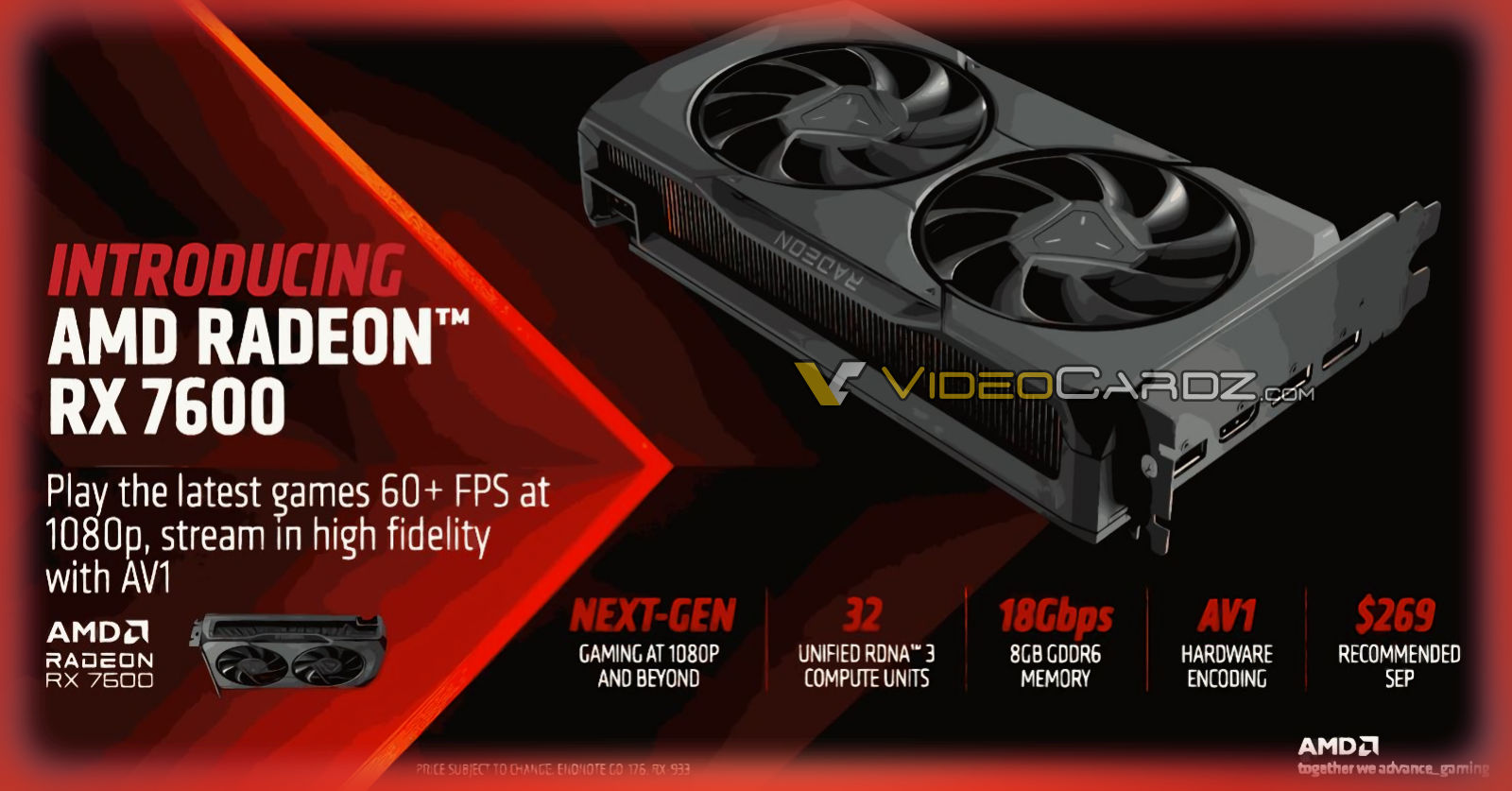
AMD has announced the Radeon RX 7600 graphics card, the first desktop GPU to fall under the $300 price level. The Navi 33XL-based graphics card has more cores, higher clocks, and supports AV1 encoding compared to its predecessor, the RX 6600 RDNA2. The RX 7600 will cost $269 and is 29% faster than the RX 6600 on average in 1080p gaming. The card officially hits the shelves tomorrow.
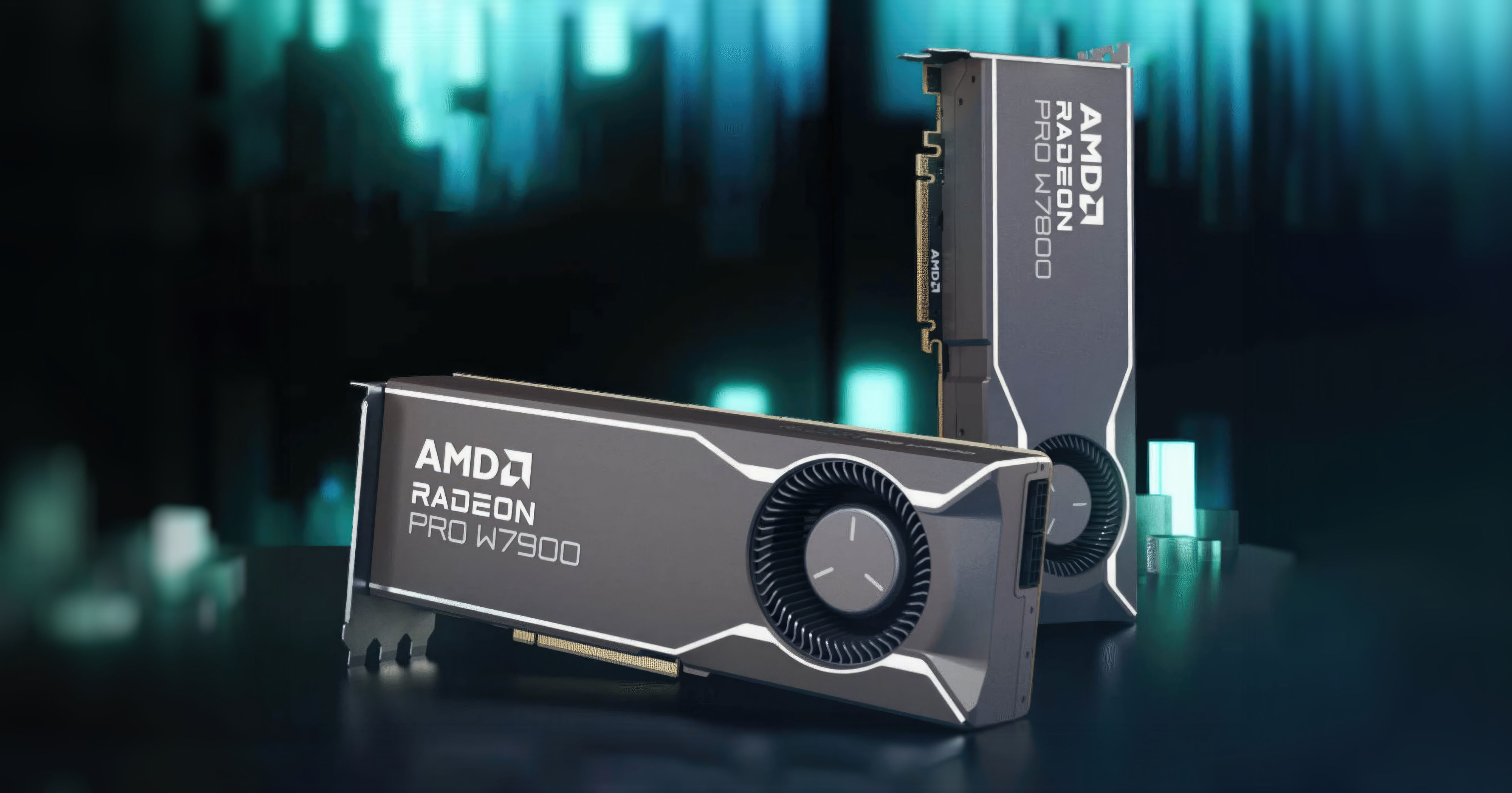
AMD has announced the Radeon Pro W7900 and Pro W7800 GPUs, both featuring the RDNA3 architecture. The W7900 has 96 Compute Units and 48GB of GDDR6 ECC memory, while the W7800 has 70 Compute Units and 32GB of GDDR6 ECC memory. The W7900 will retail at $3,999 and the W7800 at $2,499, significantly cheaper than competitors. Both GPUs offer support for DisplayPort 2.1, 8K60 AV1 encode/decode media engine, and lower power consumption.