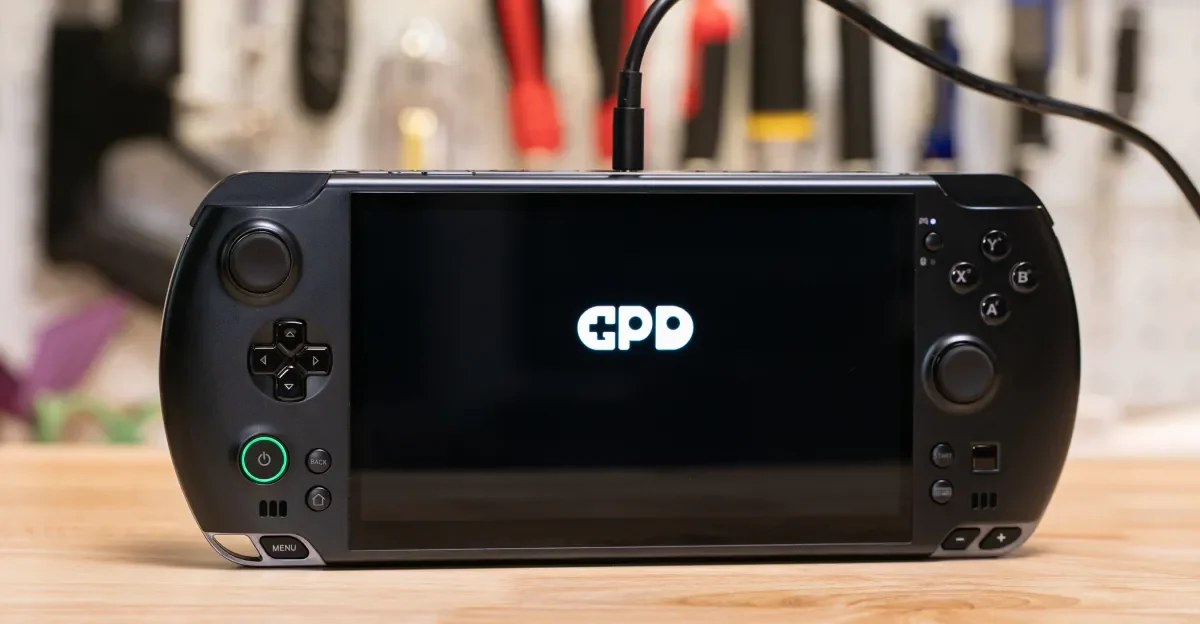
AMD introduces two new lower-end Ryzen AI Max Plus chips with powerful integrated graphics aimed at gaming devices, potentially making high-end gaming portables more affordable amid rising RAM costs, with prices possibly ranging from $1,000 to $1,500.
A significant update for older AMD GCN GPUs has been merged into Mesa 26.0, addressing VM faults caused by hardware bugs in GFX6 and GFX7 GPUs, improving stability and performance for Linux users and gamers.
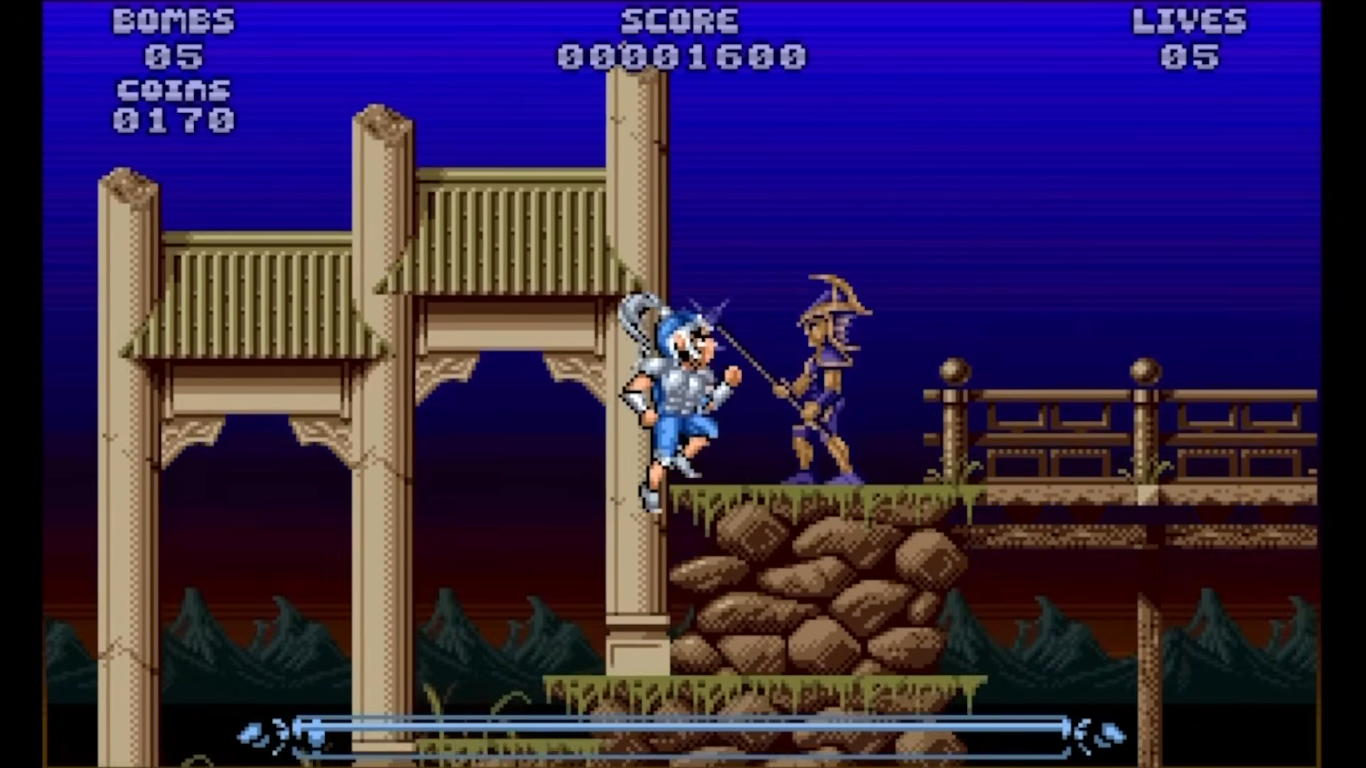
The article discusses how developers used clever techniques to surpass the Amiga's hardware limitations on sprite display, notably by exploiting the system's coprocessor to render more sprites simultaneously than officially supported, enhancing game visuals and complexity.
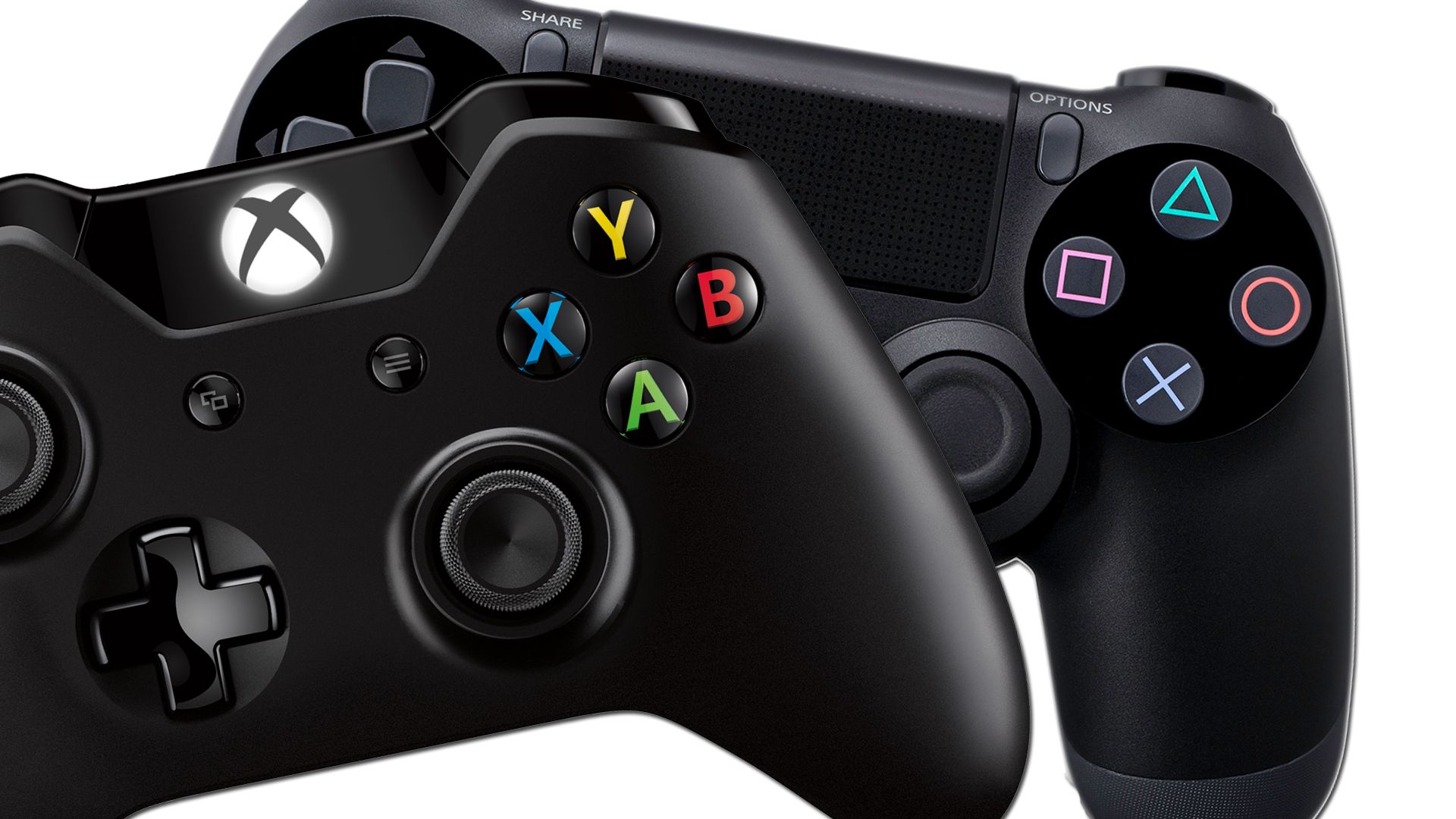
The PlayStation 6 faces challenges such as a decline in first-party exclusives compared to previous generations and the difficulty in surpassing current high standards of graphics, which may result in a minimal generational leap and impact consumer interest and pricing strategies.
Phoenix is an in-development X Server written from scratch in Zig, aiming to be a modern, secure, and extendable alternative to X.Org, with support for modern graphics technologies and Wayland compatibility.
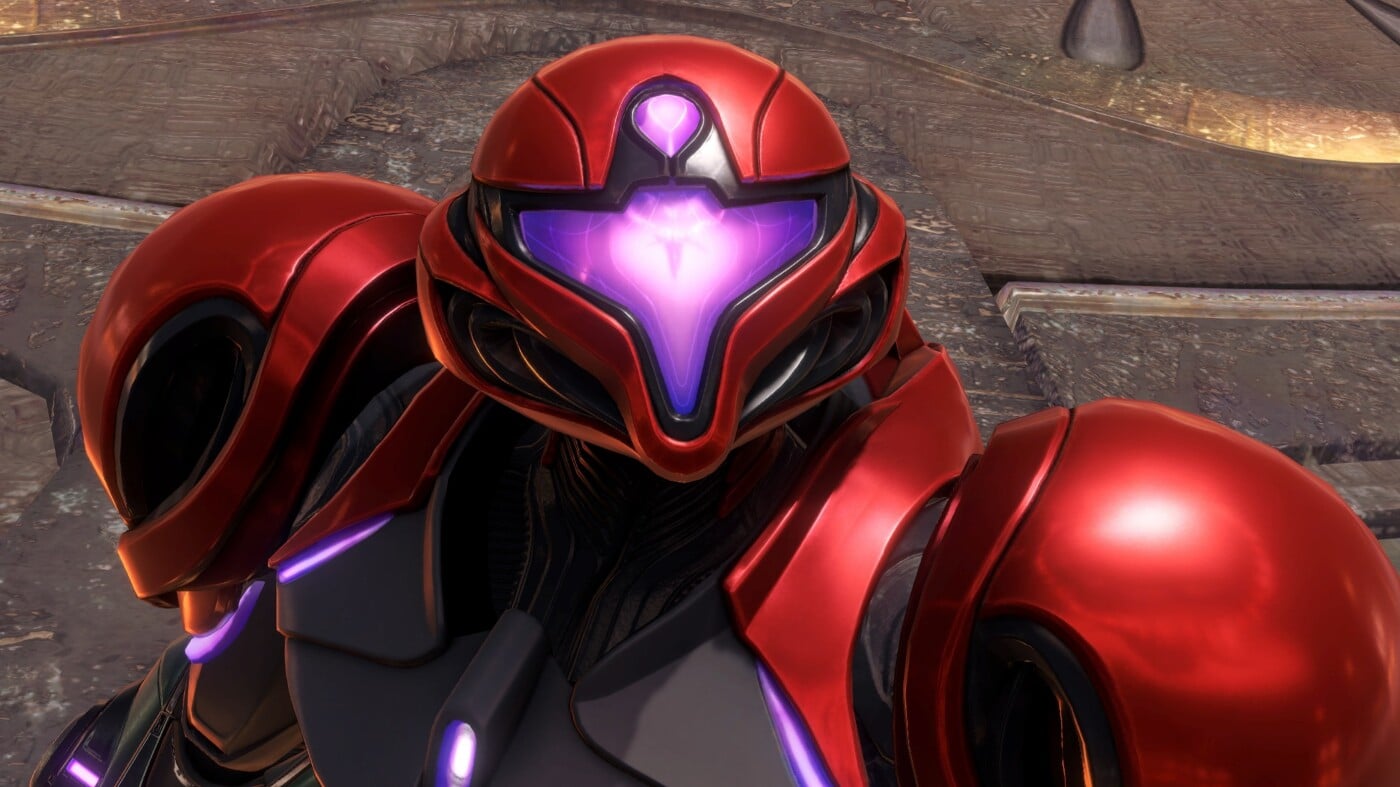
Metroid Prime 4 is a visually impressive game with advanced graphics on the Nintendo Switch 2, but its gameplay is hampered by poor design choices, excessive action focus, annoying side characters, and a lack of exploration, making it one of the weaker entries in the series despite its technical achievements.
The article reviews Nintendo's new Switch 2-exclusive Zelda spin-off, Hyrule Warriors: Age of Imprisonment, praising its graphics and production values but criticizing its repetitive gameplay, and expressing hope for a true next-gen Zelda game on the Switch 2.
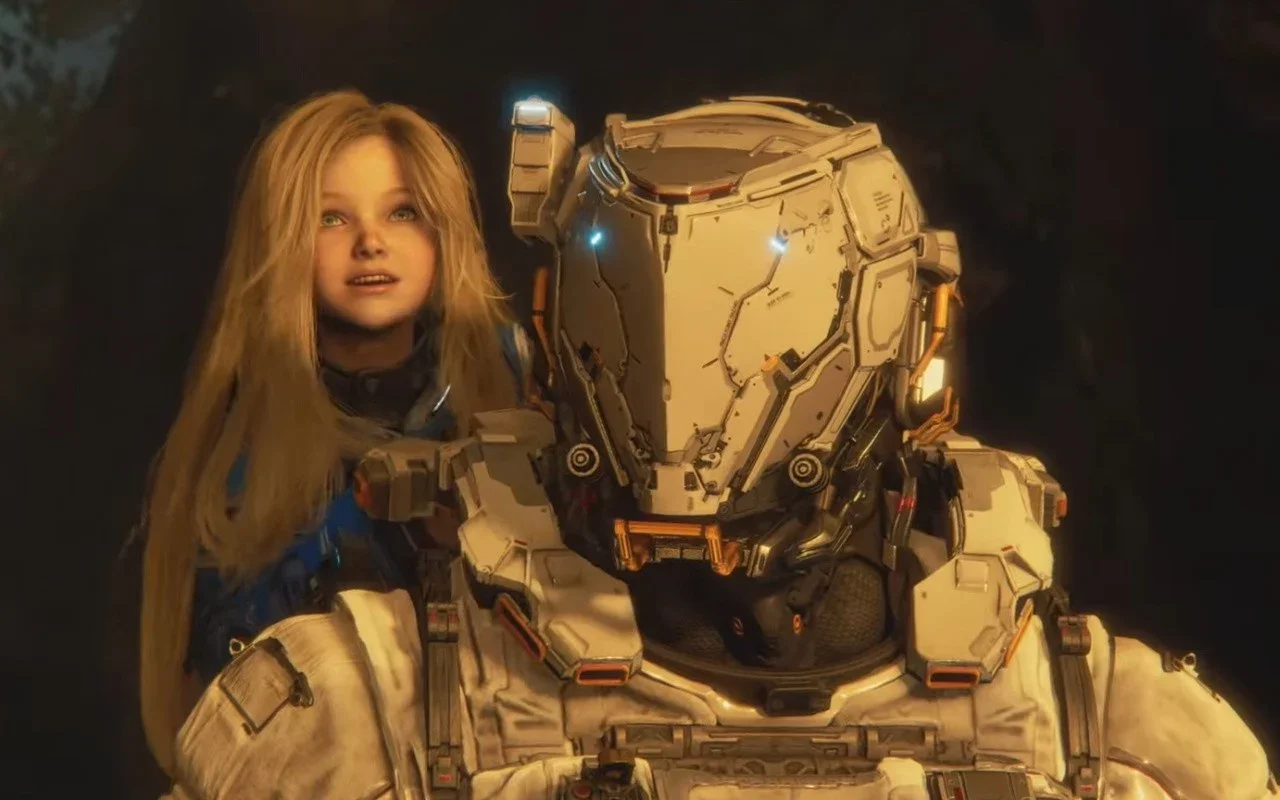
Digital Foundry praises Halo: Campaign Evolved's visual reimagining but expresses concerns over Unreal Engine 5's technical issues like noise, stutters, and resolution problems, noting that these are early footage and the developers have time to improve before release.
The Outer Worlds 2 is a mechanically impressive RPG with extensive player choice and engaging combat, but it struggles to be memorable due to its heavy-handed parody, lack of compelling characters, and some technical issues, despite improvements over its predecessor.
Industry leaders, including former PlayStation executives, agree that gaming technology has reached a plateau in graphical improvements, with the PS5 already significantly enhancing game quality through features like SSD, making further increases in graphics power less impactful. The focus may shift from raw power to optimizing existing capabilities.
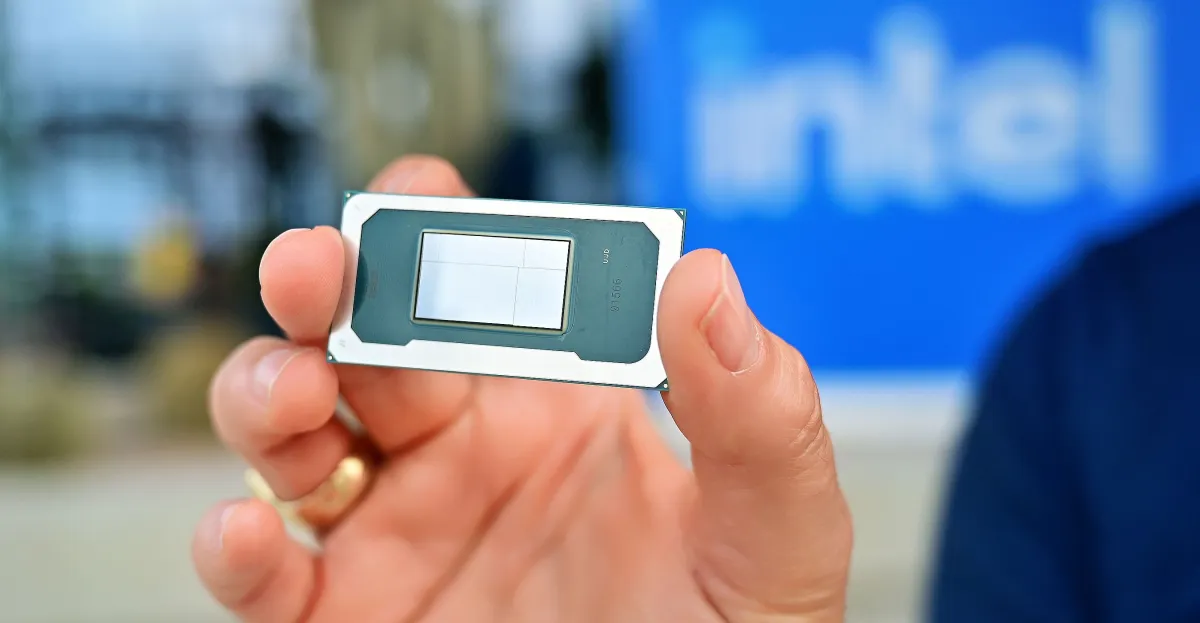
Intel's upcoming Panther Lake chip, set for release in 2025-2026, is a significant development featuring multiple versions with enhanced CPU and GPU capabilities, aiming to improve battery life, performance, and gaming graphics for a range of laptops, marking a strategic move to compete with Apple, AMD, and Qualcomm.
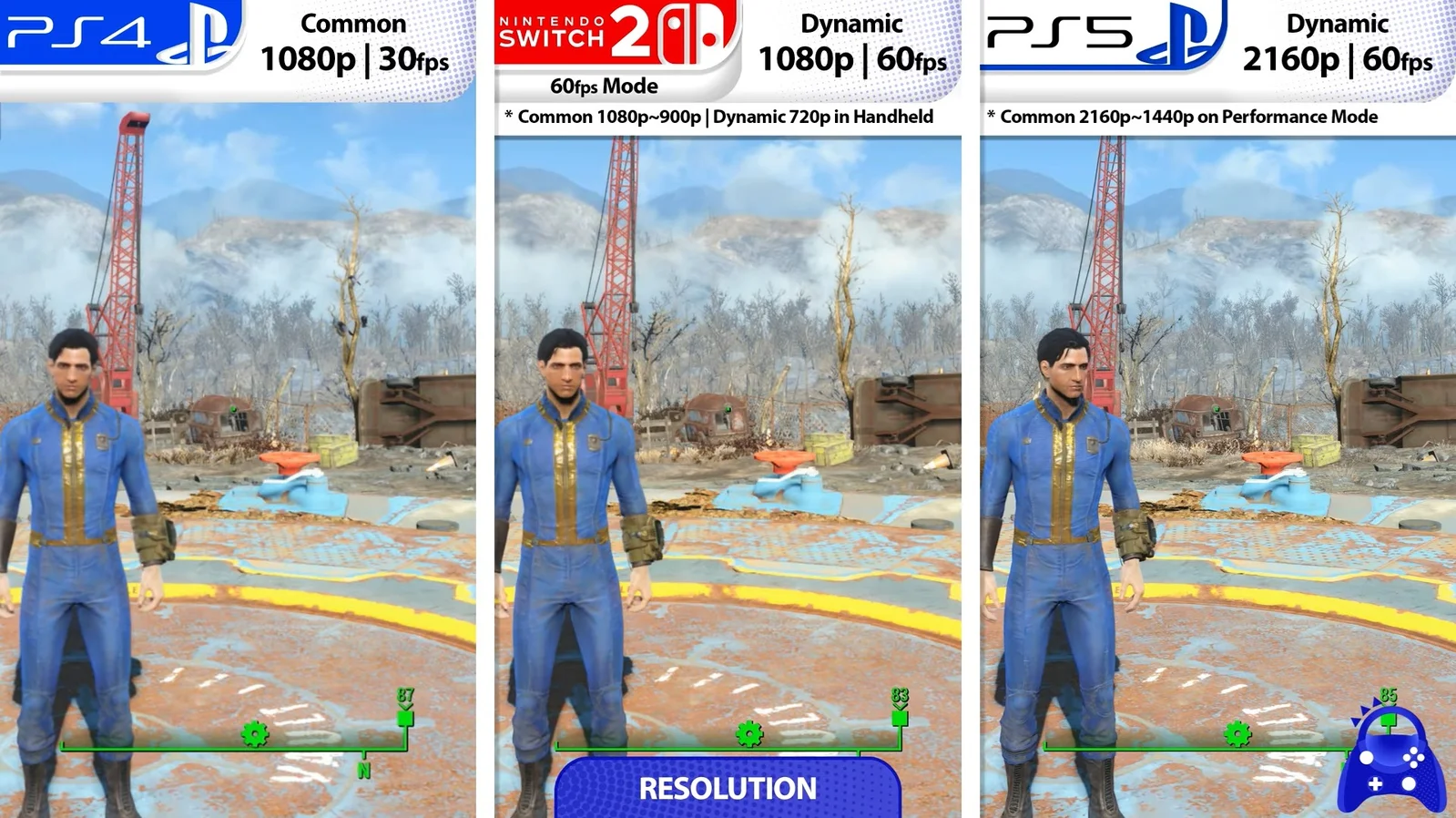
Digital Foundry reviews the enhanced versions of Super Mario Galaxy 1 and 2 on Switch, highlighting improved textures, higher resolutions (1080p on Switch 1 and 4K on Switch 2), and overall better graphics compared to the Wii versions, with minor issues like color banding and lower bitrate in cutscenes. Super Mario Galaxy 2 benefits the most from these upgrades, offering the best visual experience yet, making it a worthwhile purchase for fans and newcomers alike.
Square Enix emphasized the importance of lighting in making Final Fantasy VII Remake look impressive on Switch 2, with the director highlighting proper hardware utilization as key to delivering high-quality graphics on the new console, which is set to launch in January 2026.
A hands-on review of Resident Evil Requiem on Switch 2 highlights its impressive performance, smooth gameplay, and atmospheric experience, despite some visual and brightness limitations, suggesting it could be a compelling portable horror game.
Intel will continue to develop its own GPU products despite Nvidia's contribution of GPU chiplets for Intel CPUs, with the collaboration seen as complementary rather than replacing Intel's graphics efforts. However, skepticism remains about Intel's commitment to graphics development given Nvidia's dominance and Intel's cost-cutting strategies.