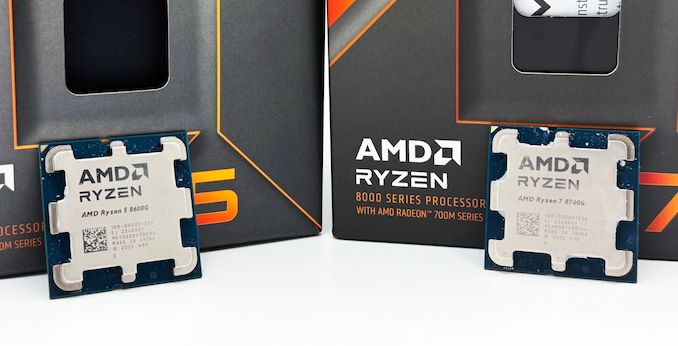
AMD has launched the Ryzen 8000G series, featuring the Ryzen 7 8700G and Ryzen 5 8600G APUs with Zen 4 cores and RDNA3 integrated graphics. These APUs are designed for budget-conscious users and gamers, offering on-chip AI capabilities and targeting 1080p gaming performance. The series also includes the Ryzen AI NPU for AI inferencing workloads. The lineup ranges from the top-tier 8C/16T Ryzen 7 8700G to the entry-level Ryzen 3 8300G, with prices starting at $229. However, the transition to DDR5 memory through the AM5 chipset raises questions about overall value compared to the previous generation and the competition in the entry-level market.
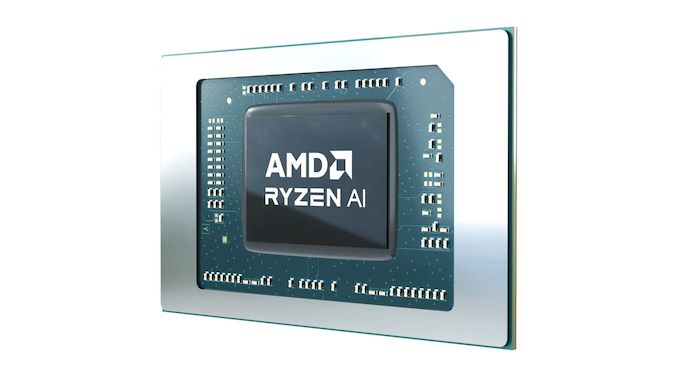
AMD has unveiled the Ryzen 8000G series processors, featuring Zen 4 cores and upgraded Radeon integrated graphics, with the top model, Ryzen 7 8700G, offering 8 CPU cores and AMD's RDNA3-based Radeon 780M graphics. The series includes models with 6, 4, and 2 CPU cores, all with a 65W TDP, and the top two models come with the Ryzen AI NPU for enhanced AI performance. These APUs are designed for entry-level users and budget gamers, promising 1080p gaming performance and competitive power efficiency. The Ryzen 8000G series processors will be available for purchase starting January 31st, with prices ranging from $179 to $329.
Gigabyte's BIOS update for its motherboards reveals that a new series of APUs, the Ryzen 8000G series, will be released in January 2024. These APUs will feature the same Zen 4 CPU architecture as the current Ryzen 7000 desktop CPUs and will be compatible with socket AM5 motherboards. The top-end chip, Ryzen 7 8700G, will have eight Zen 4 CPU cores and a Radeon 780M GPU with 12 RDNA 3 compute units. The APUs are expected to outperform previous generations with the use of RDNA 3 GPU cores and faster DDR5 RAM.
A modder has discovered a method to perform AI tasks on AMD APUs, such as the Ryzen 5 4600G and Ryzen 5 5600G, which cost around $95 and $130 respectively. By allocating shared memory and treating the APU as a 16GB GPU, the devices can run AI workloads comparable to high-end dedicated graphics cards. The modder's instructions enable the APUs to support AMD's ROCm platform and tools like Pytorch and TensorFlow. This cost-effective solution could expand access to AI experimentation and save money on expensive GPUs.
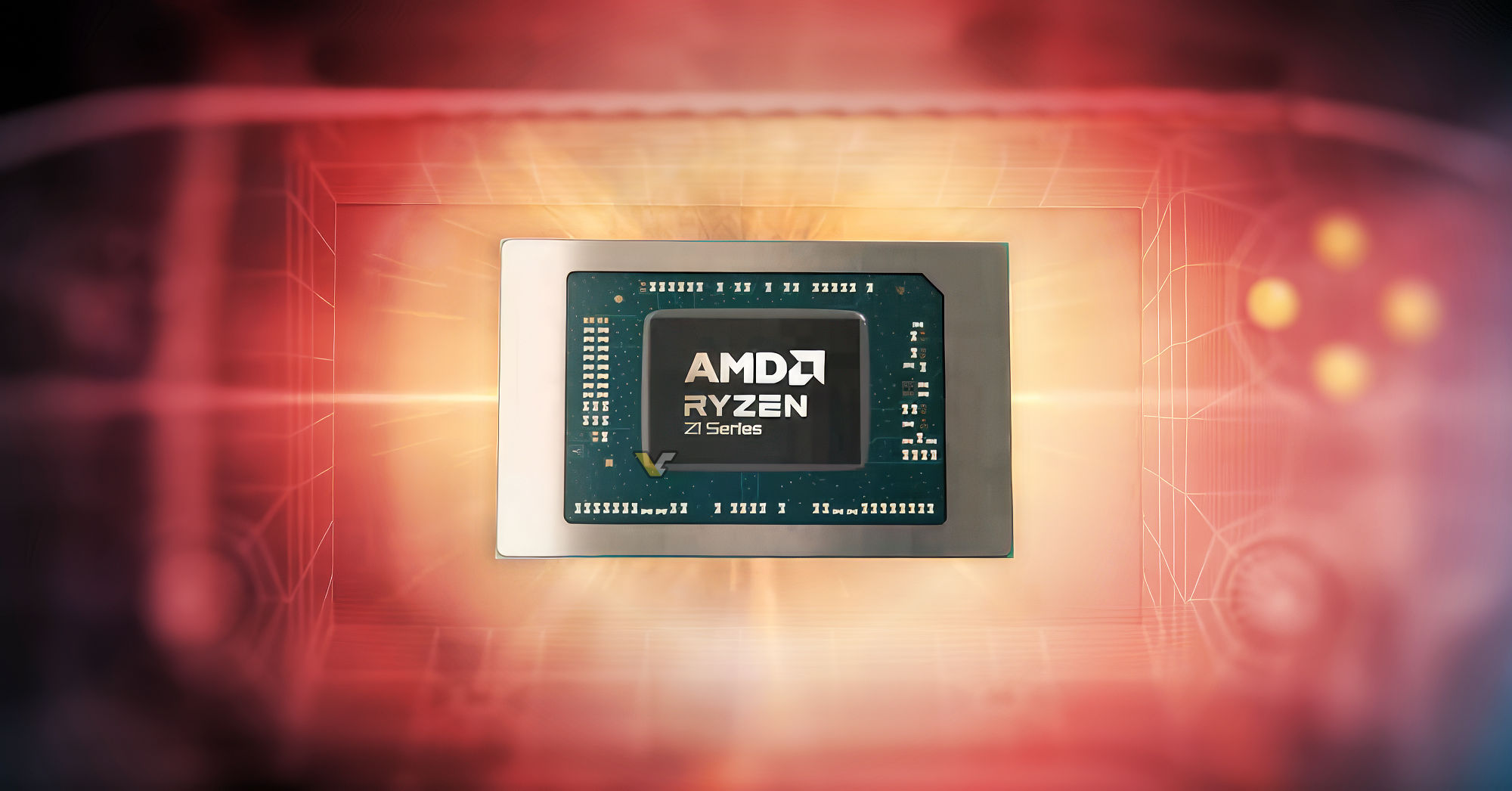
AMD's Ryzen Z1 APUs are purpose-built for handheld gaming and can operate with a configurable thermal design power (cTDP) as low as 9W, which is lower than the Ryzen 7040U series. The Z1 series has been optimized and validated for entirely new power ranges and voltage curves, making it a perfect solution for handheld gaming. The first product based on Ryzen Z1 is set to be announced on May 11th, with ASUS ROG Ally being the only known handheld console to feature this CPU.
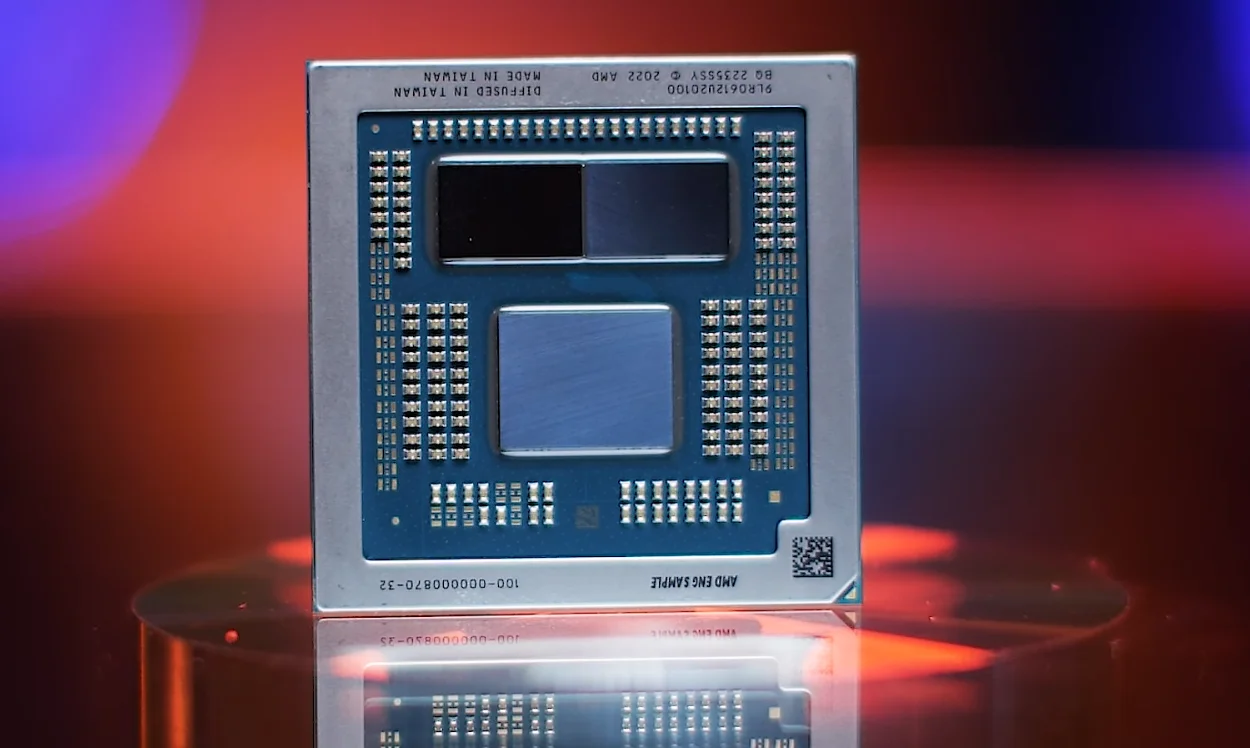
Leaked information suggests that AMD will release next-gen Ryzen 8000 APUs with Zen 5 and Zen 4 cores, RDNA 3.5 GPU cores, and XDNA engines. The Hawk Point APUs will be the first to hit shelves, followed by Strix Point and Fire Range APUs. The Strix Point APUs will come in two flavors, a monolithic die, and a chiplet design. The chiplet design will be the first APU with up to 16 Zen 5 cores with 32 threads and offering 25% faster performance than a 16-core Dragon Range chip at the same power (90W). The first AMD Zen 5 Ryzen 8000 APUs aren't expected until mid-2024.