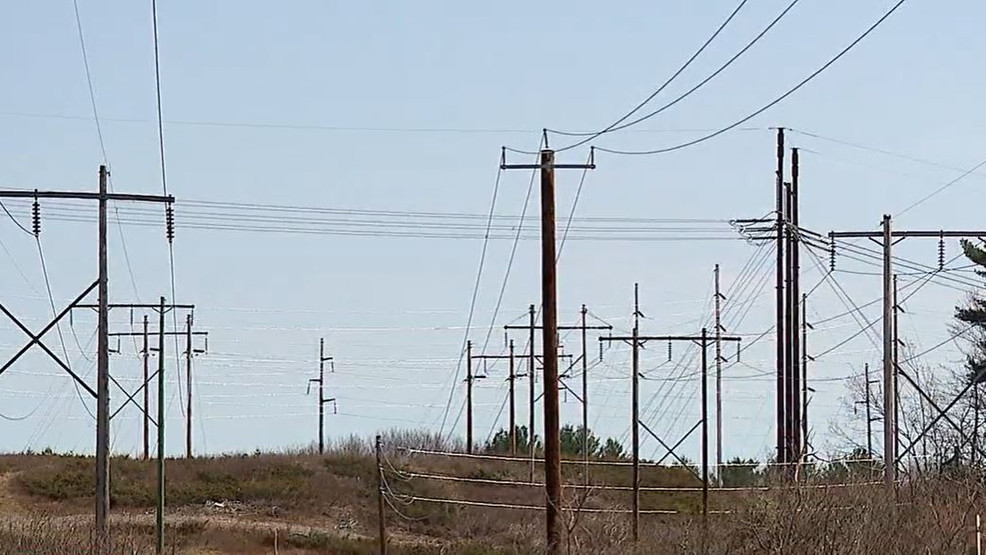
Utility customers in seven PJM states paid $4.4 billion in 2024 for transmission upgrades to support data centers, with costs often shared across all customers due to a regulatory gap. The Union of Concerned Scientists recommends stricter oversight to assign costs directly to the customers causing them, aiming to prevent subsidization and better manage the surge in data center infrastructure.
Mainers are preparing to vote on a groundbreaking proposal to replace the state's two largest electric utilities, Central Maine Power and Versant Power, with a nonprofit utility called Pine Tree Power. The referendum aims to create a utility that is accountable to ratepayers rather than corporate shareholders, potentially leading to lower costs, increased investments in the grid, and improved performance. While supporters argue that the existing utilities have low customer satisfaction and high electricity rates, critics express concerns about potential politicization of the power grid and uncertainties surrounding the buyout process. If successful, this move could set a precedent for other communities considering similar actions against investor-owned utilities.
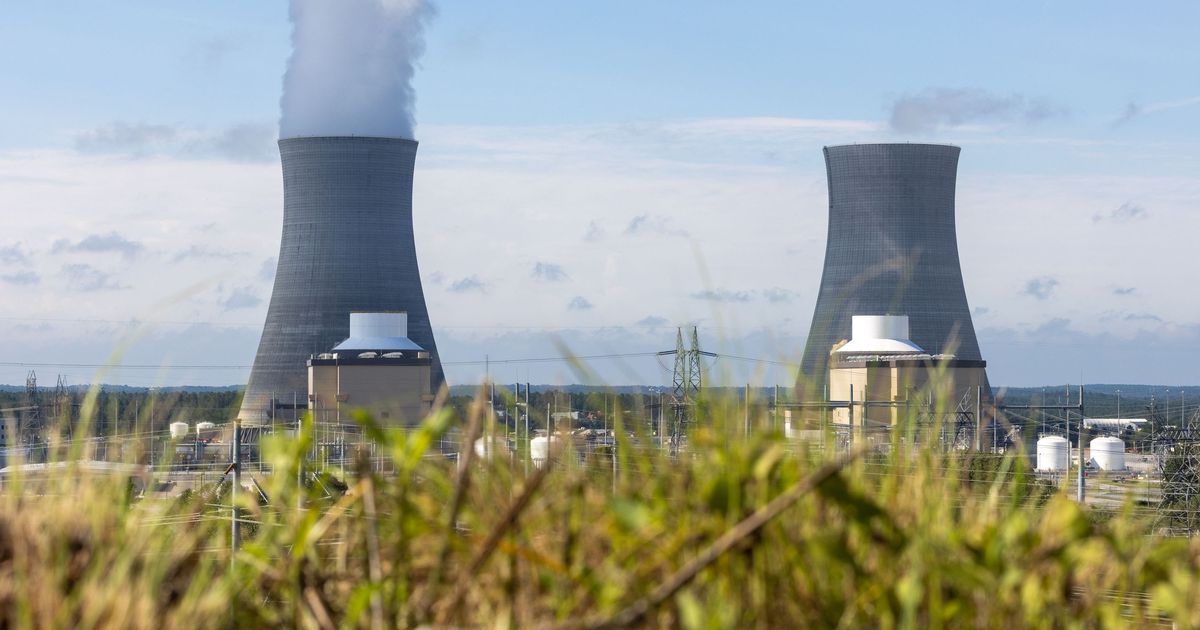
Georgia Power, the Georgia Public Service Commission (PSC) staff, and consumer advocacy groups have reached a tentative agreement that could pass $7.6 billion in remaining costs for the Plant Vogtle expansion on to ratepayers. The agreement, which still needs approval from the PSC commissioners, would allow Georgia Power to collect the outstanding construction costs from customers, with shareholders covering the rest. The average residential customer could see their bills increase by almost $9 per month, and rate hikes would likely remain in place until at least 2025. The final vote on the cost allocation is expected to take place after prudency hearings in the coming months.
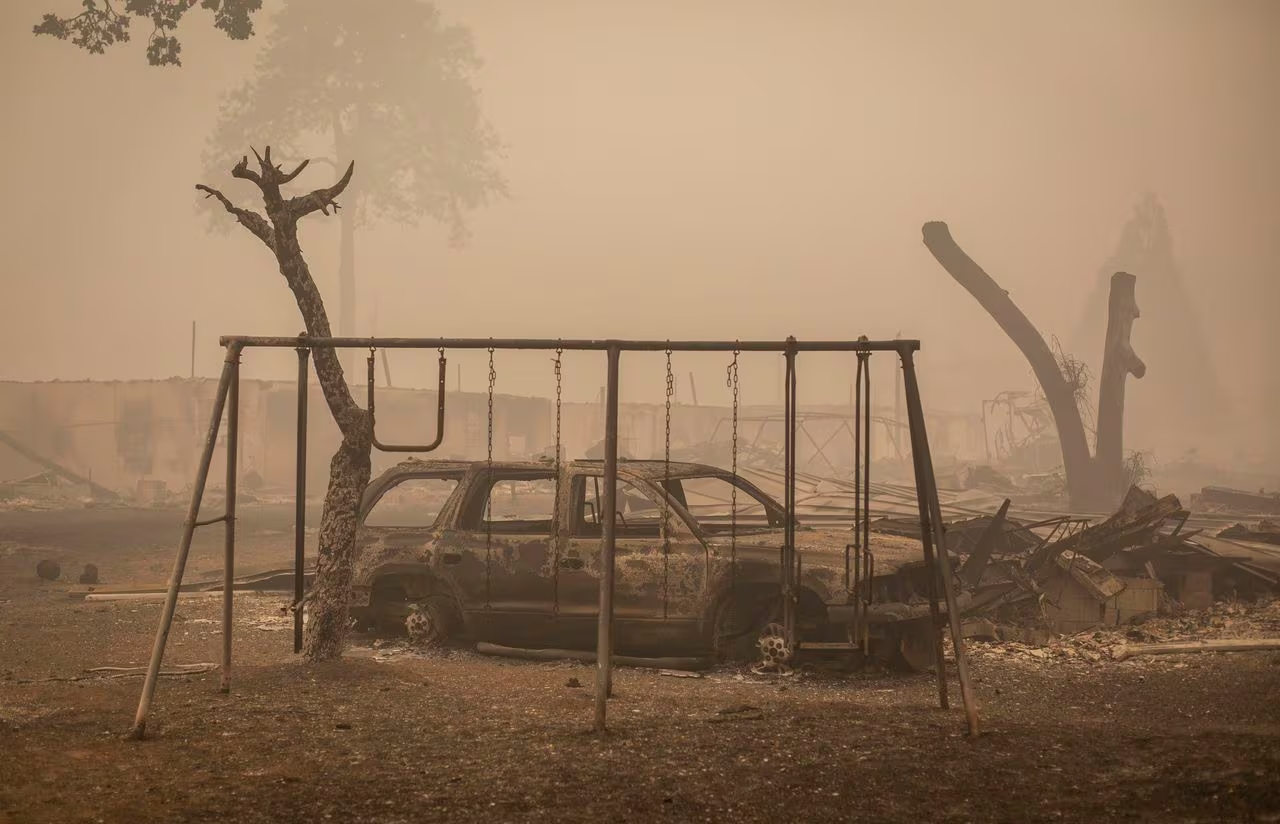
PacifiCorp has filed a request with Oregon regulators to track its costs stemming from wildfire litigation, which could potentially be passed on to customers. The company faces billions of dollars in liabilities after a Multnomah County jury awarded 17 victims of four Labor Day 2020 wildfires $90 million in damages this week. Ratepayer advocates oppose the move, and any decision to allow the company to charge ratepayers would come in a future rate case, where utilities are required to prove that those costs are "prudent and reasonable."