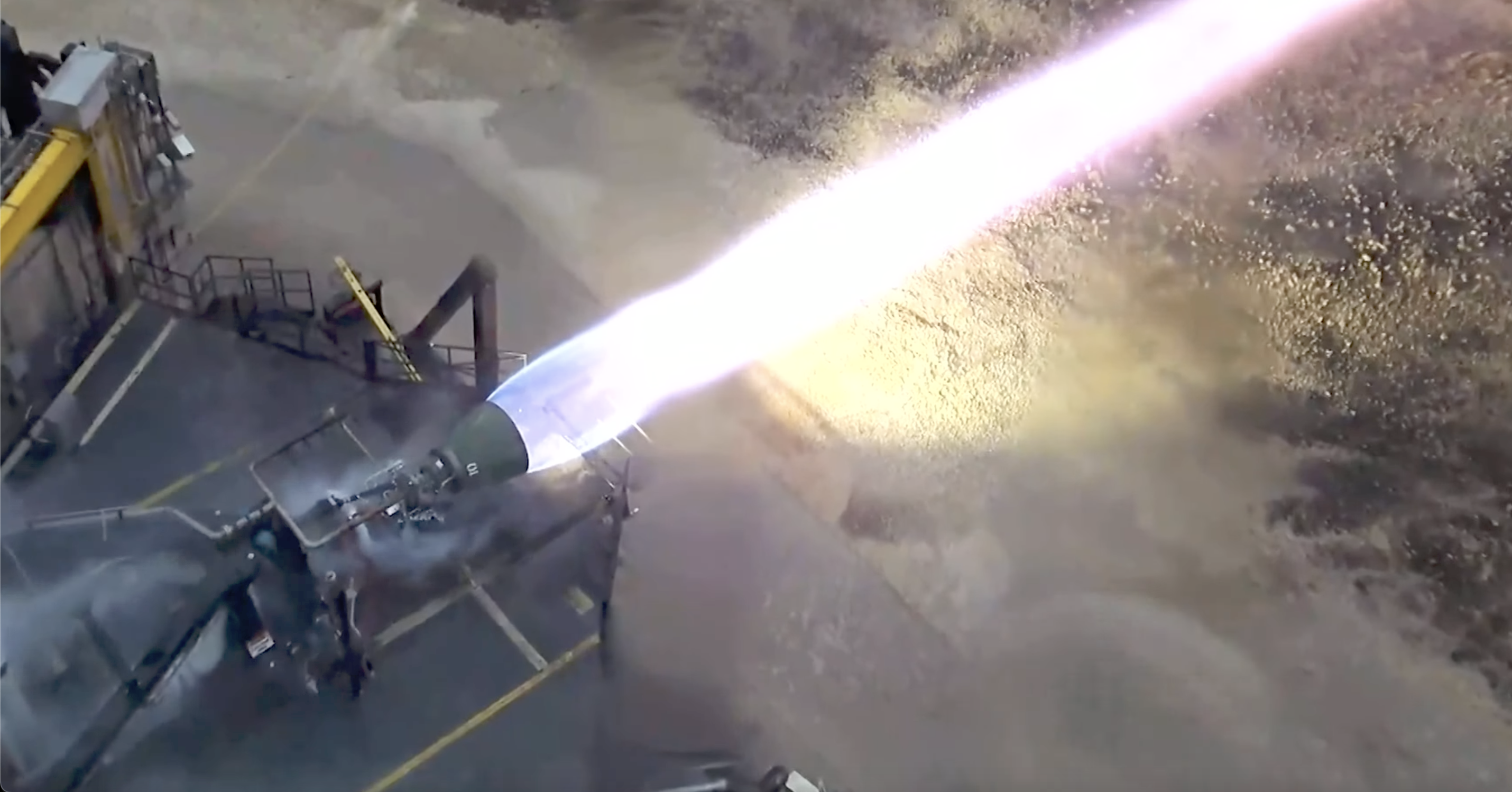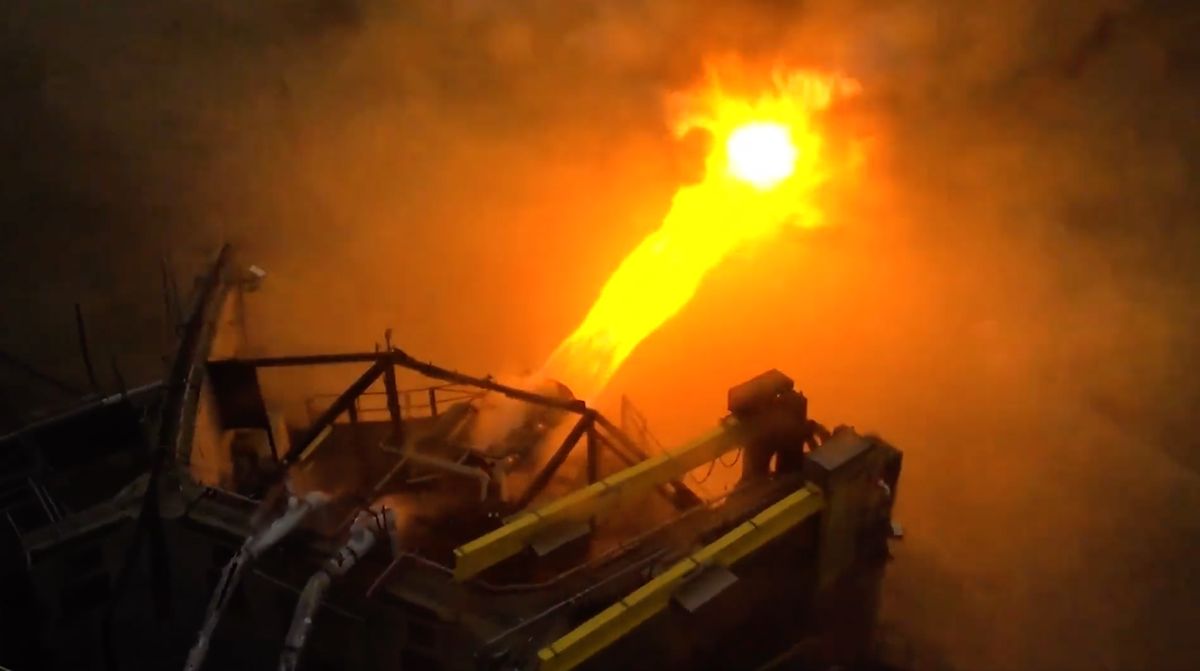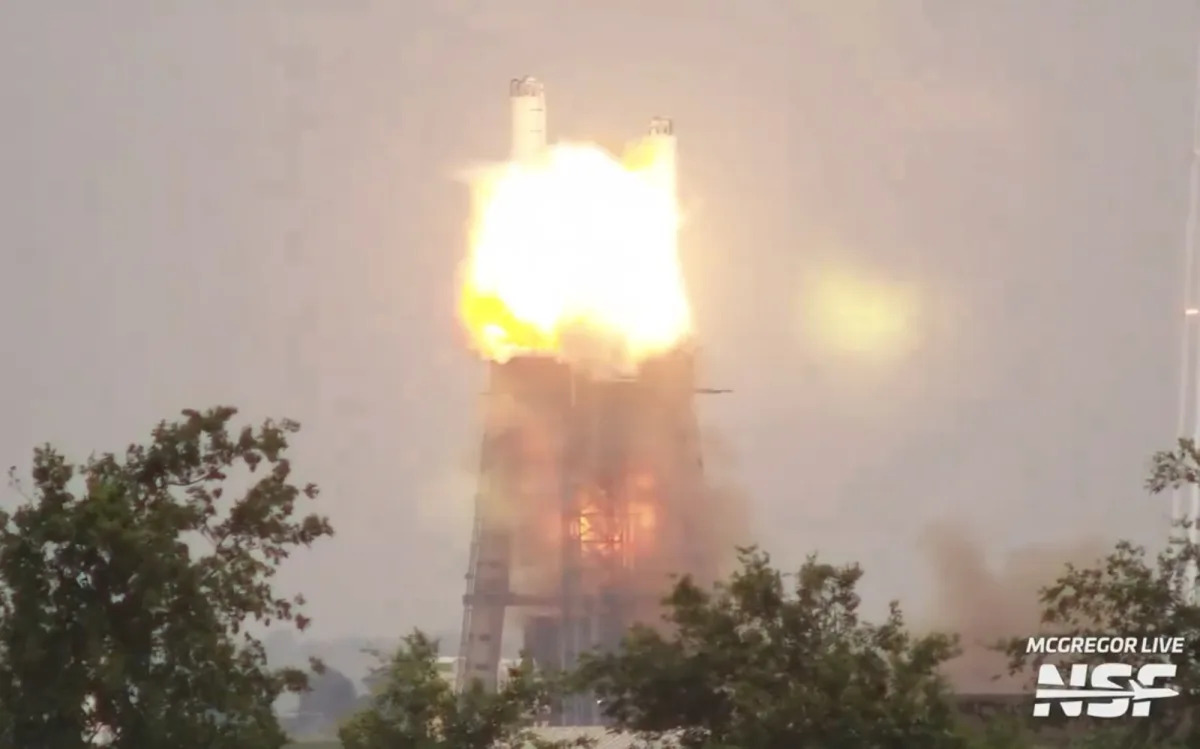
A SpaceX Raptor 2 engine test at the McGregor, Texas facility ended in a fiery explosion due to an anomaly causing vapors to leak and ignite. Despite the incident, SpaceX's upcoming Starship test flight on June 5 is still on schedule, with the company aiming to achieve a soft splashdown for the Super Heavy booster and a controlled entry for the Starship spacecraft.

A SpaceX Starship Raptor engine exploded during a test at the McGregor, Texas facility, highlighting the risks and iterative nature of rocket development. No injuries were reported, and the incident will provide valuable data for improving the engine's design. Despite the setback, SpaceX remains committed to advancing its Starship program for deep space missions.
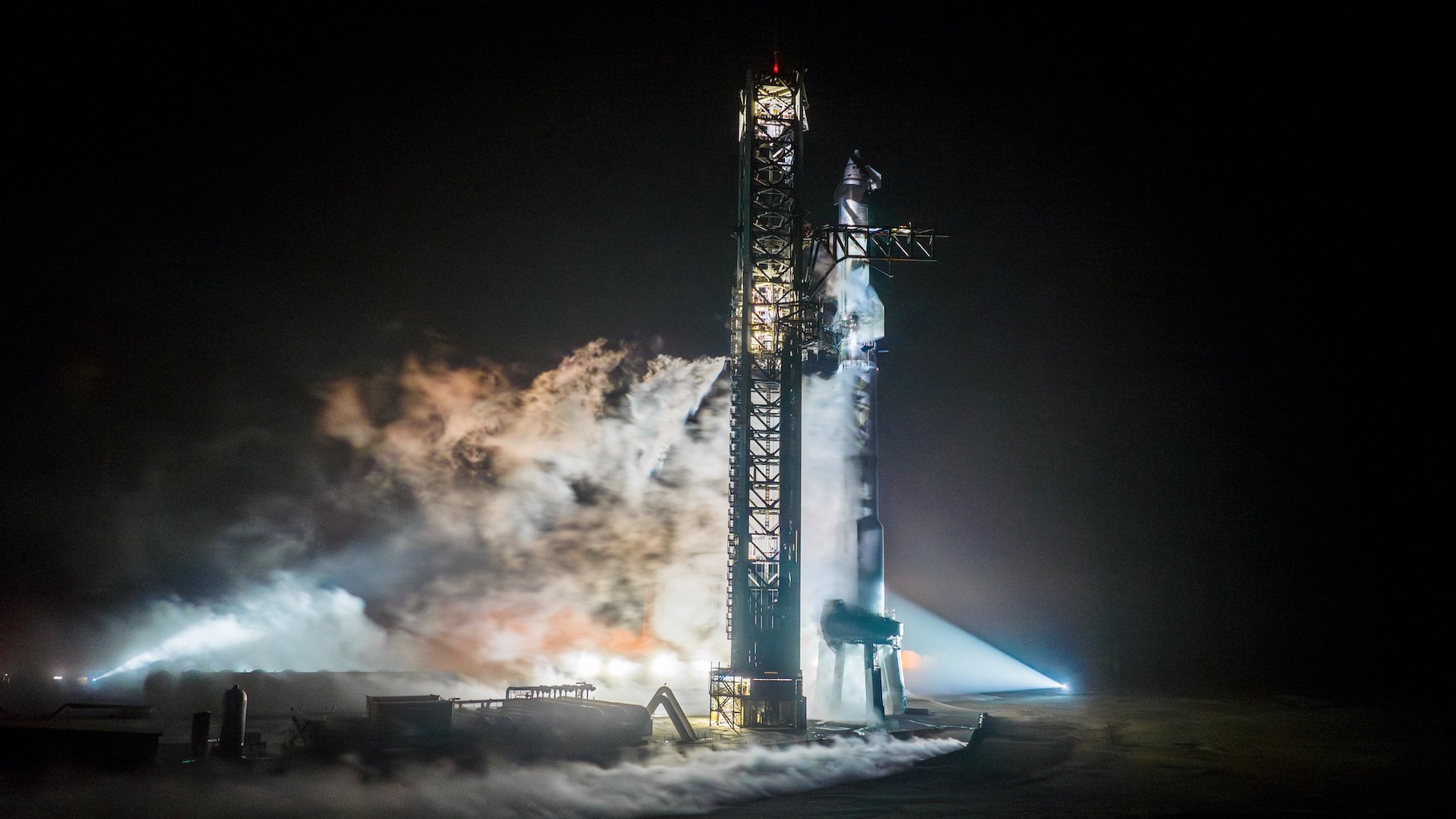
A massive explosion occurred during a Raptor engine test at SpaceX's Boca Chica Starbase in Texas, just days before the planned fourth flight test of the Starship. The explosion, captured on footage, showed flames engulfing the test tower. Despite the setback, there is no indication that the incident will delay the upcoming IFT-4 test flight, as SpaceX has multiple Raptor engines available for testing.
A SpaceX Raptor engine exploded during testing at the company's McGregor, Texas facility, causing a large plume of smoke but no reported injuries. The Raptor engines are used in SpaceX's Starship rocket, which is set for its fourth test flight soon. The Starship aims to support missions to the moon and potentially Mars as part of NASA's Artemis program.
A SpaceX rocket engine test at its McGregor, Texas facility resulted in a fiery explosion, engulfing the test stand in flames. The incident occurred during a Raptor engine test, which is part of SpaceX's Starship development. Despite the explosion, the test stand remained standing, and no updates have been provided by SpaceX regarding the mishap. This follows a smaller anomaly earlier this month during a Starship second stage test.
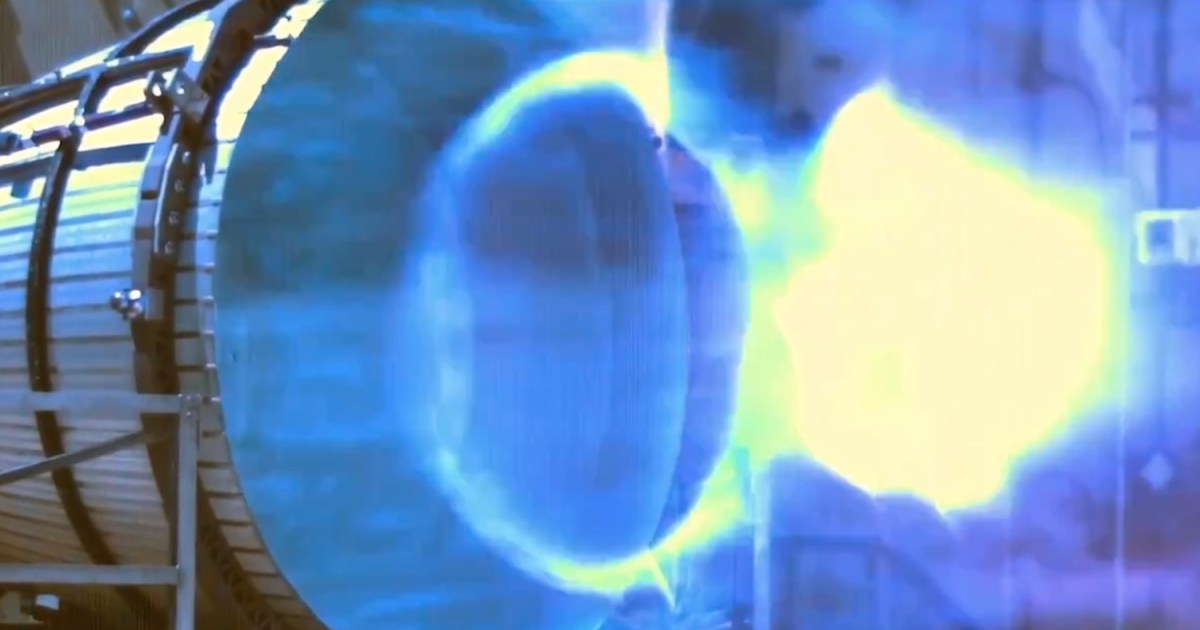
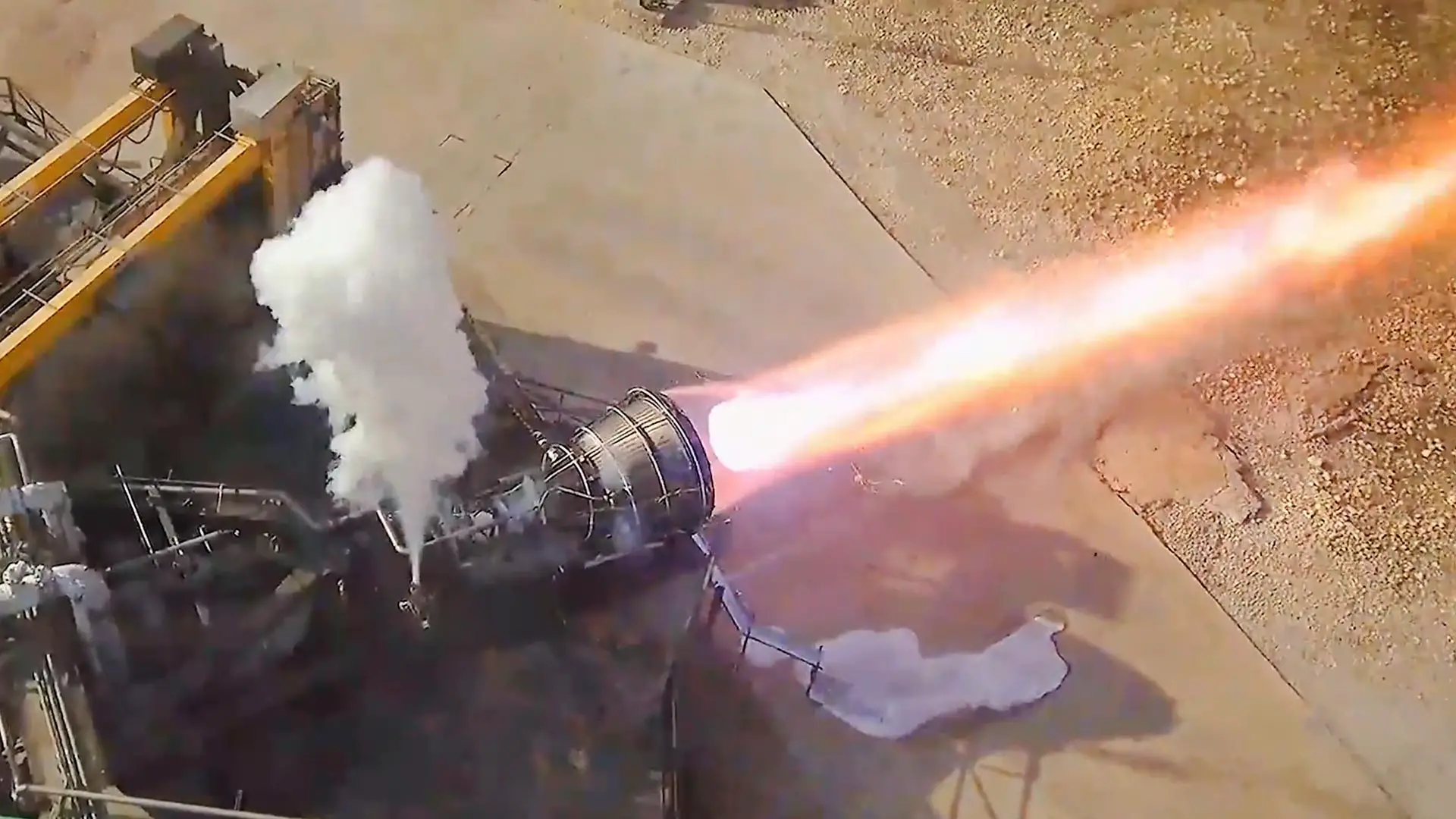
SpaceX has released a slow-motion video showing a Raptor vacuum engine shutting down, revealing visible rings in the exhaust due to flow separation at sea level and low chamber pressures. The Raptor engines power the Starship spacecraft, with six engines for landing and 33 for the Super Heavy rocket. These engines are more powerful than those used by the Falcon 9 rocket and are crucial for SpaceX's ambitious missions, including crewed flights to the moon and potentially Mars in the 2030s.
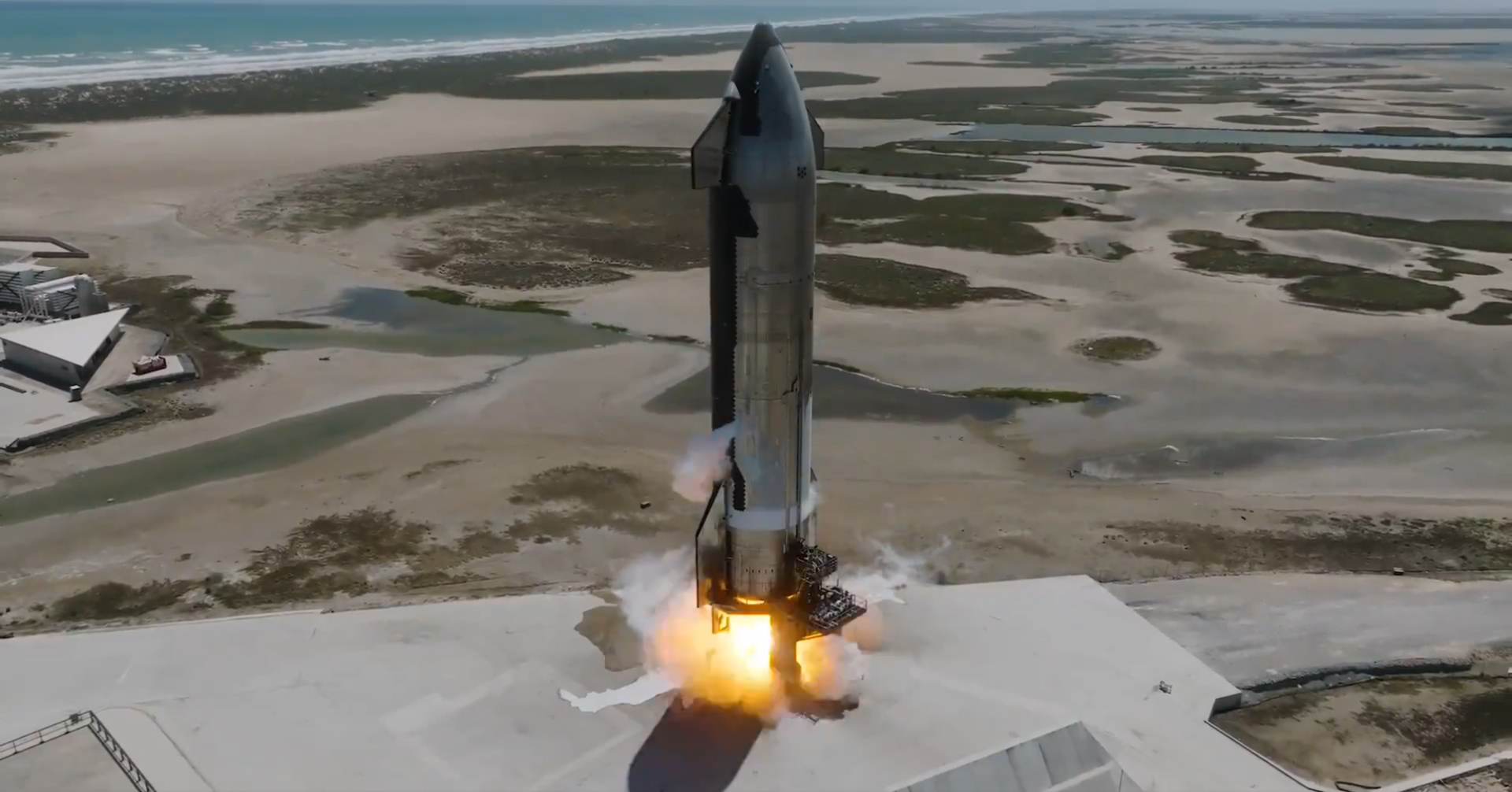
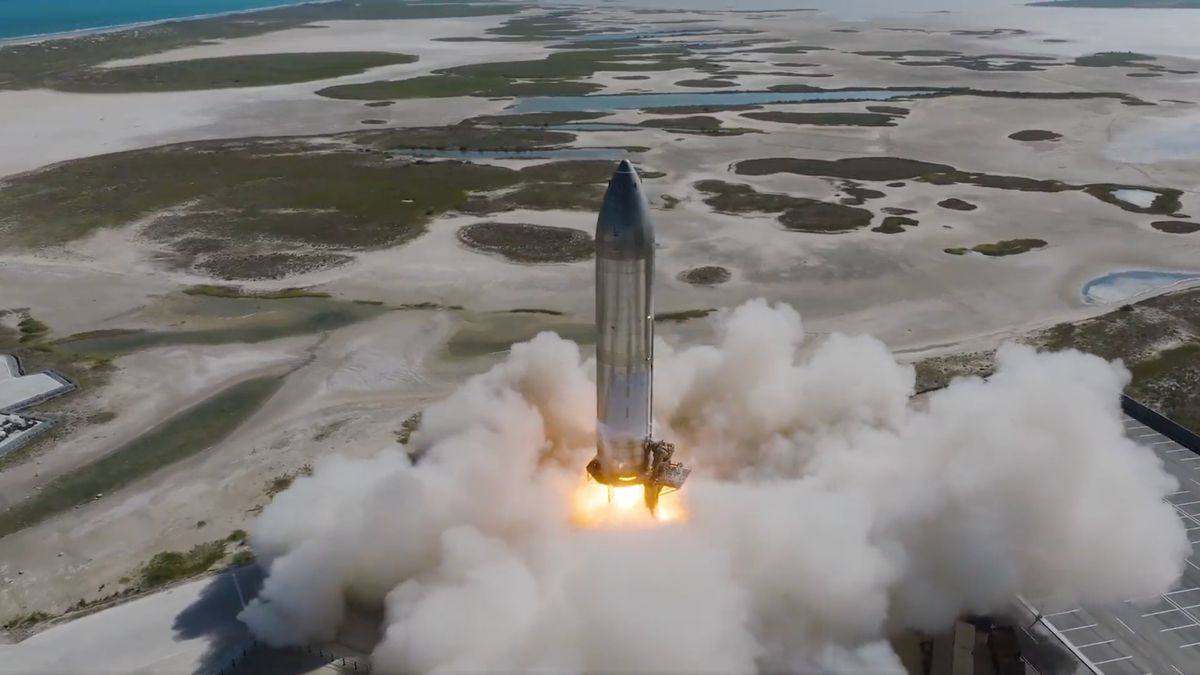
SpaceX conducted another successful static fire test of Ship 29 at Starbase, using a single Raptor engine fueled by the header tank, moving closer to the fourth flight test. Ship 29 will now undergo final preparations ahead of its flight in a couple of months, with only a few heat shield tiles needing replacement. Booster 11 will follow a similar test campaign, including a spin prime test and static fire test, before being moved to the launch site for a potential launch in May.
SpaceX is set to perform the first-ever re-light of the Starship Raptor engine next week, as part of its efforts to reach orbit on the next launch attempt scheduled for April 14. The company has made design changes to the latest Starship prototype in hopes of achieving a successful orbit after previous attempts fell short.
SpaceX conducted a deorbit burn test on its Ship 26 Starship prototype, igniting one of the six Raptor engines. The test is part of the development of Starship, SpaceX's next-generation deep-space transportation system, which aims to be fully and rapidly reusable. The company is preparing for its second-ever Starship test flight, pending regulatory clearance from the U.S. Federal Aviation Administration.
SpaceX's Raptor engine, which will power NASA's Starship Human Landing System (HLS) for lunar missions under the Artemis program, has excelled in recent tests. The engine demonstrated its ability to start in extreme cold conditions and successfully completed a 281-second throttle test, showcasing its capability for the powered descent phase of landing on the Moon. These tests provide NASA with confidence in SpaceX's engine development and readiness for the Artemis III mission. The next step is an integrated flight test of Starship and Super Heavy.
SpaceX has released a video showing a prototype plate being tested against the power of a single Raptor engine. The plate technology is being developed to strengthen the ground beneath SpaceX's Starship orbital launch mount in South Texas. The launch pad took a beating during the first-ever test flight of a fully stacked Starship vehicle on April 20, which sent chunks of broken concrete flying through the air. SpaceX is building multiple Starship vehicles at Starbase and aims to launch the next one soon, pending FAA approval.