New research suggests caffeine may slow cellular aging by activating AMPK, an ancient energy-sensing pathway, which helps cells manage stress, repair DNA, and regulate growth, potentially contributing to health and longevity.
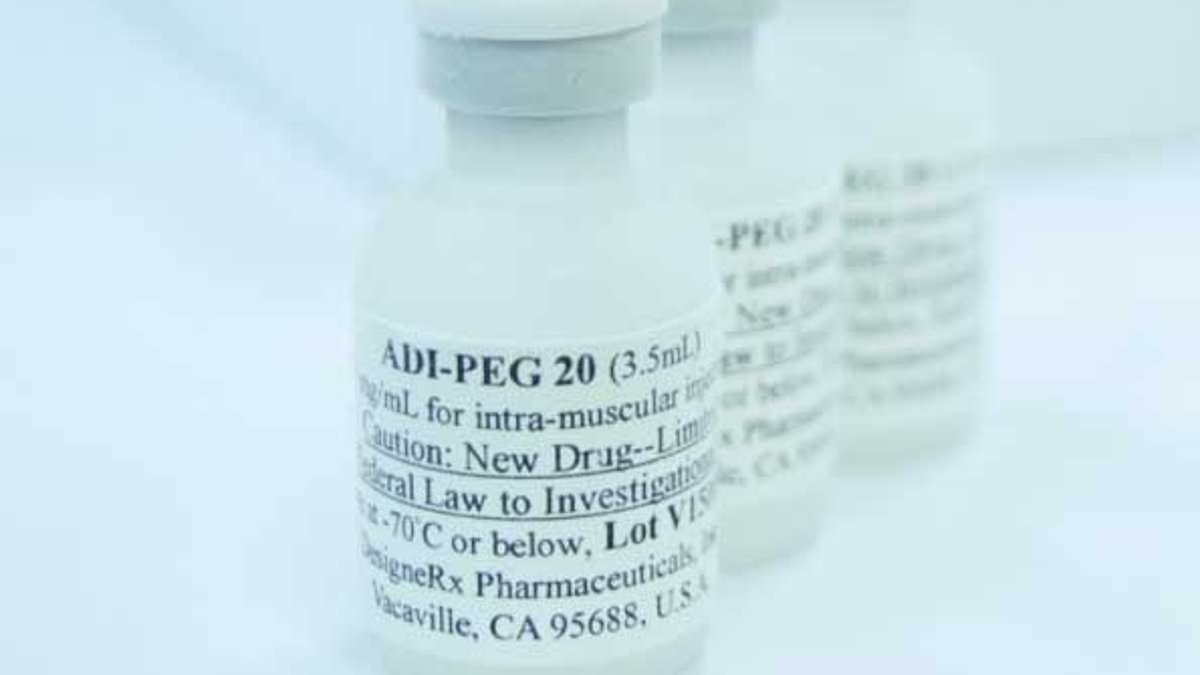
Researchers at Queen Mary University of London have developed a new drug, ADI-PEG20, which has shown promising results in treating mesothelioma, a hard-to-treat and aggressive form of cancer linked to asbestos exposure. The drug, which works by cutting off the tumor's food supply, has quadrupled three-year survival rates and increased average survival by 1.6 months. The study, published in JAMA Oncology, involved 249 patients and found that those who received the new drug alongside chemotherapy survived for an average of 9.3 months, compared to 7.7 months for those who had a placebo and chemotherapy. This breakthrough offers hope to patients with mesothelioma and represents the first successful combination of chemotherapy with a drug that targets cancer's metabolism developed for this disease in 20 years.
Scientists at Queen Mary University in the UK have developed a new drug, ADI-PEG20, which has shown promising results in treating mesothelioma, a deadly cancer caused by asbestos exposure. The drug, which works by cutting off the tumor's food supply, has quadrupled three-year survival rates and increased average survival by 1.6 months. This breakthrough marks the first successful combination of chemotherapy with a drug that targets cancer's metabolism for this disease in 20 years, offering hope for improved treatment outcomes for mesothelioma patients.
Scientists at Queen Mary University of London have developed a new drug, ADI-PEG20, which has shown promising results in treating mesothelioma, a hard-to-treat and aggressive form of cancer. The drug, which works by cutting off the tumor's food supply, has quadrupled three-year survival rates and increased average survival by 1.6 months. This breakthrough marks the first successful combination of chemotherapy with a drug that targets cancer's metabolism for this disease in 20 years, offering hope to patients and the medical community.