The AI boom is positively impacting memory chip companies like Micron, which reported a strong quarter leading to analyst upgrades, including from Bank of America, as the industry benefits from increased demand for AI-related hardware.

Accenture exceeded Wall Street revenue expectations in Q1, driven by strong demand for AI-driven IT services and strategic partnerships with AI startups, despite some challenges in the public sector. The company reported $18.74 billion in revenue, surpassing estimates, and plans to continue its AI expansion, though it forecasted slightly lower revenue for the next quarter.
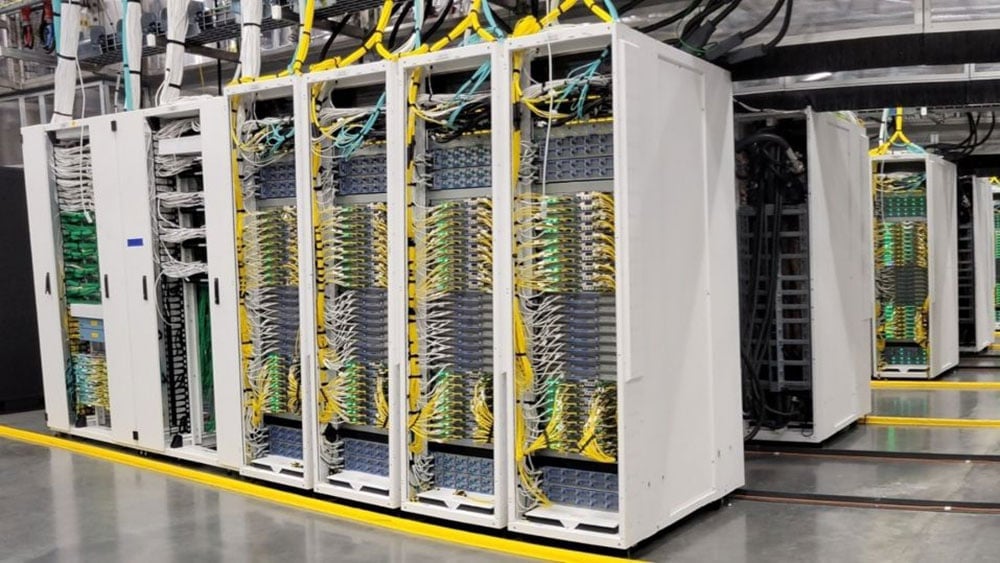
CoreWeave reported a strong quarter with a 50% revenue increase and a backlog exceeding $55 billion, driven by high AI demand and major deals with Meta and OpenAI. However, construction delays at a key data-center provider led to a trimmed 2025 outlook and a temporary stock decline, prompting CEO Michael Intrator to defend the results and downplay the impact of the setbacks.
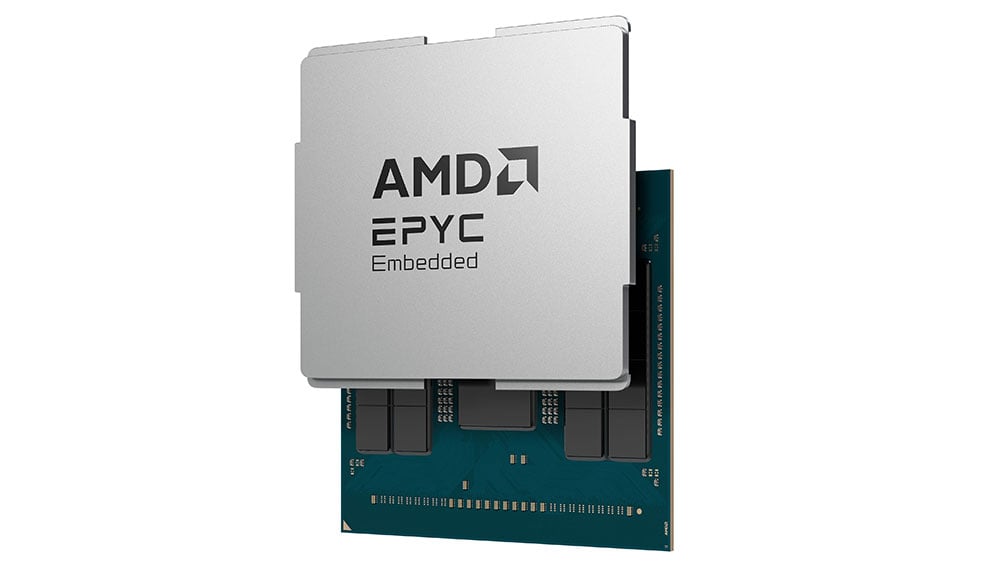
AMD beat Wall Street's earnings and revenue estimates for Q3, driven by strong PC and gaming chip sales, and provided a positive outlook for Q4, but its stock declined slightly after hours due to profit-taking and market reactions.
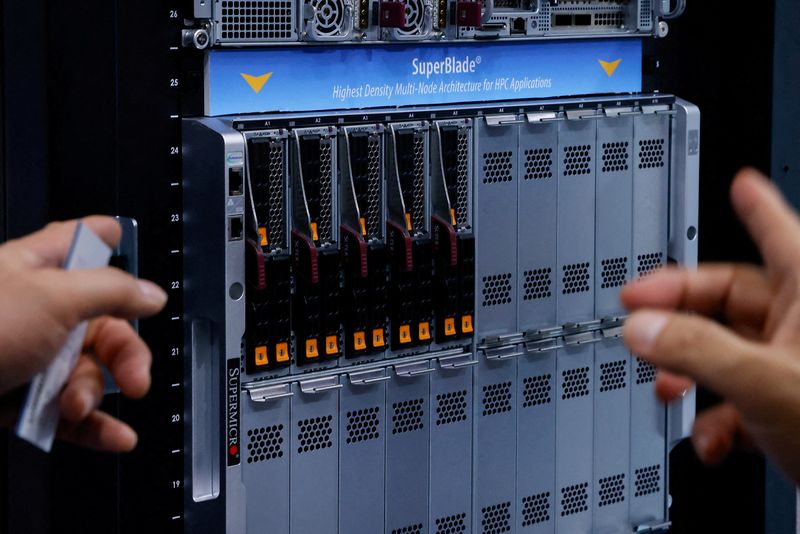
Super Micro reported disappointing Q1 results with lower-than-expected sales and earnings but raised its full-year sales forecast to $36 billion. Meanwhile, AMD exceeded expectations in Q3 with strong sales and guidance, driven by demand for CPUs and strategic partnerships, despite shares dipping slightly after hours.
Super Micro Computer missed quarterly profit and revenue estimates due to delivery delays in AI deals and increased market competition, causing shares to fall over 9%. Despite this, the company raised its full-year revenue forecast to $36 billion, citing growth in data center demand and strategic collaborations with Nvidia.
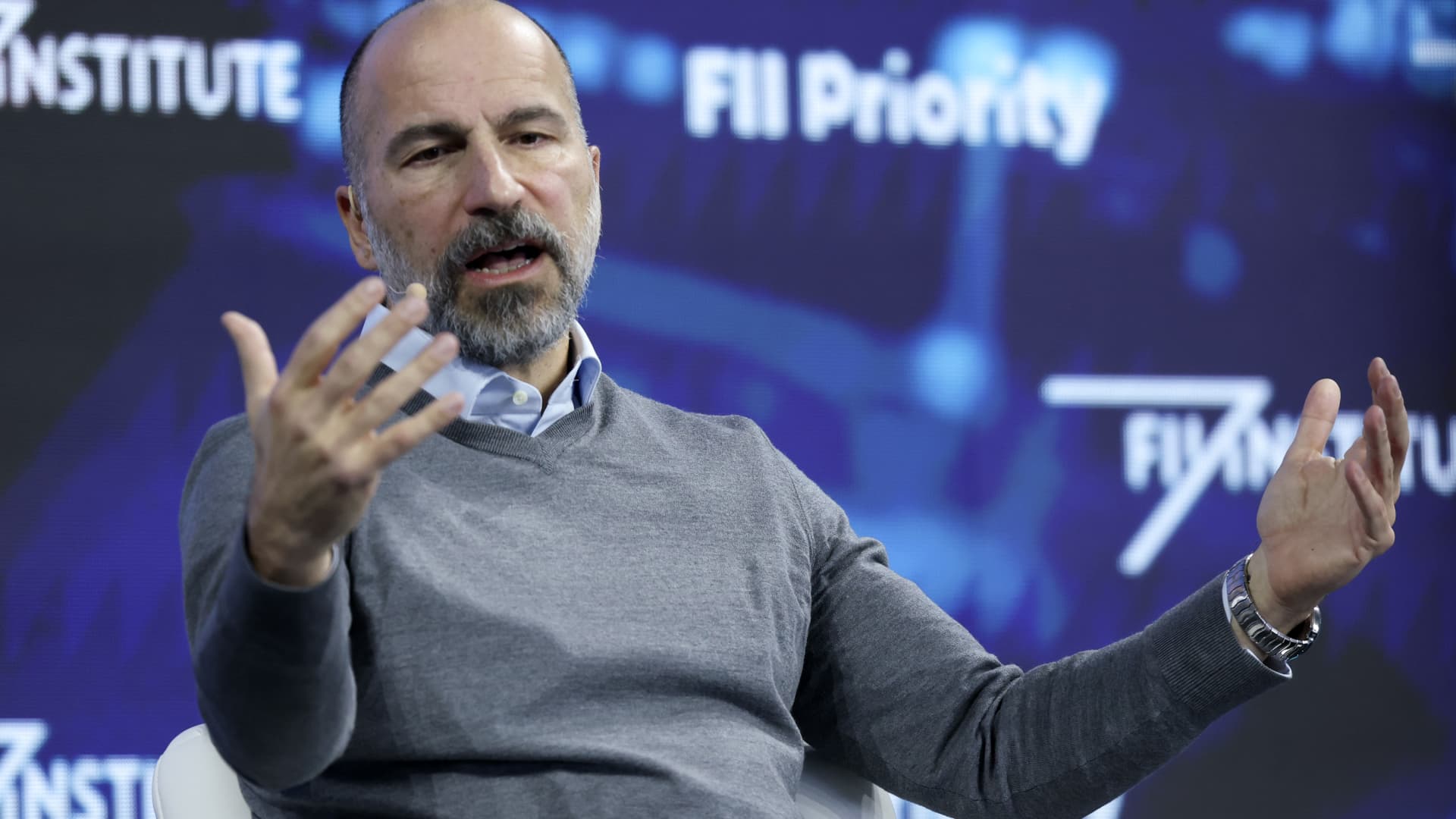
Uber's stock fell 4% despite beating revenue expectations in Q3, with revenue up 20% year-over-year to $13.47 billion, driven by strong growth in trips and bookings. The company reported a net income of $6.6 million, including significant tax benefits, and forecasted continued growth in gross bookings and EBITDA for Q4. CEO Dara Khosrowshahi highlighted innovation and AI as key drivers of ongoing expansion, with a focus on internal development and strategic acquisitions.
Microsoft exceeded Wall Street's expectations in its fiscal first quarter driven by strong growth in cloud computing and AI services, with a 23% increase in earnings and an 18% rise in sales, though its stock fell slightly in after-hours trading.
Intel's Q3 report exceeded expectations with increased revenue, improved profitability, and a stronger balance sheet, signaling signs of a turnaround despite ongoing challenges like supply constraints and yield issues in new manufacturing processes. The company's focus on data center growth and upcoming product launches suggests potential long-term gains, though short-term hurdles remain.
IBM exceeded Wall Street estimates in Q3 with strong revenue growth and raised its full-year guidance, driven by AI tailwinds, but its stock fell 5% after hours.
Goldman Sachs reported a 37% increase in third-quarter profit to $4.1 billion, surpassing analyst expectations, driven by strong performance in trading, dealmaking, and asset management, although shares slightly declined in premarket trading.
Costco's recent quarterly results were not perfect, but most key investor metrics remained strong, indicating solid financial health despite some shortcomings.
Costco exceeded quarterly revenue and profit estimates driven by strong demand for affordable essentials amid economic pressures, with increased membership fees and a focus on value offerings boosting sales and customer loyalty.
SEC's new policies under Paul Atkins aim to modernize corporate reporting and arbitration practices, emphasizing flexibility and investor interests, while facing mixed reactions from industry stakeholders.
Wall Street regulators are moving to eliminate the requirement for companies like Apple, Nvidia, and Tesla to report quarterly earnings, potentially changing how these companies disclose financial information and impacting investor expectations.