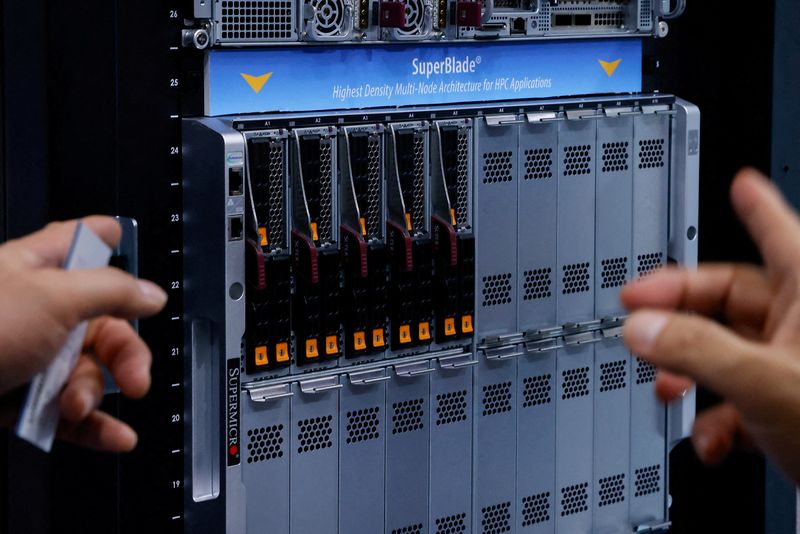
Super Micro's shares rose 5.7% after unveiling a new high-density server designed for AI and high-performance computing, featuring advanced cooling and increased computing power, amid a volatile market and shifting investor sentiment towards AI infrastructure stocks.
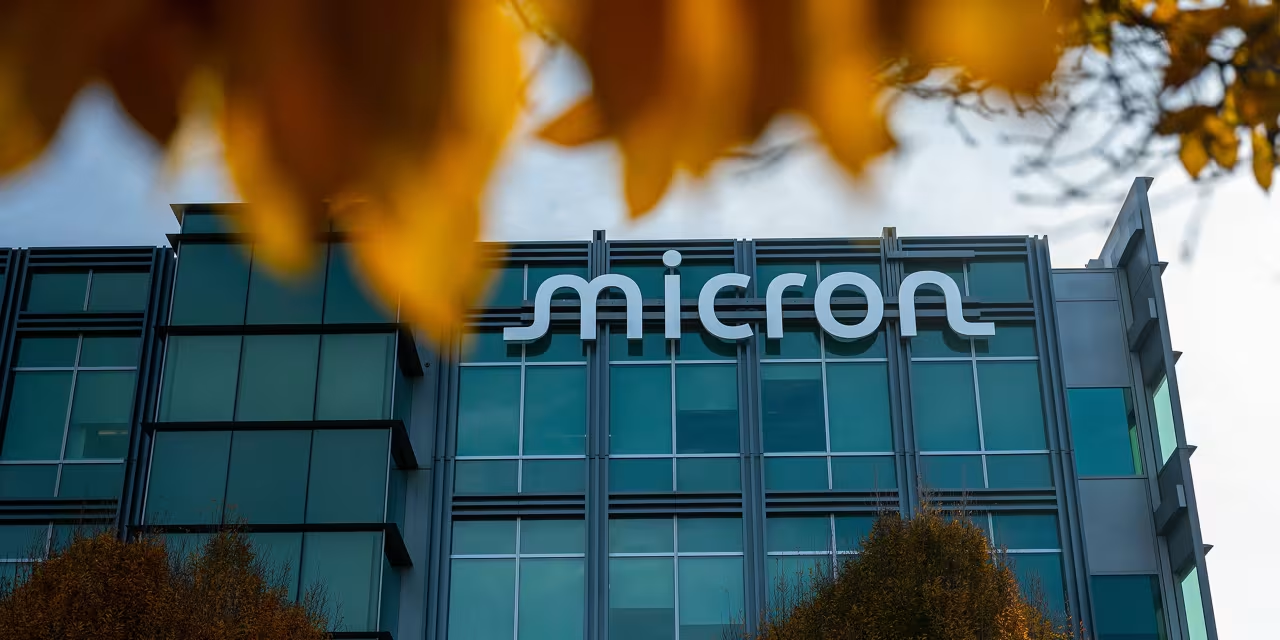
Micron's strong earnings and high demand for high-bandwidth memory (HBM) due to AI server growth indicate a looming global memory chip shortage in 2026, which could lead to increased costs and supply constraints across various electronic devices, reminiscent of the 2020-2021 chip crisis.
Super Micro Computer missed quarterly profit and revenue estimates due to delivery delays in AI deals and increased market competition, causing shares to fall over 9%. Despite this, the company raised its full-year revenue forecast to $36 billion, citing growth in data center demand and strategic collaborations with Nvidia.
Supermicro unveiled new AI-optimized servers and systems at an event in Madrid, highlighting collaborations with Nvidia and other tech giants, and positioning itself as a key player in the growing AI infrastructure market, with its stock surging over 50% year-to-date.
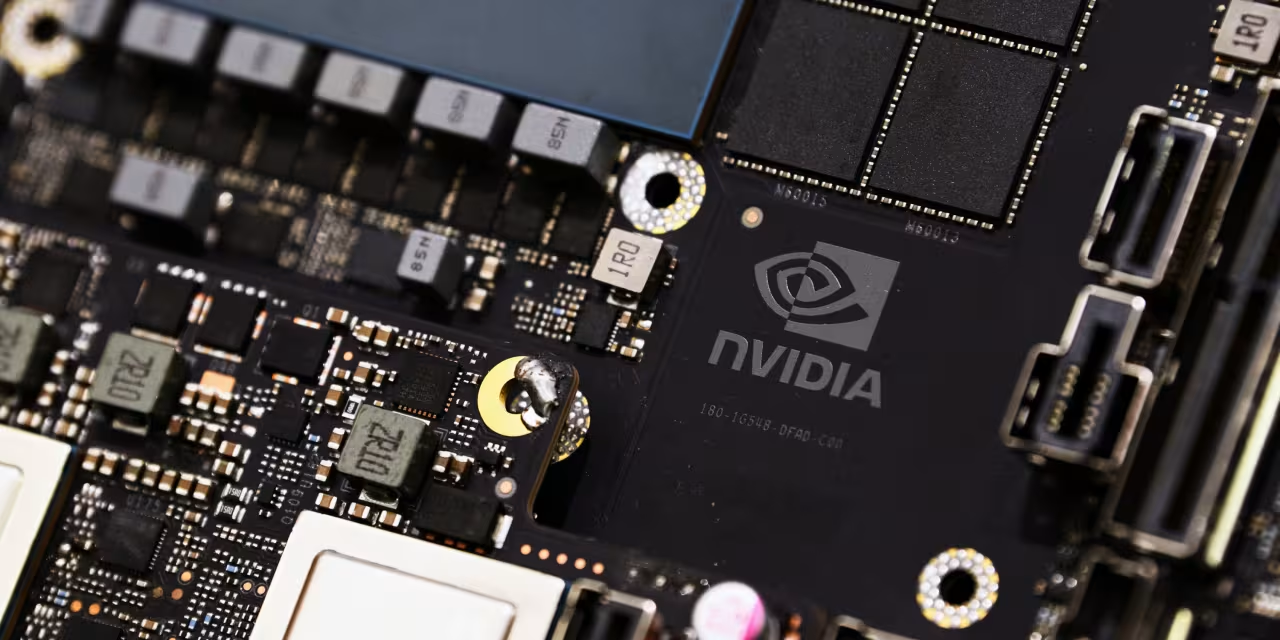
Nvidia's stock increased slightly as its new AI server systems, particularly the GB300 NVL72 racks, see large-scale shipments through partner Super Micro Computer, boosting revenue prospects, despite challenges in resuming chip sales in China due to government restrictions.
Dell Technologies reported better-than-expected Q2 earnings driven by strong AI server demand, but issued a cautious Q3 outlook, leading to a 4.1% drop in its stock price after hours. Revenue from its Infrastructure Solutions Group exceeded expectations, while Client Solutions Group revenue missed estimates, contributing to the stock's decline amid broader concerns over tariffs and consumer purchasing power.
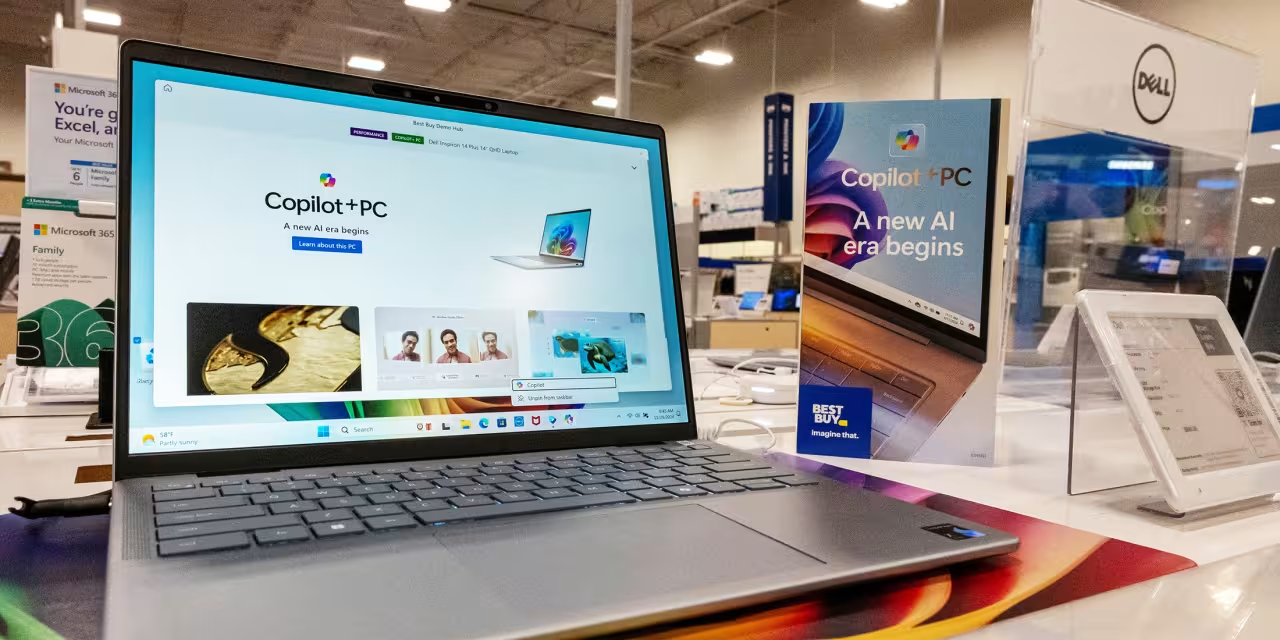
Dell Technologies raised its annual revenue and profit forecasts driven by strong demand for AI-optimized servers powered by Nvidia chips, expecting $20 billion in AI server revenue for 2026 and an overall revenue of up to $109 billion, despite a slightly lower profit outlook for the third quarter. The company's infrastructure solutions saw significant growth, and a PC refresh cycle is expected to boost demand for Dell's products. Shares fell over 4% in extended trading after the profit outlook missed estimates.
Super Micro Computer (SMCI) faces limited upside due to disappointing Q4 results, ongoing challenges like execution risks and margin pressures amid fierce competition, and cautious analyst outlooks. Despite long-term growth prospects driven by AI server demand, near-term uncertainties and competitive pressures have led Wall Street to maintain a hold rating with a modest 7% upside potential from current levels.
Super Micro's shares fell after lowering its revenue and profit forecasts for the fiscal year, citing weaker demand and pricing pressures in AI server markets, especially with Nvidia chips, raising concerns about its ability to capitalize on AI growth despite previous optimism and a significant stock surge this year.
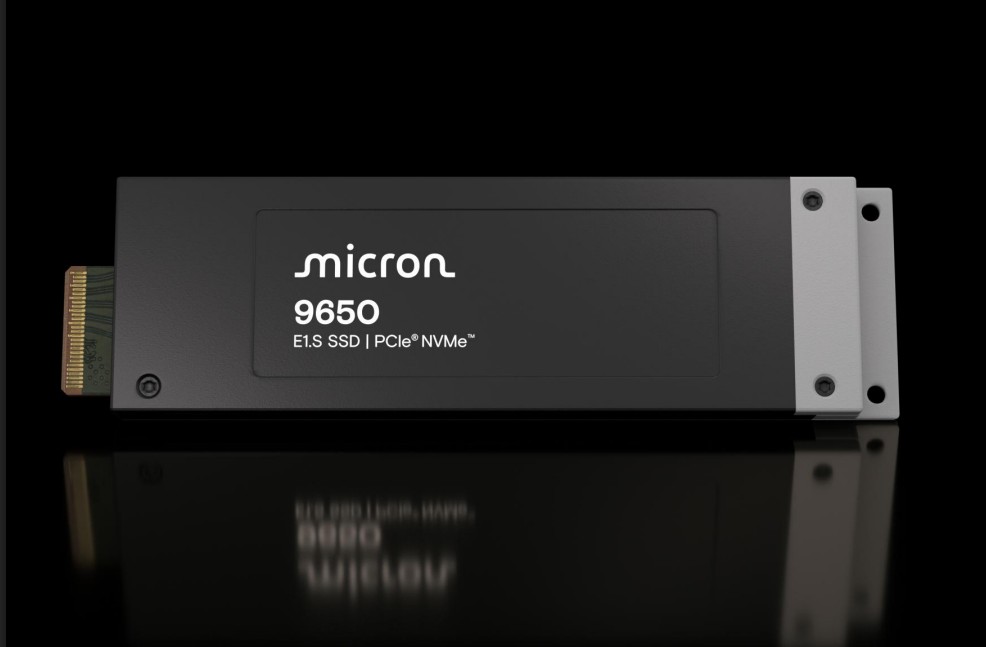
Micron announced three new SSDs: the high-performance PCIe Gen6 Micron 9650 for AI servers, the capacity-optimized Micron 6600 ION reaching up to 122TB for data centers, and the mainstream Micron 7600 PCIe Gen5 SSD, offering a range of options for different needs, with significant speed and capacity improvements across the lineup.
Super Micro Computer's stock has rebounded 39% since a sharp decline following President Trump's tariffs announcement, driven by strong demand for AI servers and international deals, with analysts raising price targets and highlighting ongoing growth in data-center and AI chip markets.
CoreWeave, a data center rental company backed by Nvidia, has seen its stock soar 227% following strong financial results and strategic deals, positioning itself as a competitor to major cloud giants like Amazon and Google in the AI hardware space, amid growing investor interest and Nvidia's increased stake.
Dell reported mixed Q1 results with earnings below expectations but sales above estimates and issued an optimistic outlook for the current quarter and fiscal 2026, driven by strong demand for AI-optimized servers. Its stock rose after hours, while peer HP's stock declined due to tariff-related costs impacting earnings.
Dell Technologies exceeded earnings expectations driven by a $14 billion AI backlog, with plans to ship $7 billion worth of AI servers this quarter, leading to a significant stock increase and optimistic full-year guidance.