SEC's new policies under Paul Atkins aim to modernize corporate reporting and arbitration practices, emphasizing flexibility and investor interests, while facing mixed reactions from industry stakeholders.
Google has reportedly spent 15 years concealing its internal communications, raising concerns about privacy and transparency within the company. This revelation highlights potential legal and ethical issues surrounding how Google manages and protects its internal conversations.
U.S. Treasury Secretary Janet Yellen announced that over 100,000 small businesses have registered with the beneficial ownership database, but the numbers are lower than projected. The new reporting requirement, part of the 2021 Corporate Transparency Act, aims to disclose the true owners of companies to prevent illicit activities. The Treasury is pleased with the filing rate and expects numbers to grow as more businesses become aware of the rule. The rule will make the registry available to law enforcement to expedite investigations into activities such as drug trafficking and tax evasion.
Treasury Secretary Janet Yellen announced that 100,000 businesses have joined a new database collecting "beneficial ownership" information to unmask shell company owners, emphasizing the U.S.'s commitment to preventing illicit financial activities. The database, part of the Biden administration's push for corporate transparency, is a result of the bipartisan Corporate Transparency Act. Yellen also discussed upcoming real estate rules to increase transparency and address money laundering risks. Despite legal challenges, Yellen emphasized the benefits of corporate transparency in protecting national security and the economy.
Treasury Secretary Janet Yellen announced that 100,000 businesses have joined a new database collecting beneficial ownership information to unmask shell company owners, emphasizing the U.S.'s commitment to preventing the misuse of shell companies and money laundering. The database, established as part of the Corporate Transparency Act, requires most U.S. firms to report identifying information about their owners or controllers. Yellen also discussed upcoming real estate rules aimed at increasing transparency in property ownership, highlighting the importance of corporate transparency in protecting national security and the economy.
Treasury Secretary Janet Yellen announced that 100,000 businesses have joined a new database collecting "beneficial ownership" information to unmask shell company owners, emphasizing the U.S.'s commitment to preventing illicit financial activities. The database, part of the government's effort to increase corporate transparency, was launched as a result of the bipartisan Corporate Transparency Act. Yellen also discussed upcoming real estate rules aimed at increasing transparency in property transactions. Despite legal challenges, Yellen emphasized the importance of corporate transparency in protecting national security and economic interests.
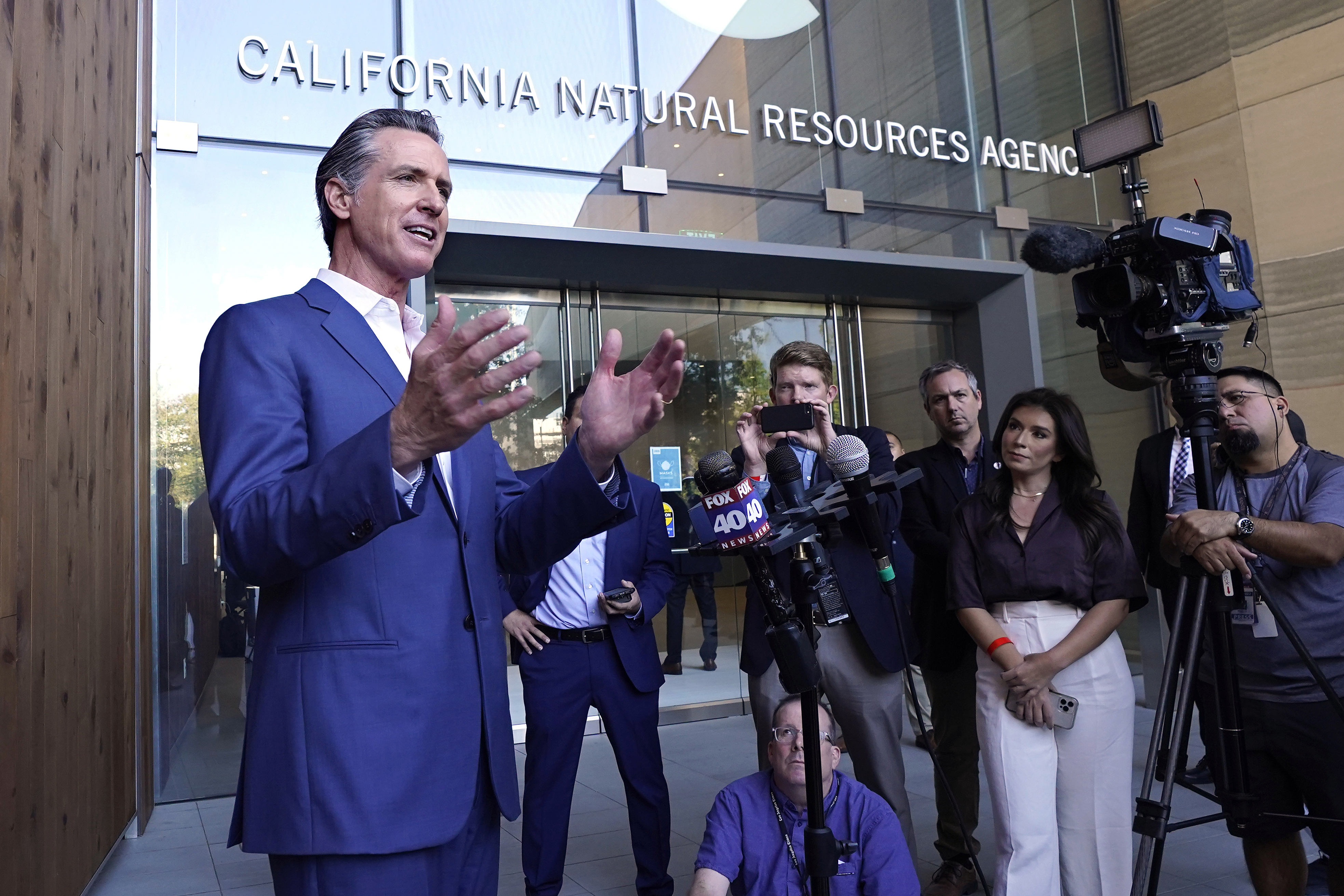
California Governor Gavin Newsom announced his intention to sign two major bills aimed at increasing corporate climate disclosure. The first bill, CA SB253, would require companies earning at least $1 billion per year and operating in California to disclose their emissions. The second bill, CA SB261, would mandate large corporations to disclose their climate-related financial risks. These bills could have a significant impact on corporate transparency and climate risk assessment, potentially influencing national regulations. The legislation goes beyond proposed federal rules by including privately held companies and requiring full disclosure of supply chain emissions.
California legislators have passed a bill that would require large companies operating in the state to disclose their carbon dioxide emissions, including emissions from their supply chains and customer usage. If signed into law, it will be the first mandate of its kind in the United States. The bill aims to make California a global leader in corporate carbon transparency and push companies to design products with lower pollution and encourage suppliers to reduce their emissions. The Securities and Exchange Commission (SEC) has also proposed similar federal rules, but they have faced delays and opposition from companies. The bill now awaits Governor Gavin Newsom's signature.
California lawmakers have passed legislation that would require major corporations, including oil and gas companies and retail giants, to disclose their direct and indirect greenhouse gas emissions. The bill aims to increase transparency and encourage companies to evaluate ways to reduce their emissions. The legislation, which still needs final approval from the state Senate and Governor Gavin Newsom, has garnered support from companies like Patagonia and Apple, as well as climate experts. However, opponents argue that the bill is burdensome and could lead to higher prices for consumers. If approved, the legislation could set a precedent for other states and potentially influence federal regulations on emissions disclosure.
The US, along with more than 20 other countries, has committed to enhancing corporate transparency by establishing a beneficial ownership registry to combat corruption and deter dirty money from entering the country. The registry will contain personal information on the owners of at least 32 million US businesses. Treasury Secretary Janet Yellen pledged to maintain the database and ensure that law enforcement will have access while protecting individuals' personal data. The US is making the push to combat illicit finance, in part, as a response to Russia's invasion of Ukraine.