A new study explains how the quantum resonance of carbon dioxide (CO2) molecules plays a significant role in trapping heat and contributing to global warming. The study reveals that the unique vibrational patterns of CO2, known as Fermi resonance, broaden the range of radiation absorbed by the molecules, enhancing their warming effect. This discovery sheds light on the molecular mechanism behind CO2's impact on Earth's climate and may also aid in understanding the climates of other planets.
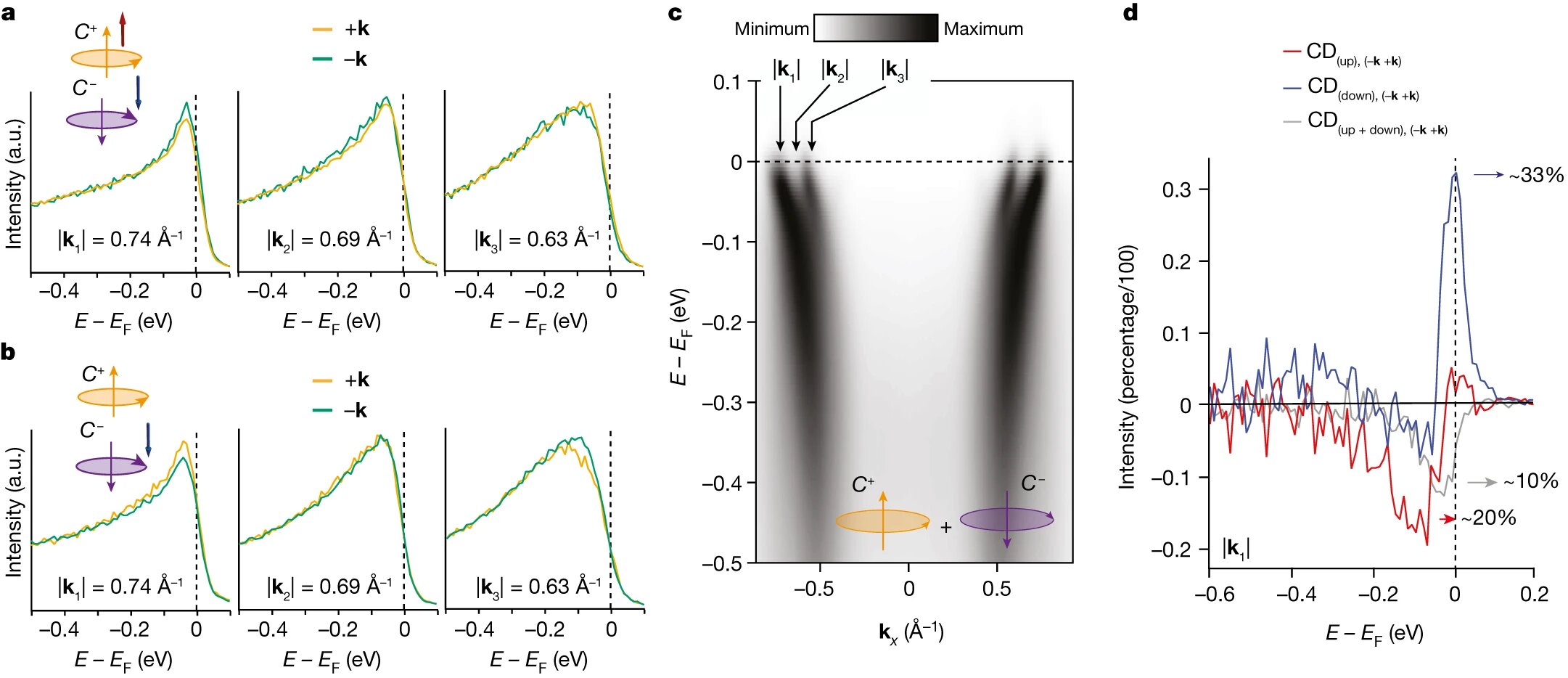
An international research group has discovered a new state of matter characterized by the existence of a quantum phenomenon called chiral current, which is generated on an atomic scale by a cooperative movement of electrons. This discovery significantly enriches our knowledge of quantum materials and may lead to the development of new electronics employing chiral currents as information carriers, as well as new chiral optoelectronic devices with implications for quantum technologies, sensors, biomedical, and renewable energy fields. The study verified the existence of this quantum state for the first time, paving the way for the development of new ultra-thin electronic devices and revolutionizing quantum physics and technology development.
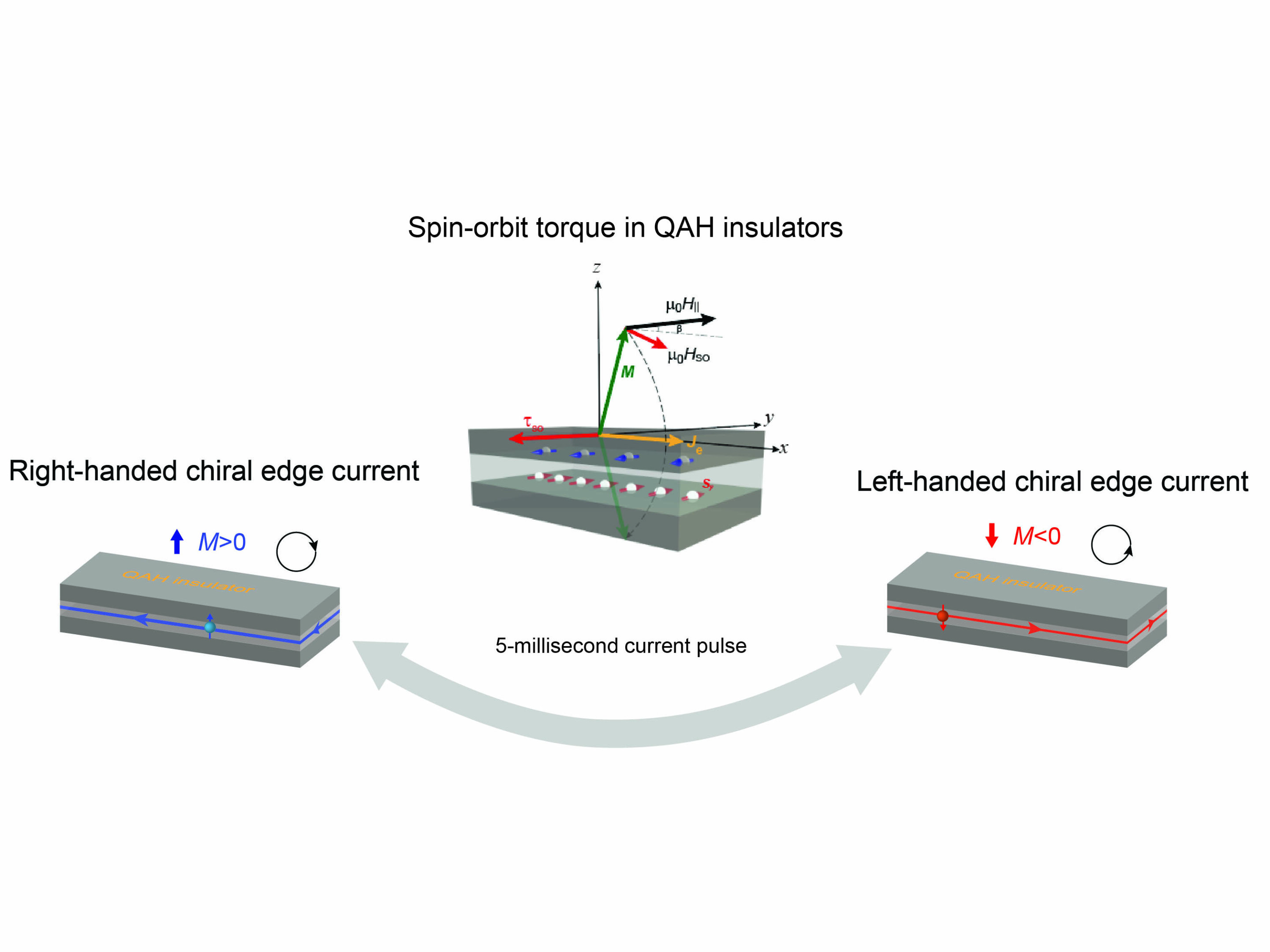
Researchers at Penn State have developed a new electrical method to control the direction of electron flow in quantum materials that exhibit the quantum anomalous Hall (QAH) effect. By applying a five-millisecond current pulse, the internal magnetism of the material is impacted, causing the electrons to change directions. This method could have implications for the development of next-generation electronic devices and quantum computers, improving the efficiency of information transfer and storage in quantum technologies. The researchers are also exploring how to pause electrons on their route and replicate the QAH effect at higher temperatures.
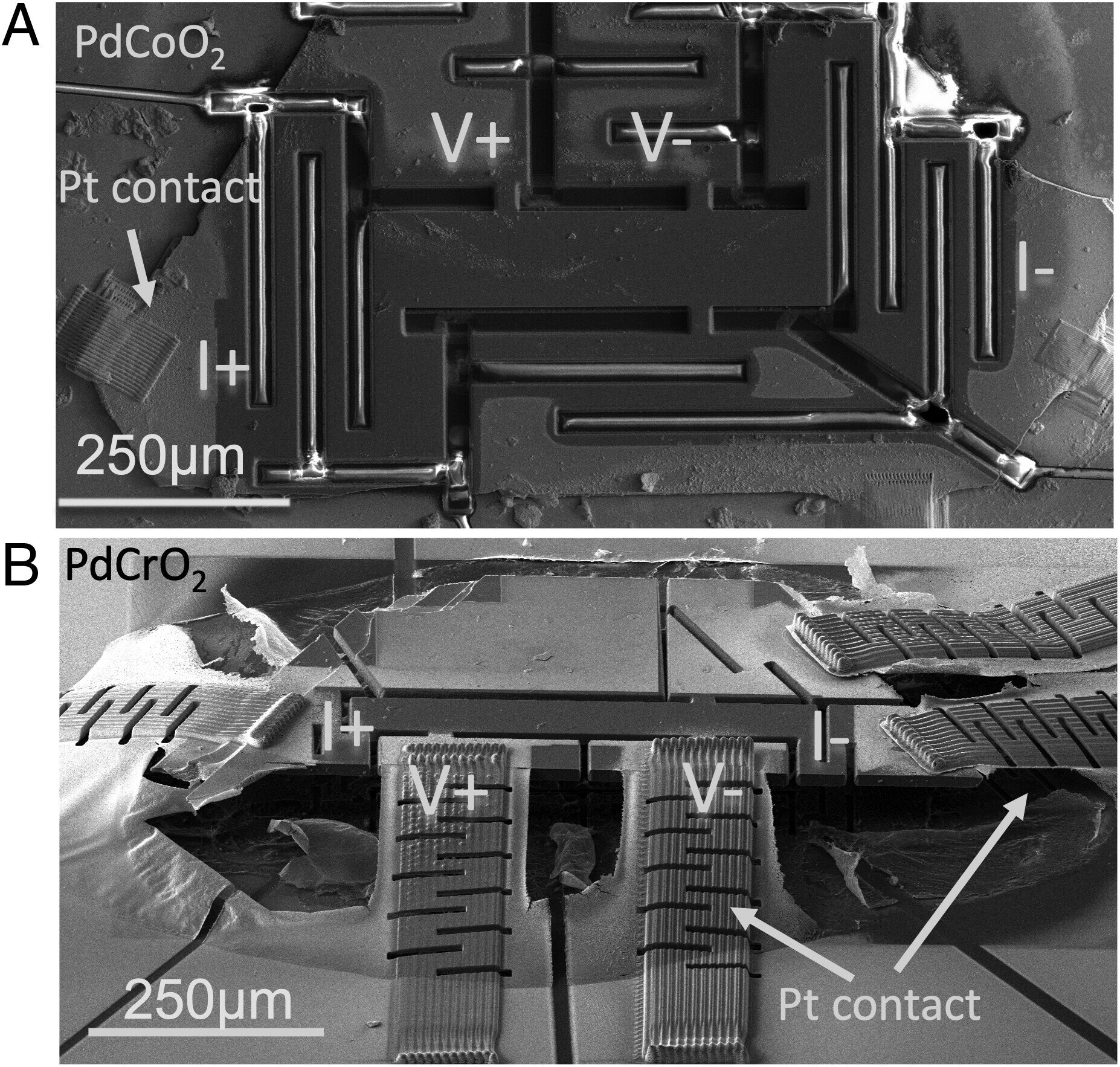
Physicists have been studying the phenomenon of "Planckian" scattering in superconducting materials, which occurs when electrons scatter at high rates influenced by temperature. Researchers have now compared the compounds PdCrO2 and PdCoO2 to understand why Planckian scattering occurs in one but not the other. By examining the microscopic properties of these compounds, they have provided a quantitatively accurate description of the origin of Planckian scattering in strongly interacting metals. This research could provide insights into the puzzle of high-temperature superconductivity and lead to the development of more efficient electrical energy transfer.
Physicists have accidentally discovered Pines' Demon, a quantum phenomenon predicted in 1956, in the material strontium ruthenate. Pines' Demon is a type of plasmon, a discrete unit of waves among rippling electrons, and its discovery in a 3D metal has important implications for material physics. The researchers found this phenomenon while studying the material with electron spectroscopy and believe that further research on multi-band metals could provide insights into the behavior of demons and their role in superconductivity.