
Vesuvius' pyroclastic blast turned brains to glass, explaining poor preservation of bodies near Pompeii.
Originally Published 2 years ago — by Phys.org
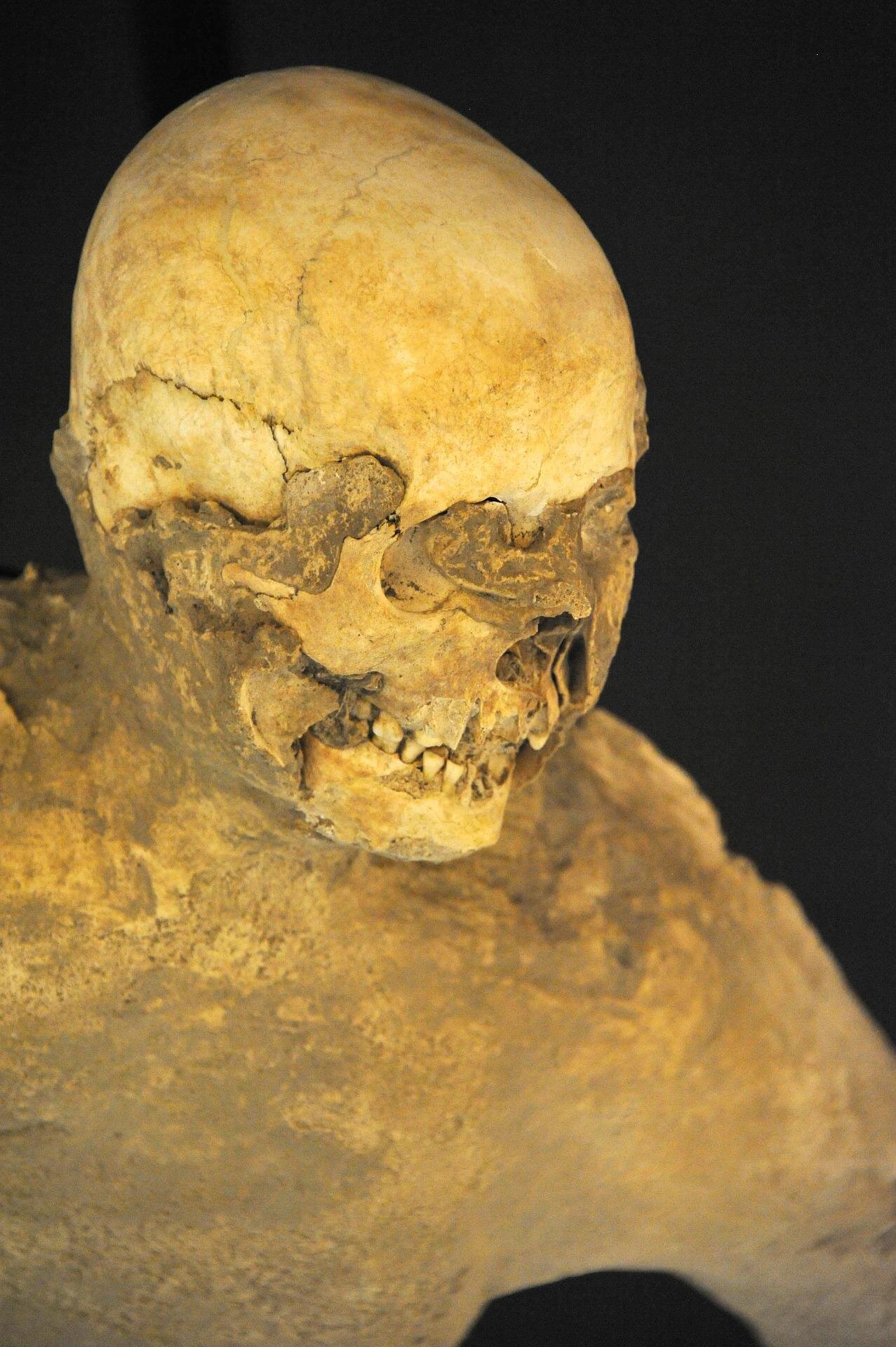
Geologists from the University of Roma Tre have discovered that a pyroclastic current struck Herculaneum shortly after Mount Vesuvius erupted in 79AD, vaporizing the people living there and explaining why their bodies were not well preserved. The people of Pompeii were buried alive in ash. The geologists collected carbonized wood samples from Herculaneum and found evidence of a very hot gas for a very short period of time, which suggests exposure to a diluted pyroclastic density current. The team suggests their findings should serve as a warning for modern citizens of Naples.