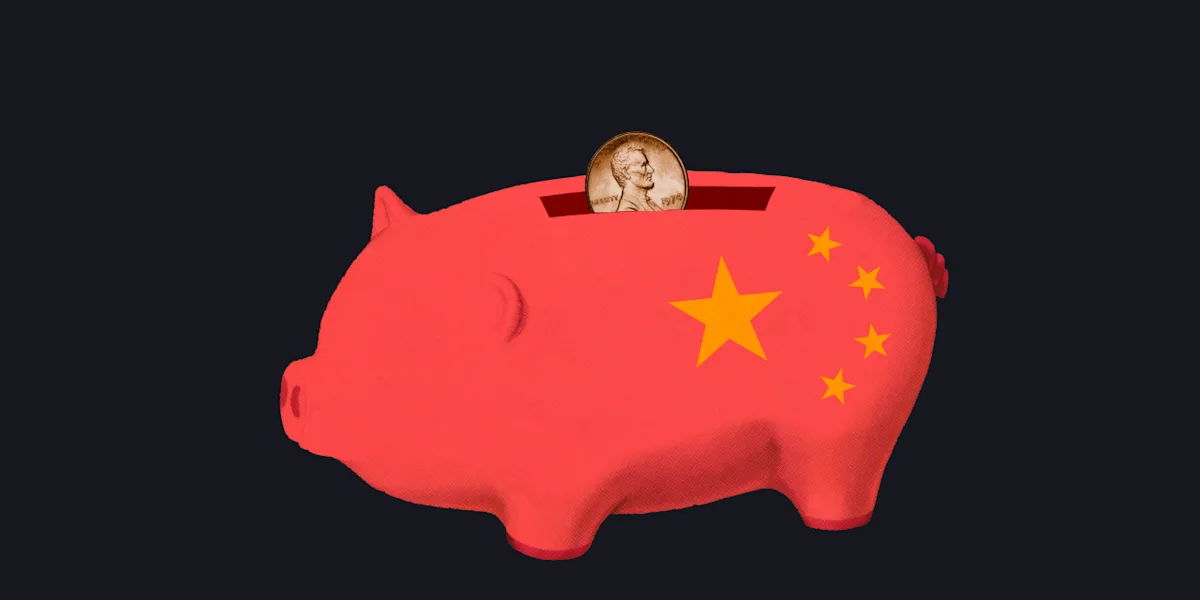
American investors, including individuals like Utah professor Braden Lindstrom, are falling victim to scams involving obscure Chinese stocks, often manipulated through social media and fake advice, leading to significant financial losses and prompting U.S. regulatory efforts to combat these frauds.
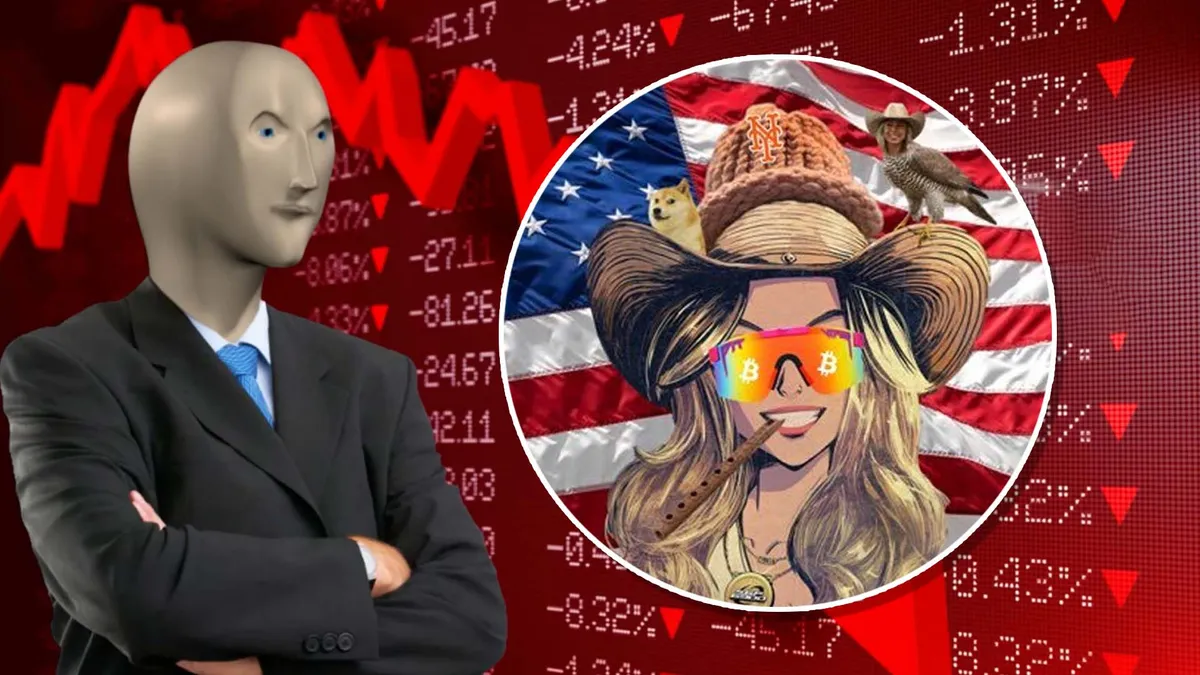
Haliey Welch, known as the 'Hawk Tuah Girl,' is accused of orchestrating a pump-and-dump scheme with her cryptocurrency $HAWK, which launched on Solana and initially surged by 900% before crashing by 95%. Critics allege insider trading and coordination among wallets, with one wallet reportedly earning $1.3 million in 90 minutes. Welch denies the accusations, stating no free tokens were given to promoters and efforts were made to prevent sniping. The incident highlights ongoing concerns about influencer-led crypto scams.
Haliey "Hawk Tuah Girl" Welch's newly launched cryptocurrency, Hawkcoin, experienced a dramatic crash within hours of its release, dropping from a market value of $490 million to $28 million. This rapid decline has led to speculation of a pump and dump scheme, which Welch denies, attributing the crash to "snipers"—investors who quickly buy and sell to profit before a crash. Despite the controversy, Welch insists her team did not manipulate the coin's value.
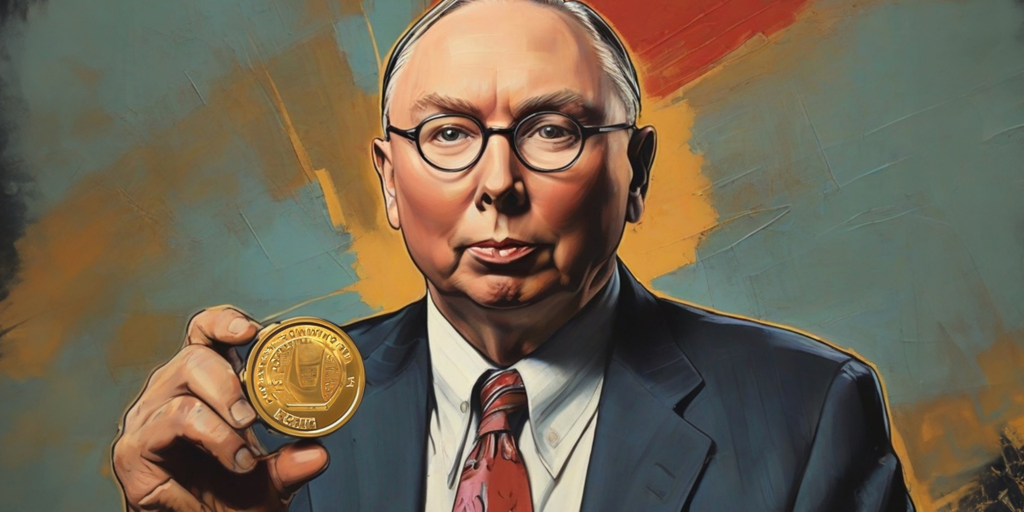
The MUNGER token, launched shortly after Charlie Munger's death, experienced a massive surge in value, increasing by 31,000%. However, the Ethereum-based meme coin has since crashed by 97.6%, now valued at $0.00000002856. Its market capitalization has plummeted to just over $18,000, and liquidity has evaporated to around $13,000. Market activity has also collapsed, with only $23,000 worth of MUNGER traded in the last 24 hours. This volatile pump-and-dump pattern is common for meme coins, which often inflate rapidly and then collapse quickly. Similar trends have been observed with other meme coins, such as the CZ token, which pumped 400,000% before losing 93% of its value.
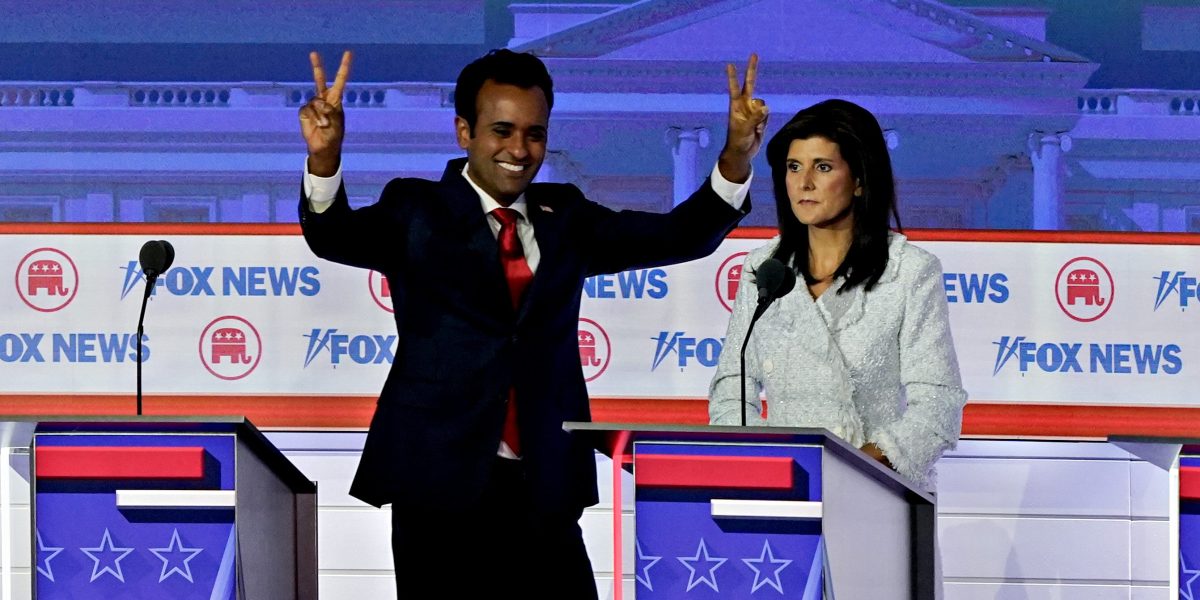
The author, who has debated Vivek Ramaswamy multiple times, exposes Ramaswamy's diversionary tactics and reveals the reality of his business record. Ramaswamy, an entrepreneurial huckster, has transitioned from being a court jester of corporate governance to a serious contender for the GOP presidential nomination. The author highlights Ramaswamy's use of attention-seeking and diversionary smoke to charm his way onto the debate stage. The author also exposes Ramaswamy's pump-and-dump business playbook and provides evidence of his shady business track record. Ramaswamy's tax records reveal his opportunistic behavior, including profiting from the hype around a failed Alzheimer's drug and reducing his stake in a company before its valuation shrank. The author urges Ramaswamy's rivals and political reporters to focus on the truth and avoid his diversionary maneuvers.