The White House plans to promote the export of American AI technology, reduce restrictions on AI development, and streamline related regulations, marking a shift from previous restrictive policies to a more expansion-focused approach, while also addressing risks and misuse of AI.
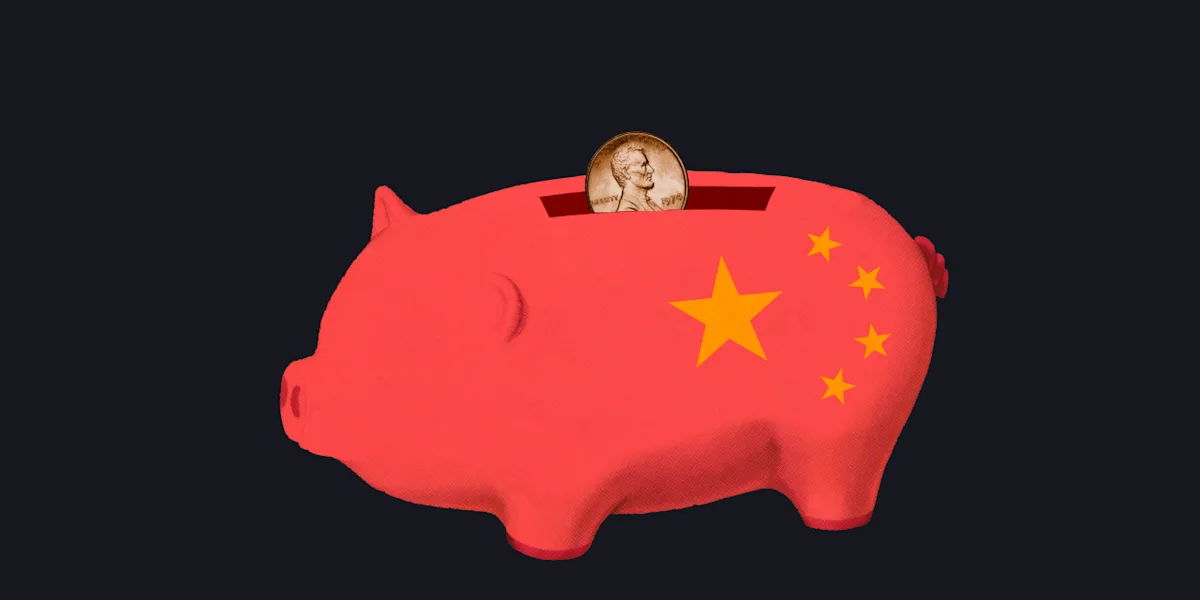
American investors, including individuals like Utah professor Braden Lindstrom, are falling victim to scams involving obscure Chinese stocks, often manipulated through social media and fake advice, leading to significant financial losses and prompting U.S. regulatory efforts to combat these frauds.
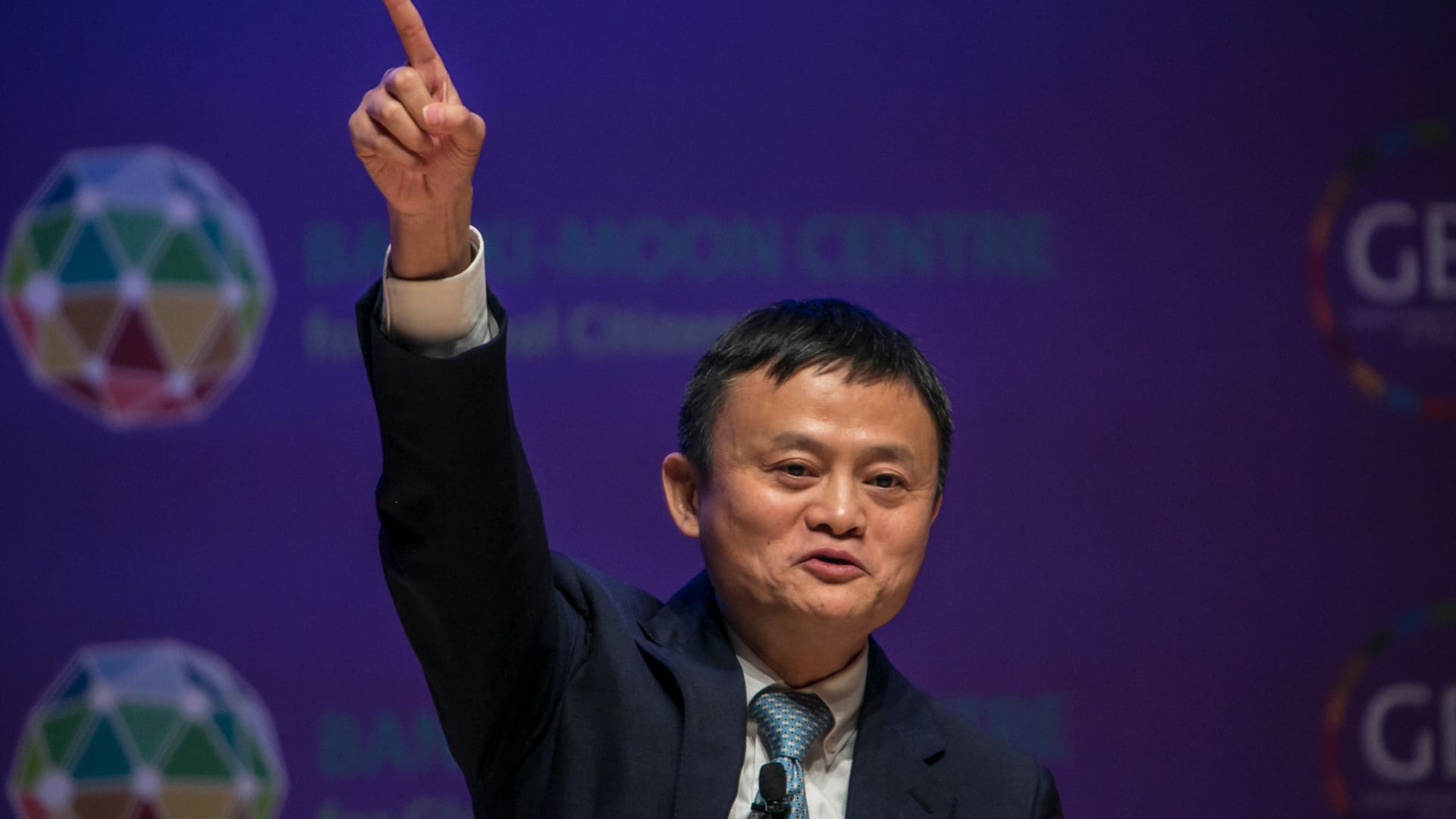
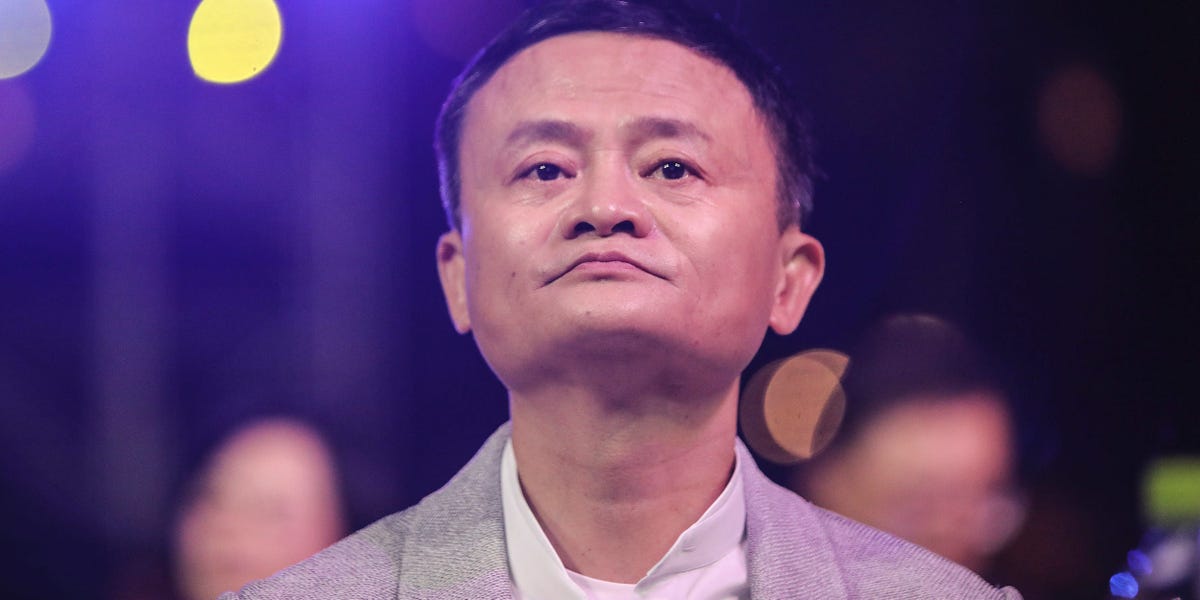
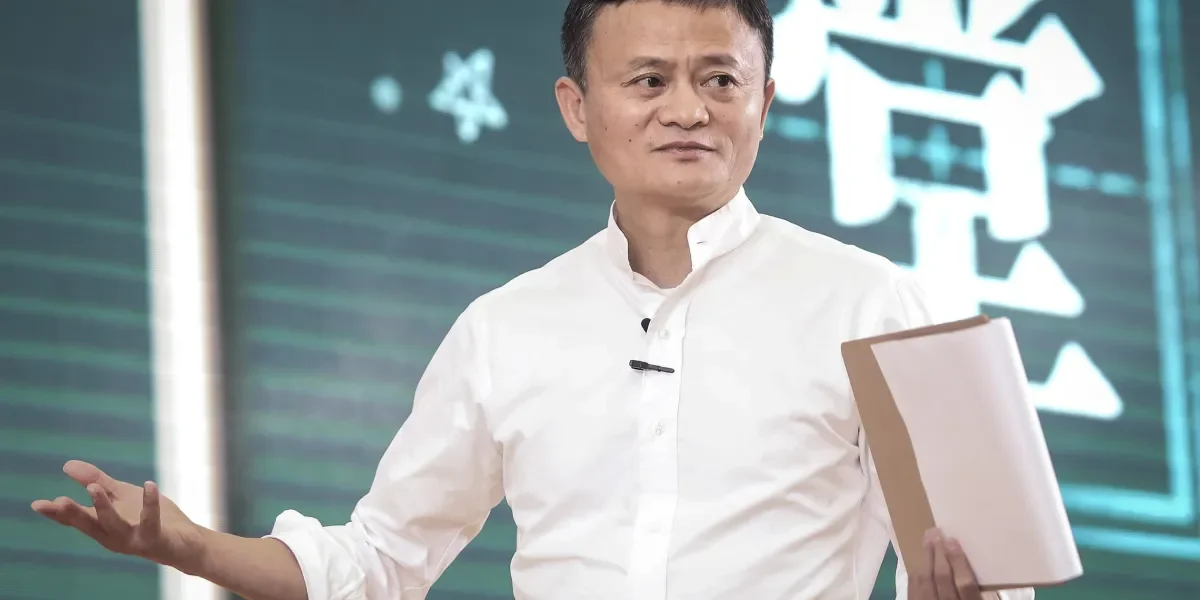
Alibaba founder Jack Ma reemerged in public view in China, praising the company's reorganization and changes over the past year, signaling a potential softening of the Chinese government's stance toward tech giants. The reemergence comes after a historic overhaul and management changes at Alibaba, which has faced regulatory challenges and increased competition. Ma's public statement aims to boost morale among employees and emphasizes the need for future-oriented transformations, particularly in the e-commerce landscape.
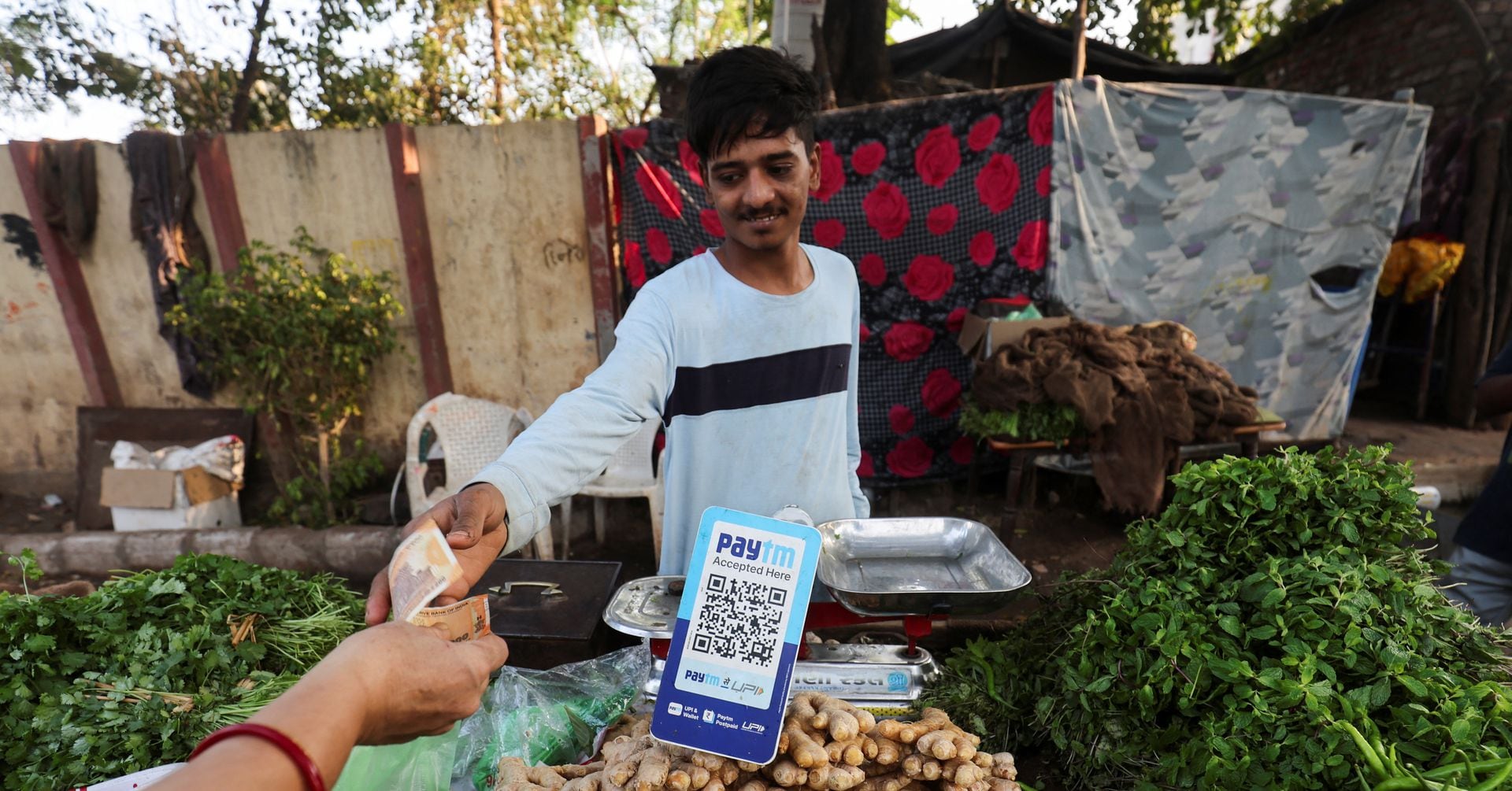
India's digital payments giant Paytm is facing a regulatory crackdown, causing many merchants to express concerns and prompting the company to send sales staff door-to-door to reassure them. Meanwhile, competitors like Walmart's PhonePe and Google Pay are seeing increased demand for their offerings, with downloads of their apps surging. Paytm's stock has plunged, creating an opportunity for its rivals to capitalize on the situation.
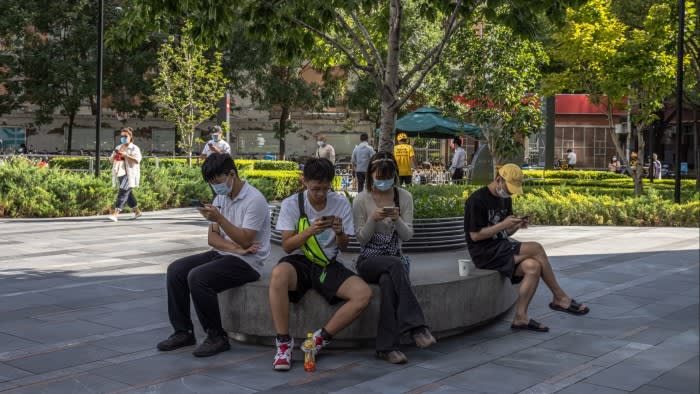
China's video game industry is facing fears of another regulatory crackdown, with leading companies Tencent and NetEase experiencing stock fluctuations after proposed guidelines suggested tighter controls. Beijing has taken steps to ease concerns, including firing a prominent official and convening consultations on new measures. The proposed regulations aim to curb spending and engagement on online games, leading to criticism and a stock market sell-off. Leading game developers have been summoned for closed-door seminars to discuss the feasibility and impact of the draft regulations, with the process expected to be completed by the end of January.
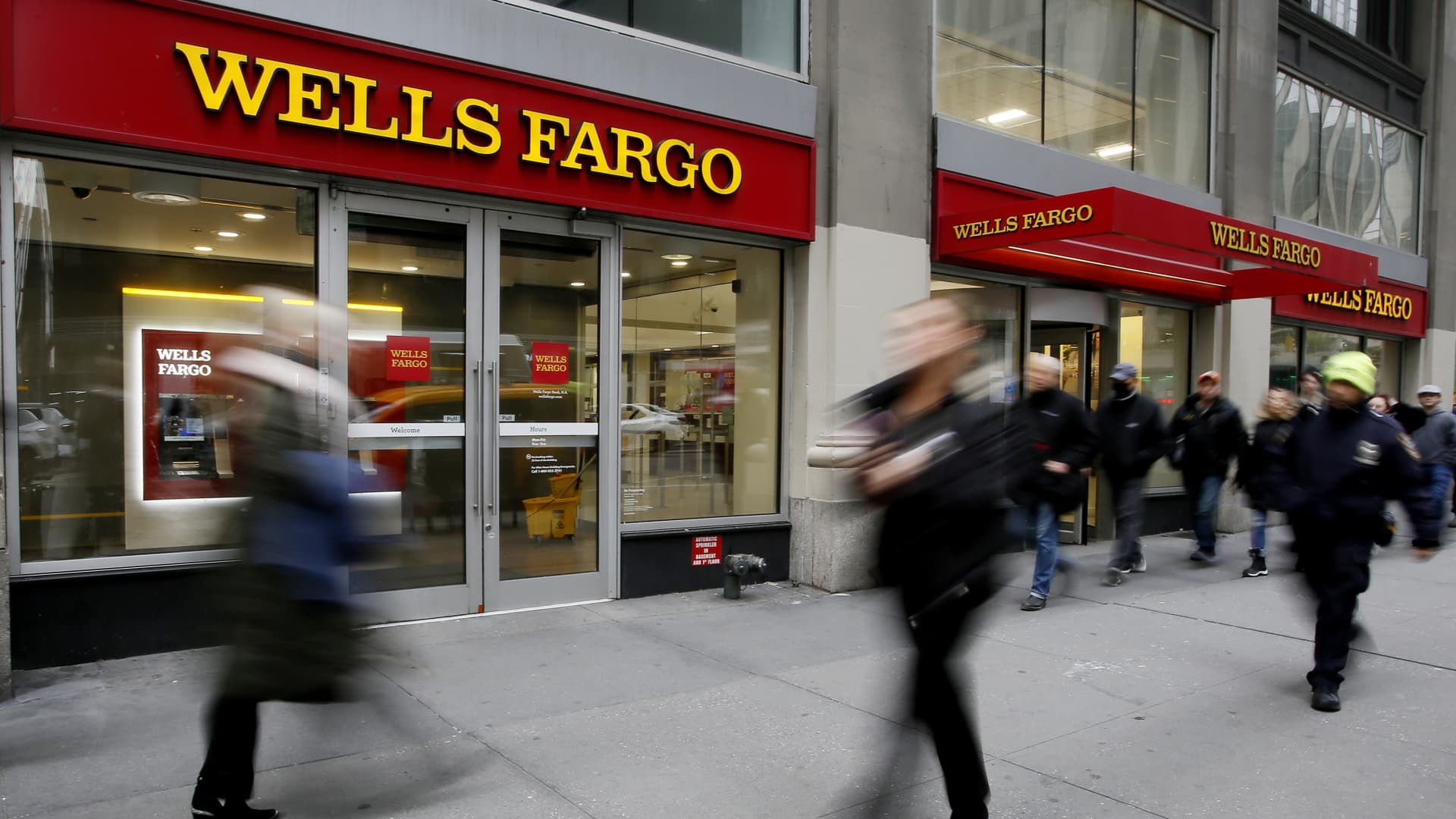
Wells Fargo, along with other banks, has been caught in an industrywide probe into mortgage pricing discrimination. Regulators have been investigating the use of loan discounts, known as pricing exceptions, which have raised concerns over possible violations of fair lending laws. The Consumer Financial Protection Bureau found that black and female borrowers received fewer pricing exceptions than other customers. Wells Fargo received an official notice from the CFPB regarding problems with its discounts, and an internal investigation is ongoing. Regulators have been cracking down on fair lending violations, launching multiple probes in recent years. The issue with pricing exceptions is that lenders have failed to properly track and manage their use, violating the Equal Credit Opportunity Act and Regulation B. Wells Fargo has adjusted its policies and now requires hard documentation of competitive bids.
The U.S. Food and Drug Administration (FDA) has banned the sale of Vuse Alto menthol e-cigarettes, which have become the best-selling vaping products in the country, surpassing Juul, amidst increased regulatory scrutiny.
Alibaba Group has announced that it will not participate in Ant Group's proposed share buyback, following the recent fine imposed on Ant Group by Beijing. Despite this decision, Alibaba will maintain its 33% stake in the company. The fine has raised hopes that the regulatory crackdown on Ant Group may be coming to an end, potentially allowing the company to focus on growth and pursue its plans for a stock market listing.
China's major tech companies, including Alibaba, Tencent, Meituan, Baidu, and JD.com, have collectively lost over $1 trillion in market value since the government's regulatory crackdown on the sector began in late 2020. However, there are signs that the strict rules may start to ease, as the People's Bank of China indicated a change in direction and the state planner praised Tencent and Alibaba for their contributions to tech innovation. Investors are hopeful for an easing regulatory environment, but some analysts caution that profitability may be impacted due to increased capital expenditure in developing AI technologies.
Alibaba, JD.com, and other Chinese tech stocks experienced a drop in their stock prices as investors grappled with concerns over deflation and weighed them against hopes that Beijing's regulatory crackdown on the tech industry is nearing its end.
Alibaba, JD.com, and other U.S.-listed Chinese tech stocks experienced a drop in their stock prices as investors grappled with concerns over deflation and disappointing economic data, overshadowing hopes that Beijing's regulatory crackdown on the tech industry may be easing.
Jack Ma's companies, Alibaba and Ant Group, have collectively lost over $850 billion in value since their peak in 2020, following Ma's criticism of Beijing. On Friday, China's central bank announced a fine of $985 million for Ant Group, signaling an end to the regulatory crackdown. Alibaba's market value dropped by $620 billion, while Ant Group's valuation plummeted by 75%. Ma's net worth has plunged from $61 billion to $34.1 billion. Ma has been lying low for over two years, but recently made public appearances and attended events.
Jack Ma's Alibaba and Ant Group have collectively lost $850 billion in value since their peak in 2020, following Ma's criticism of Beijing. The regulatory crackdown resulted in a $985 million fine for Ant Group, signaling an end to the crackdown. Alibaba's market value dropped by 45%, or $620 billion, while Ant Group's valuation plummeted by 75%. Ma's net worth has also declined from $61 billion to $34.1 billion. Despite the setbacks, Ma has recently made public appearances and his companies' stocks have seen a boost following news of the fine.
Ant Group, backed by Jack Ma, plans to buy back up to 7.6% of its shares in an effort to retain talent and provide an opportunity for investors affected by the regulatory crackdown. The buyback would value the company at $78.5 billion, significantly lower than its scrapped $280 billion IPO valuation. Chinese regulators have imposed fines on Ant and Tencent, signaling the end of a two-year crackdown on tech giants. The buyback could help Ant shift its focus to building business operations and ease pressure from pre-IPO investors seeking an exit.
The crypto market experienced a sharp selloff as the SEC's regulatory crackdown on digital-asset exchanges, including Binance and Coinbase, unnerved investors. Smaller coins, including Cardano's ADA, Solana's SOL, Polygon's MATIC, and Avalanche's AVAX, posted double-digit percentage drops. Bitcoin and Ether also saw declines. Over a dozen tokens were flagged as unregistered securities in the lawsuits, making them harder to trade if exchanges shy away from listing them for fear of irking the SEC.