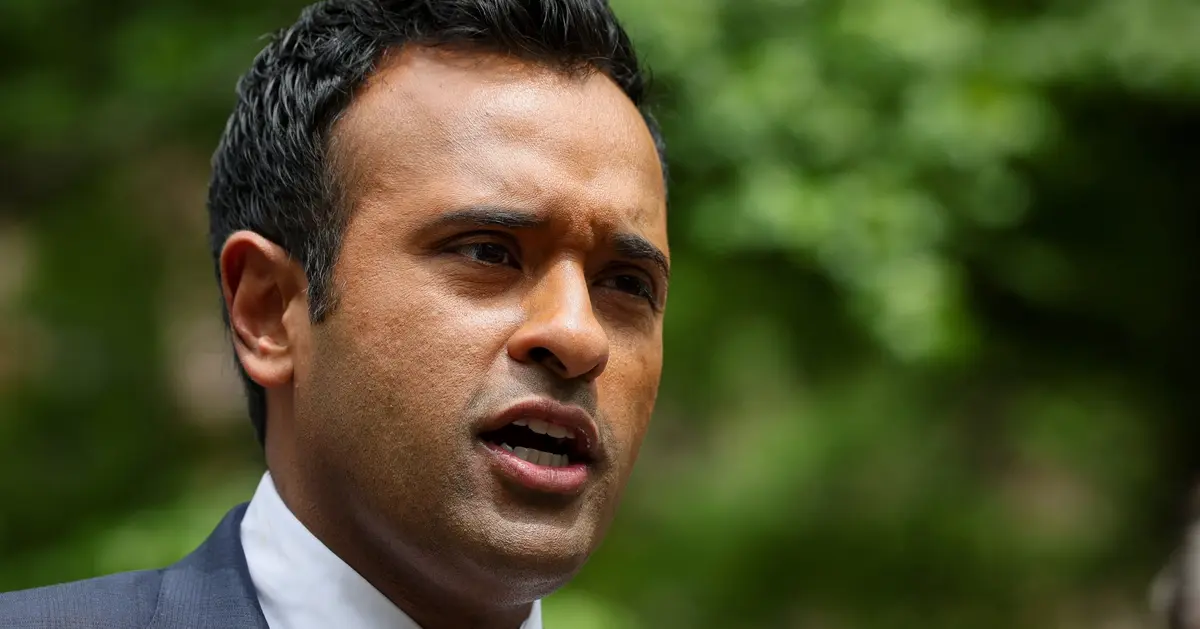
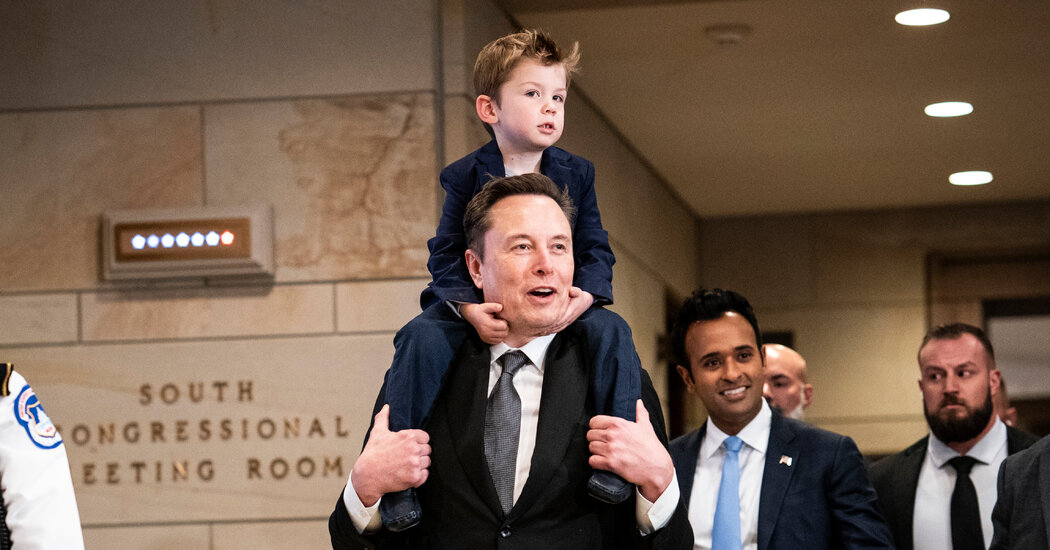
Vivek Ramaswamy's family bodyguard, Justin Salsburey, was arrested on federal drug trafficking charges involving counterfeit pills sent to Ramaswamy's Ohio home. Salsburey, employed by a private security firm, was removed from the security detail after the charges surfaced, and he had previously passed background checks and drug tests.
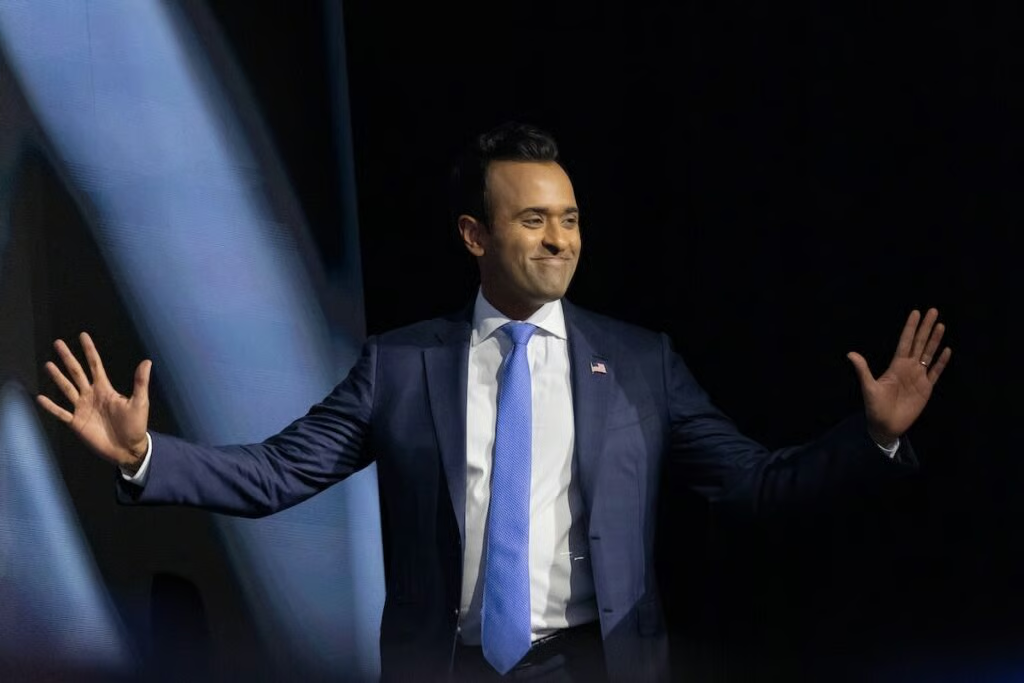
Strive Inc., founded by Vivek Ramaswamy as an 'anti-woke' asset manager, has seen its stock surge due to its pivot to Bitcoin holdings, merger activities, and retail investor interest, making it one of the largest Bitcoin treasuries and attracting attention on social media platforms.
In Virginia's governor race, Ramaswamy campaigns with Earle-Sears, highlighting his brief role in Trump's DOGE federal workforce cuts, which Democrats criticize as harmful to Virginia jobs, amid Trump's absence from the campaign.
The Ohio Conference of Teamsters endorsed Republican Vivek Ramaswamy for governor, marking a shift of labor unions towards the Republican side in Ohio, and signaling a potential realignment in political endorsements ahead of the 2024 elections.
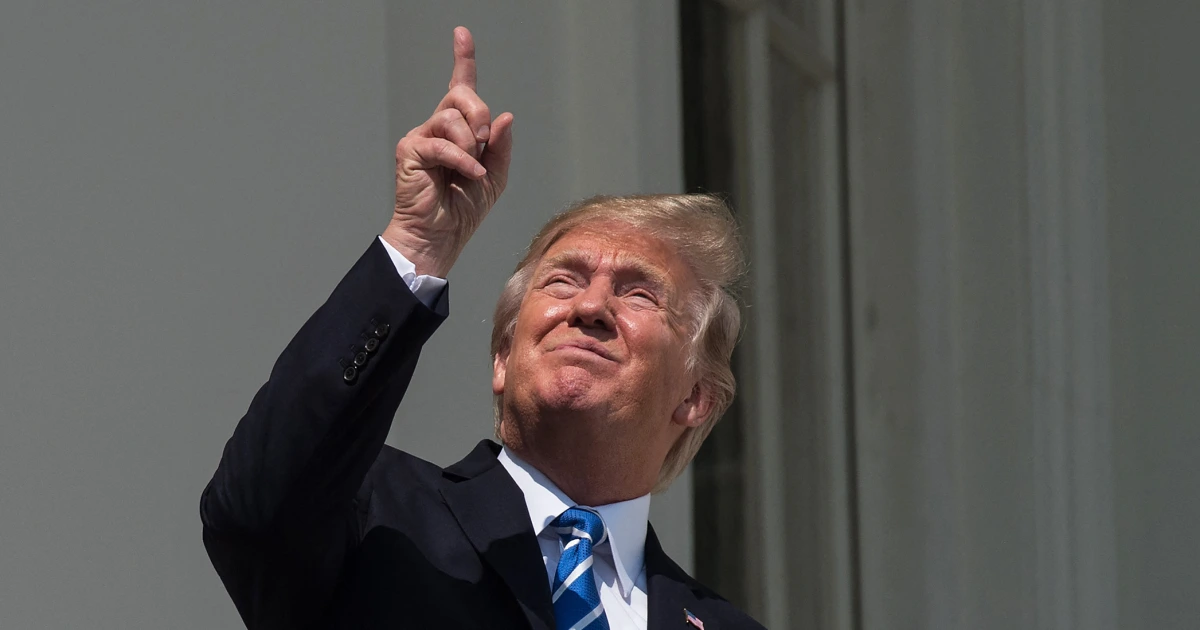
President-elect Donald Trump announced plans to eliminate daylight saving time, citing its inconvenience and cost. Supported by advisers Elon Musk and Vivek Ramaswamy, the proposal contrasts with a 2022 Senate bill advocating for permanent daylight saving time, backed by Trump's son, Donald Trump Jr., and Sen. Marco Rubio. The Trump campaign has not clarified whether the goal is to abolish or make daylight saving time permanent.
President-elect Donald Trump has expressed support for eliminating daylight saving time, calling it inconvenient and costly. His Department of Government Efficiency, led by Elon Musk and Vivek Ramaswamy, also advocates for this change. While Trump previously supported making daylight saving time permanent, he now favors its abolition. Any changes would require congressional approval, and similar legislation has been considered in recent years.
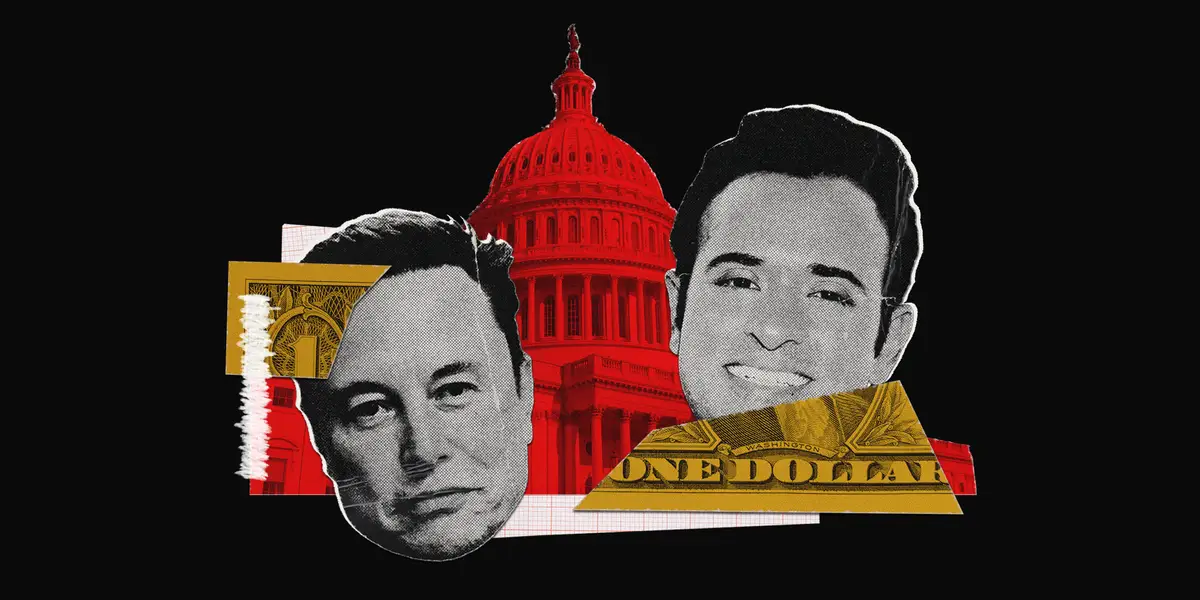
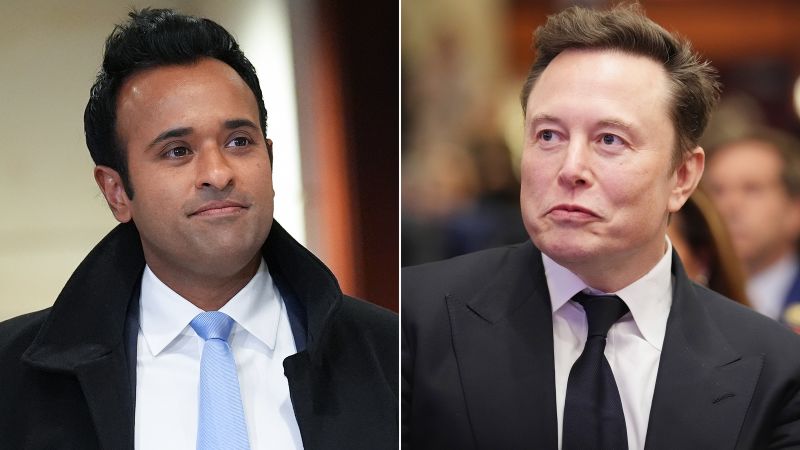
Elon Musk and Vivek Ramaswamy, leading the Department of Government Efficiency (DOGE), plan to cut $2 trillion from the federal budget by 2026. Their strategy includes firing federal employees, reducing regulations, and potentially eliminating entire agencies. They aim to target expired federal spending, relocate agencies, and conduct audits for savings. Despite skepticism about the feasibility of their plans, they promise transparency and public involvement in identifying wasteful spending. The initiative is set to disband by July 4, 2026, but they anticipate completing their goals sooner.
Vivek Ramaswamy and Elon Musk criticized the SEC after a federal appeals court overturned the agency's approval of Nasdaq's board diversity rules, labeling the SEC as a 'weaponized' institution. The court's decision, favoring conservative groups, challenges the SEC's regulatory authority and may signal increased scrutiny under the incoming Trump administration. The ruling is part of broader efforts to challenge SEC rules, with Trump's nominee, Paul Atkins, expected to lead a more business-friendly agenda if confirmed.
A federal appeals court has overturned the SEC's approval of Nasdaq's board diversity rules, prompting criticism from Trump allies like Elon Musk and Vivek Ramaswamy. They argue the SEC is overstepping its authority, with Musk labeling it a politically motivated institution. The decision highlights ongoing conservative efforts to challenge SEC regulations, particularly in the Fifth Circuit. The ruling may influence the SEC's future direction under Trump's nominee, Paul Atkins, who is expected to adopt a business-friendly approach. Critics warn that weakening the SEC could harm U.S. capital markets.
Vivek Ramaswamy and Elon Musk, along with other Trump allies, criticized the SEC after a federal appeals court overturned the regulator's approval of Nasdaq's board diversity rules. The Fifth Circuit Court found the rules inconsistent with federal securities laws, marking another legal setback for the SEC. The decision has sparked further scrutiny of the SEC, with Ramaswamy and Musk suggesting the agency has lost legitimacy. The ruling may influence the SEC's future direction under Trump's pick, Paul Atkins, who is expected to adopt a business-friendly approach.
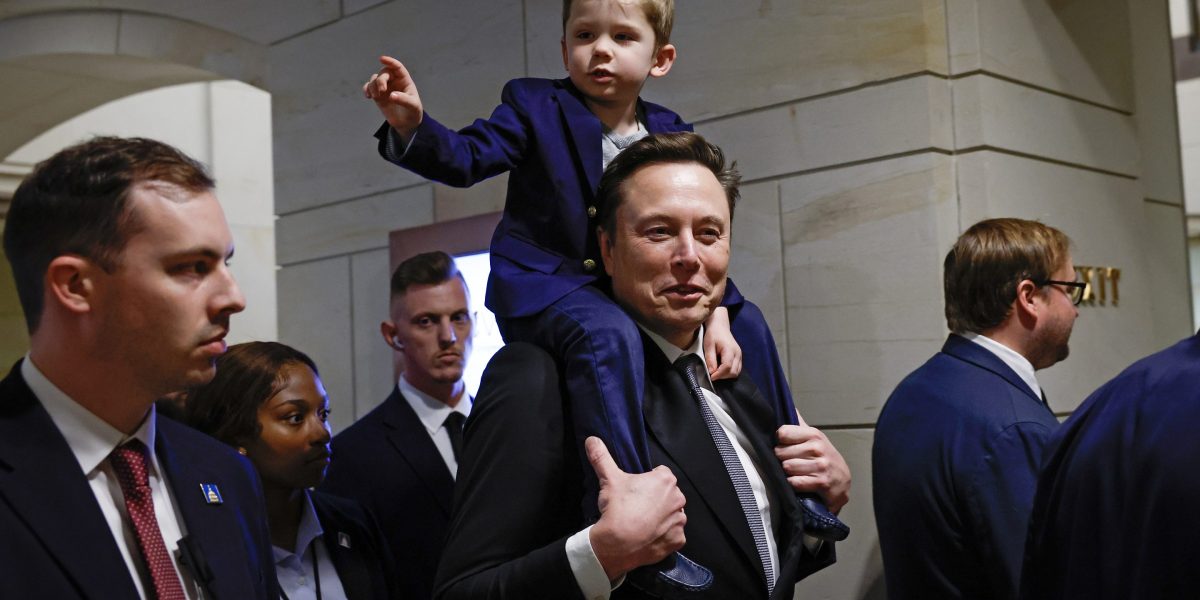
Senior House Republicans are concerned about the feasibility of Elon Musk and Vivek Ramaswamy's plan to cut $2 trillion in federal spending, as it may require touching mandatory spending programs like Social Security, which are politically sensitive. The GOP is grappling with how to implement these cuts without affecting defense spending or popular programs, while also considering Trump's potential unilateral spending decisions. The Department of Government Efficiency (DOGE) initiative is facing skepticism and legal challenges, with lawmakers emphasizing the need for collaboration with Congress.
Elon Musk and Vivek Ramaswamy's plans to cut government spending through the Department of Government Efficiency (DOGE) may face challenges despite a Supreme Court ruling overturning the Chevron doctrine. While they believe the ruling empowers their agenda by limiting federal agencies' regulatory powers, legal experts argue it could actually constrain DOGE's goals by requiring more judicial oversight and justification for regulatory changes. Although Republican support in Congress could aid their efforts, significant legal and procedural hurdles remain.
Elon Musk and Vivek Ramaswamy's involvement with Dogecoin (DOGE) is reportedly being influenced by a health entrepreneur, highlighting a unique intersection between cryptocurrency and health sectors.
Elon Musk and Vivek Ramaswamy, advisors to the Trump administration, propose cutting $2 trillion in government waste by ending remote work for federal employees, a move supported by Senator Joni Ernst. They argue that most federal workers do not work in-person full-time, and propose monitoring telework to enforce office attendance. Critics point out that the Department of Government Efficiency, which Musk and Ramaswamy lead, lacks actual power to enforce such changes.
Elon Musk and Vivek Ramaswamy are bringing attention to the cryptocurrency Dogecoin (DOGE) in Congress, highlighting its growing influence and potential regulatory considerations.