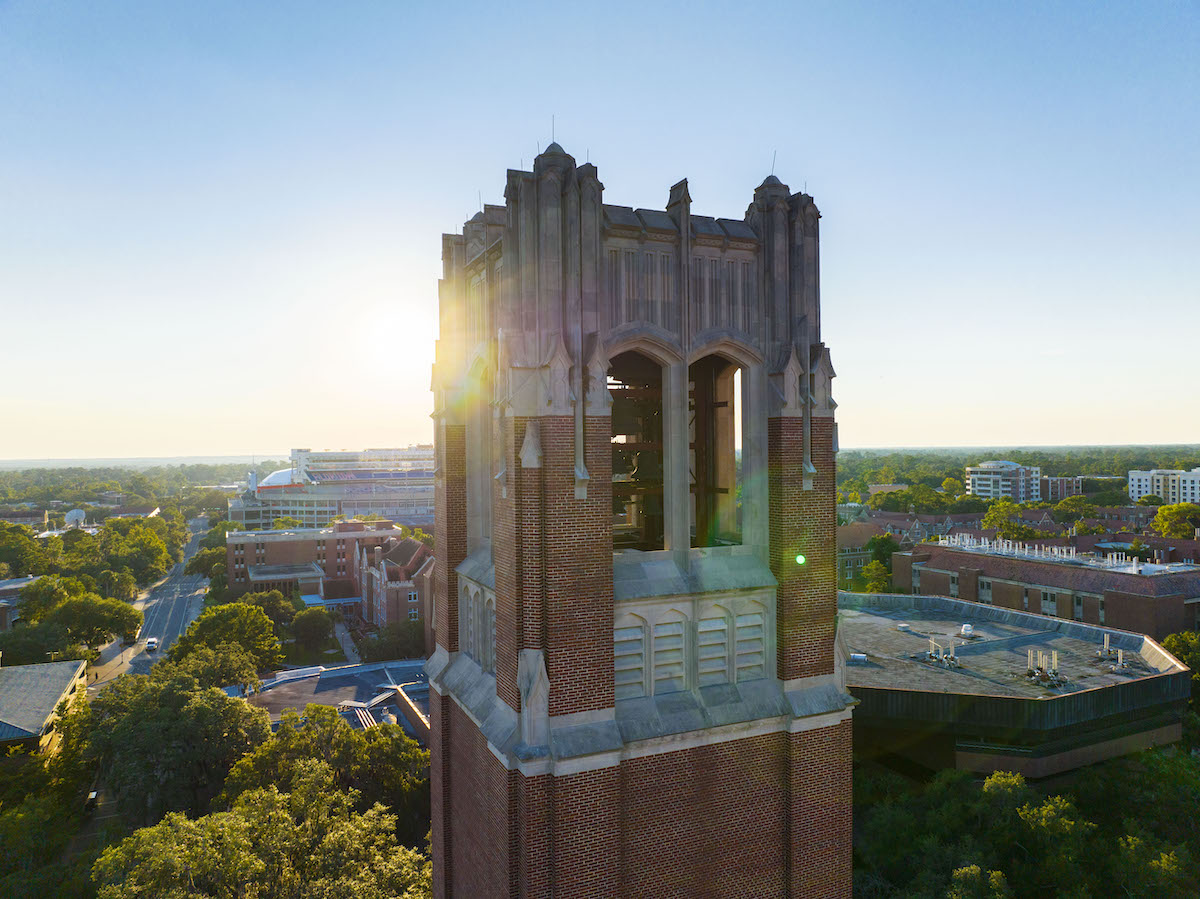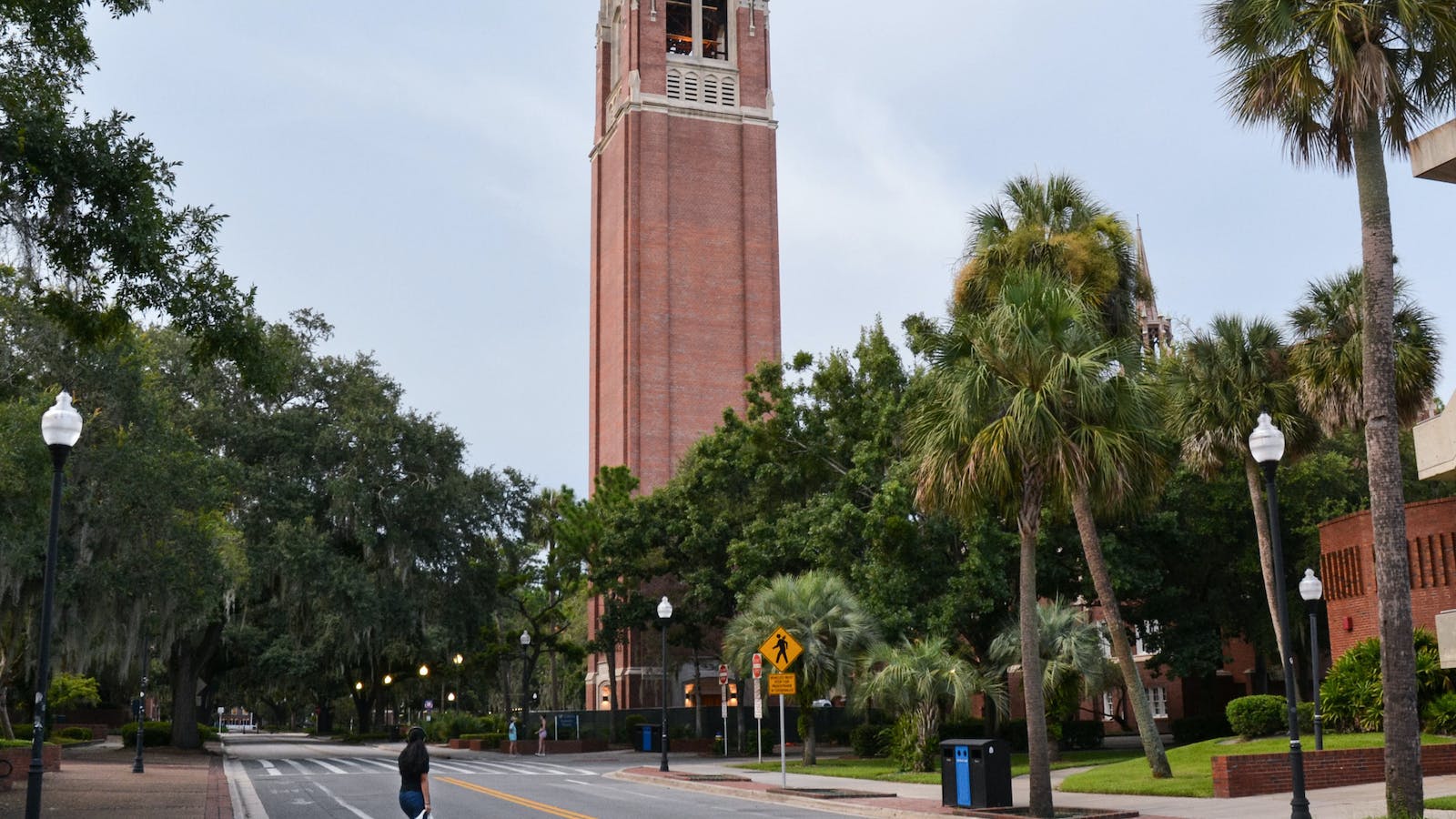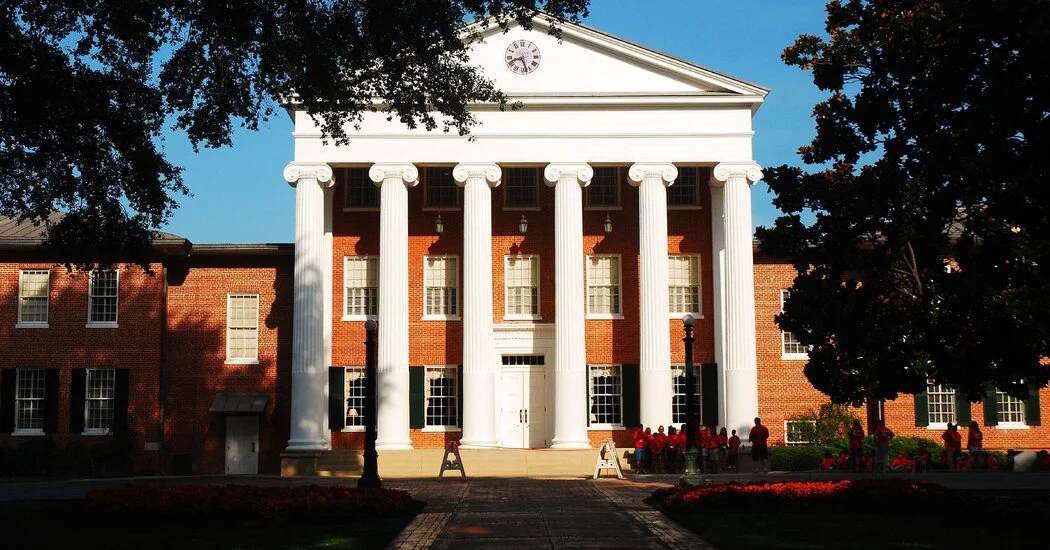
The University of Florida has maintained its position as the No. 7 public university in the U.S. for the eighth consecutive year in the 2026 rankings, also ranking No. 30 among all universities, reflecting its strong reputation in academics, research, and student success.
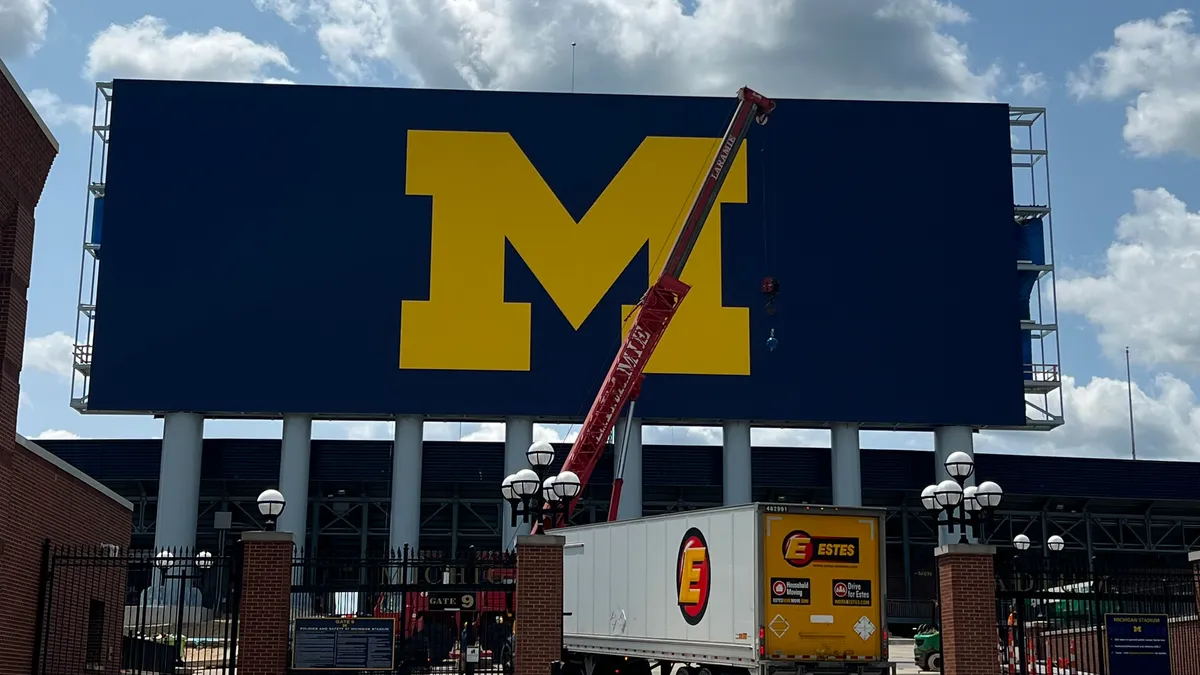
The University of Michigan remains the No. 3 public university in the U.S. and ranks 20th overall among all institutions, with top rankings in business, engineering, nursing, and other undergraduate programs, reflecting its academic excellence and comprehensive educational offerings.
Six public university systems in the U.S. have formed the Commission for Public Higher Education, creating a pioneering accreditation model focused on academic excellence, efficiency, and student success to enhance accountability and innovation in public higher education.
Public universities across the U.S. are facing financial challenges due to federal budget cuts and economic pressures, leading to potential tuition increases for out-of-state students and layoffs at institutions like Duke, Cornell, and the University of Minnesota, even as student enrollment rises.
A committee within the University of North Carolina Board of Governors swiftly voted to repeal a policy related to diversity, equity, and inclusion (DEI) in the public university system, potentially impacting DEI staff jobs. The repeal, if approved by the full board, could lead to the dismantling of diversity offices across the UNC system. This move aligns with a trend in several states where Republican-led initiatives seek to limit DEI programs in public institutions. Critics argue that such efforts are discriminatory, while supporters believe the new policy would help eliminate DEI bureaucracies. The decision has sparked controversy and volatility, with former UNC System President and Democratic Governor Roy Cooper expressing concern, while Republican House Speaker Tim Moore suggests that the legislature may consider anti-DEI legislation.
The University of North Carolina System's Board of Governors is set to vote on a new policy that would eliminate diversity and inclusion efforts at state universities and remove related positions, impacting all 16 public colleges and universities across the state. The proposed policy, which is expected to be approved next month, would require institutions to certify their commitment to institutional neutrality and nondiscrimination by September 1, leading to potential job changes or eliminations. The move has sparked concerns among students and opposition from Democratic Governor Roy Cooper, who emphasized the importance of diversity in strengthening the state's universities.
Virginia Governor Glenn Youngkin signed a new law ending the use of legacy admissions at the state's public colleges and universities, requiring schools to stop giving an admissions advantage to applicants with connections to alums and donors. The law, set to take effect on July 1, follows similar moves in other states and by some private colleges to address concerns about fairness and privilege in the admissions process.
The annual U.S. News college rankings have been scrambled due to changes in the formula used to evaluate schools. Public universities saw a rise in rankings, while many private universities fell. The new formula no longer considers class size or alumni giving but includes a factor tracking the graduation rates of first-generation college students. Critics argue that the rankings heavily rely on a peer evaluation survey that favors wealth and long-standing perceptions of prestige. Some prominent law and medical schools have already stopped cooperating with the rankings, and Education Secretary Miguel Cardona has encouraged others to do the same. Despite criticism, the U.S. News rankings continue to generate interest and discussion within higher education.
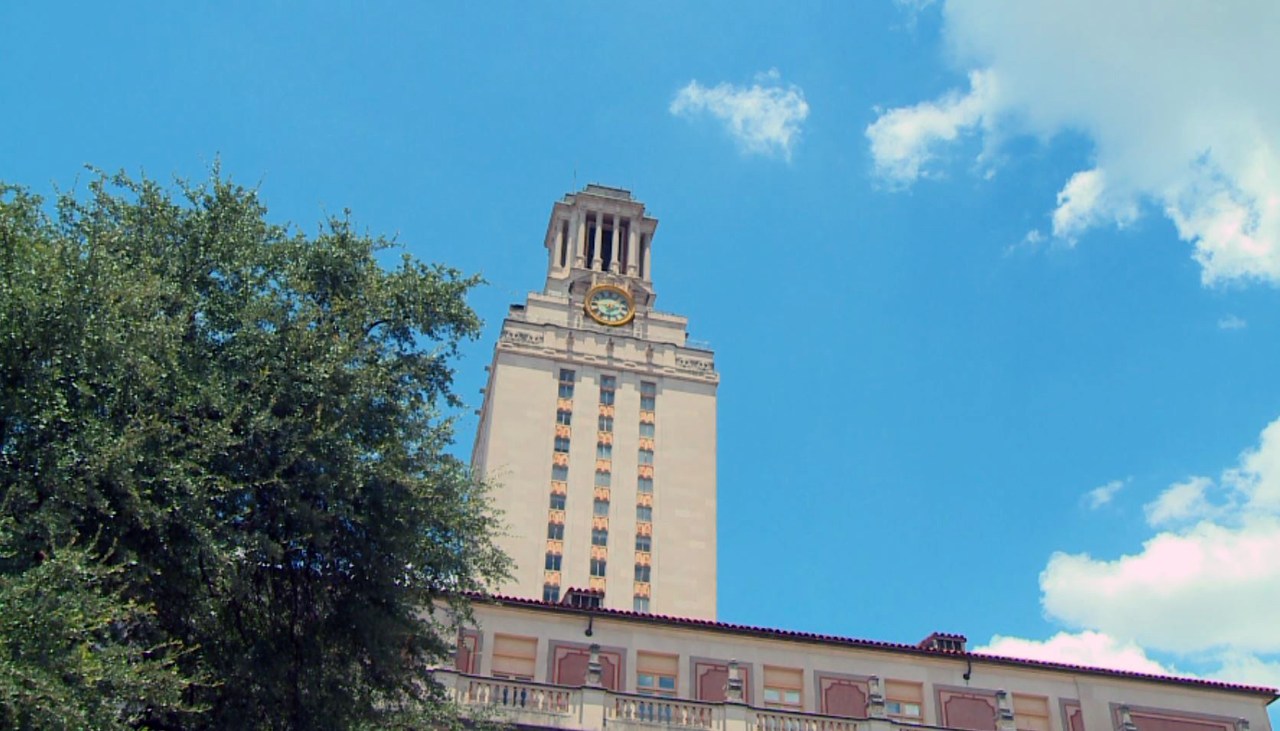
The University of Texas at Austin has been ranked as the ninth-best public university in the United States, according to the 2024 undergraduate rankings released by U.S. News & World Report. UT Austin also secured the top spot among public universities in Texas. Overall, the university climbed six places to rank 32nd among both public and private schools. The McCombs School of Business and the Cockrell School of Engineering were recognized for their strong programs, with several specialties listed among the top rankings. UT Austin President Jay Hartzell attributed the university's success to its exceptional talent, commitment to academic excellence, and the opportunities available in Austin as an innovation and cultural hub.
U.S. News & World Report released its revamped college rankings, with Princeton remaining the top-ranked university for the 13th consecutive year. While there were few changes at the top, several public universities, including Fresno State and Florida Atlantic, climbed significantly in the rankings due to a new algorithm that emphasized graduation rates for economically disadvantaged students and first-generation college students. The overhaul faced criticism from some university leaders who argue that ranking colleges as consumer products is problematic. Private universities were particularly affected by the new formula, with some top schools experiencing a decline in rankings. Despite criticism, U.S. News retains its influential position in the college rankings landscape.
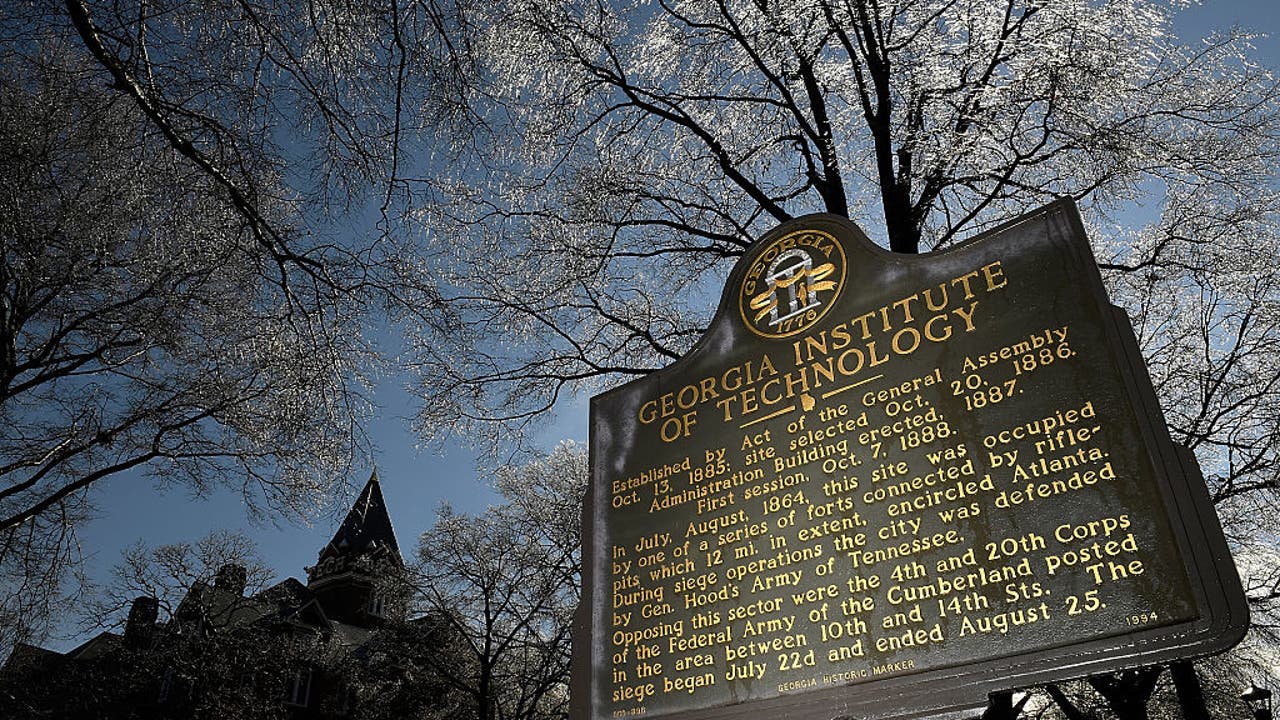
Georgia Tech and the University of Georgia have been ranked among the top 10 public universities in the United States by college research group Niche. Georgia Tech secured the third spot, while the University of Georgia placed ninth. The rankings were based on an analysis of academics, admissions, financial, and student life data from the U.S. Department of Education. The University of California - Los Angeles claimed the top spot, followed by the University of Michigan - Ann Arbor.
The University of Florida (UF) has been ranked as the number one public university in the United States by The Wall Street Journal. UF also secured the 15th position overall among 400 universities in the country. The ranking considered student outcomes, learning environment, and diversity as key factors. UF President Ben Sasse expressed pride in the university's achievements and emphasized their commitment to continued growth. UF students celebrated the recognition, expressing gratitude and honor for studying at the top-ranked public university.
Public universities in the US have been engaging in excessive spending over the past two decades, constructing lavish academic buildings and dorms, investing in high-profile sports programs, and hiring numerous administrators.
Michigan public universities have been granted the ability to sell alcohol at sporting events, including football, hockey, and basketball games. The new law allows for licensing at all 15 public universities in the state, with sales permitted an hour before kickoff, tip-off, and puck drop, and ending with the conclusion of the game. However, it remains uncertain whether alcohol sales will be available at the first home games of the upcoming college football season, and many questions regarding the rules and regulations surrounding in-stadium drinking remain unanswered. Advocates argue that allowing alcohol sales will reduce binge drinking before games, while opponents express concerns about potential negative effects and safety issues.
Following a Supreme Court ruling that struck down affirmative action for college admissions, there is a focus on the diversity of student populations at Arizona's public universities. Data from the Arizona Board of Regents shows that Arizona State University (ASU), Northern Arizona University (NAU), and the University of Arizona (UArizona) have varying levels of diversity compared to the state's population. ASU has a higher proportion of Asian and Black students, while NAU has a higher proportion of White and multiracial students. UArizona has a higher proportion of Asian students. When compared to other universities, ASU has a lower proportion of Hispanic and Native American students, while NAU has a lower proportion of Hispanic, Black, and Native American students. UArizona has a lower proportion of Hispanic, White, and Native American students. University officials emphasize their commitment to diversity and equitable access to education.