Criminal networks are using AI to create fake student accounts, hijacking college resources and siphoning millions in financial aid, which is causing real students to be locked out of classes and prompting colleges to implement stricter identity verification measures to combat the fraud.
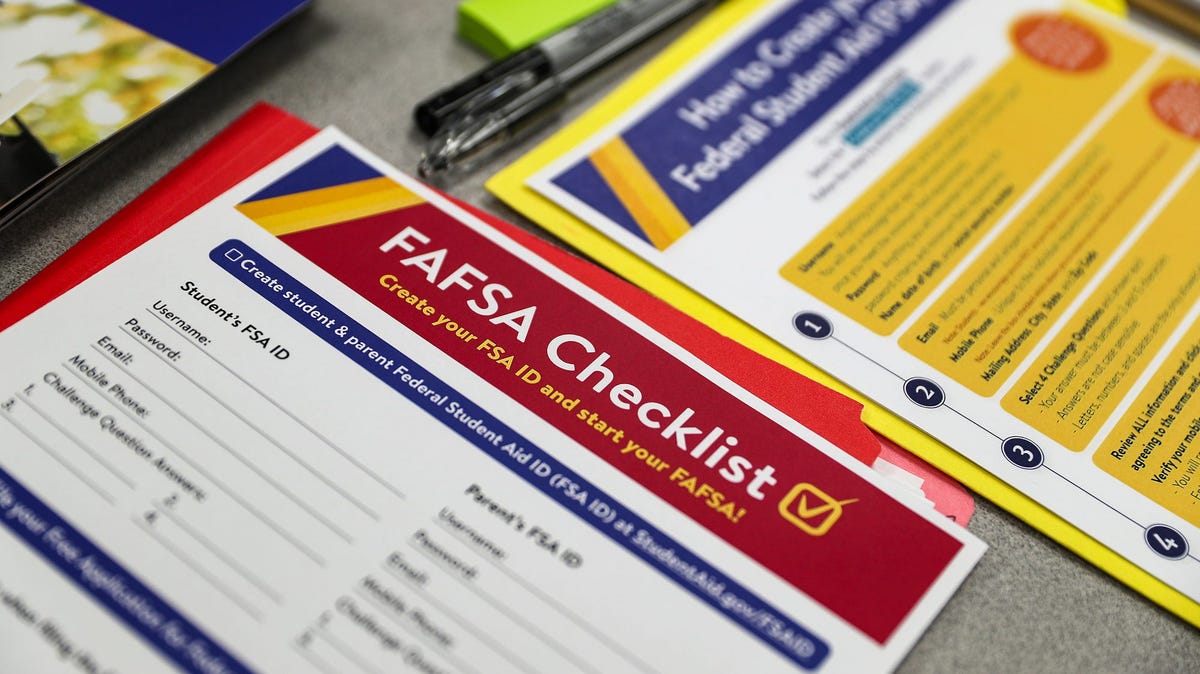
The rollout of the new FAFSA form by the Education Department faced significant delays and technical issues, disproportionately affecting low-income students who rely heavily on financial aid for college. An analysis revealed a sharper decline in processed applications from schools with high percentages of economically disadvantaged students compared to high-income schools. Despite efforts to address the issues, the initial impact has raised concerns about widening equity gaps in college access and enrollment.
College enrollment is on the rise for the first time since the pandemic began, with more undergraduates enrolling and applications increasing. However, the chaotic rollout of the new FAFSA has caused massive delays, potentially erasing these gains. The FAFSA complications could make college unaffordable for many, particularly low-income students, and enrollment-dependent institutions are vulnerable. The Department of Education is under pressure to fix these errors quickly, as the future of higher education enrollment hangs in the balance.
Former top student loan official Wayne Johnson accuses the U.S. Department of Education of "malicious negligence" in handling ongoing technical issues with the new Free Application for Federal Student Aid (FAFSA). The problems with the form have led to fewer students applying for financial aid, causing concerns about college affordability and enrollment. The Education Department is facing criticism and calls for federal inquiry, as delays in resolving the issues could have disastrous consequences for students and schools.
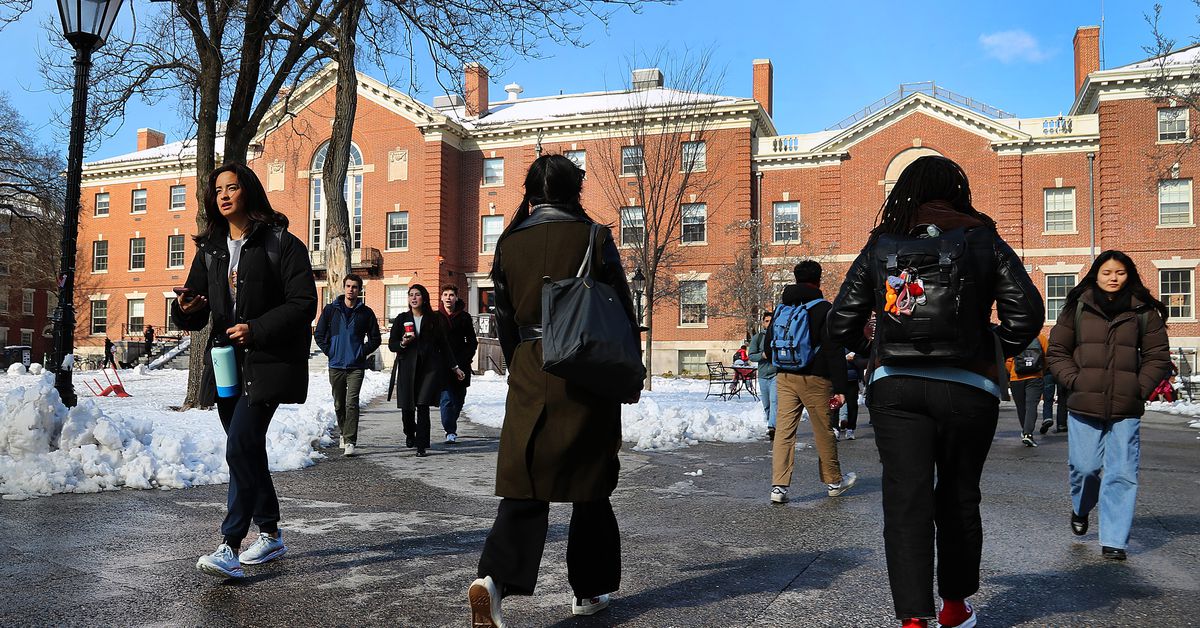
Due to delays and errors in the new FAFSA form, colleges and universities in Massachusetts are being urged to extend enrollment deadlines to provide prospective students relying on financial aid with more time to consider offers from different schools. The Department of Education's mishandling of the FAFSA has caused delays in sending financial aid information to colleges, potentially leaving applicants with less than 30 days to make decisions. Some Massachusetts schools have already extended their deadlines, while prestigious institutions like MIT and Harvard are considering case-by-case exceptions. This move could set a precedent for other schools nationwide to follow suit.
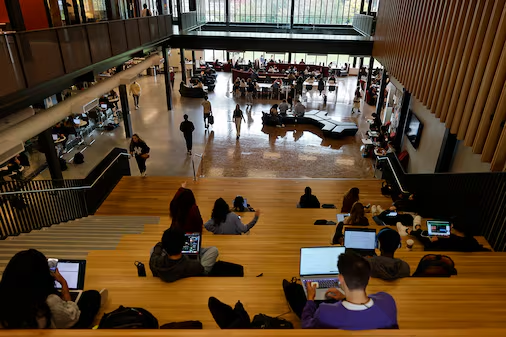
College enrollment in the United States has been declining, with freshman enrollment dropping 3.6% this fall, particularly in bachelor's programs at public and private four-year institutions. Completion rates have also stalled, with only about 62% of students who started college in 2017 graduating. Rising college costs and student debt have led more students to question the return on investment of a college education. Financial obstacles, including program costs and the need to work, have caused low-income students to opt out. While President Biden's plan to forgive student debt has been blocked, there are other programs in place to help reduce payments and eventually forgive loans.
Young adults in the US are taking longer to achieve financial independence and other key life milestones compared to four decades ago, according to a Pew Research Center analysis. The study found that in 2021, 21-year-olds were less likely to have a full-time job, be financially independent, live on their own, be married, or have children than their predecessors from 1980. The reasons for the differences include higher college enrollment and higher costs for housing, buying a car, food, and gas. More than two-thirds of parents have made or are currently making financial sacrifices to assist their adult children, but experts advise parents to examine their own situation before offering help.
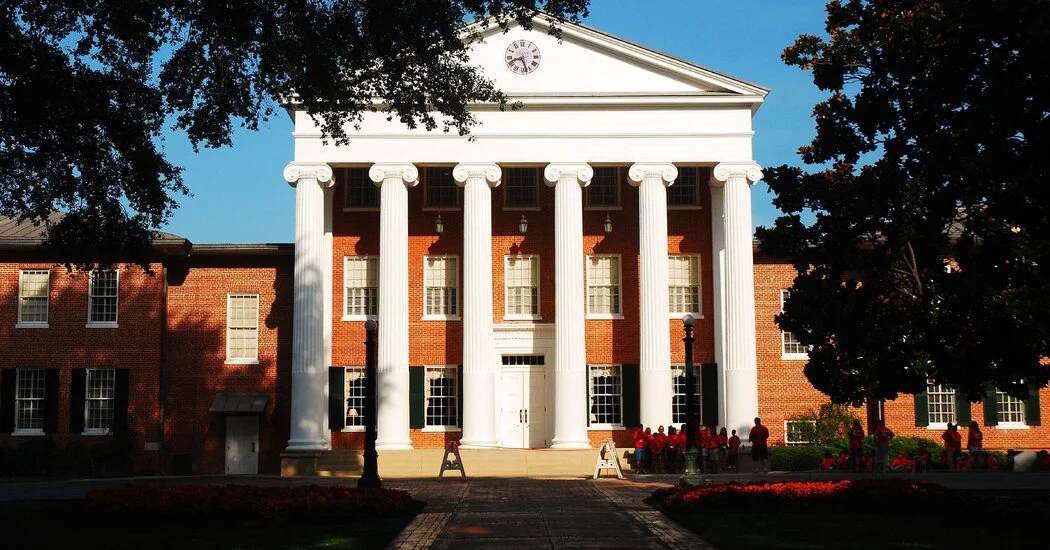
College enrollment continues to decline as students question the value of a four-year degree, with over 1 million fewer students enrolled in college three years after the Covid pandemic. Rising costs and large student loan balances are causing more young adults to reconsider their plans after high school, with concerns over the value of a four-year degree. However, research shows that earning a degree is almost always worthwhile, with bachelor's degree holders generally earning 75% more than those with just a high school diploma. Trade school students are also more likely to be employed after school than their degree-seeking counterparts.