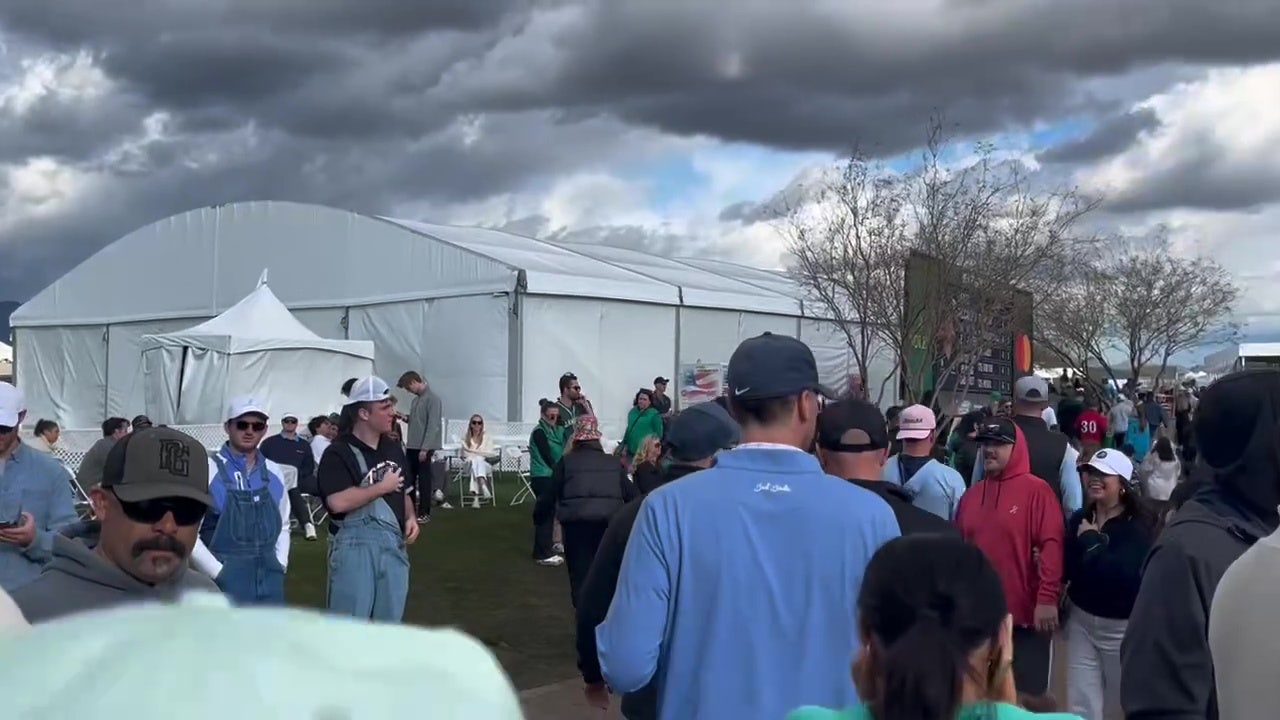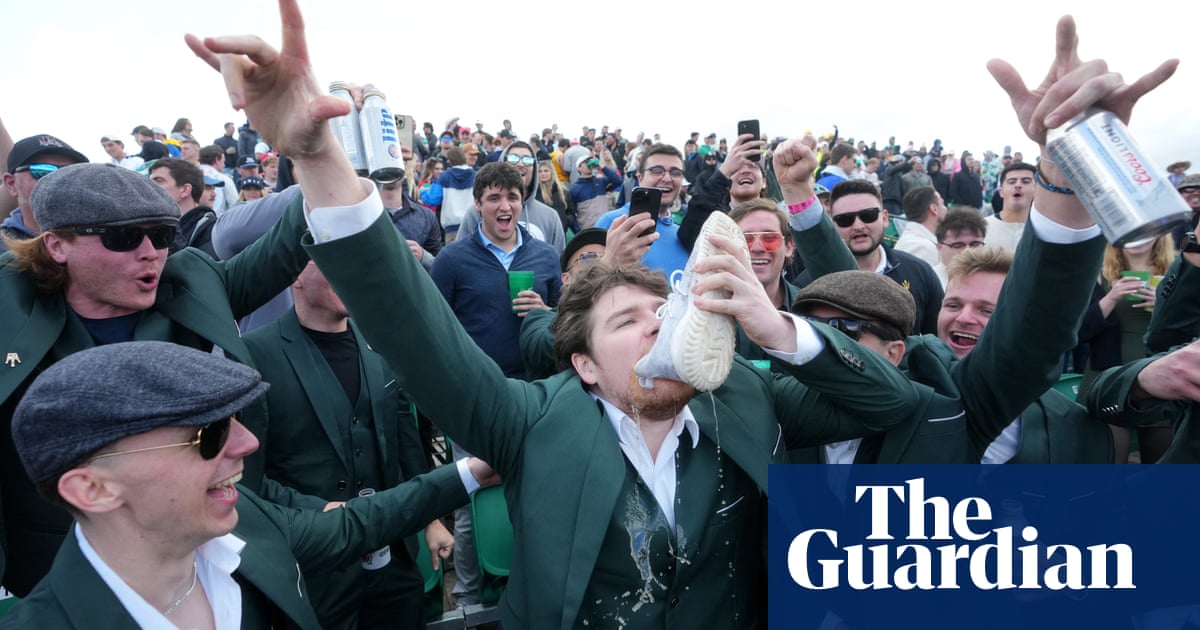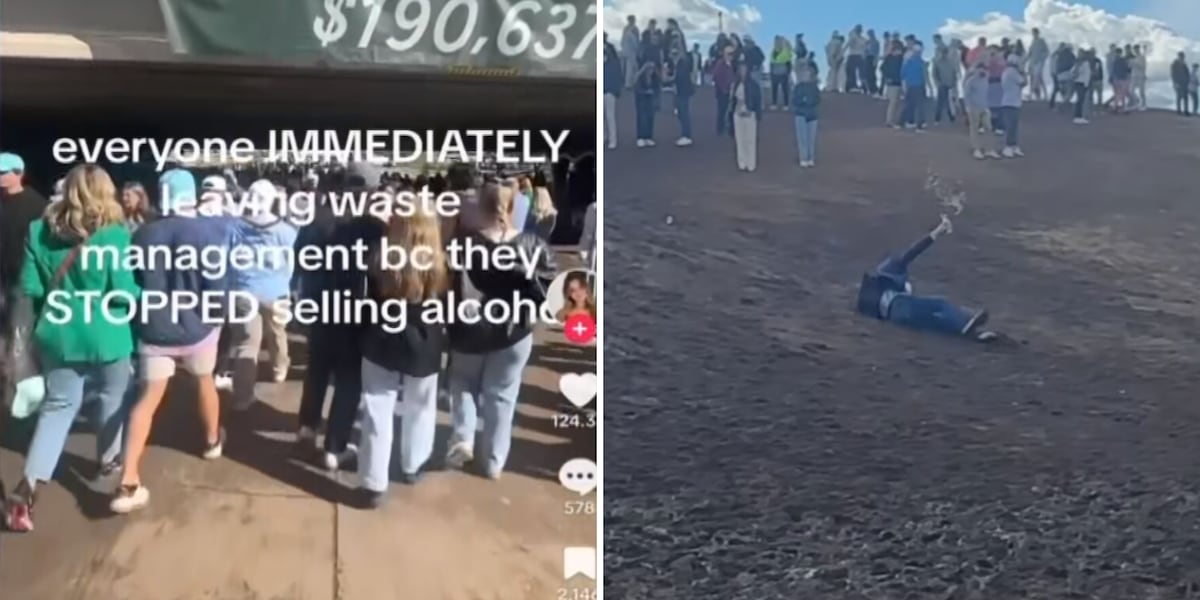
The WM Phoenix Open faced challenges on Saturday as large crowds and wet weather led to congestion and safety concerns, prompting organizers to close the gates and stop alcohol sales. The decision was made to alleviate congestion and ensure public safety, despite some attendees being turned away. Officials are now addressing concerns and considering options for ticket refunds, while emphasizing that the priority was protecting the safety of fans.
The WM Phoenix Open faced challenges with bad weather and large crowds, leading to the closure of gates and the halt of alcohol sales on Saturday. Scottsdale Fire supported the decision to stop alcohol sales in order to disperse the crowd, with 60 calls for service and 11 transports reported. Bartender Dustin Williamson described the chaotic scene and frustration among workers, highlighting the financial impact of the sudden alcohol sales halt. Efforts to obtain a response from tournament officials regarding prevention and future protocols were unsuccessful.
Entry into the WM Phoenix Open was paused due to larger than usual crowds and wet weather, leading to severe congestion at key points on event grounds, with alcohol sales stopped at certain locations to encourage people to move to open areas on the course. Fans took to social media to air grievances over the management of the event, with some expressing frustration over ticket scanning, lack of alcohol sales, and limited food and water availability. The Thunderbirds, organizers of the event, apologized for the inconvenience and are discussing options to remedy fans' concerns.
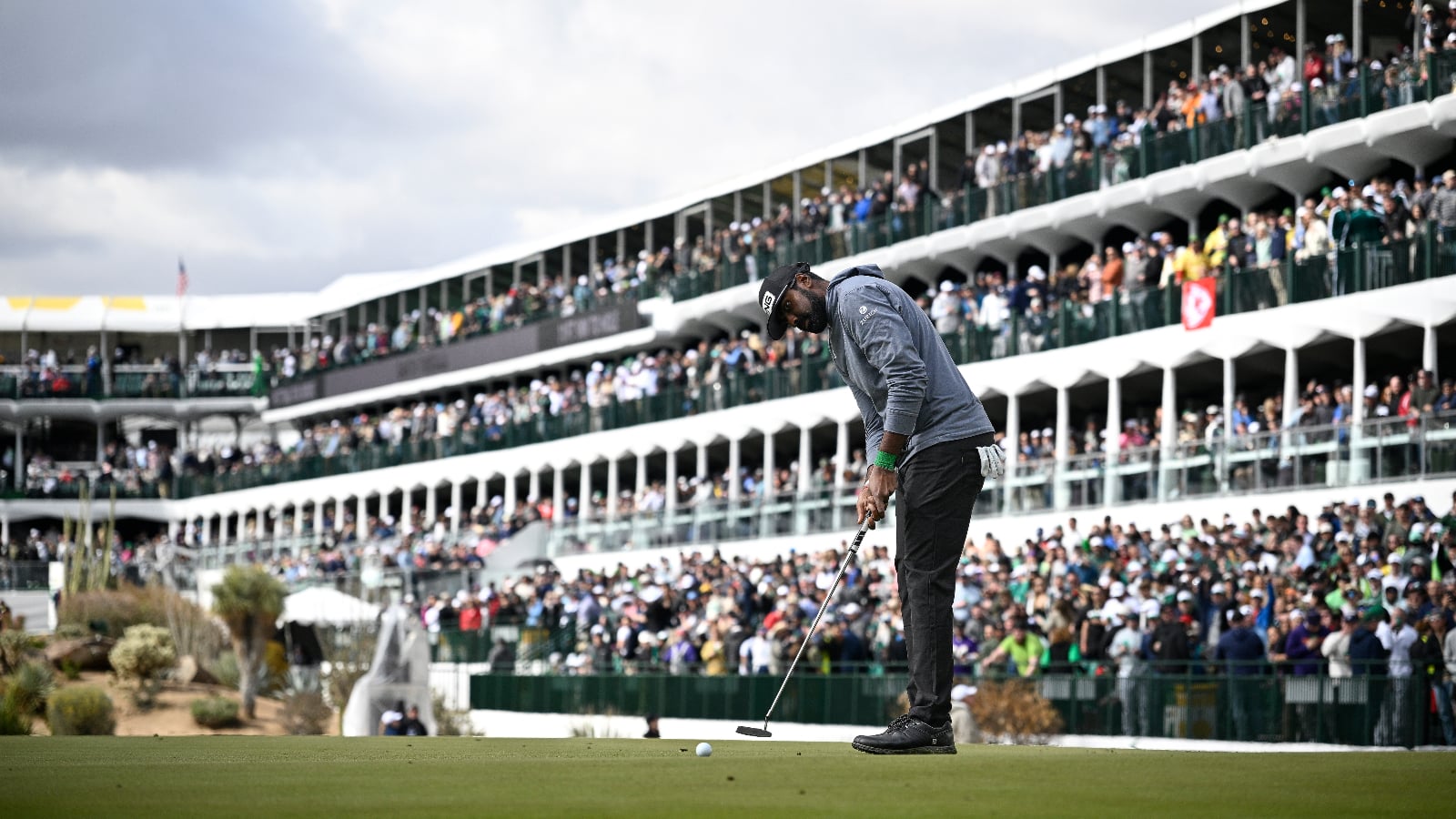
The Phoenix Open at TPC Scottsdale closed its gates and briefly halted alcohol sales due to overcrowding, marking the first time the tournament had to turn away ticket holders. Despite inclement weather, the event drew massive crowds, with up to 200,000 fans packing the Stadium Course. The rowdy atmosphere, particularly at the 16th hole, has earned the tournament the moniker "Greatest Show on Grass."
The Waste Management Open at TPC Scottsdale had to close its gates and stop alcohol sales due to rowdy behavior from fans, including one who ran onto the course and dove into a bunker. The 16th hole at TPC Scottsdale is known for its lively atmosphere, but the unruly behavior may prompt the course or the PGA to impose stricter measures in the future.
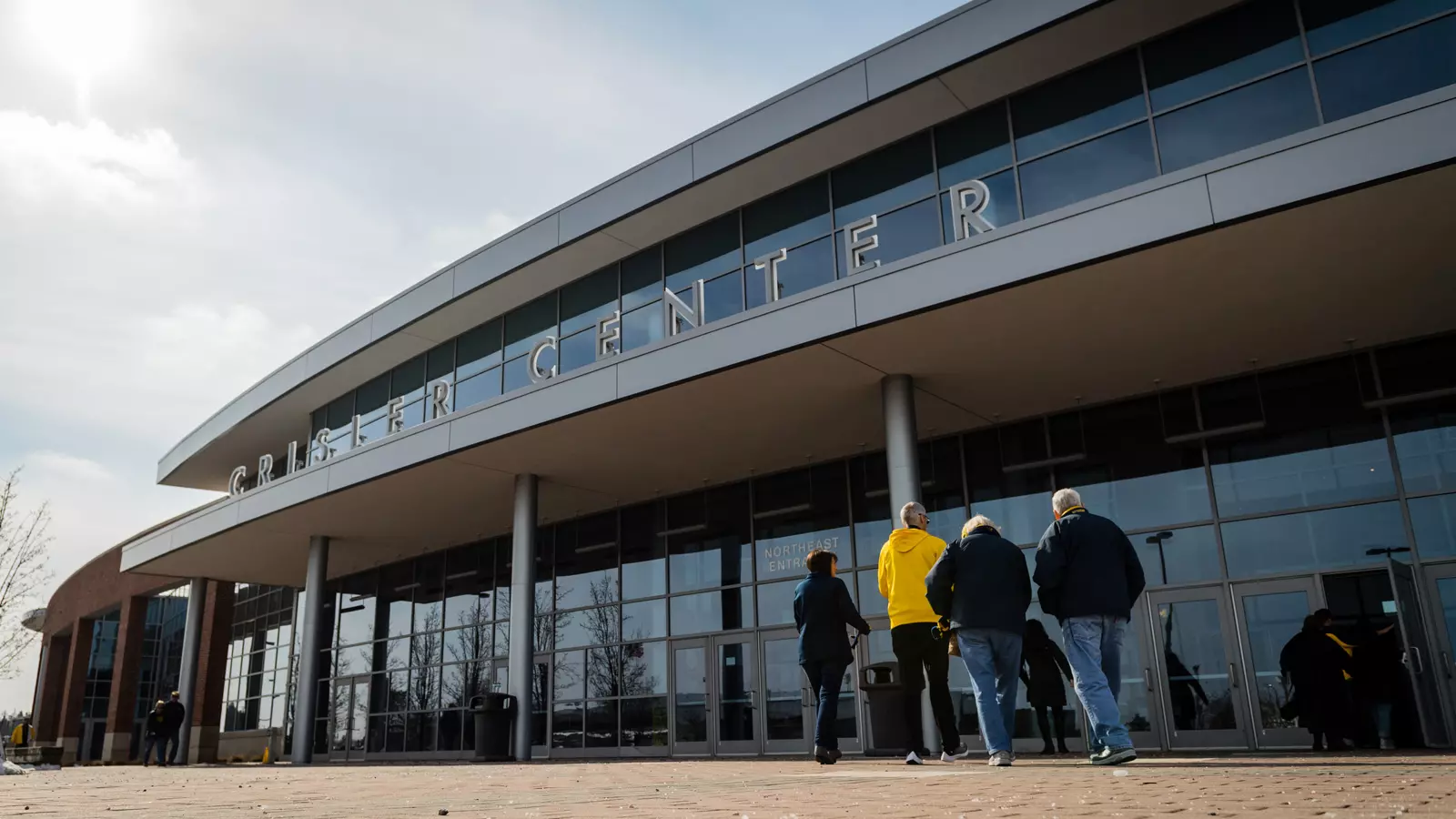
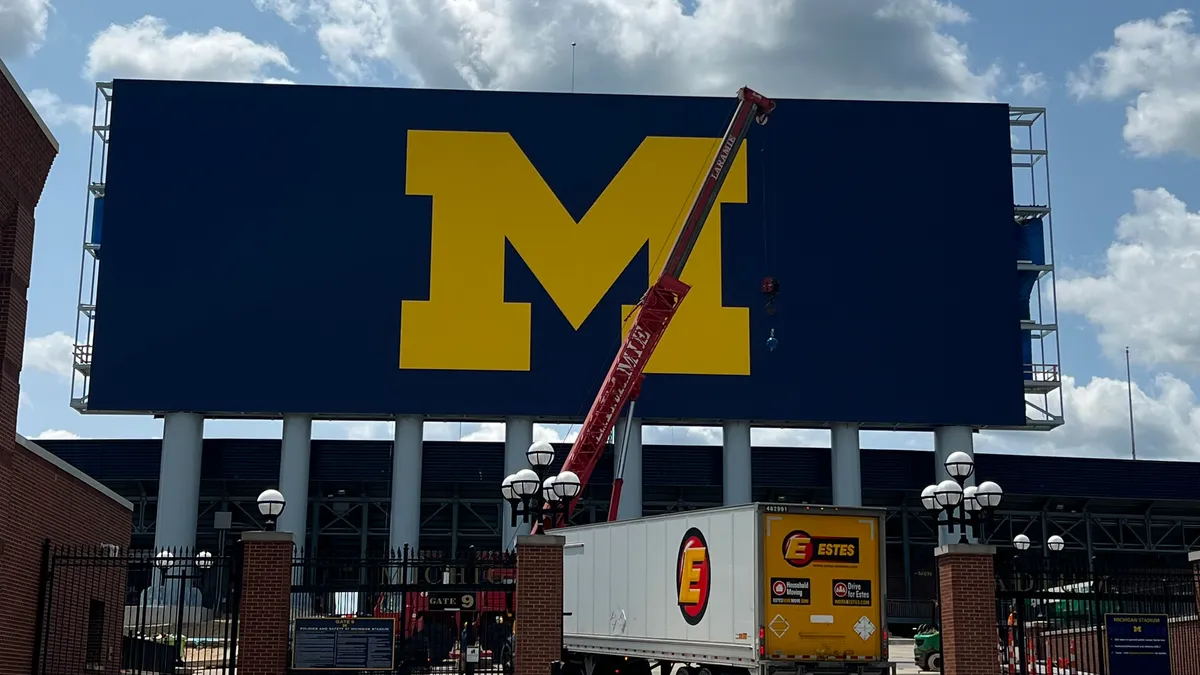
The University of Michigan Athletics Department has been approved for state liquor licenses and will begin offering the sale of alcohol at events in Crisler Center and Yost Arena, starting with a wrestling meet against Iowa on Feb. 2. The first men's basketball game with alcohol sales will be on Feb. 3, and the first ice hockey game with alcohol sales will be on Feb. 9. The implementation of alcohol sales follows bipartisan legislation enacted last summer, and regulatory features will be in place to ensure a safe and enjoyable experience for all fans.
Saudi Arabia has made a significant policy change by allowing the sale of alcohol for the first time, but only to foreign diplomats. This move marks a departure from the country's strict alcohol ban and is seen as an effort to improve relations with the diplomatic community.
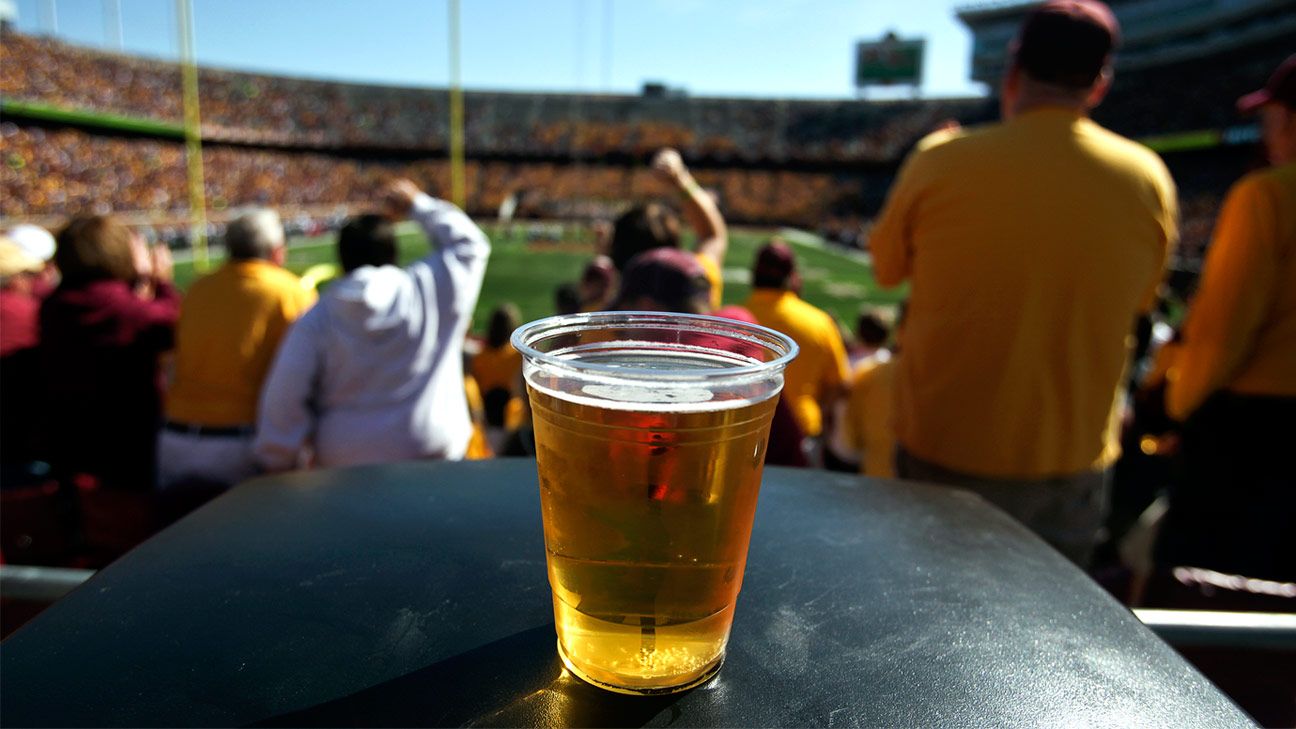
A survey conducted by The Associated Press reveals that 80% of major college football schools, including those in the Power 5 conferences and Notre Dame, now sell alcohol in the public areas of their stadiums on game days. This trend has been on the rise over the past decade, with schools recognizing it as a way to generate more revenue and attract fans. Some schools sell alcohol in nonpublic areas or not at all, but the majority have embraced alcohol sales as a means to enhance the fan experience and increase profitability.
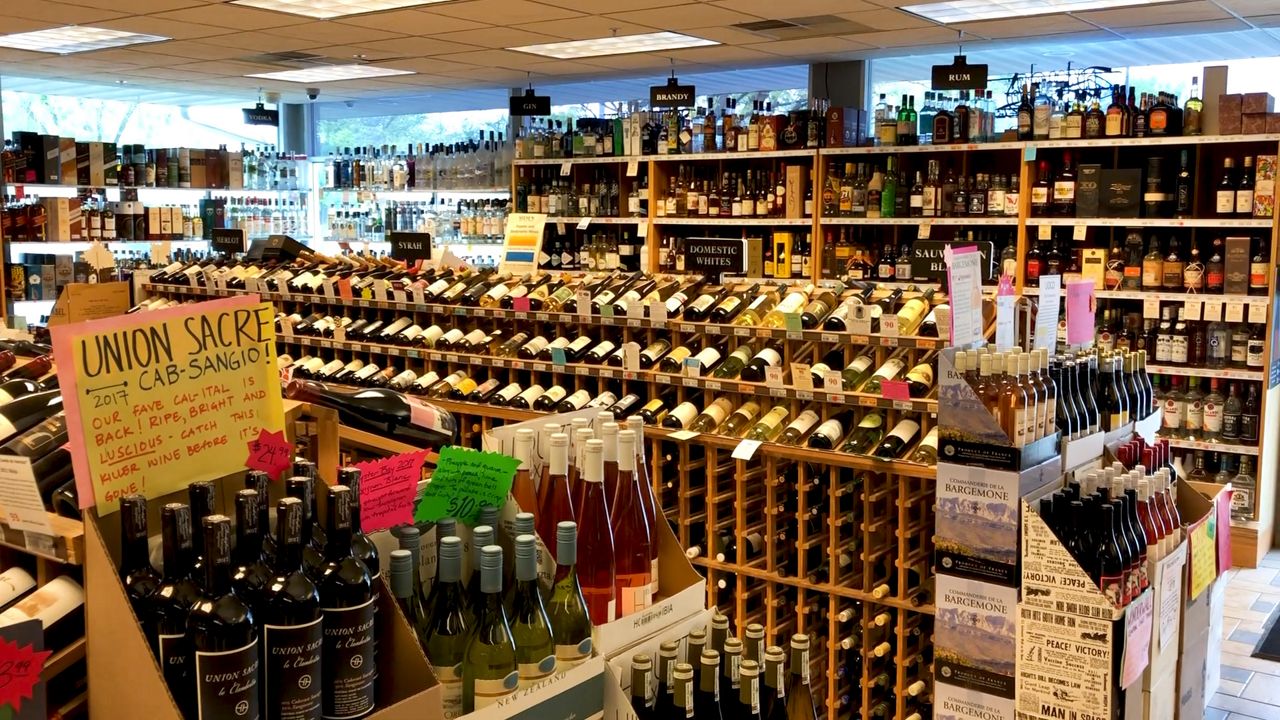
New York Governor Kathy Hochul has signed a package of legislation aimed at improving alcoholic beverage laws, including expanding Sunday alcohol sales. The new laws allow for the retail sale of beer on Sundays, extend the operating hours of liquor and wine stores, and make other changes to benefit businesses in the alcohol industry. The legislation aims to modernize the state's alcohol sales regulations and support small businesses while addressing historic "blue laws."
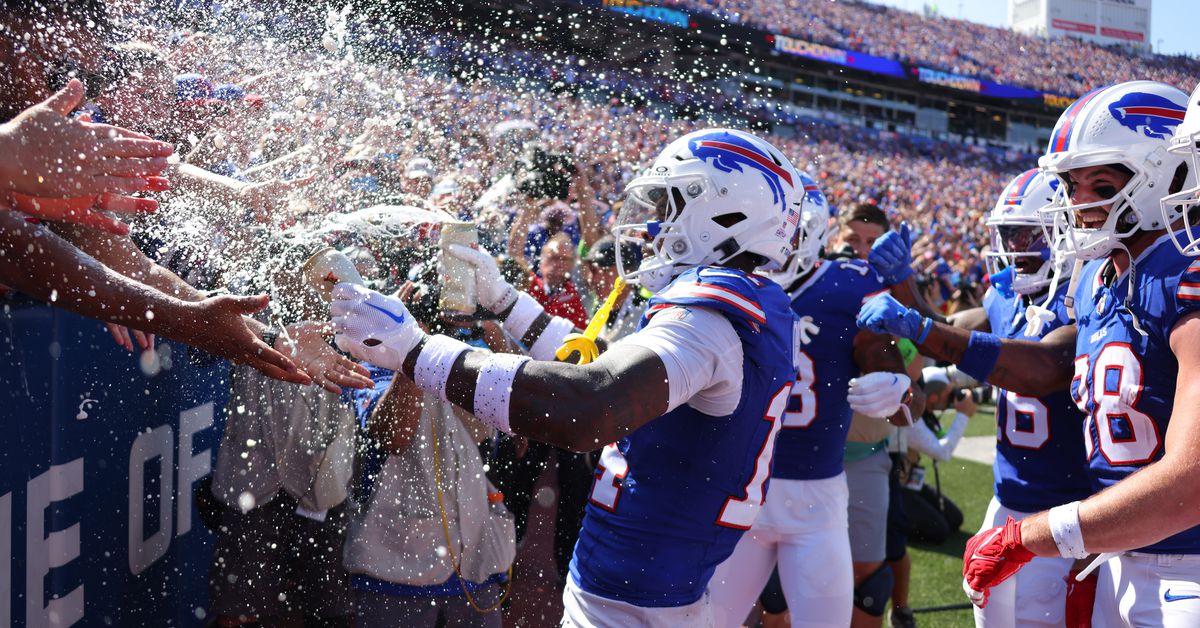
New York State's alcohol sales restrictions will clash with the early morning start time of the Buffalo Bills' game in London, leaving fans without access to alcohol until 10 a.m. in bars and restaurants, and noon in liquor stores. The ban on alcohol sales between 4 a.m. and 10 a.m. will also complicate matters for fans in Rochester who rely on over-the-air broadcasts. New York State has made recent changes to its alcohol laws, but some proposed reforms are still pending. Fans are advised to plan ahead and check with establishments for availability.
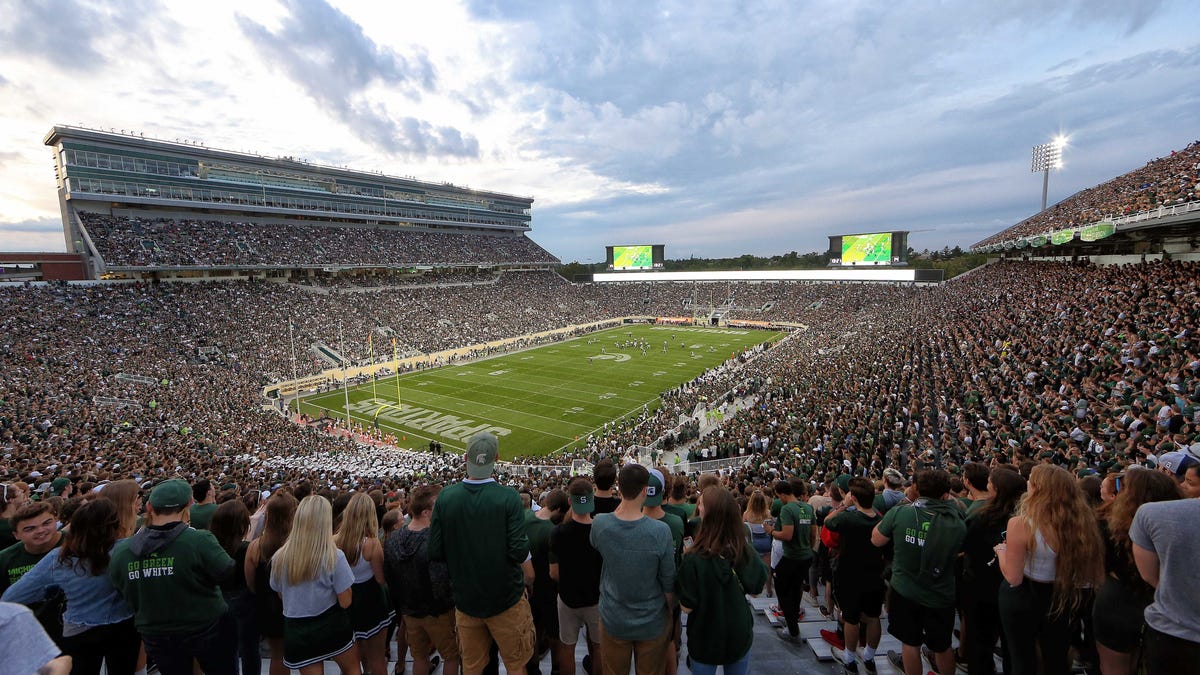
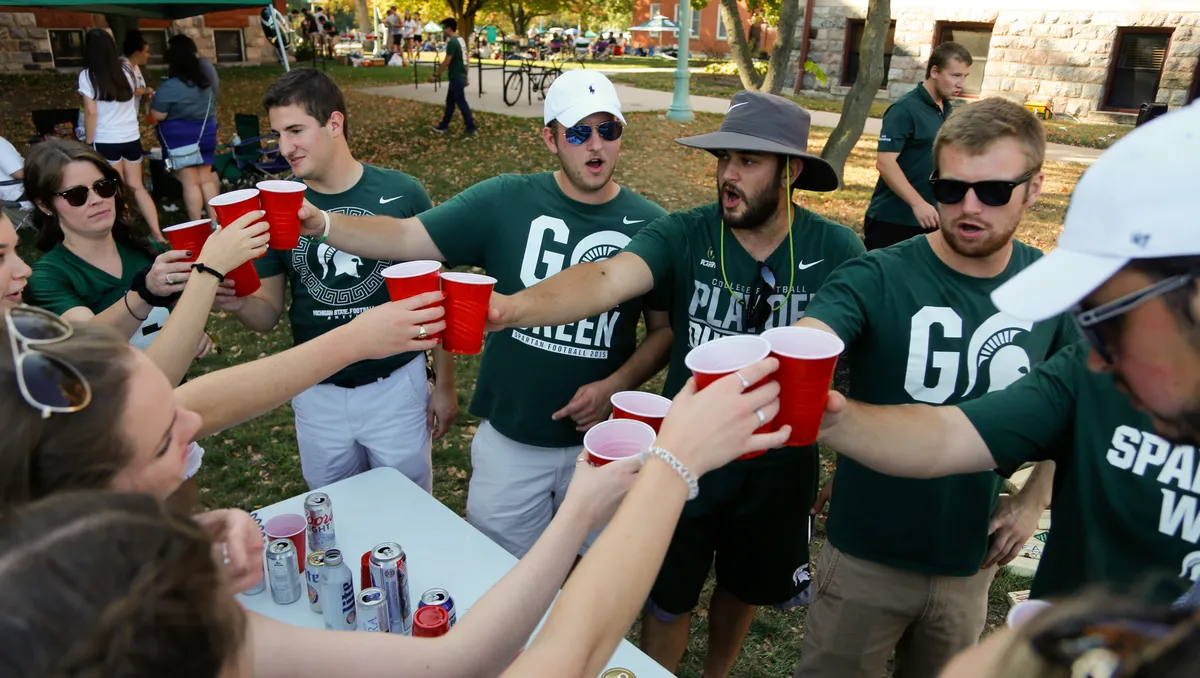
Michigan State University has implemented several changes for fans attending the home football opener, including increased parking fees, security measures, and restrictions on tailgating amenities. Alcohol sales at the stadium will not begin until mid-September, and the bag policy remains the same as last year.
The Board of Trustees at Michigan State University has unanimously approved plans for alcohol sales at Spartan Stadium, with hopes of having state licenses in hand for the home games starting on September 16. The sales will be limited to two beverages per person and will begin one hour before the game, ending when there are 5 minutes left in the third quarter. The estimated revenue from alcohol sales is around $250,000 per home game, with the funds being split between athletics, student life and engagement, culinary services, and health and well-being. The move brings MSU in line with other universities in the Big Ten conference, with only four schools remaining that do not sell alcohol at their football venues.
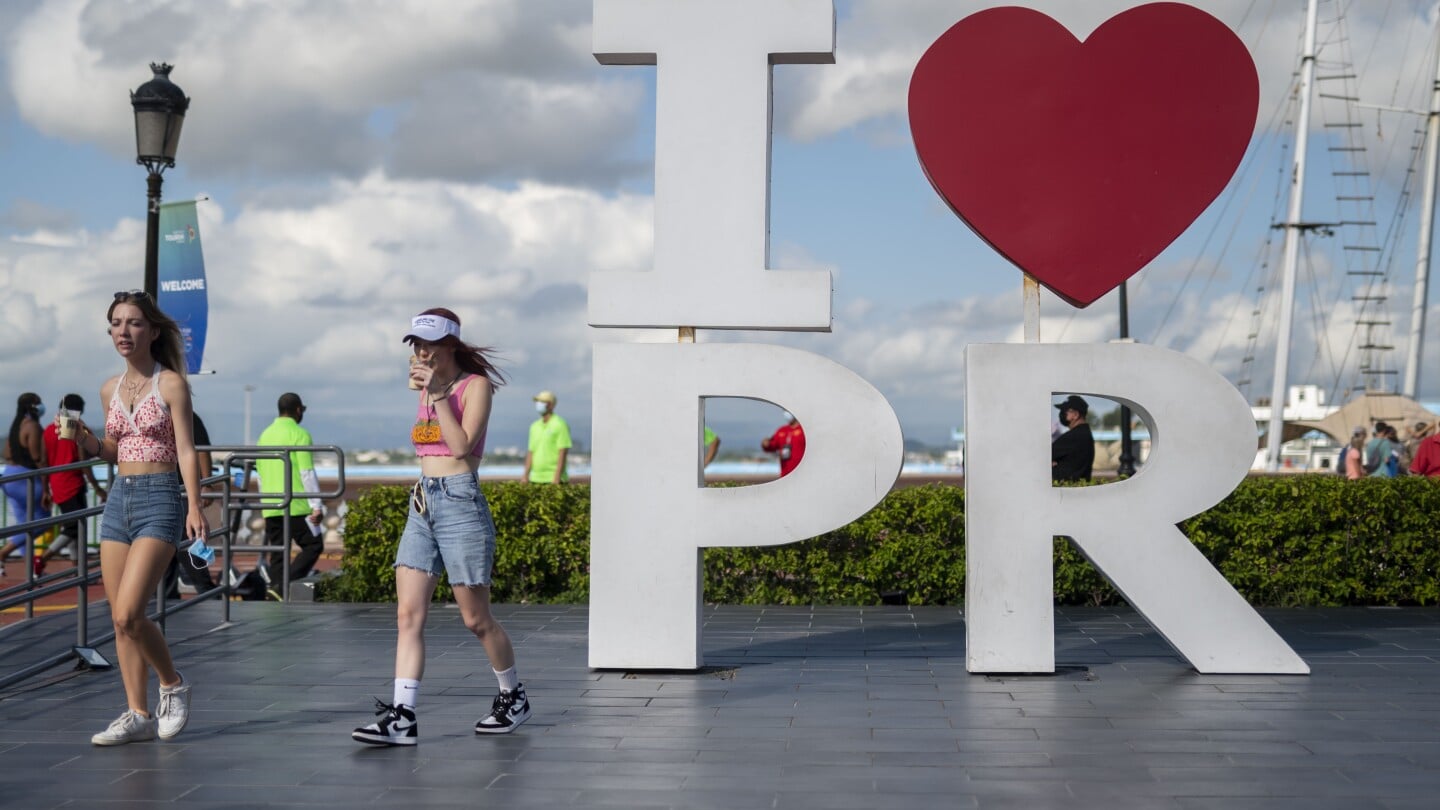
San Juan, Puerto Rico's capital known for its vibrant nightlife, is set to implement a new municipal code in November that will restrict alcohol sales after certain hours. The code, signed by Mayor Miguel Romero, aims to curb violence and noise but has faced opposition from businesses and residents accustomed to late-night partying. The new rules will not apply to hotels and their guests. Supporters argue that the code will strengthen the economy and tourism, while critics fear a drop in revenue and question its enforcement.
Michigan public universities have been granted the ability to sell alcohol at sporting events, including football, hockey, and basketball games. The new law allows for licensing at all 15 public universities in the state, with sales permitted an hour before kickoff, tip-off, and puck drop, and ending with the conclusion of the game. However, it remains uncertain whether alcohol sales will be available at the first home games of the upcoming college football season, and many questions regarding the rules and regulations surrounding in-stadium drinking remain unanswered. Advocates argue that allowing alcohol sales will reduce binge drinking before games, while opponents express concerns about potential negative effects and safety issues.
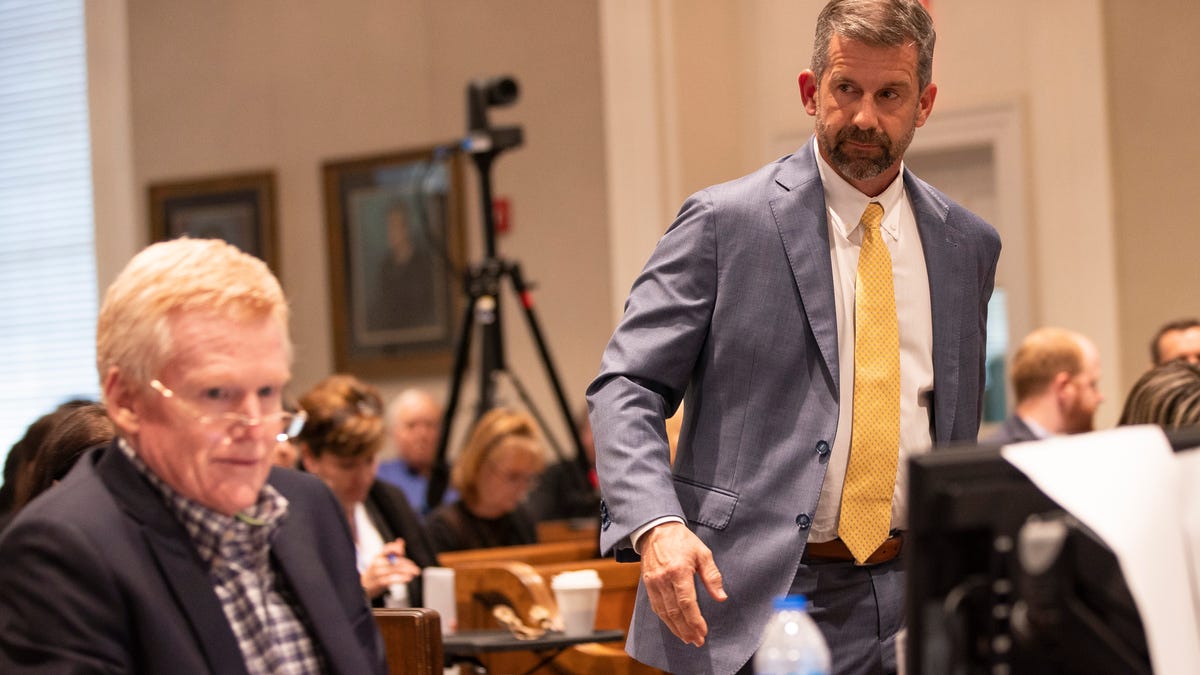
The family of Mallory Beach, who died in a boat crash in 2019, has reached a $15 million settlement in their wrongful death suit against Parker's convenience store. The family hopes that the settlement will send a message to those who sell alcohol illegally, emphasizing the need for accountability and responsible practices. The settlement does not affect the ongoing civil conspiracy and harassment case against Parker's.