The Philippines is experiencing a rapid increase in HIV cases, especially among young men and transgender individuals, driven by factors like late diagnosis, limited access to testing and treatment, stigma, and aggressive HIV strains. Despite available prevention tools, awareness and testing rates are low, and international funding cuts have hampered response efforts. A comprehensive, stigma-reducing approach involving education, accessible healthcare, and community support is crucial to curb the epidemic and meet global targets.
Ontario County in the US faces a public health emergency due to a rapid increase in tick-borne illnesses like Lyme disease, with 296 cases reported in 2025, driven by warmer weather and increased deer populations. Local officials are implementing awareness campaigns and deer management plans to combat the spread and protect vulnerable populations, especially children and the elderly.
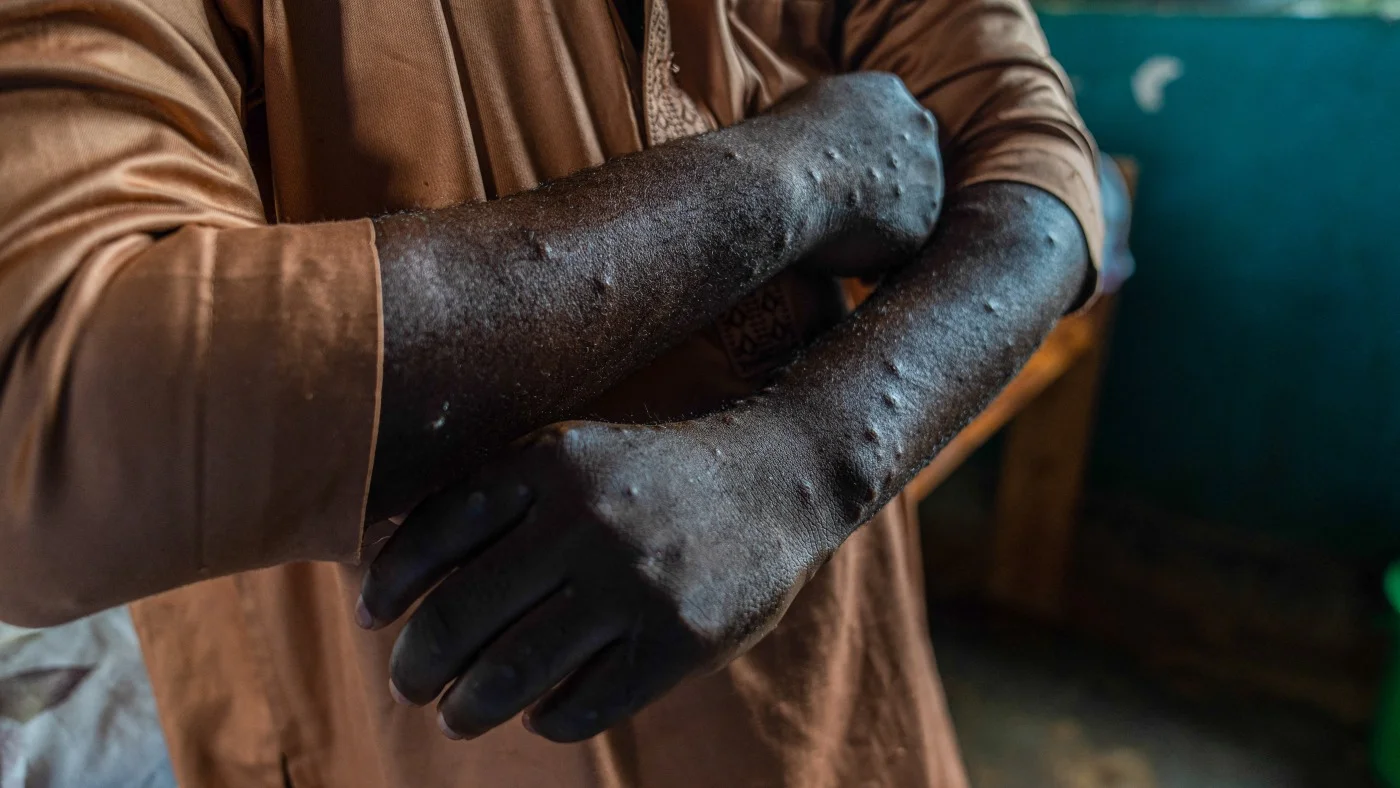
Despite declarations of a global health emergency in August 2024, mpox has largely faded from headlines, but the outbreak persists with over 100,000 suspected cases in Africa and a significant spread worldwide. Challenges include limited data, vaccine shortages, and delayed responses, though some progress has been made in testing capacity and vaccine approval. Experts warn that the virus could become more entrenched if global efforts remain insufficient, highlighting the need for sustained action to prevent future outbreaks.
Mississippi has declared a public health emergency due to a rise in infant mortality rates, reaching the highest in over a decade, with disparities especially affecting Black infants. The crisis is linked to factors like prematurity, low birth weight, and systemic inequities, compounded by federal funding cuts and Medicaid policy challenges. State officials aim to address these issues through expanded prenatal services and improved care systems, emphasizing that broader social determinants and healthcare access are critical to reducing infant deaths.
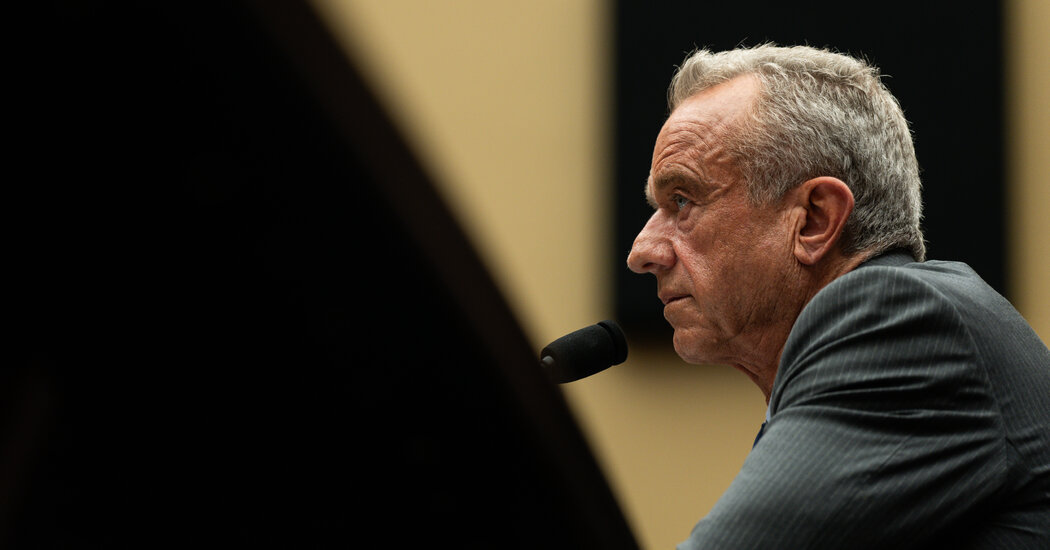
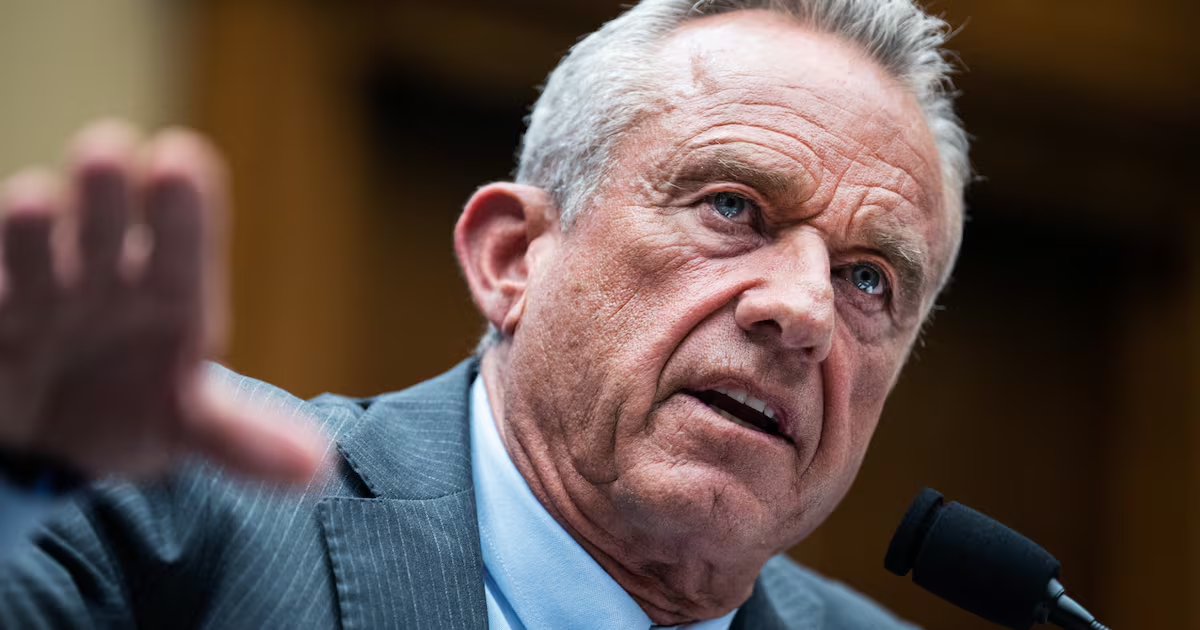
Senator Chuck Schumer urged Health Secretary Robert F. Kennedy Jr. to declare a public health emergency over the rising measles cases in the US, which have reached a record high in 2025, to mobilize federal resources and control the outbreak, but no immediate action has been taken.
Senate Minority Leader Chuck Schumer criticized HHS Secretary Robert Kennedy Jr. for mishandling the measles outbreak, blaming him for undermining vaccination efforts and calling for a Public Health Emergency to mobilize resources, amid the highest cases in decades and preventable deaths.
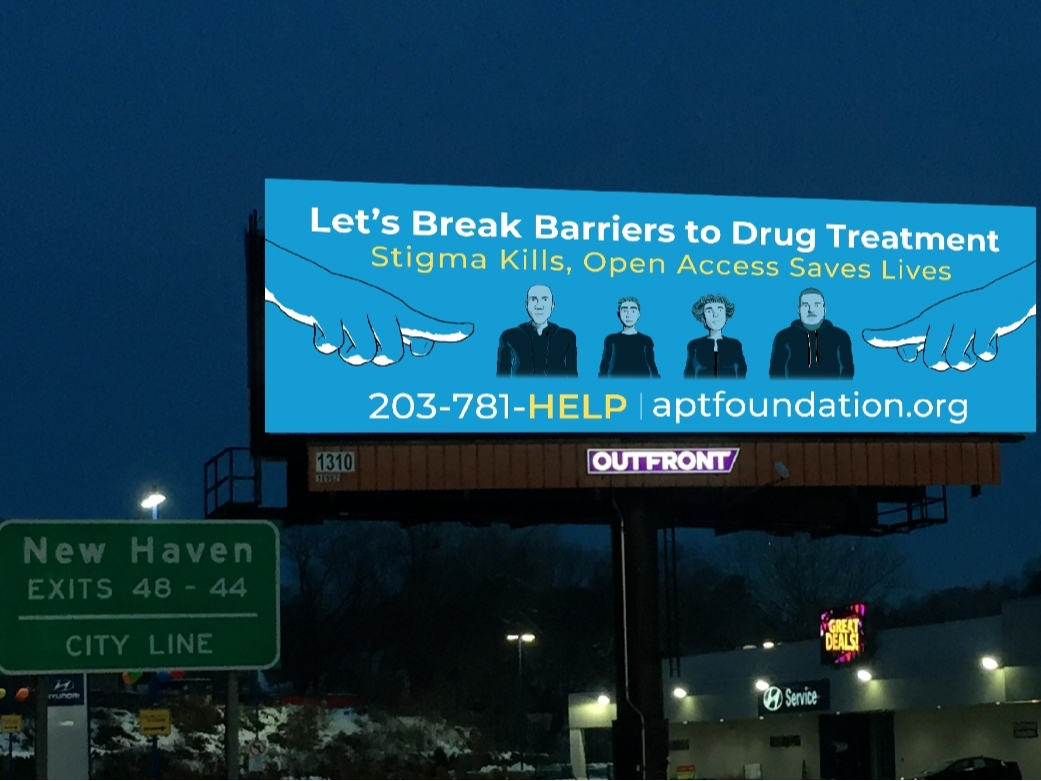
Since January, New Haven County has experienced 68 fatal opioid overdoses, prompting calls for urgent action. The APT Foundation has launched a campaign to improve access to immediate, low-barrier treatment for opioid use disorder, emphasizing the need to treat it as an urgent medical issue and eliminate systemic delays and stigma. Despite existing efforts, delays and barriers still hinder timely care, contributing to preventable deaths.
The World Health Organization (WHO) has granted Emergency Use Listing (EUL) for the LC16m8 mpox vaccine, developed by KM Biologics in Japan, to address the ongoing mpox public health emergency. This decision aims to improve vaccine access in areas experiencing outbreaks, such as the Democratic Republic of the Congo, which will receive 3.05 million doses from Japan. The vaccine is recommended for individuals over one year old, excluding pregnant and immunocompromised individuals. WHO emphasizes the importance of vaccines in a comprehensive response strategy, including testing, treatment, and community engagement.
Fake Botox obtained from unlicensed sources has caused at least 19 cases of vision problems and difficulty breathing and swallowing in nine states, prompting a joint investigation by the FDA, CDC, and state health departments. The counterfeit product, which may be misbranded, adulterated, or contaminated, poses serious health risks, including potential paralysis of respiratory muscles. Patients, mostly seeking cosmetic injections, received the fake Botox from untrained individuals in non-healthcare settings. The CDC is expected to issue a nationwide alert, and the FDA has provided identifying features of the counterfeit product. Authentic Botox from the drugmaker AbbVie is considered safe and effective.
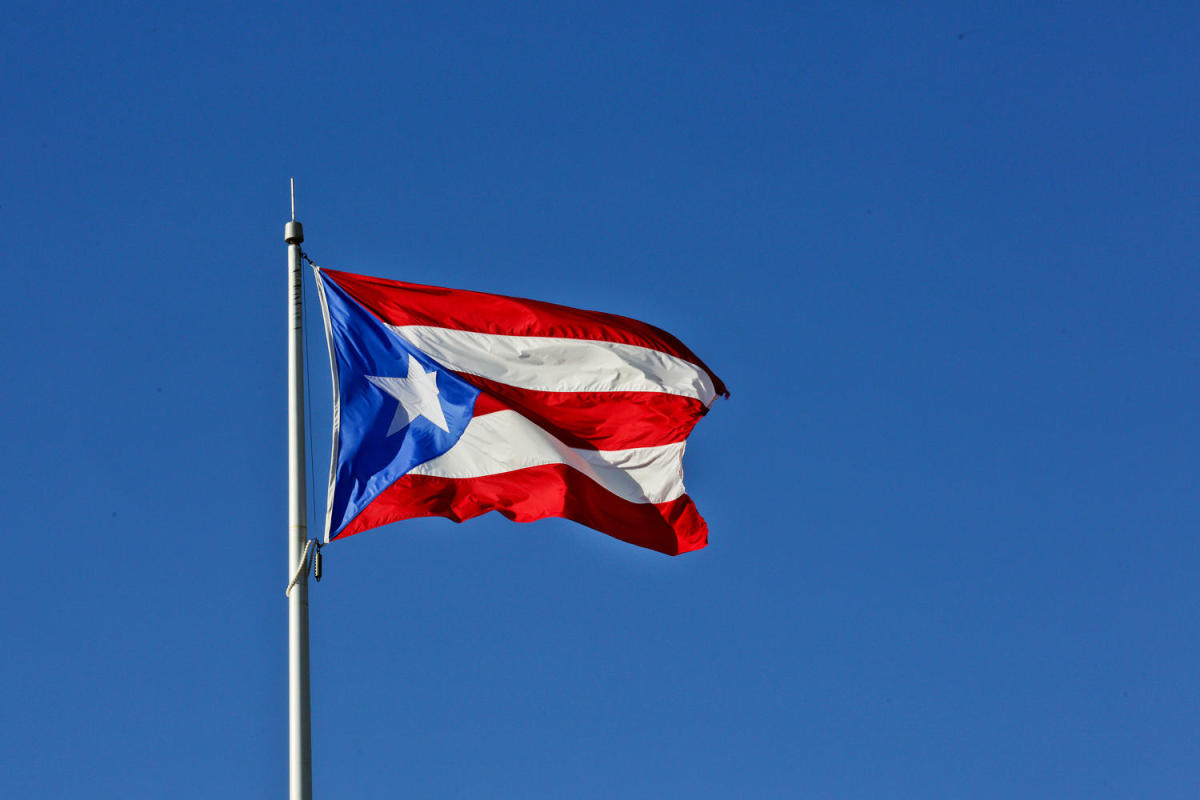
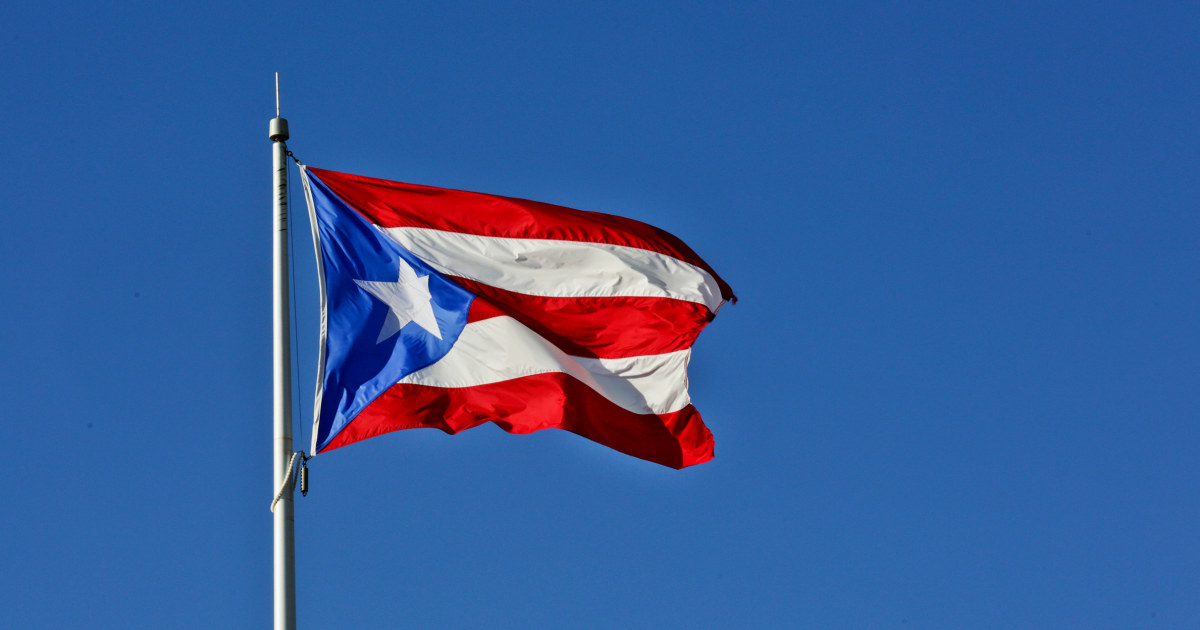
Puerto Rico has declared a public health emergency due to a 140 percent increase in dengue fever cases compared to last year, with 549 cases reported so far. Warmer temperatures and climate change are contributing to the spread of mosquito-borne illnesses globally. Factors such as El Niño, decaying infrastructure, and urban sprawl also exacerbate the situation. The disease, which can be severe and potentially deadly, has affected millions worldwide, with Brazil launching a public vaccination campaign. Governments are implementing various measures to control outbreaks, including public education, insecticide spraying, and deploying new technologies.
Puerto Rico has declared a public health emergency due to a significant increase in dengue fever cases, with over 549 reported since the start of the year. The outbreak has prompted the government to access necessary resources to combat the situation, as cases have exceeded historical figures. The most common symptoms of dengue fever include fever, headaches, nausea, and body pain, with severe cases potentially leading to hospitalization and even death. Efforts to prevent the spread of the virus include eliminating mosquito breeding sites and promoting the use of mosquito repellents. This marks the second time Puerto Rico has declared a dengue epidemic, with the last one occurring in 2012.
Puerto Rico has declared a public health emergency due to a significant increase in dengue fever cases, with 549 reported since the start of the year. The outbreak has led to a high hospitalization rate, but no fatalities have been reported. Symptoms of dengue fever can range from mild to severe, and prevention efforts include eliminating mosquito breeding sites and using repellents. The island's Health Department is working with the CDC to control the outbreak, emphasizing the need for collective action to prevent further spread of the virus.
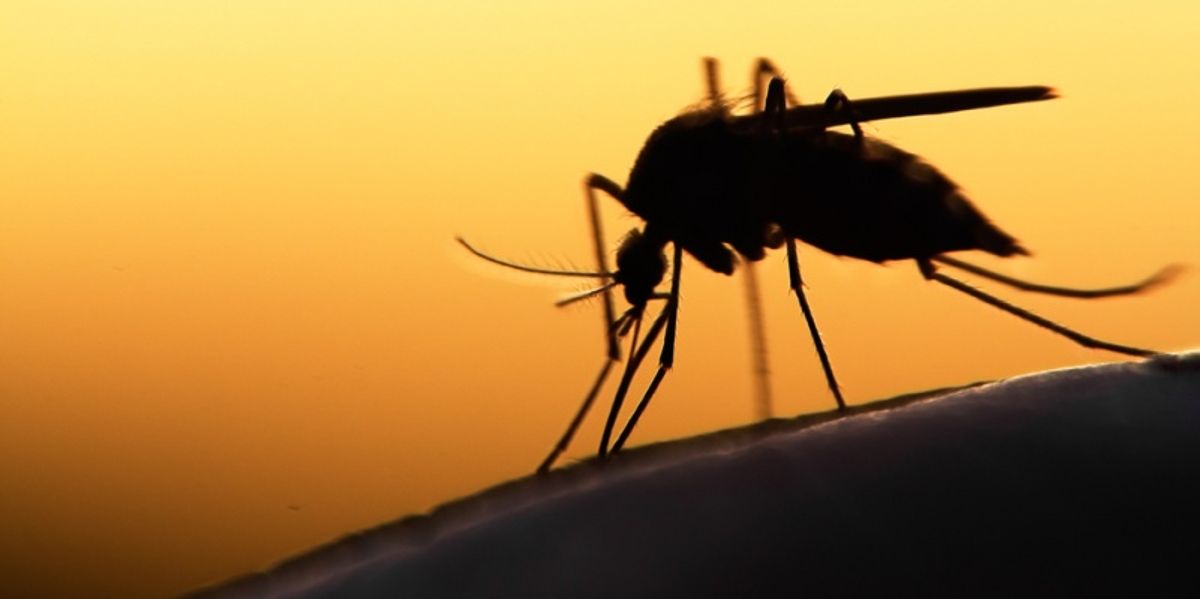
Puerto Rico has declared a public health emergency due to a surge in dengue cases, with 549 cases registered so far this year. Dengue, the most common mosquito-borne virus worldwide, is spread by the Aedes aegypti mosquito and can cause severe symptoms, including shock and internal bleeding. Health officials are urging people to use insect repellent and eliminate mosquito breeding sites, while also considering installing mosquito nets. Climate change is expected to encourage the spread of dengue around the world.
Puerto Rico has declared a public health emergency due to a significant increase in dengue cases, with 549 cases reported so far this year. Dengue, the most common mosquito-borne virus worldwide, is endemic in tropical and subtropical climates, and can cause severe symptoms including fever, nausea, and body aches. Health officials are urging people to use insect repellent and eliminate mosquito breeding sites, while also noting the potential impact of climate change on the spread of the virus.
Puerto Rico has declared a public health emergency due to a 350% increase in dengue fever cases this year, with over 540 reported cases. The potentially fatal infection, transmitted by mosquitoes, has also led to emergencies in other Caribbean and American regions. The World Health Organization attributes the rise to factors such as changing climate, El Niño patterns, and poor access to healthcare. Health experts recommend preventive measures like removing stagnant water and using bug spray, while the WHO warns that the virus's transmission patterns may be changing due to climate shifts.