The Philippines is experiencing a rapid increase in HIV cases, especially among young men and transgender individuals, driven by factors like late diagnosis, limited access to testing and treatment, stigma, and aggressive HIV strains. Despite available prevention tools, awareness and testing rates are low, and international funding cuts have hampered response efforts. A comprehensive, stigma-reducing approach involving education, accessible healthcare, and community support is crucial to curb the epidemic and meet global targets.
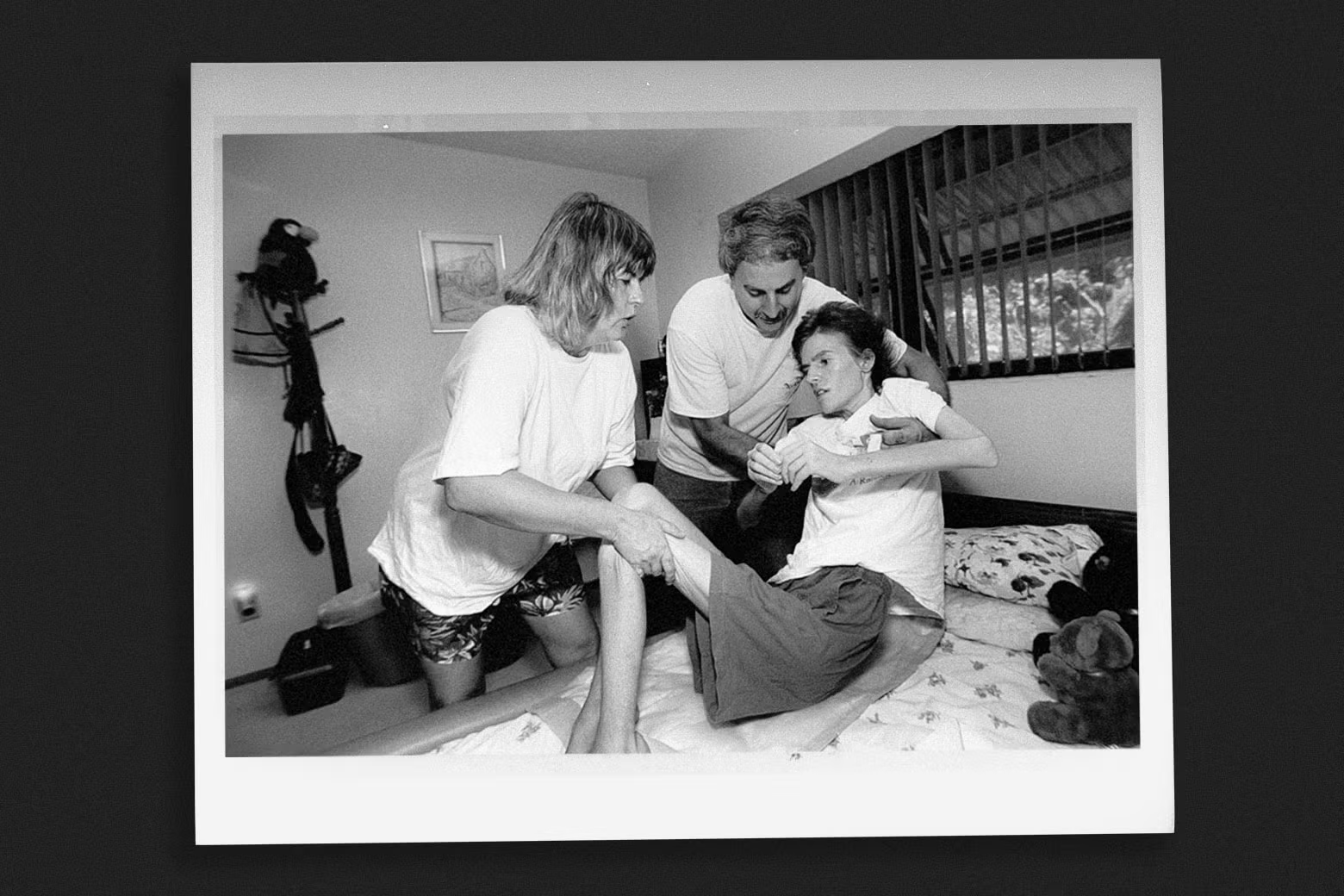
The article recounts the tragic and largely forgotten case of Kimberly Bergalis, a young woman who contracted HIV from her dentist in the early 1990s, sparking national debates on AIDS, medical ethics, and HIV testing policies. Her story highlighted the fears and stigmas of the AIDS epidemic, leading to proposed legislation and increased awareness, but also revealed the complexities and uncertainties surrounding HIV transmission and healthcare responsibilities. Despite her death and the controversy, no confirmed cases of healthcare worker-to-patient HIV transmission have been documented since.
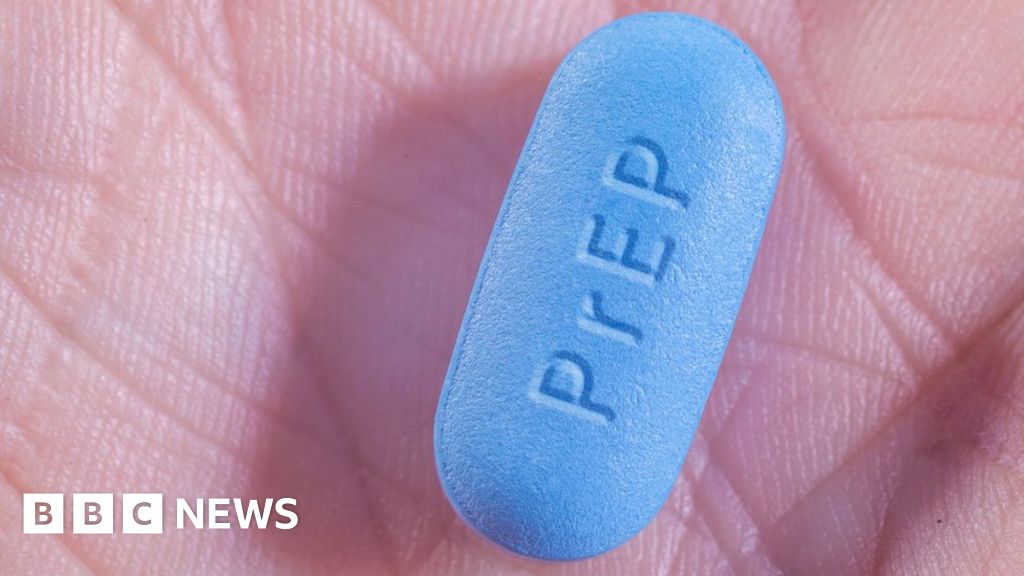
The availability of Pre-Exposure Prophylaxis (PrEP), a preventative drug for HIV transmission, has led to a 3% decrease in first diagnoses of HIV among gay and bisexual men in London, according to the Health Security Agency. However, there has been a 17% increase in new HIV diagnoses in the capital overall. PrEP, which has been free on the NHS in England since 2020, involves taking a pill containing the drugs tenofovir and emtricitabine before having sex. The uptake of PrEP has been highest among gay and bisexual men, but there is still a need to target more at-risk individuals, particularly those from ethnic minority groups.
A new study by GLAAD reveals that Generation Z, born between 1997 and 2012, is the least knowledgeable about HIV compared to other age groups. Only 34% of Gen Z respondents considered themselves knowledgeable about the virus, and 5% were not even aware of it. This lack of knowledge is concerning as HIV transmission rates are highest among those aged 13-35. The study also found that many Americans still feel uncomfortable interacting with people living with HIV, and there has been an increase in discomfort compared to the previous year. The majority of respondents believe that HIV stigma still exists and that HIV prevention should be taught in schools.
Sydney has achieved a significant milestone by almost eliminating HIV transmission, becoming the first city in the world to do so. Through a combination of prevention strategies, including widespread testing, early treatment, and the use of pre-exposure prophylaxis (PrEP), new HIV diagnoses have dropped to record lows. This achievement highlights the effectiveness of public health initiatives in combating the spread of HIV and provides hope for other regions in their efforts to control the epidemic.
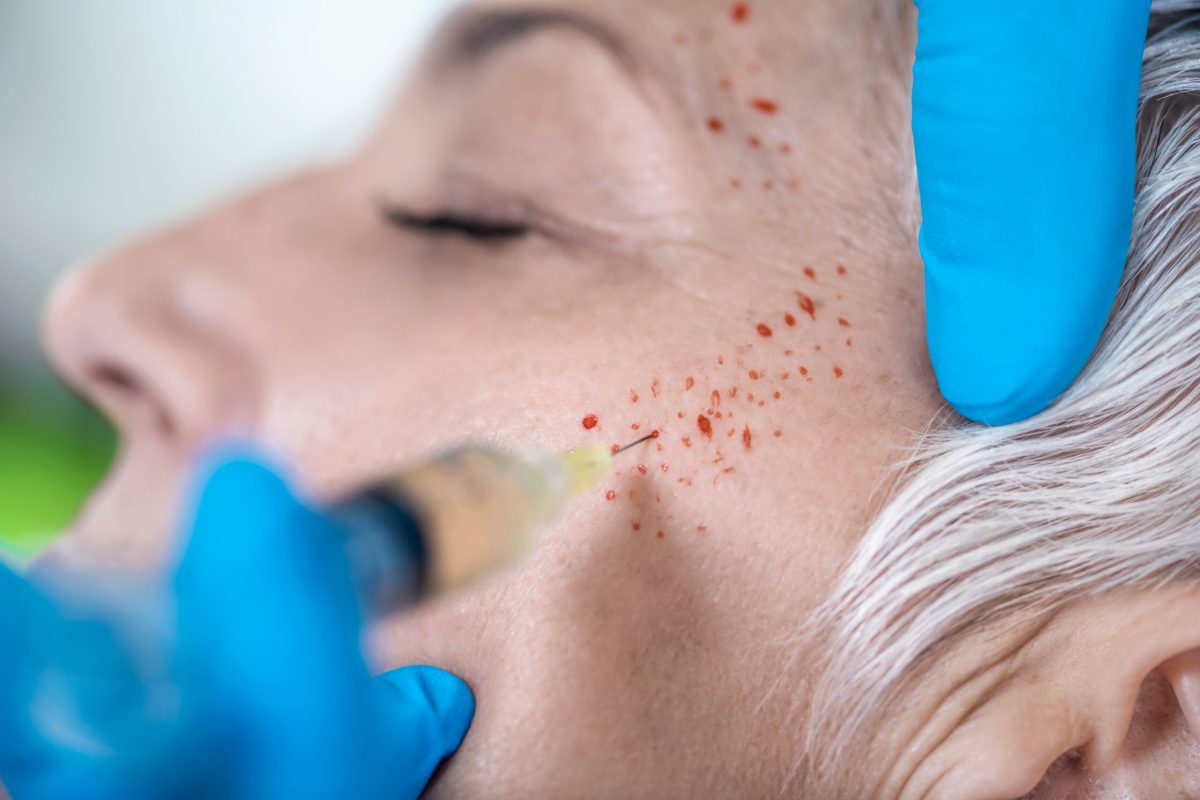
The New Mexico health department is urging former clients of the now-shuttered VIP Spa to get tested for HIV, hepatitis B, and hepatitis C, after another client tested positive for HIV. The spa offered services such as vampire facials, which involve injecting the client's own blood back into their face. The spa owner, Maria de Lourdes Ramos de Ruiz, is currently in jail for practicing medicine without a license. The health department has identified additional HIV infections with a connection to services provided at the spa and is encouraging all former clients to get retested.