An individual diagnosed with stage 2 prostate cancer chooses active surveillance, viewing himself as a survivor who thrives despite the diagnosis, supported by faith, family, and community efforts to raise awareness and promote early testing, especially among Black men.
The article discusses the complexities of screening and treating metastatic prostate cancer in men over 70, highlighting that while routine PSA testing is generally not recommended due to slow disease progression and potential treatment side effects, individual decisions should be made based on health status. It covers modern diagnostic tools like MRI and PSMA scans, advances in treatment such as hormone therapy, chemotherapy, and targeted radiation, and emphasizes that recent progress has improved survival rates and management of the disease in older men.
Dr. Jamin Brahmbhatt emphasizes the importance of early detection for prostate cancer, with PSA testing being a vital tool for diagnosis. Regular screenings, especially for high-risk individuals, are crucial, and advancements in molecular urine and blood tests, imaging technology, and MRI technology have improved detection accuracy. Recent research and guidelines recommend earlier baseline PSA testing for Black men to address disparities in prostate cancer outcomes. Staying informed about screening guidelines and understanding individual risk factors is essential for proactive health care.
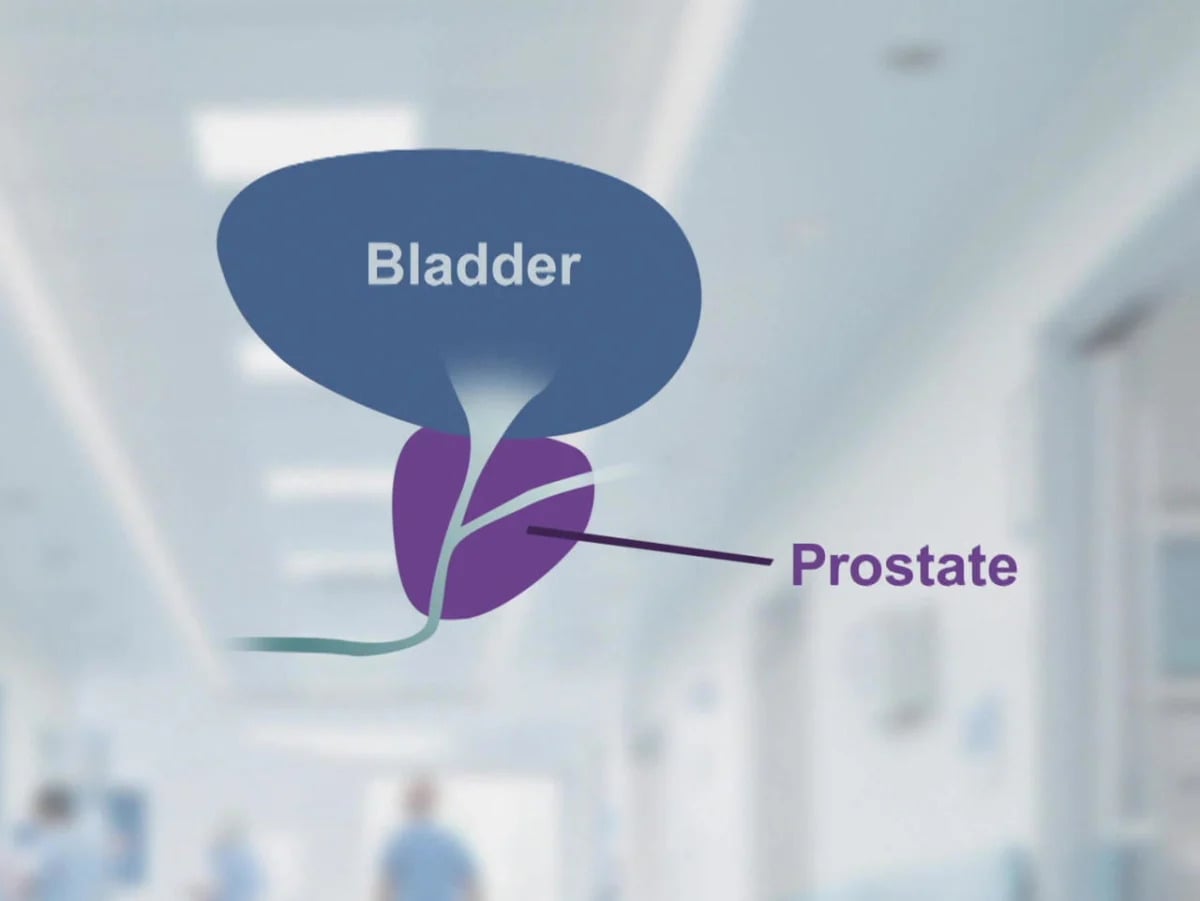
The prostate, a small organ beneath the bladder, can cause problems for men as they age, with issues like an enlarged prostate (BPH) leading to urinary difficulties, and the potential for prostate cancer. Screening for prostate cancer using PSA testing has limitations and can lead to overdiagnosis and overtreatment, prompting disagreement among medical professionals about its overall benefits. Individual factors like family history, age, and race should be considered when discussing the risks and benefits of screening with a healthcare provider. Treatment options for prostate cancer range from active surveillance to removing or destroying the entire gland, with different approaches for different cases.