About 25% of men will develop an enlarged prostate by age 50, with risk increasing with age. Early lifestyle modifications such as a healthy diet, regular exercise, stress management, and early screenings can help prevent or manage benign prostatic hyperplasia (BPH), reducing urinary problems and improving quality of life.
A new study suggests that drugs used to treat enlarged prostate, specifically terazosin, doxazosin, and alfuzosin, may reduce the risk of developing dementia with Lewy bodies (DLB) by boosting energy production in brain cells. This finding, which mirrors previous research linking these drugs to a protective effect in Parkinson's disease, indicates potential for broader use in managing neurodegenerative conditions. The study, however, is observational and only included men, so further research is needed to confirm these results.
Britain's King Charles has been diagnosed with cancer while undergoing treatment for benign prostatic hyperplasia, an enlarged prostate condition common in men over 50. The non-cancerous enlargement of the prostate gland can lead to symptoms such as frequent urination, weak urine stream, and difficulty emptying the bladder. Lifestyle changes, medications, minimally invasive therapies, and surgical interventions are available to manage the symptoms of benign prostatic hyperplasia.
King Charles III was diagnosed with cancer after a procedure for an enlarged prostate, but the type and severity of the cancer were not disclosed. The procedure, known as a transurethral resection, can sometimes lead to the detection of cancer in nearby areas such as the bladder or urethra. Buckingham Palace stated that Charles does not have prostate cancer and has begun outpatient treatments for the cancer.
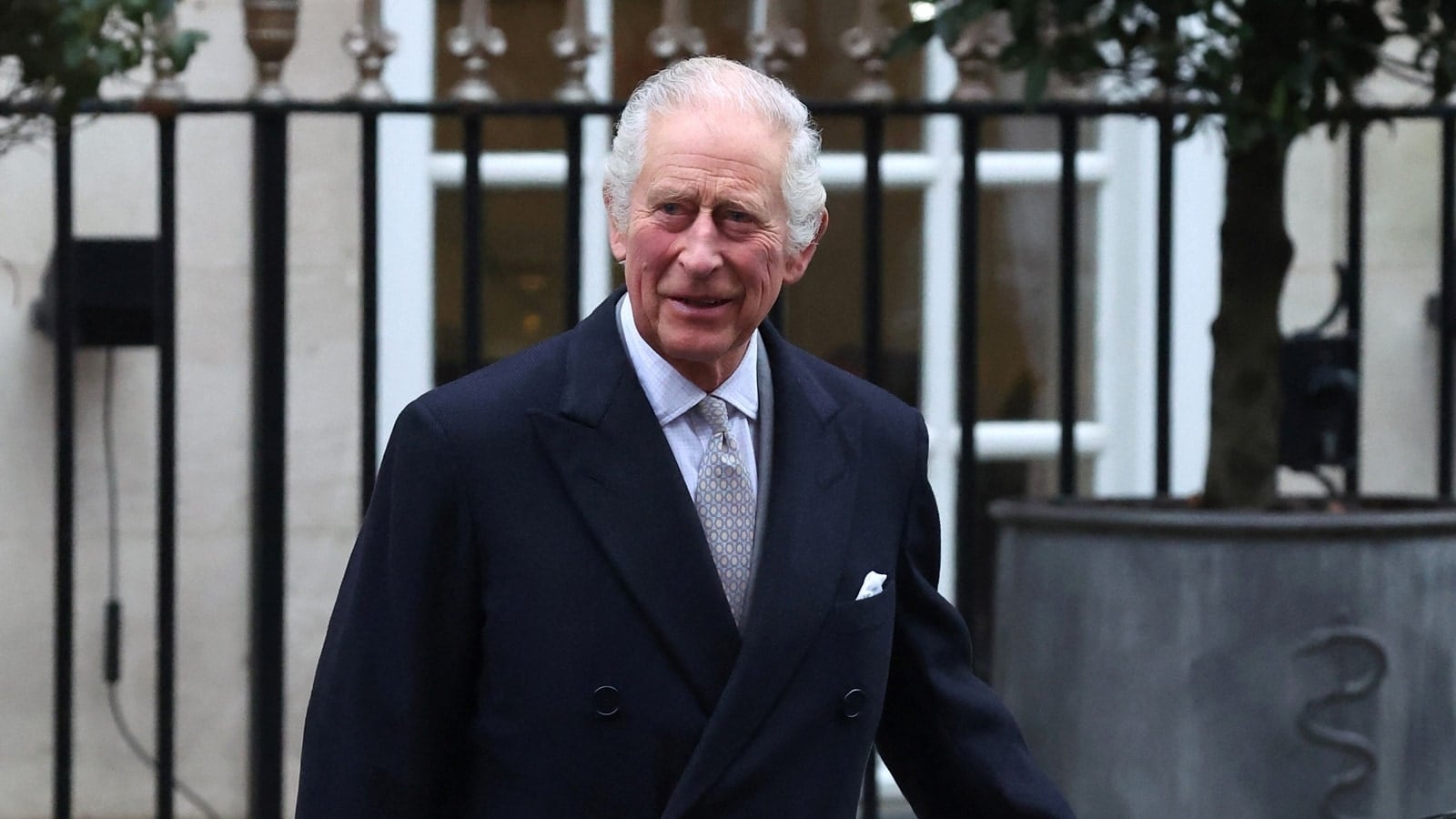
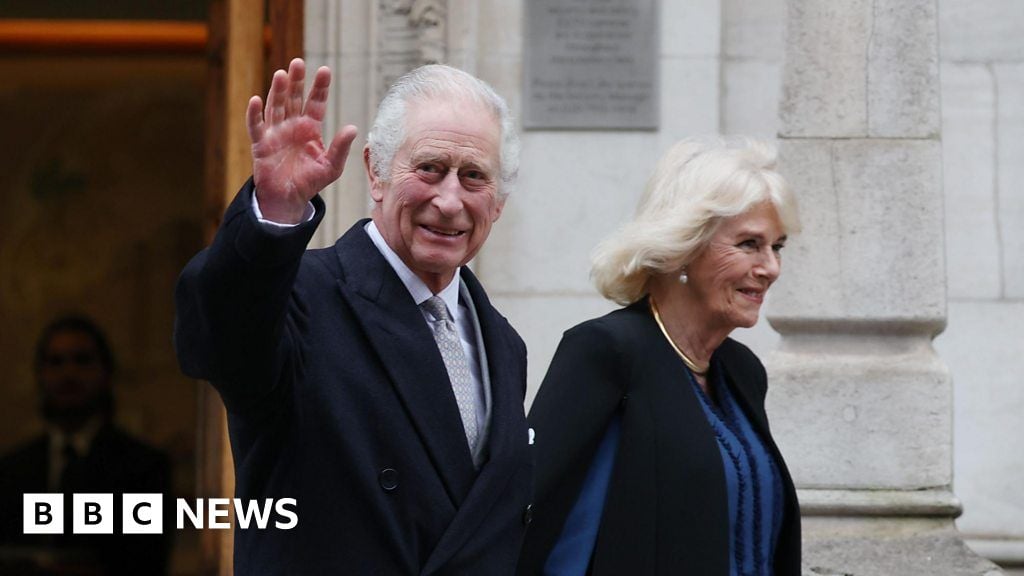
King Charles has been discharged from the London Clinic private hospital after receiving treatment for an enlarged prostate, and was seen leaving with his wife, Queen Camilla. This comes shortly after Catherine, the Princess of Wales, also left the same hospital following an operation.
Britain's King Charles III is undergoing prostate surgery for an enlarged prostate, a common condition known as benign prostatic hyperplasia. Symptoms include weaker urine stream and increased frequency, especially at night. Medical and surgical options are available for treatment, including alpha-blockers, 5-alpha-reductase inhibitors, and various surgical procedures. It's important to consult a doctor if experiencing changes in urination, as prostate health is crucial for men's well-being.
A 75-year-old man with an enlarged prostate stopped taking prescribed medication due to side effects and now self-catheterizes to relieve bladder blockage. While self-catheterization can prevent kidney damage, it carries a risk of urinary infections. The urologist recommends discussing alternative options to reduce the prostate blockage and avoid the need for self-catheterization.
Britain's King Charles III has been admitted to a private London hospital for scheduled treatment for an enlarged prostate, with Buckingham Palace confirming that his condition is benign. The monarch's public engagements will be postponed for a short period of recuperation, and it remains unclear how long he will remain in the hospital. The palace expressed that the king is "delighted to learn that his diagnosis is having a positive impact on public health awareness," and thanked well-wishers for their support.
Prostate problems, including an enlarged prostate and prostate cancer, are incredibly common among men, with about one in eight males being diagnosed with prostate cancer in their lifetime and half of men between 51 and 60 suffering from an enlarged prostate. While the exact causes are not fully understood, age, genetics, and lifestyle factors play a role. Treatment options for urinary problems caused by an enlarged prostate include lifestyle changes, medications, and surgical treatments. Screening for prostate cancer is recommended, but some cases may not require immediate treatment, as active monitoring has shown similar survival rates to aggressive interventions while avoiding potential side effects. Men are encouraged to seek medical help if experiencing bothersome symptoms.
Queen Camilla has advised King Charles to "slow down" and take it easy following his recent health scare and upcoming operation for an enlarged prostate. The 75-year-old King, known for his work ethic, has been urged by the Queen to reduce his workload as he prepares for a short period of recuperation. The royal family has been dealing with health issues, as the Princess of Wales also underwent abdominal surgery. An enlarged prostate, a common condition in men over 50, does not usually pose a serious threat to health and can be managed with medication or surgery if necessary.
The prostate, a small organ beneath the bladder, can cause problems for men as they age, with issues like an enlarged prostate (BPH) leading to urinary difficulties, and the potential for prostate cancer. Screening for prostate cancer using PSA testing has limitations and can lead to overdiagnosis and overtreatment, prompting disagreement among medical professionals about its overall benefits. Individual factors like family history, age, and race should be considered when discussing the risks and benefits of screening with a healthcare provider. Treatment options for prostate cancer range from active surveillance to removing or destroying the entire gland, with different approaches for different cases.
The British royal family has embraced a new era of transparency regarding their health, with King Charles III and Kate Middleton both publicly sharing details about their medical procedures. The King's announcement of his enlarged prostate diagnosis has led to a surge in public interest and awareness of the condition, with experts hoping it will encourage more men to seek help for similar symptoms. The royal family's increased openness about health issues is seen as a positive step in reducing stigma and raising awareness.
Searches for information on prostate enlargement surged after the King's diagnosis was made public, with a significant increase in visits to the NHS website. The King's decision to share details about his benign prostate condition has been praised by charities and doctors, as it may encourage more men to seek help and reduce the stigma surrounding the issue. An enlarged prostate is common in older men and can cause symptoms such as frequent urination and weak urine flow, but it is not usually a serious threat to health. Treatment options include lifestyle changes, medication, and surgical procedures.
Britain's King Charles III will undergo a procedure to treat his benign enlarged prostate, with Buckingham Palace announcing that his public engagements will be postponed for a short period of recuperation. The condition, which is common among men, is not associated with an increased risk of prostate cancer, and the King's health is generally understood to have been good.
King Charles III will undergo a corrective procedure for an enlarged prostate, leading to a postponement of his public engagements for a short period. Buckingham Palace confirmed that the condition is benign and the treatment is a common procedure for many men. This news coincides with the announcement that his daughter-in-law, Kate, the Princess of Wales, is in hospital after planned abdominal surgery and is expected to be away from public duties until after Easter.