Less than 1% of Jamaica's coastline is accessible to locals due to privatization driven by laws and private developments, leading to community displacement and loss of cultural ties; residents and activists are fighting for the repeal of laws to restore public access, while responsible tourism advocates support visiting public beaches and supporting local businesses.
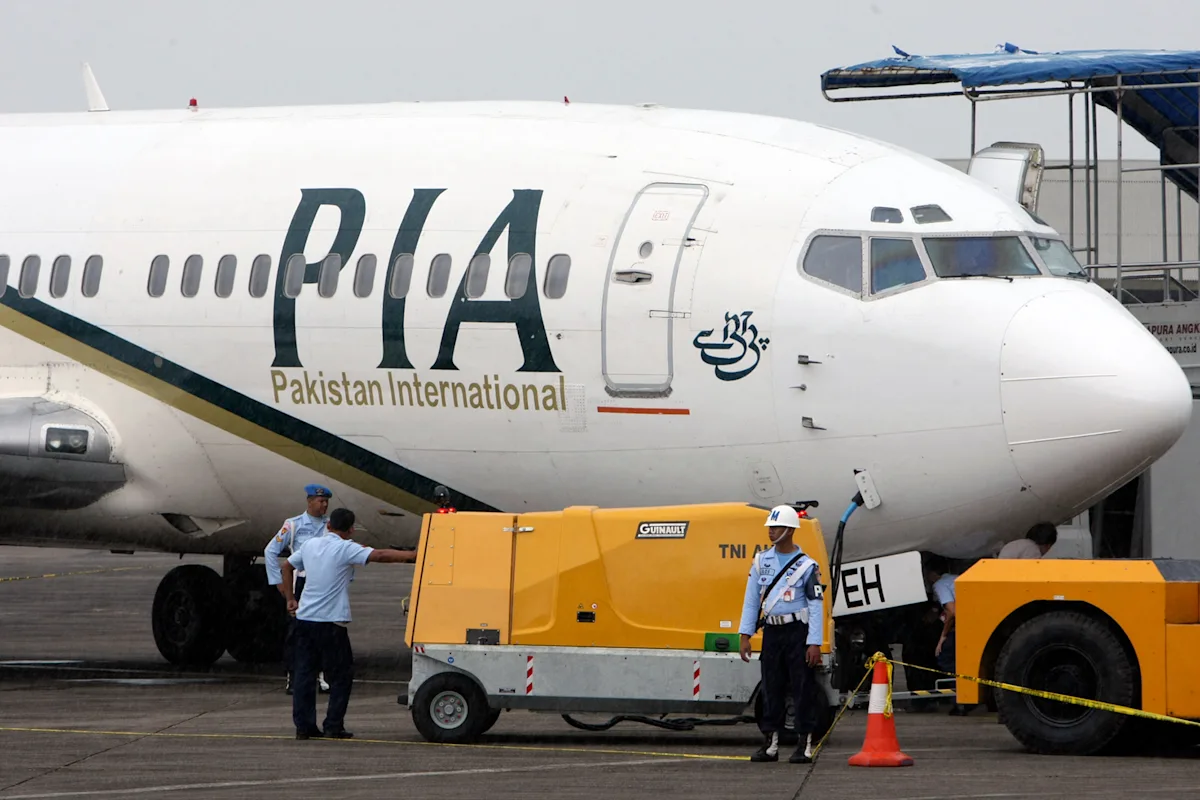
Pakistan's government sold a majority stake in its national airline, PIA, for $482 million to a consortium led by Arif Habib Limited, amid ongoing debates over transparency, military involvement, and the airline's future prospects, as part of a broader effort to privatize loss-making state enterprises under IMF pressure.
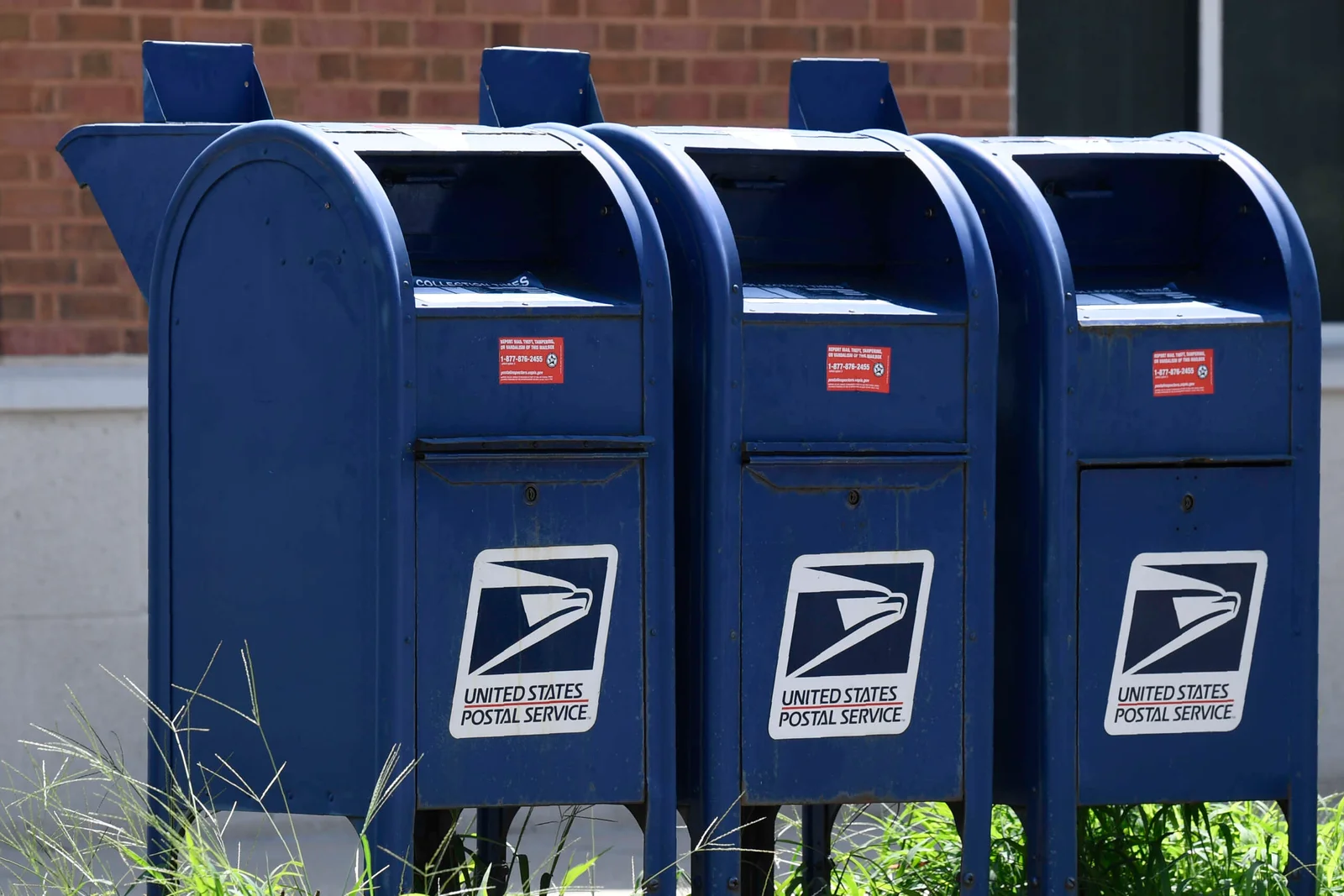
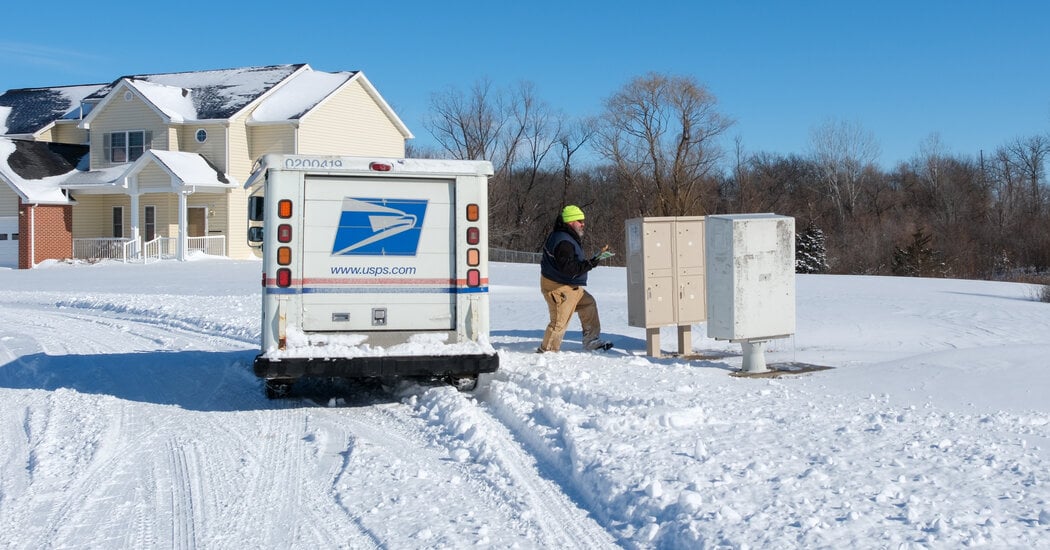
The US Postal Service is facing severe financial difficulties, losing over $100 billion since 2007, with potential privatization and service cuts on the horizon, despite the vital role postal workers play in communities and their historical significance.
A consortium led by Arif Habib bid $482 million for a 75% stake in Pakistan International Airlines, marking a significant step in the country's efforts to privatize the airline as part of broader economic reforms tied to an IMF loan program.
A Pakistani investment consortium acquired a 75% stake in Pakistan International Airlines for $482 million, marking a significant step in the country's efforts to privatize the loss-making airline, which has suffered from mismanagement and financial issues for decades.
The Department of Defense has decided to keep the current system for moving service members' household goods, reversing plans to privatize it, and will instead focus on improving and modernizing the existing program over the next three years, following industry and military feedback and addressing previous issues with rates and service quality.
HSBC plans to privatize Hong Kong's Hang Seng Bank in a $13.6 billion deal, offering a 30.3% premium, amid concerns over Hang Seng's rising bad loans and exposure to the property market. The move aims to strengthen HSBC's market position in Hong Kong, with the bank pausing share buybacks to fund the acquisition, which will keep Hang Seng as a separate brand.
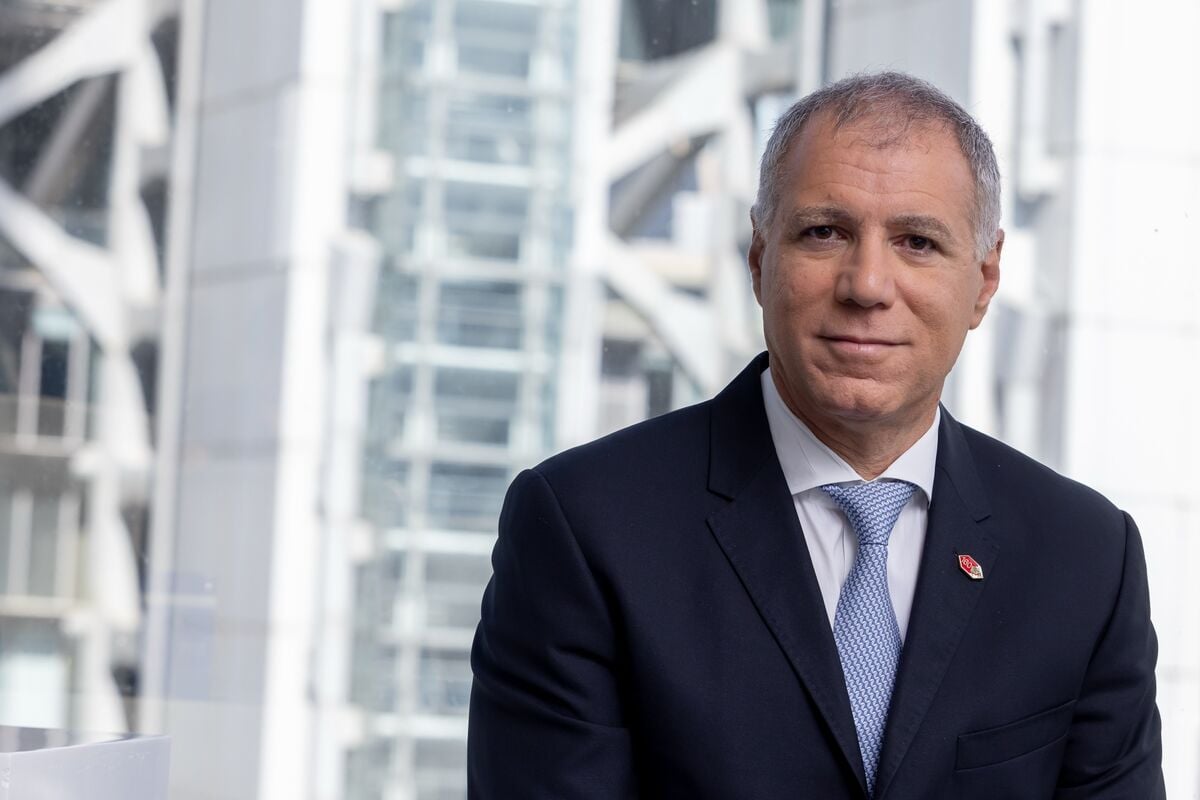
HSBC plans to privatize its Hong Kong subsidiary Hang Seng Bank in a $37 billion deal, with HSBC acquiring the remaining shares it doesn't own for around $14 billion. The move aims to enhance shareholder value and expand HSBC's presence in Hong Kong, despite challenges in the local banking sector and real estate market. Hang Seng will continue to operate independently under its own license and brand, with HSBC investing significantly in Hong Kong's growth.
HSBC has proposed to privatize its subsidiary Hang Seng Bank, offering shareholders HK$155 per share, valuing the bank at approximately HK$290.74 billion, as part of its strategic focus on strengthening its presence in Hong Kong.
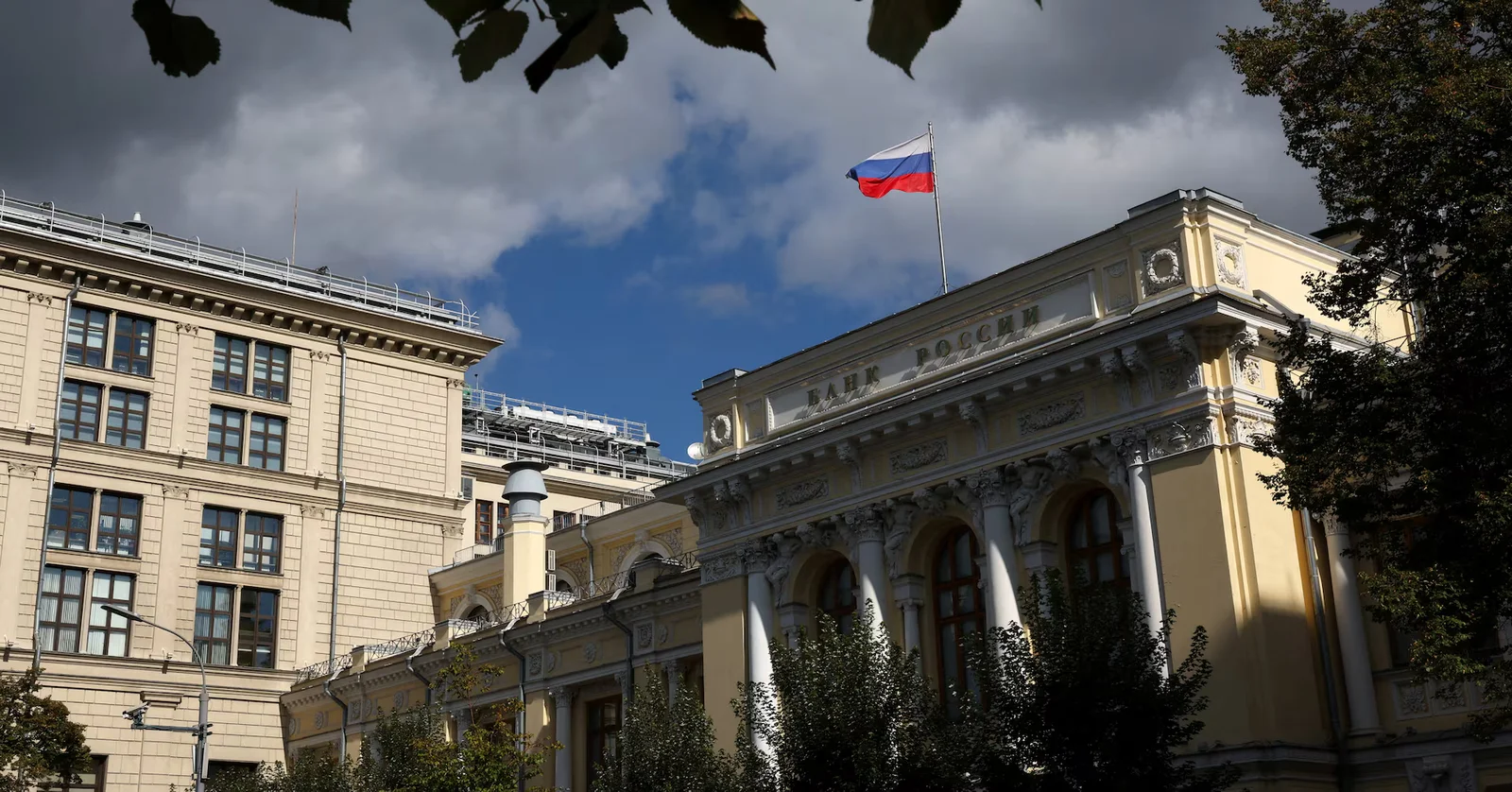
Russia's central bank has criticized the government's violation of minority shareholders' rights in recent asset seizures related to the Ukraine conflict, highlighting concerns over the move towards a Soviet-style command economy and the impact on private property rights and future public listings.
As Social Security celebrates its 90th anniversary, concerns about its future persist, with advocates warning against privatization and emphasizing the need for protection and strengthening of the program, despite President Trump's assurances of its stability.
As Social Security marks its 90th anniversary, concerns about its future persist, especially regarding potential privatization under the Trump administration, with advocates emphasizing the importance of protecting the program for future generations.
The Trump administration is planning to privatize Fannie Mae and Freddie Mac by taking them public later this year, potentially raising around $30 billion and valuing the agencies at about $500 billion, which could impact the US mortgage market and benefit hedge funds. The move follows discussions with major banks and reflects ongoing efforts to shift these government-backed entities out of federal control, though details on the structure of the government guarantee remain unclear.
Treasury Secretary Scott Bessent attempted to clarify his comments suggesting that the Trump savings accounts for newborns could serve as a 'back door' to privatize Social Security, prompting criticism from Democrats and advocacy groups who oppose privatization efforts.