The Department of Defense has conducted at least 14 strikes against boats suspected of drug smuggling, primarily transporting cocaine, but officials cannot confirm the identities of those killed, raising concerns about oversight and effectiveness among lawmakers.
The Department of Defense accepted an anonymous $130 million donation to help cover troop salaries and benefits, following a period of withheld pay due to political disagreements. The donation is intended for military pay support, but details on its allocation are unclear, and it faces regulatory scrutiny due to its size and donor origin.
The Department of Defense has decided to keep the current system for moving service members' household goods, reversing plans to privatize it, and will instead focus on improving and modernizing the existing program over the next three years, following industry and military feedback and addressing previous issues with rates and service quality.
SpaceX is scheduled to launch a Falcon 9 rocket from Vandenberg Space Force Base on Saturday, carrying 24 Starlink satellites to support Department of Defense communications, with a launch window from 8:41 a.m. to 12:41 p.m., and the second stage set to land on a drone ship in the Pacific Ocean.
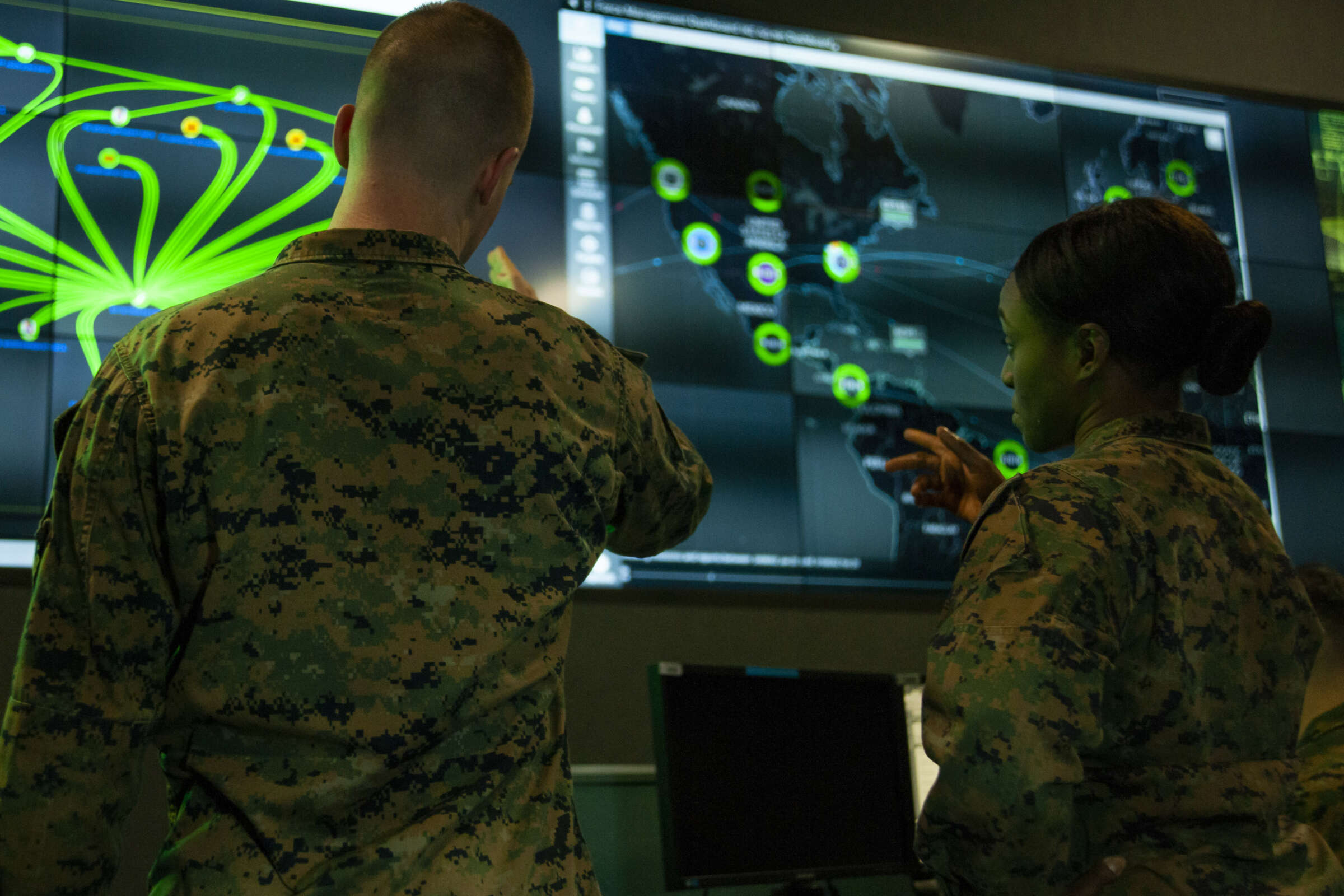
The Pentagon is set to introduce a revamped Risk Management Framework (RMF) by the end of November, including 10 new principles aimed at streamlining software accreditation and enhancing cybersecurity, alongside initiatives like the Software Fast Track and mission network as-a-service to accelerate secure software deployment and improve network security across combatant commands.
The Office of Strategic Capital has issued its first direct loan of $150 million to MP Materials to enhance heavy rare earth separation capabilities, part of a broader effort to strengthen the U.S. critical minerals supply chain and industrial base, funded by legislation signed into law in July 2025.
Pentagon officials are upset over a new ban on attending public events and think tanks, which limits transparency, hampers foreign allies' understanding of U.S. military policies, and restricts engagement with defense industry and academic institutions, potentially weakening international alliances and innovation.
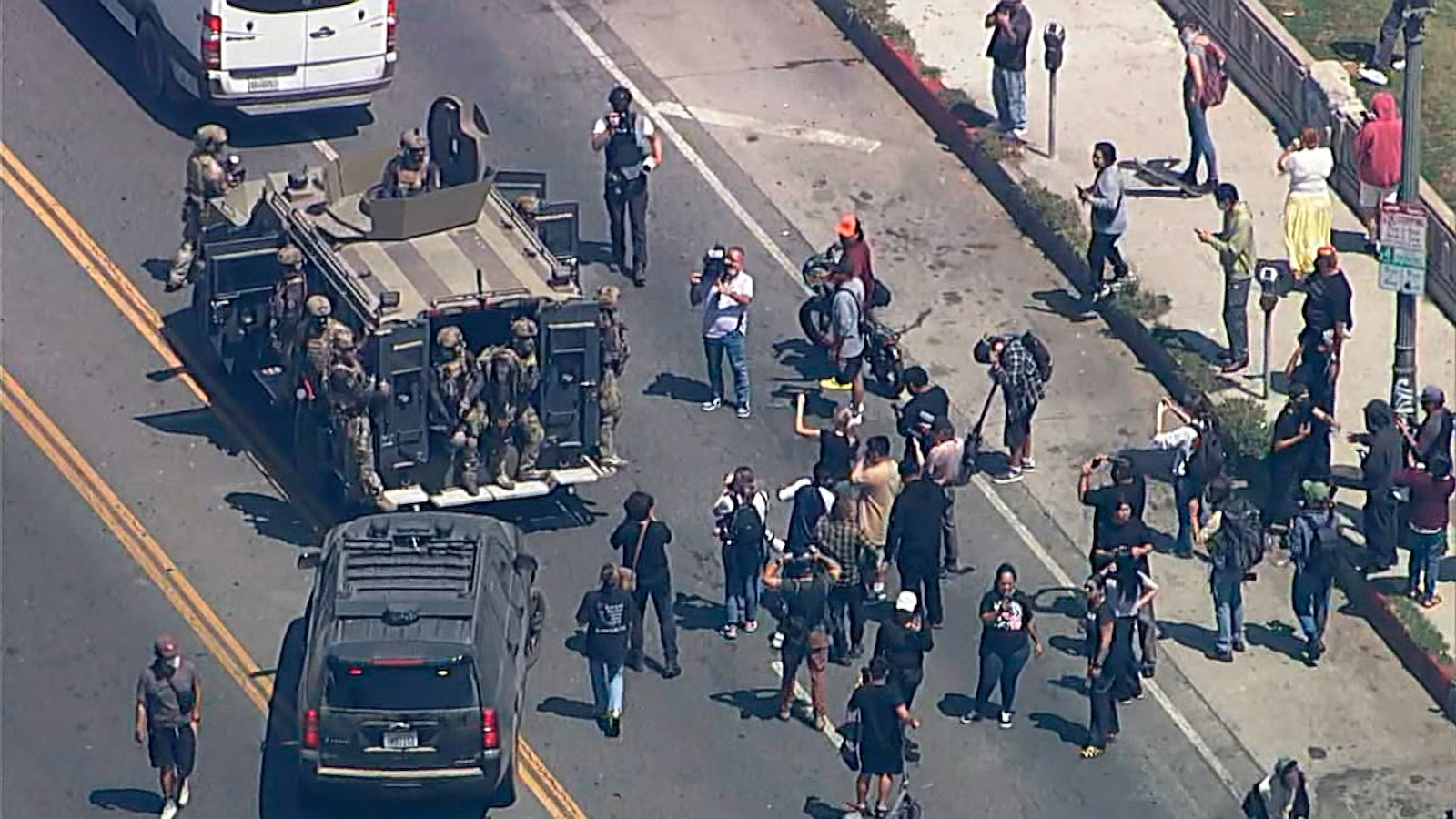
US troops, specifically 90 members of the California National Guard, supported an immigration enforcement operation in Los Angeles by establishing a security perimeter to protect federal agents, involving military vehicles and personnel, with the operation details and targets not fully disclosed.
The Pentagon has appointed Maj. Gen. Lance Curtis to lead a new task force to improve the military's Permanent Change of Station (PCS) process, following the termination of the HomeSafe Alliance contractor. Immediate measures include handling household moves through the legacy system and increasing reimbursements for Personally Procured Moves, with a review of the entire process underway and a strategic reform plan due by September 2025.
OpenAI has secured a $200 million contract from the U.S. Department of Defense to develop AI prototypes for various national security applications, which may impact its relationship with Microsoft, its major investor, as the DoD also works directly with Microsoft for cloud services and AI solutions.
The U.S. Department of Defense (DOD) has issued a new instruction that formalizes policies and procedures for preventing and mitigating civilian harm in military operations. The instruction, developed as part of the DOD's Civilian Harm Mitigation and Response Action Plan, emphasizes the importance of protecting civilian populations and responsible use of military force. It establishes pre- and post-strike measures, appoints a senior DOD civilian official to oversee compliance, and encourages the improvement of military capabilities to reduce risks to civilians. The instruction also covers assessments of civilian harm resulting from U.S. military operations, investigations of alleged incidents, and integration of these efforts into multinational operations and security cooperation. Continued research and discussion on civilian harm mitigation and response are also called for.
Senior defense officials have outlined the Department of Defense's goals in the Middle East, emphasizing support for Israel's right to defend itself from terrorism and containing violence in the region. Secretary of Defense Lloyd J. Austin III has ordered the deployment of additional military assets, including carrier strike groups, missile defense systems, and forces on standby, to enhance regional deterrence efforts and safeguard U.S. troops. The move sends a strong signal to adversaries and demonstrates American support for Israel. The officials also highlighted the humanitarian aspects of the conflict and condemned Hamas for deliberately targeting civilians. Iran and its proxy groups were identified as roadblocks to peace in the region, with concerns of potential escalation against U.S. forces and personnel.
Deputy Defense Secretary Kathleen Hicks warns that a government shutdown would have damaging effects on national defense and urges Congress to fund the government or pass a continuing resolution by the end of the fiscal year to avoid a shutdown. A shutdown would impact operational planning, coordination, and the ability to recruit and retain quality individuals for military service. It would also play into the hands of U.S. competitors, such as China, and have significant repercussions for military members and their families, including delayed pay and halted permanent change of station moves.
The US Space Force has completed testing of the Department of Defense's experimental navigation satellite, NTS-3, which is set to be launched later this year. Developed by L3Harris Technologies, the satellite is the first of its kind to be developed by the DoD since the 1970s and has undergone successful testing at California's Edwards Air Force Base.
The Biden administration has announced a new security assistance package for Ukraine worth up to $2.1 billion, including air defense and ammunition capabilities, under the Ukraine Security Assistance Initiative (USAI). This package highlights the US's commitment to Ukraine's near-term capabilities and long-term capacity to defend its territory and deter Russian aggression. The United States will work with its allies and partners to provide Ukraine with immediate battlefield needs and longer-term security assistance requirements.