Privacy screen protectors for smartphones help prevent onlookers from snooping on your private information while also protecting your device from drops and scratches, with various options available for different phone models and budgets.
The Galaxy S26 Ultra is set to feature a new Privacy Display that dims the screen when viewed from angles other than head-on, enhancing privacy by making it harder for others to see sensitive content. The feature will be accessible via the Settings app and Quick Settings toggle, and may activate automatically based on the app or notifications. Evidence of this feature has been found in internal code and app listings, confirming its upcoming debut.
AdGuard offers a lifetime family plan for $15.97 (originally $169.99) using code FAMPLAN, providing ad blocking, privacy, and parental controls across up to nine devices, enhancing online safety and browsing experience.
A new California law (AB 566) requires web browsers to offer an easy opt-out signal for users to prevent sharing or selling their personal data, potentially setting a national standard for online privacy and simplifying user control over data across the U.S.
A TikTok-promoted product called 'GhostDots' claims to block the recording indicator on Meta Ray-Ban smart glasses, but testing suggests it does not work as advertised. Despite negative reviews and questions about its effectiveness, the product gained millions of views and was promoted on TikTok, highlighting ongoing privacy concerns and the platform's role in amplifying such products.
To protect your iPhone from hackers, disable 'Auto-Join Wi-Fi' by turning off 'Ask to Join Networks' in Wi-Fi settings, and adjust 'Automatically AirPlay' to 'Ask' or 'Never' in AirPlay & Continuity settings to prevent unauthorized screen sharing. These quick changes enhance your privacy and security.
Android 16 will introduce a new security feature that alerts users to potential Stingray surveillance by detecting connections to suspicious or insecure mobile networks, helping to protect against digital eavesdropping and fake cell towers, although full protection depends on hardware support and upcoming device updates.
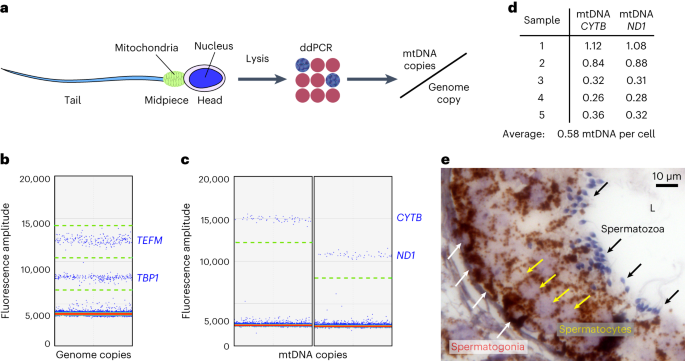
Researchers studying the molecular basis for maternal inheritance of human mitochondrial DNA have provided data availability and code availability for their study. The research findings suggest that the regulation of mitochondrial DNA copy number during spermatogenesis plays a crucial role in the maternal inheritance of mitochondrial DNA. The study highlights the importance of protecting the privacy of research participants while facilitating controlled access to research data for legitimate research purposes.
The California state legislature has passed the Delete Act, which aims to establish a centralized platform where individuals can request the deletion of their personal data held by data brokers registered in the state. The proposed law would also require data brokers to disclose more information about the data they collect and strengthen enforcement mechanisms. While California already allows individuals to request data deletion, the process is currently cumbersome and ineffective. If enacted, the Delete Act could set a precedent for data privacy laws beyond California. Privacy advocates argue that personal data collected by data brokers, including location information, can be easily abused and that legal and technical protections are needed. However, the Consumer Data Industry Association warns that the Delete Act is flawed and could have unintended consequences.
Brave browser will automatically block websites from scanning visitors' open Internet ports or accessing other network resources that can expose personal information. This new feature aims to curb the practice of port scanning and fingerprinting visitors without their consent. Users can add specific sites to an allow list if they want them to have access to local resources. Brave is the only browser that blocks requests to localhost resources from both secure and insecure public sites while maintaining compatibility for trusted sites.