To protect your iPhone from hackers, disable 'Auto-Join Wi-Fi' by turning off 'Ask to Join Networks' in Wi-Fi settings, and adjust 'Automatically AirPlay' to 'Ask' or 'Never' in AirPlay & Continuity settings to prevent unauthorized screen sharing. These quick changes enhance your privacy and security.
Apple has released a new iOS update, iOS 17.3, which introduces Stolen Device Protection to safeguard sensitive data if an iPhone is stolen. This feature adds extra layers of security based on the iPhone's location, requiring additional authentication for sensitive changes made in unfamiliar locations. Users need to enable Significant Locations in their iPhone settings for this feature to work effectively. While the feature may initially cause inconvenience by requiring extra authentication in new locations, it aims to provide enhanced security for iPhone users.
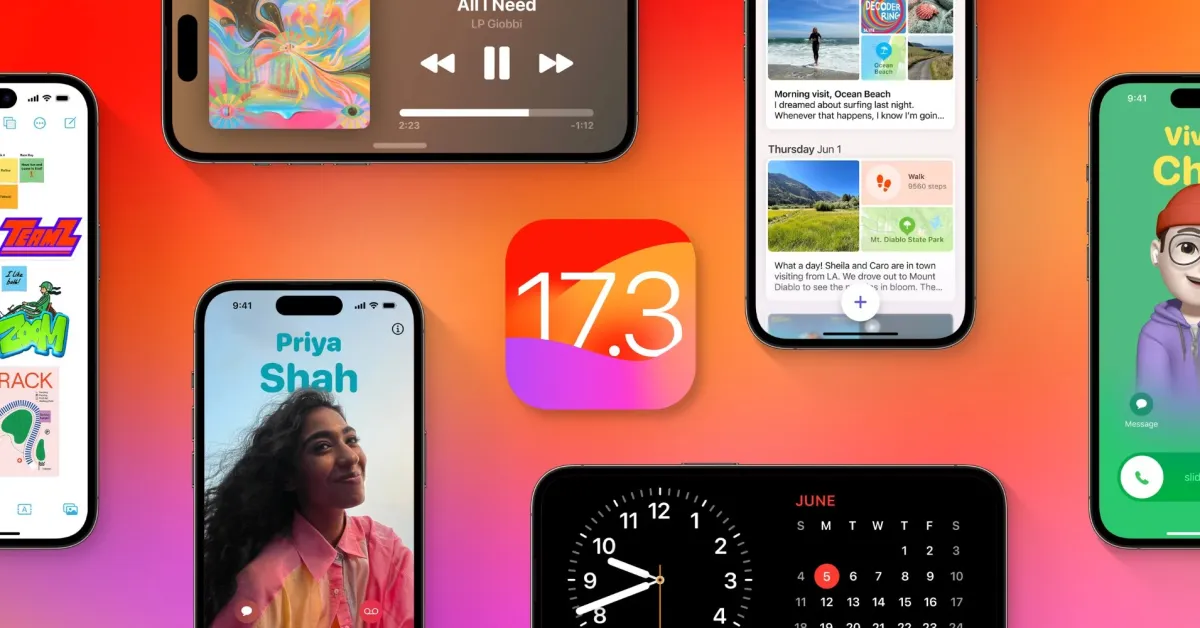
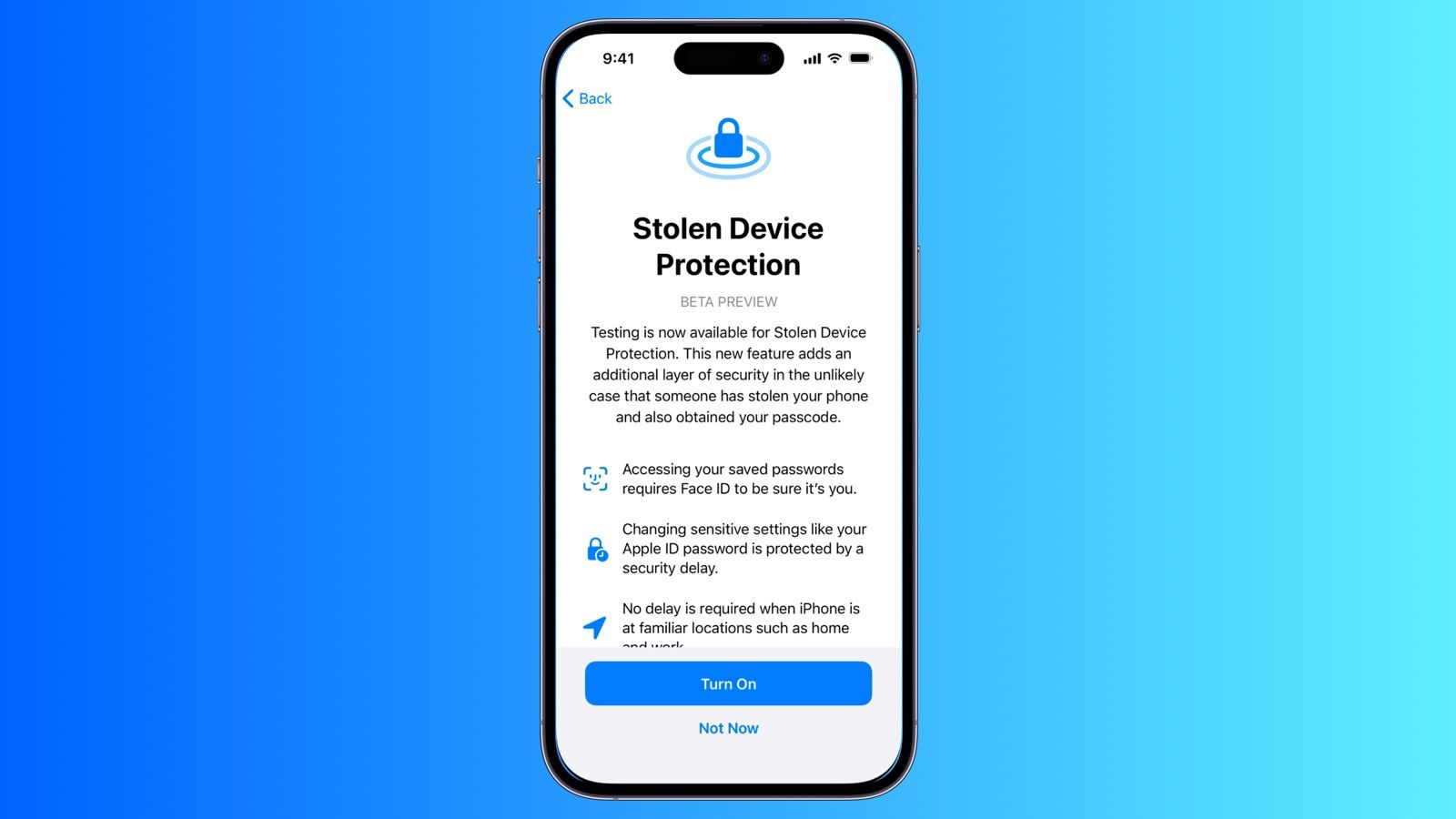
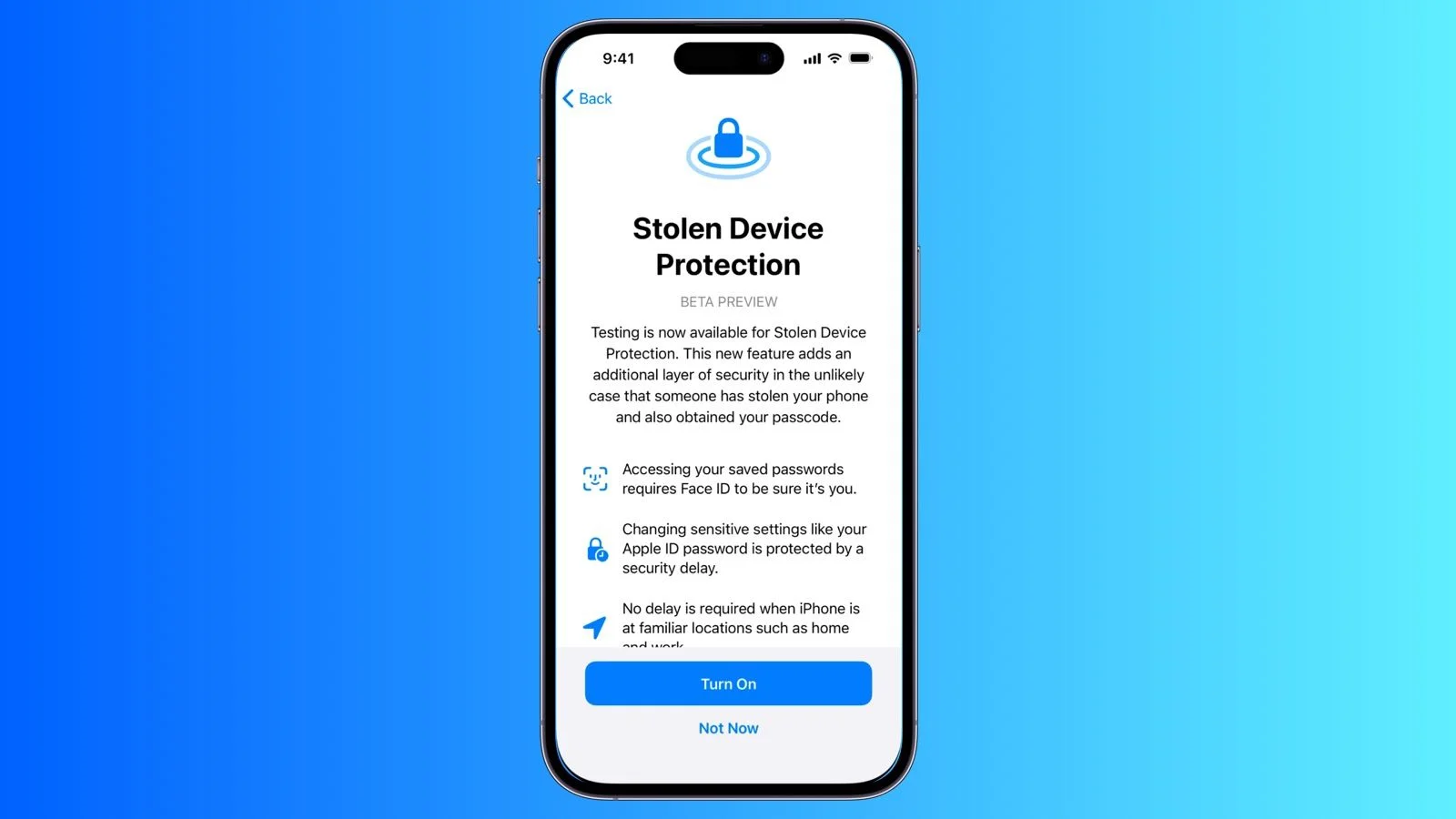
Apple is beta testing iOS 17.3, expected to be released in the second half of January. The update introduces Stolen Device Protection, an opt-in feature that adds an extra layer of security for iPhone users whose phones and passcodes are stolen. It restricts access to saved passwords, adds a security delay for changing sensitive settings, and eliminates delays when the iPhone is at familiar locations. Additionally, iOS 17.3 brings back collaborative playlists in Apple Music, allowing users to create shared playlists and react to songs with emojis. Other features, such as next-generation CarPlay and support for AirPlay in hotels, may be included in this update or a later one.
Apple is introducing Stolen Device Protection in its iOS 17.3 beta, which requires Face ID or Touch ID authentication for certain actions, making it harder for thieves to access personal information on stolen iPhones. The feature aims to address concerns raised in previous reports about thieves stealing devices and gaining access to sensitive data. By enabling the feature, users must verify their identity with biometrics for actions such as viewing saved passwords, applying for an Apple Card, and using saved payment methods. For more sensitive actions, an additional authentication process is required if the device is not in familiar locations. The new security setting adds an extra layer of protection and makes stealing iPhones less appealing for thieves.
The first iOS 17.3 beta introduces a new "Stolen Device Protection" feature for iPhone users, adding an extra layer of security in case of theft. When enabled, Face ID or Touch ID authentication is required for actions such as viewing passwords, applying for an Apple Card, erasing content, and more. Sensitive actions like changing the Apple ID password have a one-hour security delay on top of biometric authentication. The feature will be available on compatible iPhone models and is expected to be released to the public in early 2024.
A new vulnerability in iOS allows hackers to spy on iPhone users through a third-party keyboard featuring a keylogger. By disguising the keylogger in a small app and using Apple's TestFlight tool, hackers can bypass Apple's security checks and trick users into downloading the malicious app. The custom keyboard looks virtually identical to the iPhone's default keyboard, making it difficult to detect. To protect against this threat, users should regularly check their keyboard settings, avoid downloading apps from unknown sources, be cautious when using TestFlight, update their iOS, and have antivirus software installed. If victimized, users should change passwords, monitor accounts, contact banks and credit card companies, alert contacts, restore devices to factory settings, and consider using identity theft protection services.
Apple's Paris-based engineers are working diligently to break and strengthen iPhone security measures, aiming to protect vulnerable users from threats like Pegasus. The company's efforts extend beyond software, with hardware testing involving lasers and finely tuned sensors to eliminate potential security weaknesses. Apple believes its work is succeeding, but the increasing deployment of technology has led to a digital arms race, with hackers constantly developing new attack methods. Ivan Krstic, Apple's chief of security engineering and architecture, emphasizes the importance of defending users, particularly journalists and activists, against state-grade spyware. Krstic also opposes sideloading, arguing that it limits users' choice and compromises software distribution mechanisms they can trust.