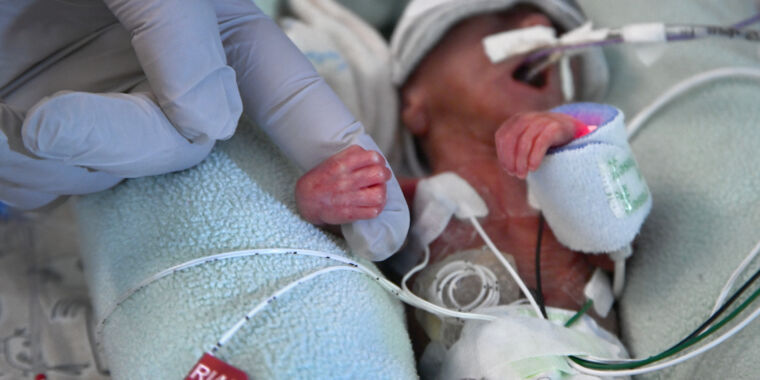
A study found that preterm infants who received more skin-to-skin contact showed stronger development in brain regions related to emotion and stress regulation, suggesting early caregiving experiences may influence long-term brain health.
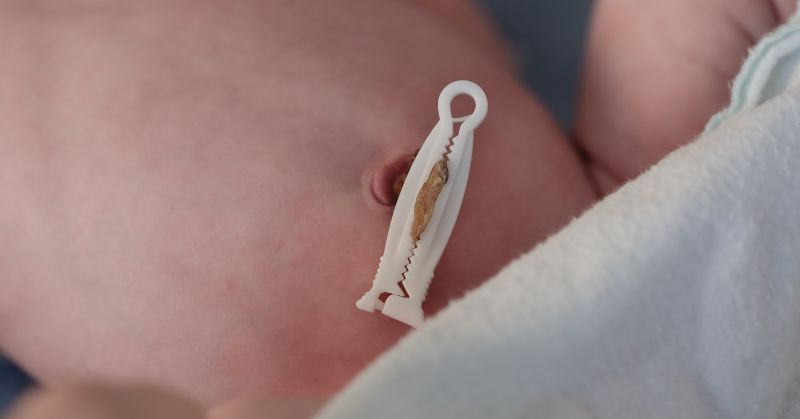
A study supported by the National Institutes of Health suggests that umbilical cord milking, a procedure that involves gently squeezing the cord to push blood into a preterm infant's abdomen, appears to be safe for infants born after 28 weeks. The technique allows for faster response than the standard procedure of delayed cord clamping, reducing the delay for infants in need of immediate assistance. The study found that rates of severe brain bleeding and/or death did not differ significantly between infants who underwent cord milking and those who underwent delayed cord clamping.
The FDA has issued a warning to healthcare providers about the use of probiotics containing live bacteria or yeast in preterm infants after a preterm, low-weight infant died from sepsis caused by a probiotic product. The product, Evivo with MCT Oil made by Infinant Health, was found to contain a genetic match to the bacterium isolated from the infant's blood. The FDA emphasized that probiotics are not approved for use as drugs or biological products in infants and highlighted the potential risks associated with their use in vulnerable populations. The agency also criticized the manufacturer for marketing the unapproved product for use in preventing serious diseases in preterm infants.