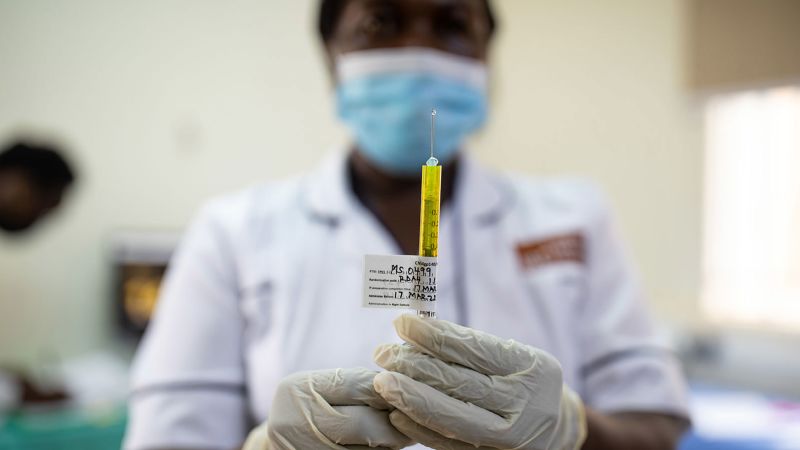
The PrEPVacc HIV vaccine trial, considered the "last roll of the dice" in the search for an effective HIV vaccine, has been halted due to disappointing results. The trial, led by African researchers with support from European scientists, was testing two experimental vaccines alongside a new form of oral pre-exposure prophylaxis (PrEP). While there are no safety concerns, the vaccine component was found to be ineffective in preventing HIV. This setback is a significant blow to the medical community, which has been searching for an HIV vaccine for 36 years. The trial's failure highlights the urgent need for new vaccine approaches and technology.
The first trial in Africa testing two combination vaccines to prevent HIV has been halted after researchers determined that the vaccines were not effective in reducing the risk of acquiring HIV. The trial, which involved 1,500 participants in Uganda, Tanzania, and South Africa, was stopped after an interim review of progress. The final results are expected to be released in late 2024. This setback means that there are currently no HIV vaccines being tested for efficacy anywhere in the world. Despite the disappointing results, researchers remain optimistic about the development of an effective HIV vaccine in the future.
The PrEPVacc trial, currently underway in Africa, is testing two HIV vaccines alongside pre-exposure prophylaxis (PrEP) to determine vaccine efficacy and prevent the spread of HIV. The trial marks a crucial stage in HIV vaccine development, with hopes that it will succeed where previous trials have failed. If successful, it could lead to a new phase of vaccine development; if not, it may result in immunologists giving up on this generation of vaccines. The trial, led by African researchers and coordinated in Africa, aims to achieve an efficacy of at least 70% for either of the two vaccines being tested. The results are expected to be released in the fourth quarter of 2024.