Tag

Premature Births

All articles tagged with #premature births

health1 year ago

"Link Between Plastics on Everyday Products and Rise in Premature Births Revealed in Study"

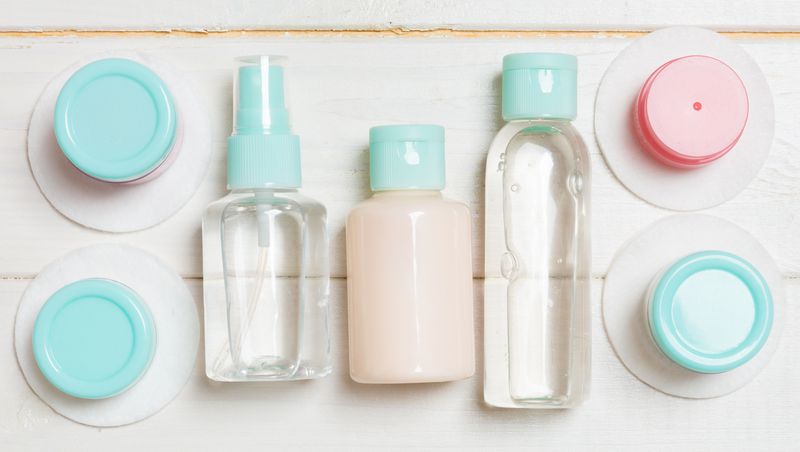
A new study suggests that synthetic chemicals called phthalates, commonly found in everyday products like vinyl flooring, furniture, personal care items, and food packaging, may be contributing to an increase in premature births in the United States. The study, published in Lancet Planetary Health, found that nearly 57,000 preterm births in 2018 could potentially be linked to phthalates, which are known to act as hormone disruptors and impact the placenta during pregnancy. The American Chemistry Council, representing the plastics industry, has disputed the study's claims, stating that the association does not establish a causal relationship.
health1 year ago

"Plastics and Preterm Births: The Link You Need to Know"

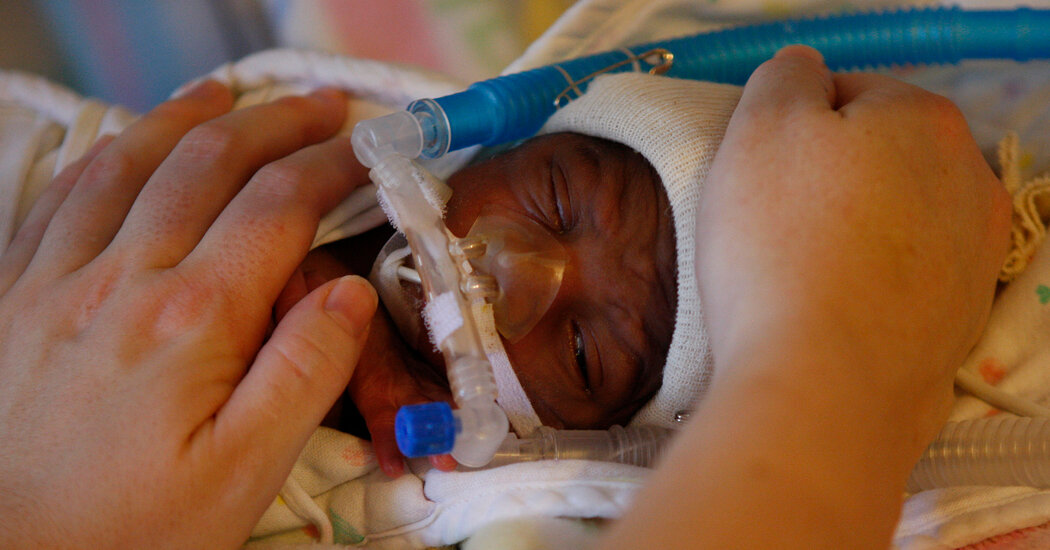
A new study published in Lancet Planetary Health suggests that phthalates, synthetic chemicals found in plastics, may be linked to tens of thousands of premature births in the U.S. each year, leading to significant lifetime medical costs. Exposure to these chemicals has been associated with hormone disruption and various health concerns. The study found that phthalate exposure was associated with lower gestational age and increased risk of premature birth, particularly with certain types of phthalates used as replacements for DEHP. The findings highlight the need for regulating phthalates as a class and suggest reducing the use of plastic whenever possible to mitigate health risks.

health1 year ago

"Rising Preterm Birth Rates in the U.S.: A Growing Concern"

After years of decline, premature births in the U.S. rose sharply between 2014 and 2022, with a 12 percent increase in births before 37 weeks of gestation. Experts suggest that the rise may be linked to a growing prevalence of health complications among mothers, particularly those aged 30 and above, including high blood pressure and gestational diabetes. This reversal of promising trends is concerning as premature babies face increased health risks, and the causes behind the rise are not fully understood.

health-environment1 year ago

"Plastic Chemicals Linked to 10% of US Premature Births: Study"

A major study has found that one in 10 premature births in the US may be linked to pregnant women's exposure to phthalates, chemicals commonly found in plastic products. These chemicals, known as hormone disruptors, can lead to early labor and birth. The study estimated that nearly 10% of premature births in the US in 2018 could be attributed to phthalate exposure, with associated medical and social costs ranging from $1.6 to $8.1 billion. The researchers called for global efforts to reduce plastic production and regulate phthalates as a group, while advising people to minimize exposure by avoiding plastic-wrapped food and phthalate-containing personal care products.

health1 year ago

"Plastic Chemicals: A Major Contributor to Preterm Births, Study Finds"

A study has found that one in 10 premature births in the United States may be linked to pregnant women's exposure to phthalates, chemicals commonly found in plastic products. These chemicals, known as hormone disruptors, can lead to early labor and birth. The study estimated that nearly 56,600 preterm births in the US in 2018 could have been linked to phthalate exposure, with resulting medical and social costs estimated to be between $1.6 and $8.1 billion. Researchers suggest reducing plastic production and avoiding phthalate exposure to mitigate these health risks.

health1 year ago

"Plastic Exposure Linked to Rise in Premature Births, Study Finds"

A new study suggests that synthetic chemicals called phthalates, commonly found in clear food packaging and personal care products, could be contributing to the rise in premature births. These "everywhere chemicals" are known to disrupt hormones and impact the placenta's function, potentially leading to preterm labor. The study estimates that phthalates may be responsible for 5% to 10% of preterm births in the US in 2018, with a cost of nearly $4 billion. The research also indicates that industry replacements for phthalates may not be safer. Experts recommend reducing plastic use and avoiding microwaving food in plastic to minimize exposure to these harmful chemicals.

health2 years ago

Unraveling the Connection: How Vaginal Microbes Impact Premature Births

Researchers at the University of California San Diego have discovered how bacterial vaginosis (BV) disrupts vaginal health, shedding light on its link to pregnancy complications. By examining vaginal cells, they found that certain bacterial species dismantle protective molecules on the surface of cells lining the genital tissue, leading to disruptions in vital repair processes and the balance of healthy and unhealthy bacteria. This imbalance can harm delicate internal tissue, potentially resulting in problems during pregnancy. The findings could aid in diagnosing BV and identifying women at risk of complications like premature births. BV affects one in three women and is associated with an increased risk of sexually transmitted infections.

health2 years ago

Global Preterm Birth Rates: Alarming Impact on Health and Survival Revealed

Approximately 1 in 10 babies worldwide are born prematurely, with an estimated 13.4 million premature births in 2020. Prematurity is the leading cause of death in children's early years and significantly increases the risk of major illnesses, disabilities, and chronic diseases later in life. Rates of preterm births have not significantly reduced in any region over the past decade. Sub-Saharan Africa and southern Asia have the highest rates, but preterm birth affects families globally, including high-income countries. Strengthening care for preterm babies and prevention efforts, particularly focusing on maternal health and nutrition, is crucial to improve childhood survival.

health2 years ago

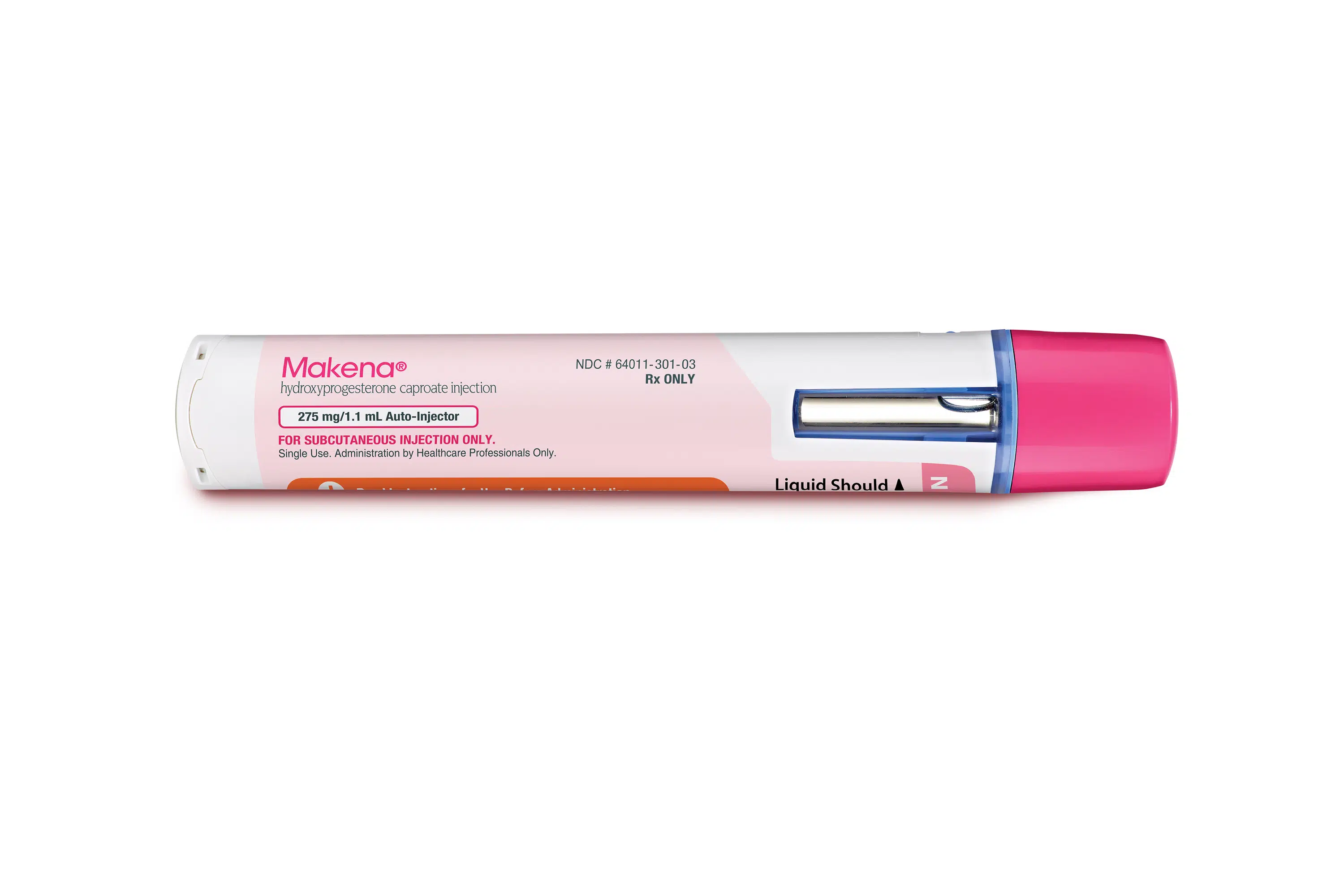
FDA pulls unproven premature birth drug Makena from market.

The FDA has ordered the immediate withdrawal of Makena, a drug intended to prevent premature births, from the US market after data showed it doesn't help pregnant women. Swiss drugmaker Covis Pharma had tried to keep the drug on the market while conducting additional studies, but the FDA rejected this proposal. Makena was the only drug approved in the US to help reduce the risk of early births in women with a history of preterm deliveries. The FDA expedited Makena's approval in 2011 based on a small study, but a larger study completed in 2018 showed the drug neither reduced premature births nor resulted in healthier outcomes for babies.

health2 years ago

FDA pulls unproven premature birth drug Makena from market.

The FDA has ordered the immediate withdrawal of Makena, a drug intended to prevent premature births, from the US market after data showed it doesn't help pregnant women. The medication was the only drug approved in the US to help reduce the risk of early births in women with a history of preterm deliveries. The injectable drug is a synthetic version of the hormone progesterone, which can cause side effects, including blood clots, depression and allergic reactions. The FDA expedited Makena's approval in 2011 based on a small study suggesting it reduced rates of premature birth in women who had previously had trouble bringing a pregnancy to term.