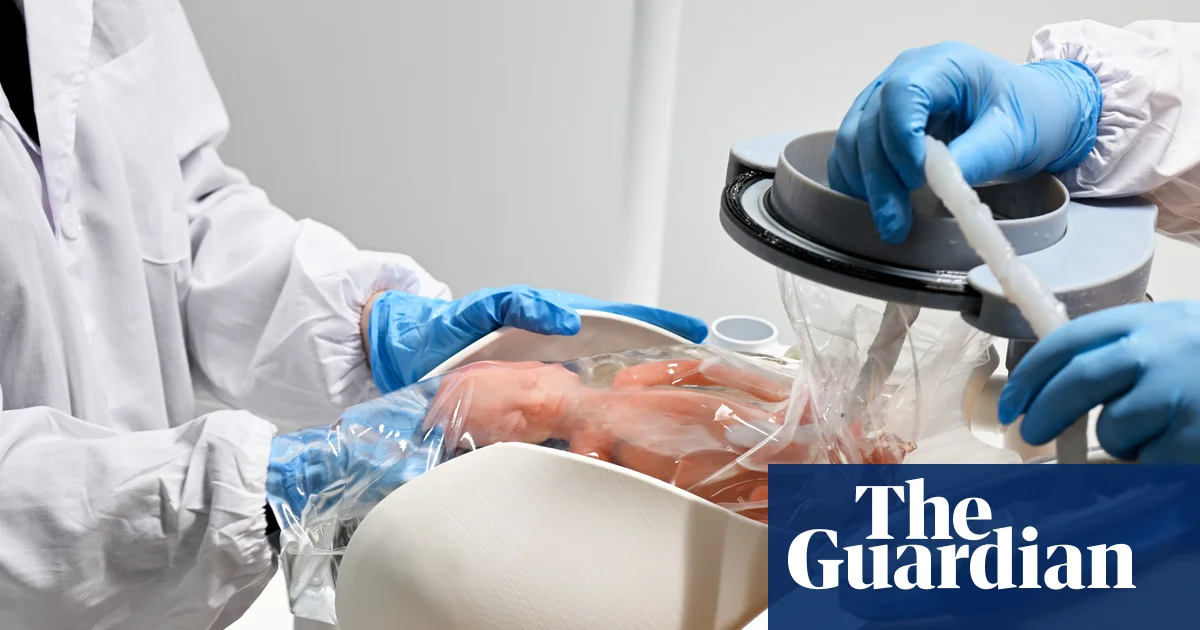
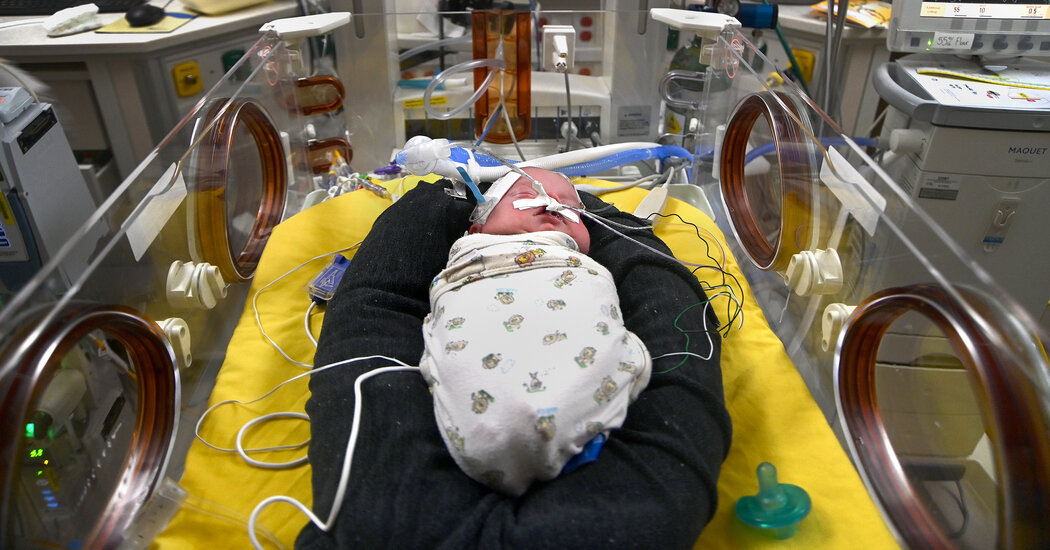
Scientists are developing artificial wombs to help extremely premature infants survive outside the womb, raising ethical, legal, and emotional questions about their use and impact on parenthood, with trials potentially beginning soon in the US.
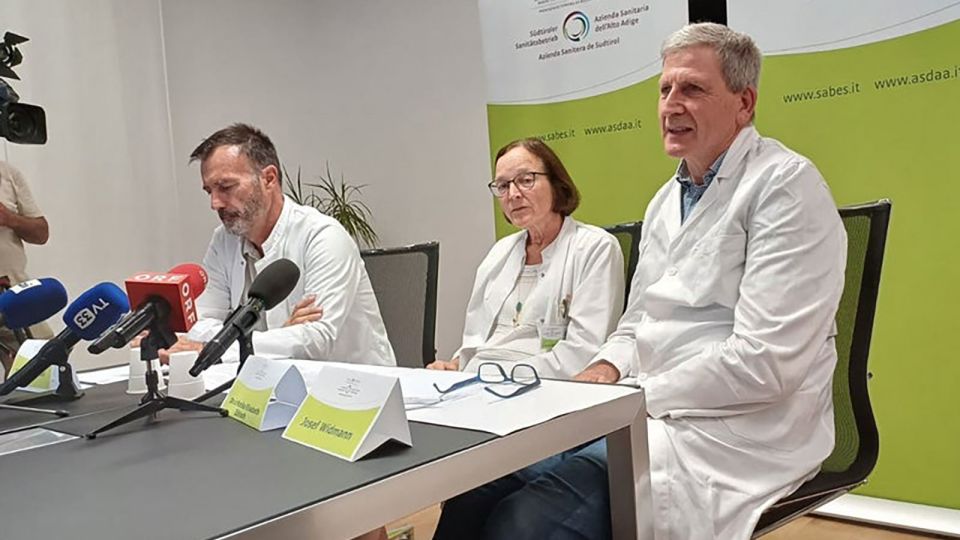
Two premature babies in Bolzano, Italy, died after being infected with Serratia marcescens, likely linked to contaminated dish soap used in the hospital, prompting a criminal investigation and hospital safety measures.
In the UK, a new immunisation program using nirsevimab will protect 9,000 premature babies from RSV, a dangerous winter virus, offering immediate and long-lasting protection to reduce hospitalizations and serious illness.
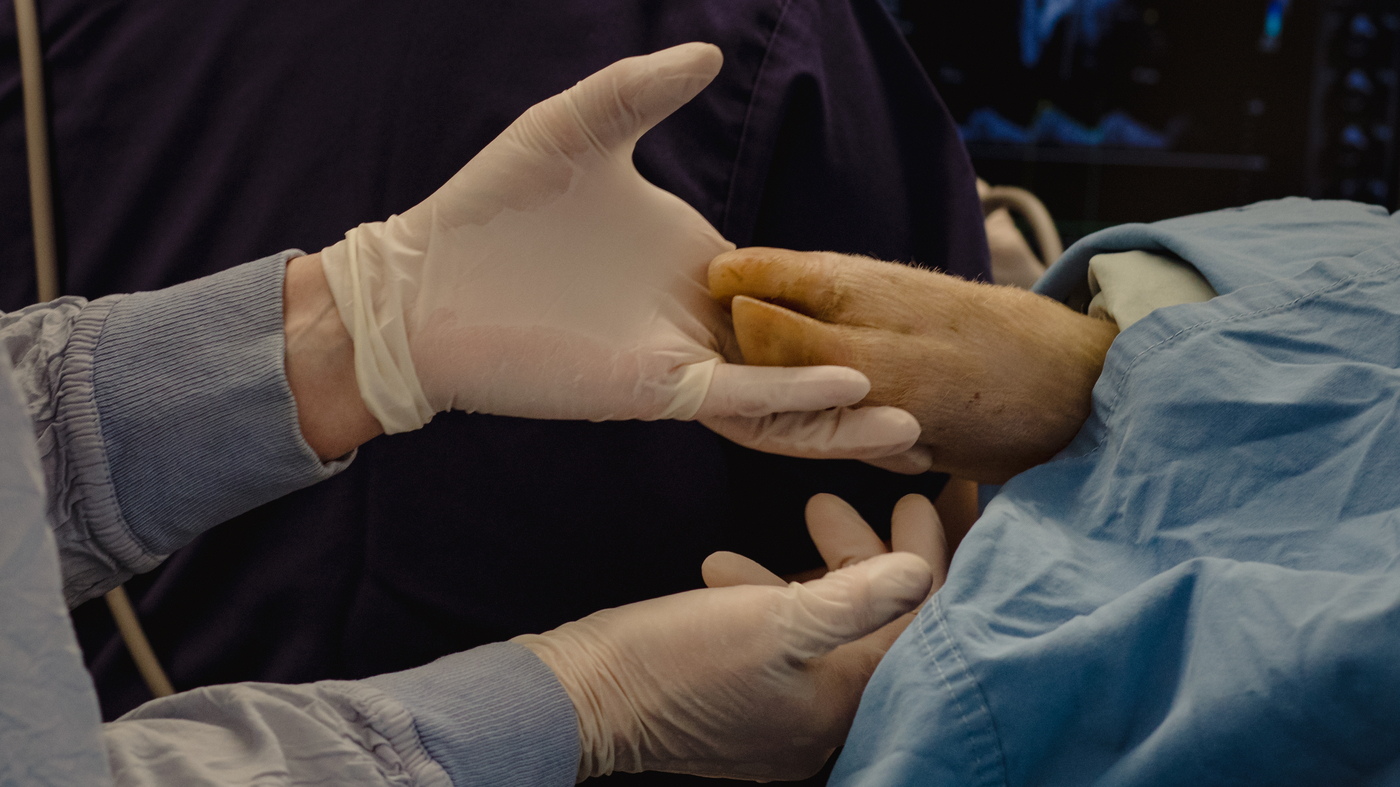
Surgeon Christoph Haller and his team are developing an artificial womb to help extremely premature babies survive and avoid complications, using a pig fetus as a test subject. The technology aims to allow fetuses to mature more physiologically and could be a game changer in treating extreme prematurity. While generating excitement, the prospect of an artificial womb raises ethical concerns and questions about safety, candidacy, and moral status. The FDA is discussing the latest scientific efforts and ethical issues surrounding artificial wombs, while researchers are optimistic about the potential to save babies but acknowledge the need for careful regulation and consideration of potential misuse.
A large scientific review involving 212 studies and 12,966 individuals confirms the numerous benefits of physical touch, including reducing pain, depression, and anxiety, as well as improving well-being. The analysis found that premature babies especially benefit from skin-to-skin contact, and individuals, regardless of health status, showed mental health benefits from touch. The study also revealed that the source of touch mattered for newborns, but not for adults.
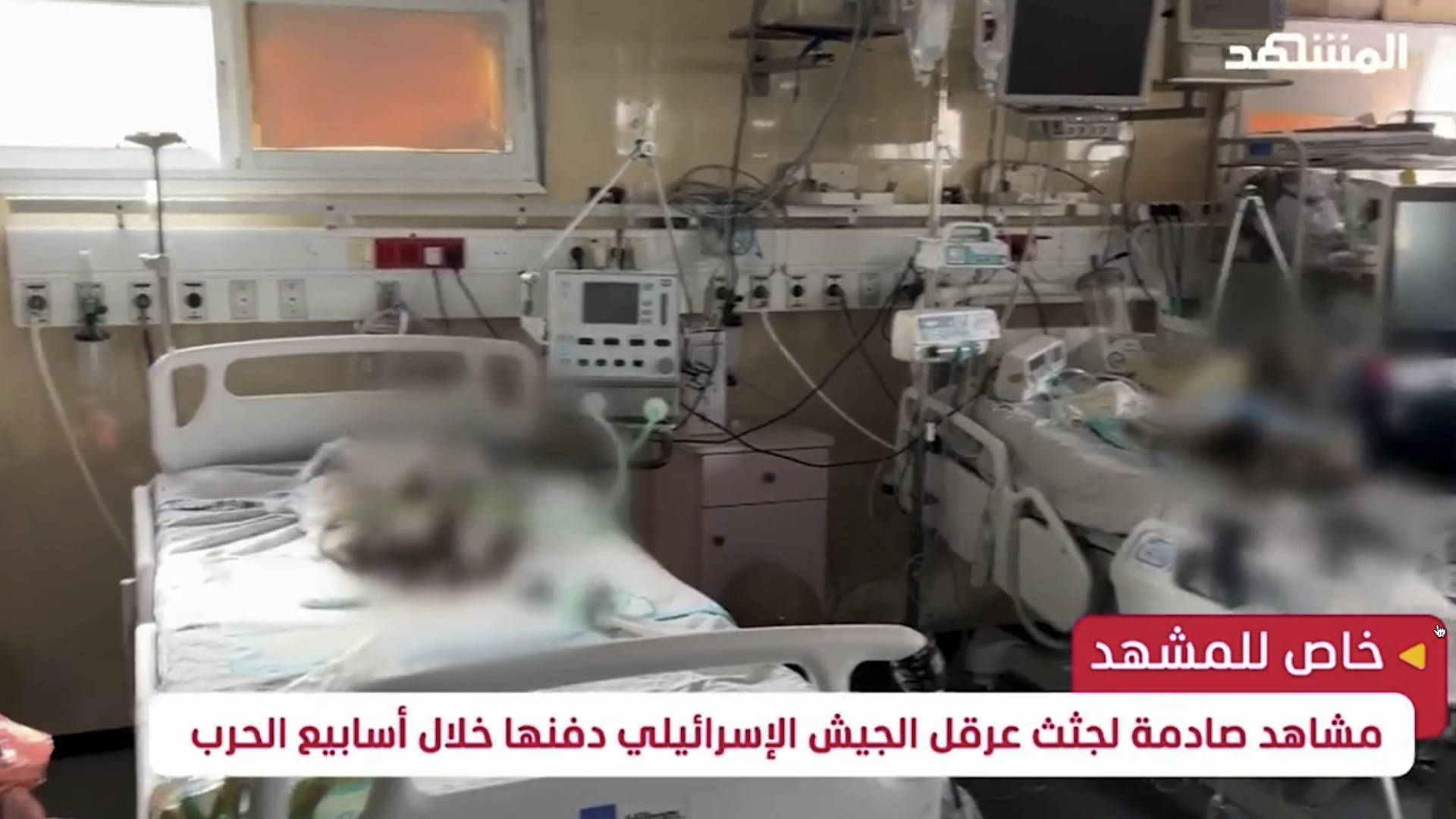
During Israel's assault on northern Gaza, al-Nasr Children's Hospital faced an ultimatum from the Israeli Defense Forces to evacuate or be bombarded. The hospital staff, unable to safely transport the five premature babies in need of life support, reluctantly left them behind. Two weeks later, a journalist discovered the decomposing bodies of the four babies in the hospital's neonatal intensive care unit. The grim discovery highlights the civilian toll of the conflict, with thousands killed, including many children. Israel has accused Hamas of using hospitals as command centers, but Hamas and Gaza medical staff deny this. The evacuation of the hospital was painful, with no way to reach the babies' families, and the nurse who made the difficult decision to leave them behind now feels haunted by the event.
The Palestinian Health Ministry in Gaza has discovered the decomposing bodies of five premature Palestinian babies at the al-Nasr pediatric hospital, who were left to die after Israeli forces ordered medical staff to evacuate and blocked access to the intensive care unit. Shocking footage shows the babies still attached to medical equipment in their hospital beds. Rights groups are calling for an international investigation.
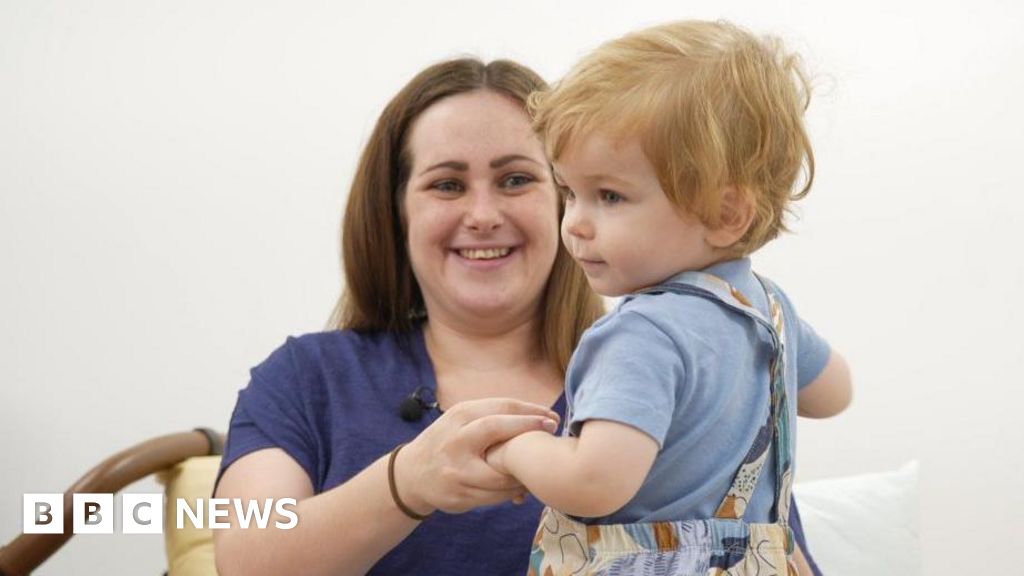
Warda Sbeta, a young mother from Gaza, was reunited with her newborn son, Anas, after being separated for 45 days. Anas was one of the 31 premature babies evacuated from Al Shifa Hospital to a hospital in Rafah. Sbeta and her family had fled their home due to the ongoing conflict, but she refused to be evacuated to Egypt without her husband and other children. Anas was one of the three babies who stayed behind in Gaza. The family lost communication with the hospital, but eventually found Anas in Rafah. Now reunited, they are starting a new life in a school in Khan Younis, southern Gaza.
Warda Sbeta, a mother from Gaza, was reunited with her newborn son, Anas, after being separated for 45 days due to the war. Anas was one of the 31 premature babies evacuated from Al Shifa Hospital to a hospital in Rafah. Sbeta refused the option to be evacuated to Egypt with Anas, choosing to stay with her husband and other children. Out of the 31 babies, 28 were evacuated to Egypt, while Anas and two others stayed behind. The family, now living in a school in Khan Younis, southern Gaza, is relieved to have Anas safely in their care.
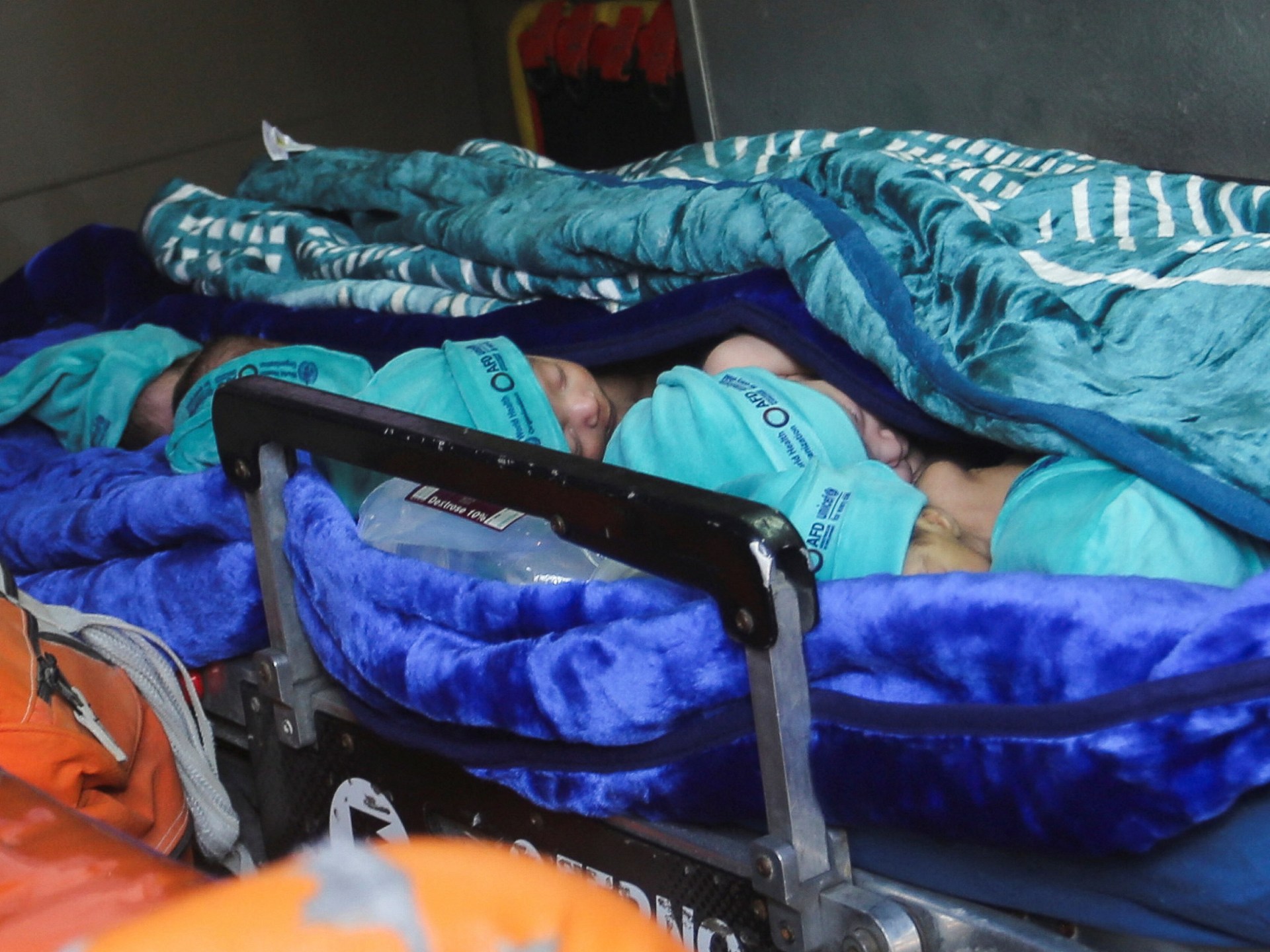
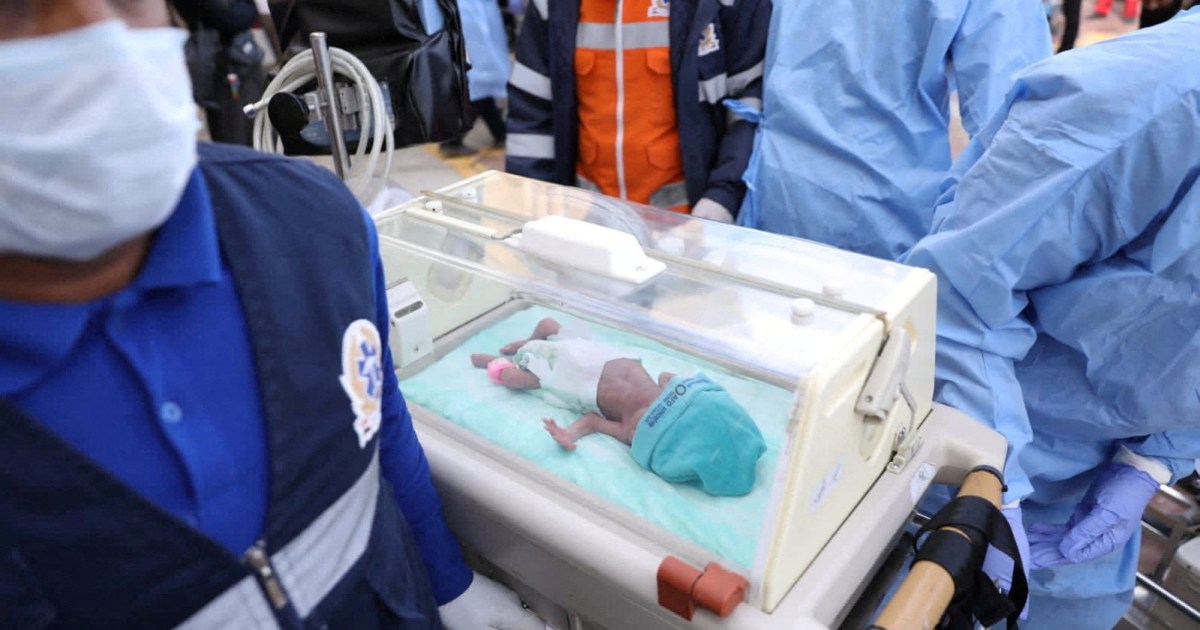
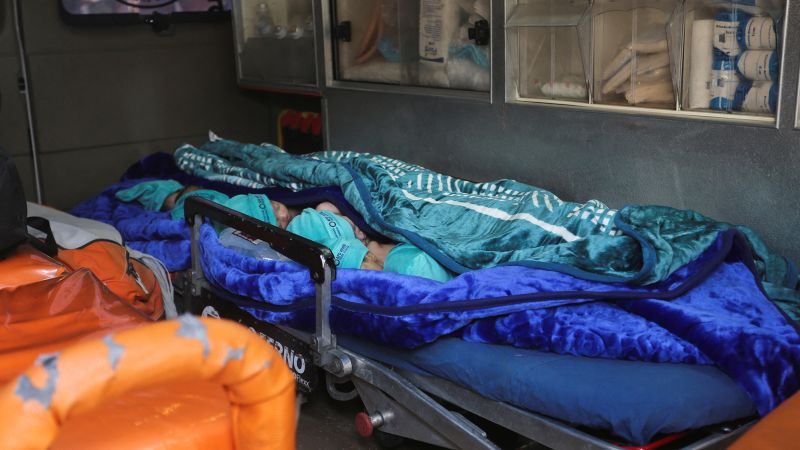
28 premature babies from Gaza have been safely transported to Egypt through the Rafah border crossing for specialized medical care, according to the WHO.
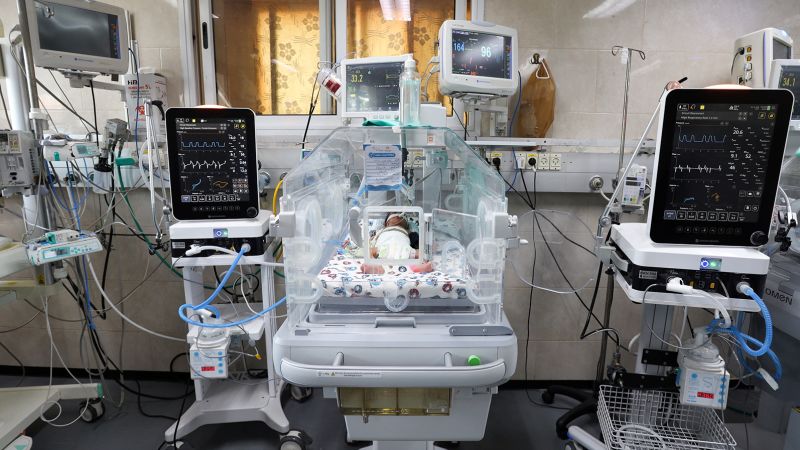
Dozens of premature babies have been evacuated from al-Shifa Hospital in Gaza to Egypt for urgent treatment as Israeli forces allegedly attacked another hospital in northern Gaza. The babies had been patients at al-Shifa, where several others had died due to a lack of fuel for incubators. The babies were transported to a hospital in Rafah before being taken to Egypt. Meanwhile, at the Indonesian Hospital in northern Gaza, at least 12 people were killed and dozens wounded in an artillery attack. The WHO and Indonesia condemned the attack, calling it a violation of international humanitarian laws.
Twenty-eight premature babies have been evacuated from Al-Shifa Hospital in Gaza to Egypt for urgent medical treatment. The babies, accompanied by four mothers and six nurses, were transferred to two separate hospitals in Egypt. The evacuation was organized by the Palestinian Red Crescent Society and other organizations due to the deteriorating conditions at Al-Shifa Hospital, which has been targeted in the ongoing conflict between Israel and Hamas. The babies are in critical condition and require advanced medical care. The evacuation is part of ongoing efforts to provide aid and medical assistance to the besieged enclave.
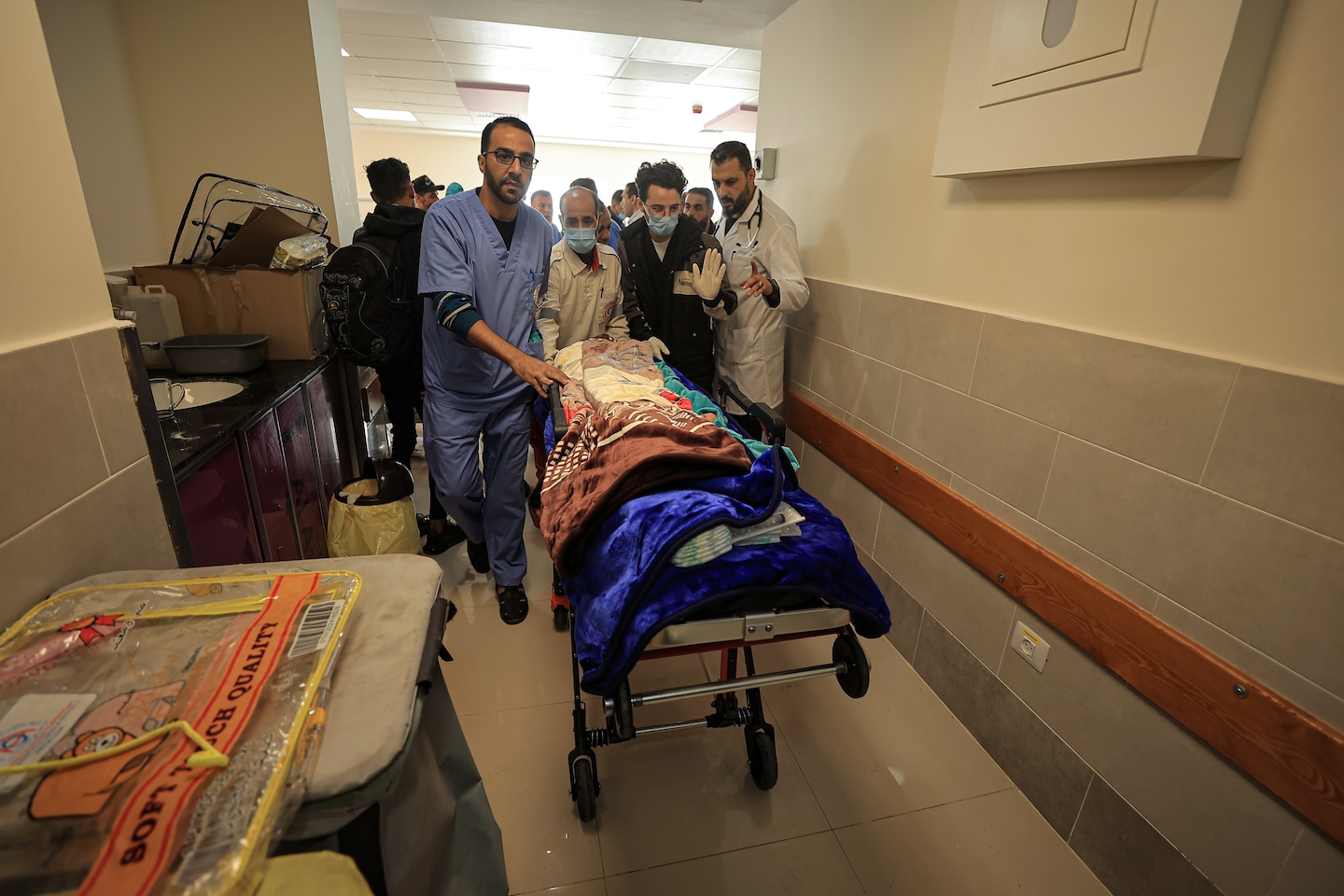
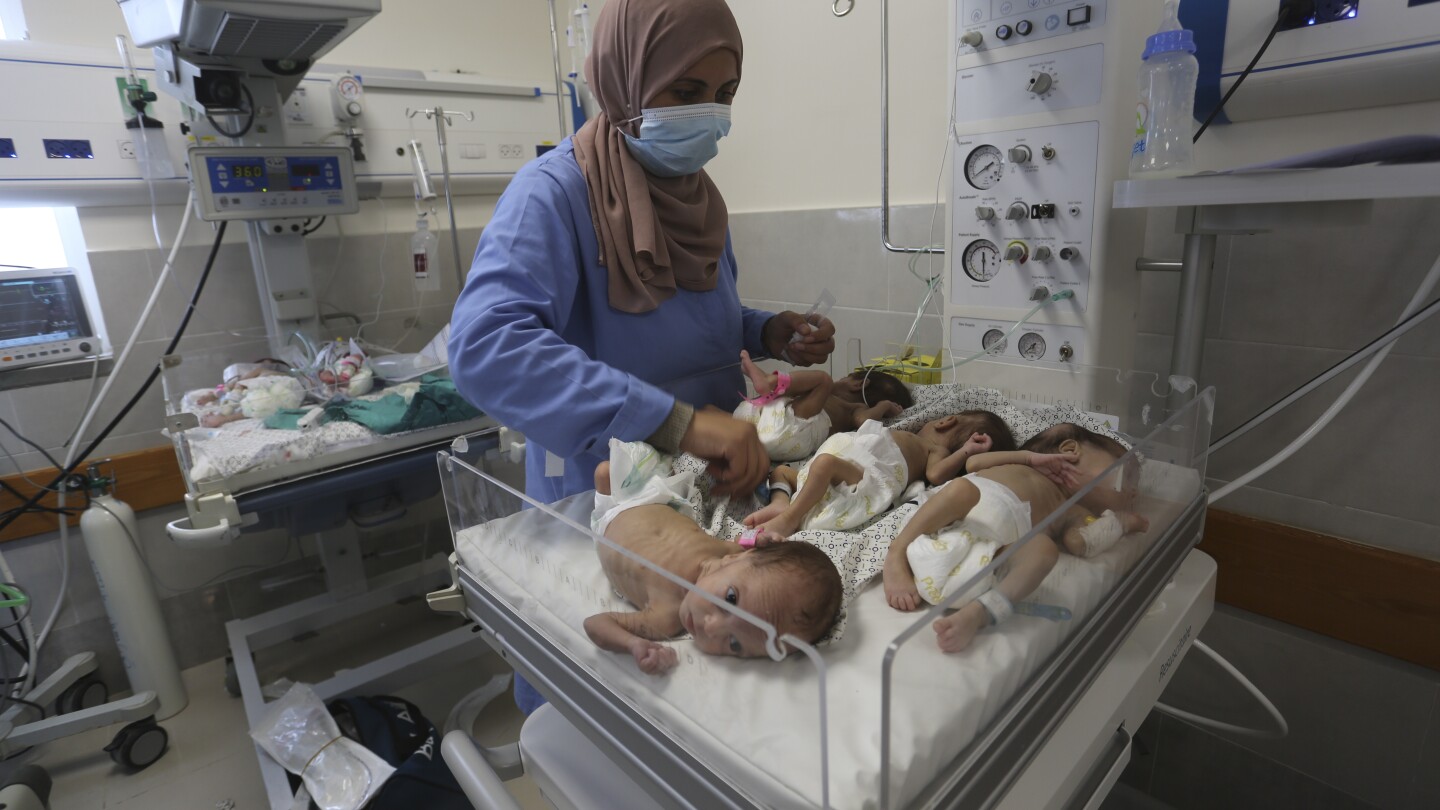
Thirty-one premature babies have been safely transferred from Gaza's main hospital to another in the south and will be moved to Egypt, while scores of other critically wounded patients remain stranded there. The fate of the newborns at Shifa Hospital had captured global attention after a power blackout shut down incubators and other equipment, and food, water, and medical supplies ran out as Israeli forces battled Palestinian militants outside the hospital. The World Health Organization (WHO) chief confirmed the evacuation of the babies, along with health workers and staff family members, to a hospital in the southern Gaza city of Rafah. The WHO team reported that 291 patients, including the babies, trauma patients, and others with severe injuries, were still at Shifa Hospital.
Delayed cord clamping, waiting at least two minutes after birth to clamp the umbilical cord, significantly improves in-hospital survival rates for premature infants, according to new research. This intervention allows umbilical cord blood, rich in iron, stem cells, and antibodies, to flow back to the baby. The American College of Obstetricians and Gynecologists already recommends delaying clamping by 30 to 60 seconds for both full-term and preterm newborns. The new research, published in The Lancet, analyzed studies involving thousands of babies and found that delayed cord clamping reduced in-hospital deaths of preterm newborns by one-third compared to immediate cord clamping. Implementing this low-cost intervention has the potential to save many lives, especially considering the high rates of preterm births worldwide. However, implementing a change in guidelines may be complicated, particularly for cesarean section births that require resuscitation.
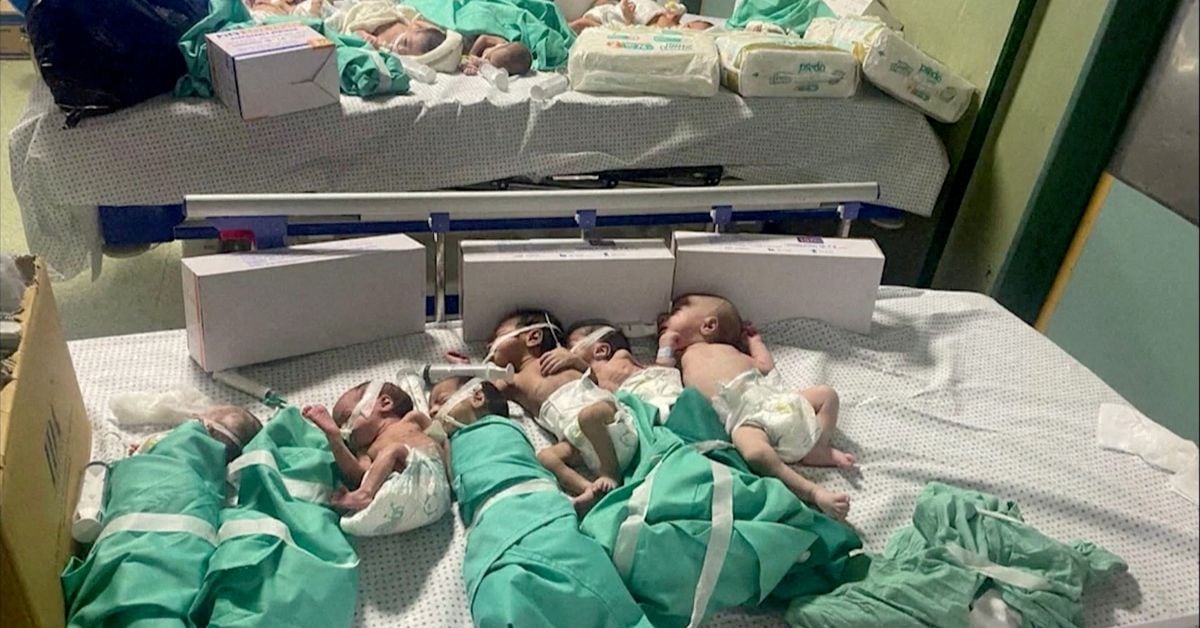
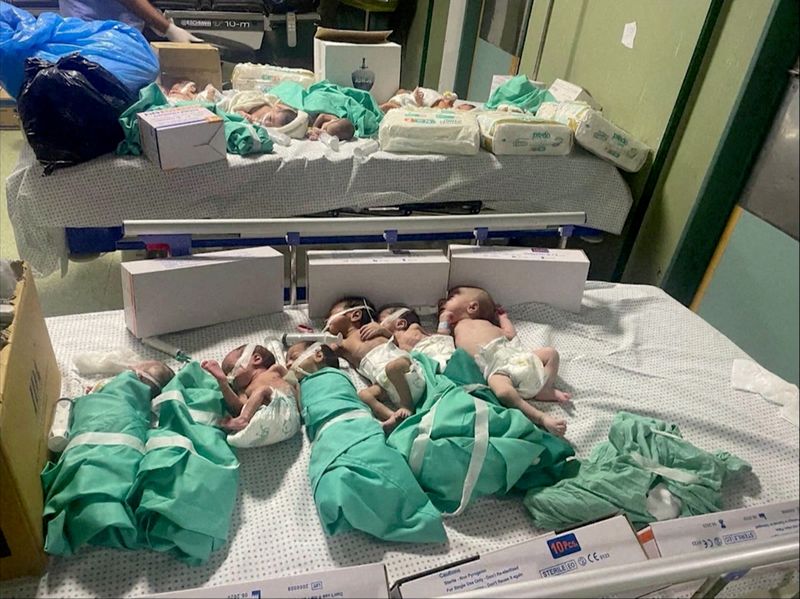
Premature babies at Gaza's largest hospital, Al-Shifa, are being wrapped in foil and placed next to hot water to keep them alive as the hospital faces catastrophic conditions due to Israeli airstrikes and a blockade. Oxygen supplies have run out, and the hospital is without water, food, and electricity. The hospital director reports that several children have died, and none of the operating rooms are functioning. The World Health Organization confirms that Al-Shifa is no longer operational. The blockade has deepened the humanitarian crisis in Gaza, with hospitals and other essential services shutting down. International calls for a ceasefire continue to mount as the civilian death toll rises.