
Tag

Prehistoric Societies

All articles tagged with #prehistoric societies

health1 year ago

"The Deadly Impact of Bacterial Diseases in the Stone Age"

A new study published in Scientific Reports reveals that bacterial diseases, such as Neisseria meningitidis, Yersinia enterocolitica, and Salmonella enterica, were a lethal threat during the Stone Age in Scandinavia. The research, which screened 38 individuals from different Stone Age contexts, found evidence of bacterial infections that are easily treatable with antibiotics today but were fatal in prehistoric societies. The transition from a hunter-gatherer lifestyle to farming may have impacted the spread of these diseases, shedding light on a previously unexplored aspect of prehistoric health.
science1 year ago

"Uncovering Ancient Down Syndrome Cases Through Genetic Signatures"

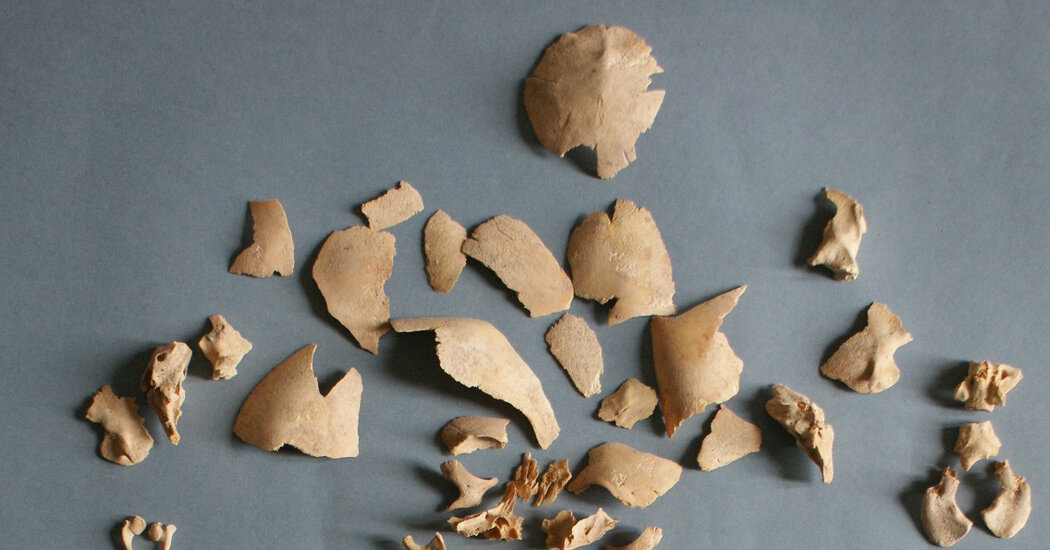
Scientists have identified the genetic signature of Down syndrome in ancient bones of seven infants, some dating back 5,500 years, shedding light on how prehistoric societies may have treated individuals with rare conditions. The method, published in Nature Communications, may provide insight into the historical prevalence and treatment of Down syndrome, which is caused by an extra copy of chromosome 21 and can result in various health challenges. This discovery challenges the difficulty of confidently diagnosing ancient skeletons with Down syndrome due to its variable nature.

archaeology2 years ago

Ancient Shoes Found in Spanish Cave Challenge Assumptions about Early Humans

Scientists have discovered 6,200-year-old grass sandals in a cave in Spain, making them the oldest woven grass footwear found in Europe. The findings challenge assumptions about early human communities in the region and provide evidence of basketry among hunter-gatherer societies and early agrarian communities. The objects, including baskets and organic tools, were made of reed and esparto grass and date back to the early and middle Holocene period. The discovery offers insights into the social aspects of early human groups and highlights the enduring tradition of using esparto grass in Spain and Portugal.