A recent study suggests that analyzing specific blood protein patterns can help predict an individual's risk of dying within the next five to ten years, potentially enabling earlier intervention and personalized healthcare, although the predictive power remains modest and requires further validation.
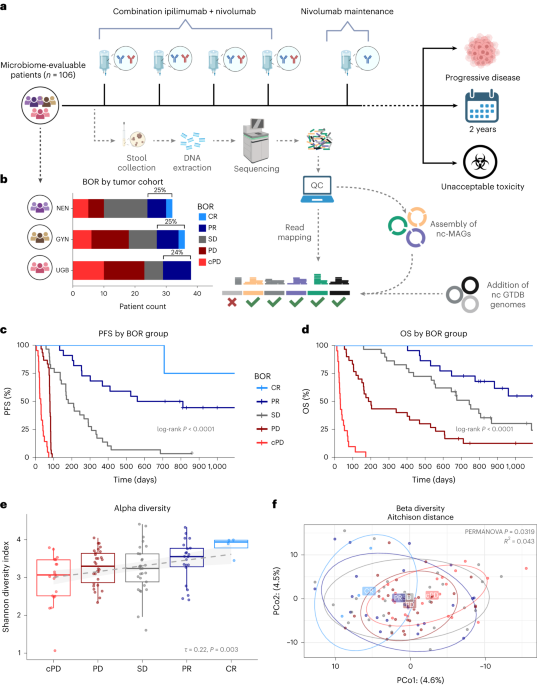
A study has found that the composition of a patient's gut microbiome may serve as a predictive biomarker for the efficacy of combination immune checkpoint blockade (CICB) across various cancer types. By analyzing the gut microbiomes of patients receiving CICB, researchers discovered strain-level microbial abundance signatures associated with treatment response, which were consistent across different cancer subtypes. The study suggests that these microbial signatures may be valuable in predicting patient responses to CICB and guiding treatment decisions.
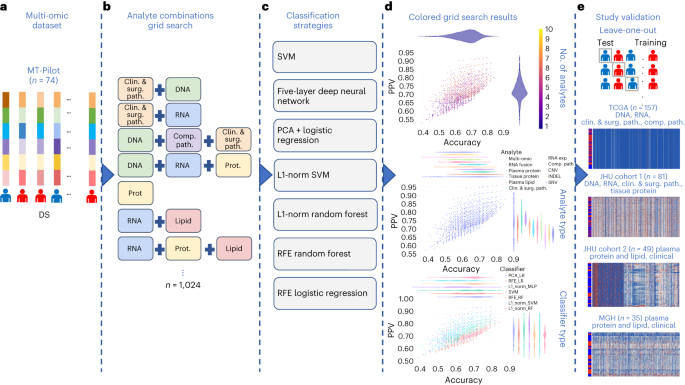
A new multi-omic analytic platform called Molecular Twin Pilot (MT-Pilot) integrates advanced molecular profiling to predict disease survival (DS) in patients with resectable pancreatic ductal adenocarcinoma (PDAC). The platform incorporates data from tumor and host samples, including computational pathology features, and utilizes machine learning models to develop predictive biomarker panels. The study reveals that plasma proteins are critical biomarkers for predicting survival, outperforming the commonly used CA 19-9 biomarker. The multi-omic models provide insights into potential pathways and therapeutic targets for PDAC, demonstrating the platform's potential to impact clinical care and scientific discovery across various cancers.