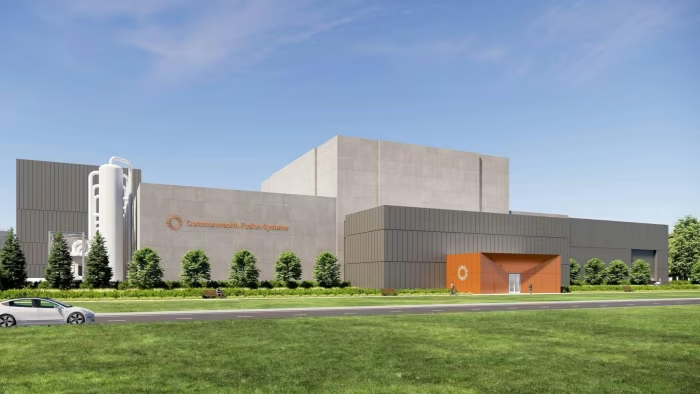
Google has agreed to buy 200 MW of power from Commonwealth Fusion Systems' planned fusion power plant in Virginia, marking one of the first offtake deals in the emerging fusion energy sector, with the plant expected to be operational by the early 2030s, signaling growing confidence in fusion as a viable clean energy source.

Former Andhra Pradesh Chief Minister Y.S. Jagan Mohan Reddy announced plans to sue two vernacular newspapers for Rs 100 crore over false allegations regarding a power purchase agreement between the Solar Energy Corporation of India (SECI) and the state government. Reddy clarified that the agreement, which offers power at Rs 2.49 per unit, involved no third parties and accused the media of damaging his reputation with baseless bribery claims. He emphasized the economic benefits of the deal, contrasting it with previous agreements under Chief Minister N. Chandrababu Naidu.
Shell has exited a power purchase agreement for the SouthCoast wind farm in Massachusetts and will pay a penalty instead of facing increasing construction costs. This comes as other energy companies, including BP and Orsted, have announced significant writedowns for their U.S. wind farm projects due to high inflation.
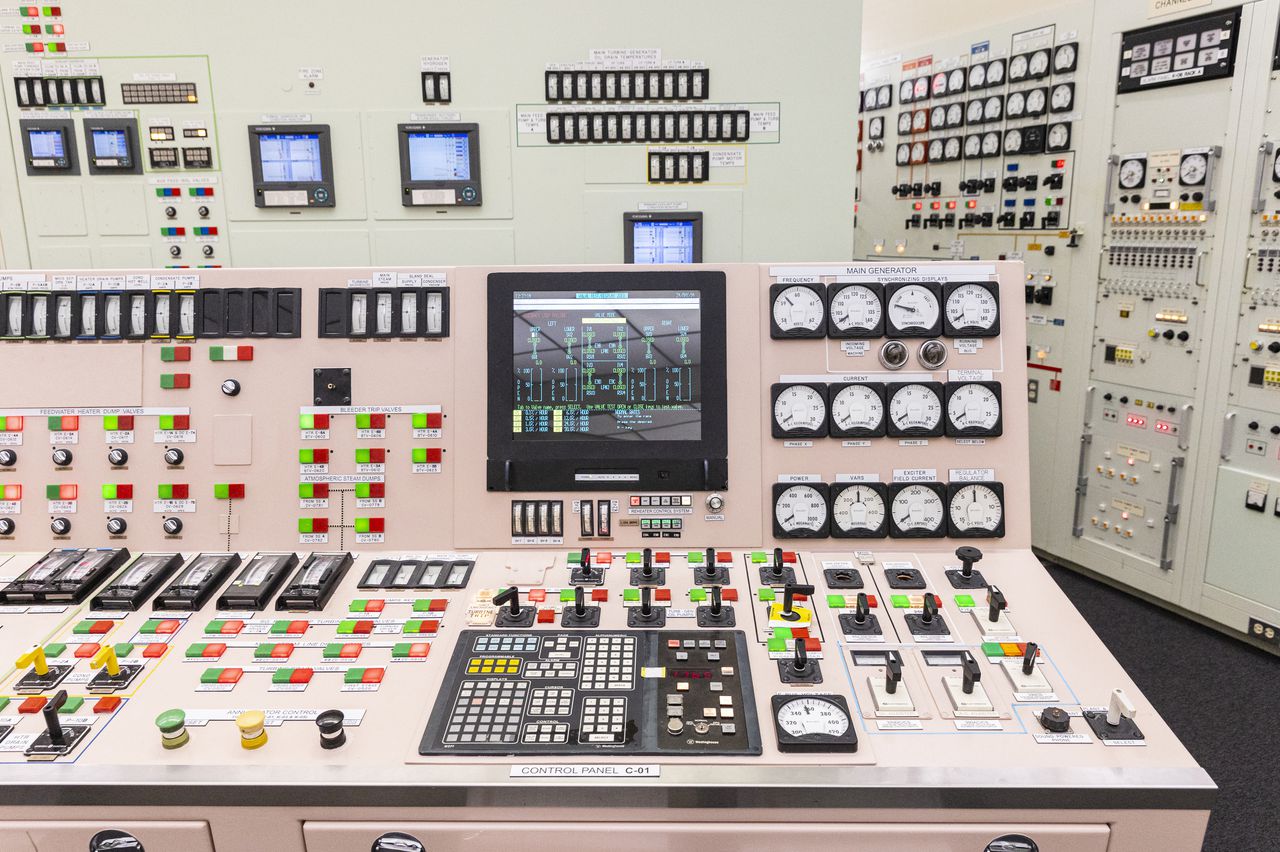
Holtec International, the owner of the Palisades nuclear plant, has announced a deal with Wolverine Power Cooperative to restart the facility, making it the first decommissioned nuclear plant in the US to be fired back up. Wolverine has committed to purchasing up to two-thirds of the nuclear energy generated at the plant, with the remaining balance being purchased by Hoosier Energy. The restart of Palisades aims to ensure Michigan has sufficient energy to meet future demand, create jobs, expand the local tax base, and reduce carbon emissions. However, some residents and environmental advocates have expressed concerns about the environmental risks associated with reopening the plant.
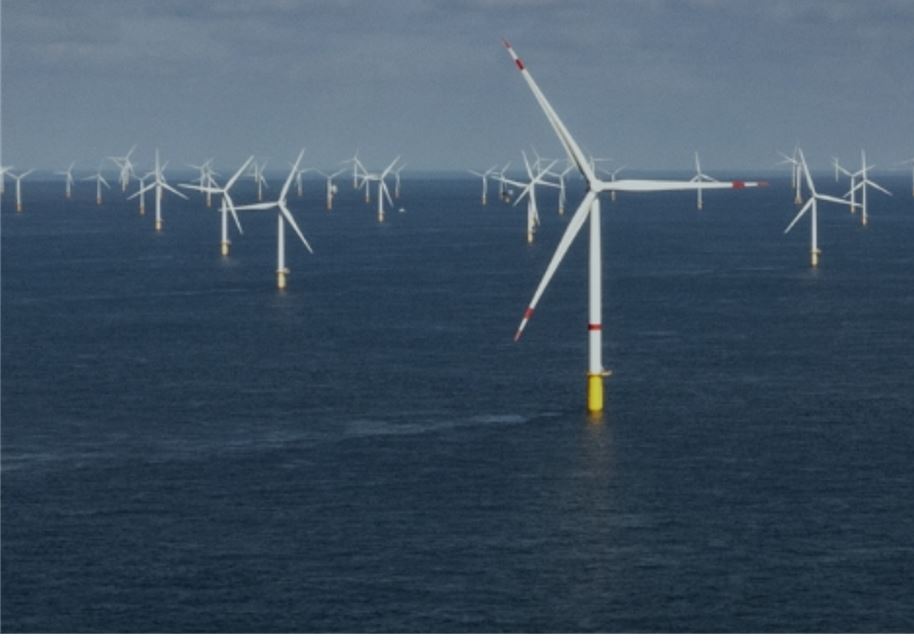
SouthCoast Wind, a joint venture between Shell and Ocean Winds, is seeking to terminate its existing Power Purchase Agreements (PPAs) for the first 1.2 GW of its 2.4 GW offshore wind project off the coast of Massachusetts, citing "material and unforeseen supply chain and financing cost increases affecting the whole offshore wind industry." The company plans to rebid the PPAs into the next round in line with the path created in the recently released Massachusetts RFP. The project will continue to move through federal and state permitting and have the grid connections necessary to ensure the delivery of 2,400 MW of power.
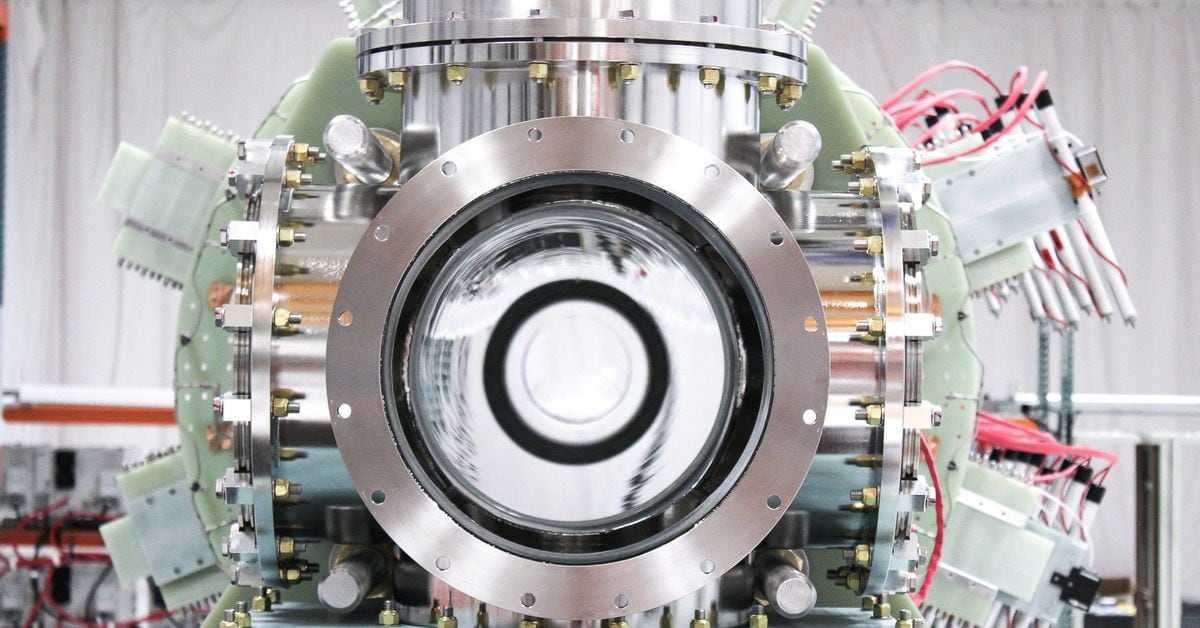
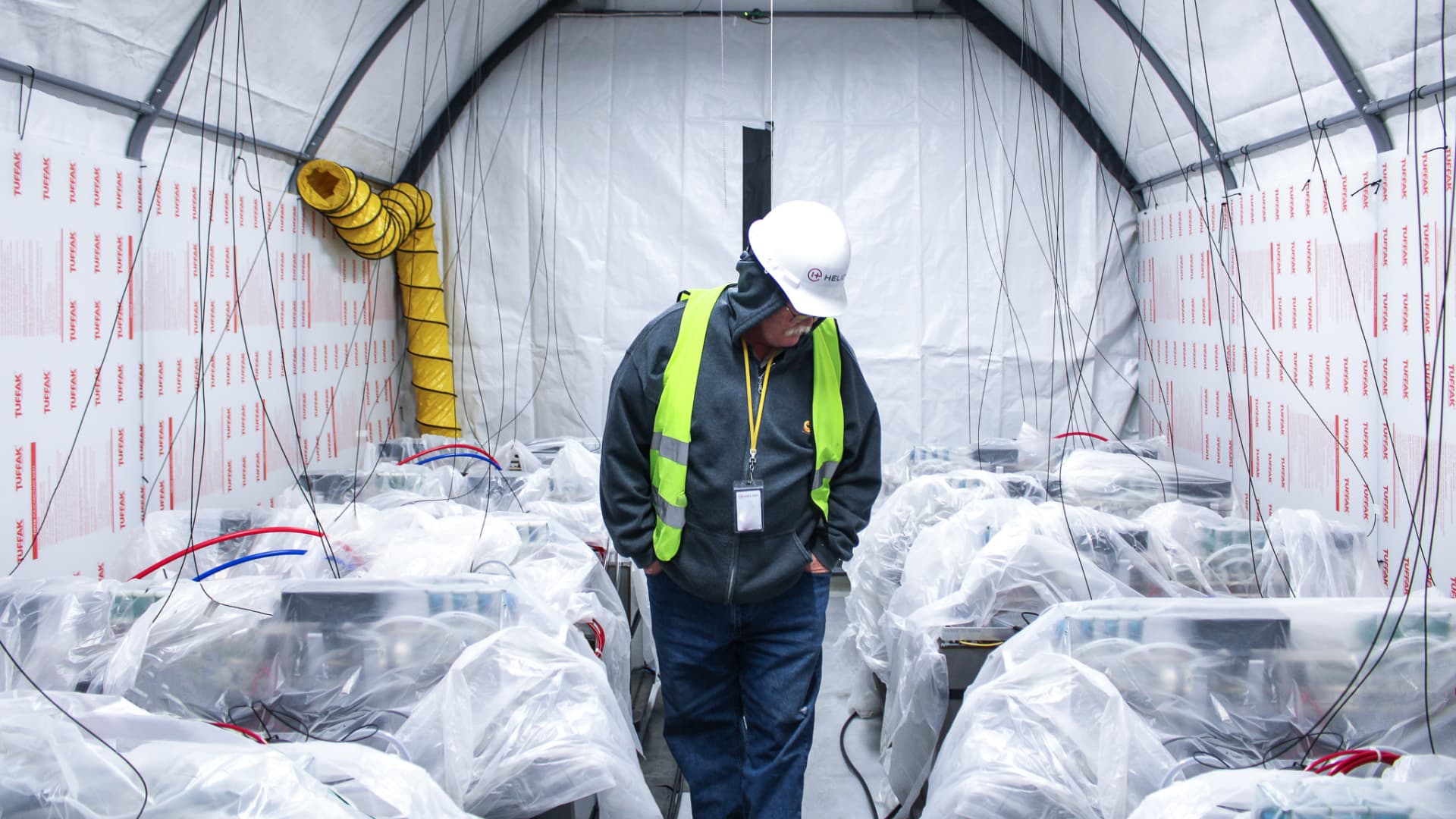
Microsoft has signed a power purchase agreement with Helion Energy, a private US nuclear fusion company, to provide electricity in about five years. Helion's plant is expected to be online by 2028 and will target power generation of 50 megawatts or greater after a one-year ramp-up period. Fusion could one day help the world slash emissions linked to climate change. Unlike today's fission reactors, it could generate power without producing long-lasting radioactive waste.
Microsoft has signed a power purchase agreement with nuclear fusion startup Helion Energy to buy electricity from it in 2028. The deal is a notable vote of confidence for fusion, which holds promise of being able to generate nearly unlimited clean power, if it can be harnessed and commercialized on earth. Helion's deal with Microsoft is the first time a fusion company has inked a deal to sell electricity. Helion was founded in 2013 and currently has about 150 employees, with headquarters in Everett, Wash.