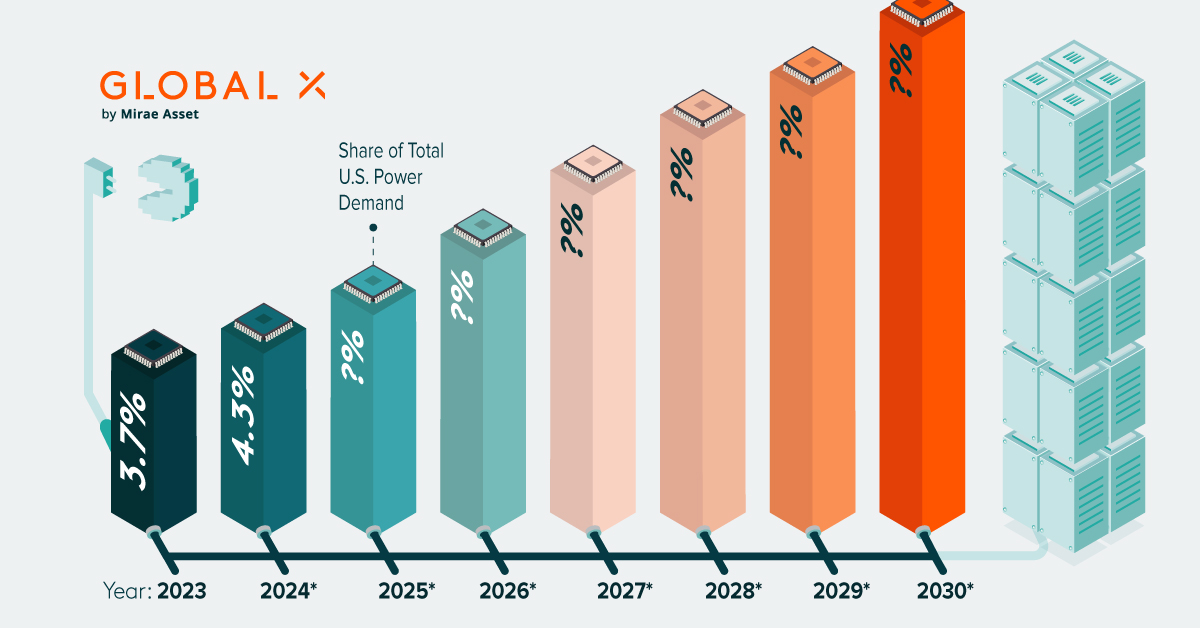
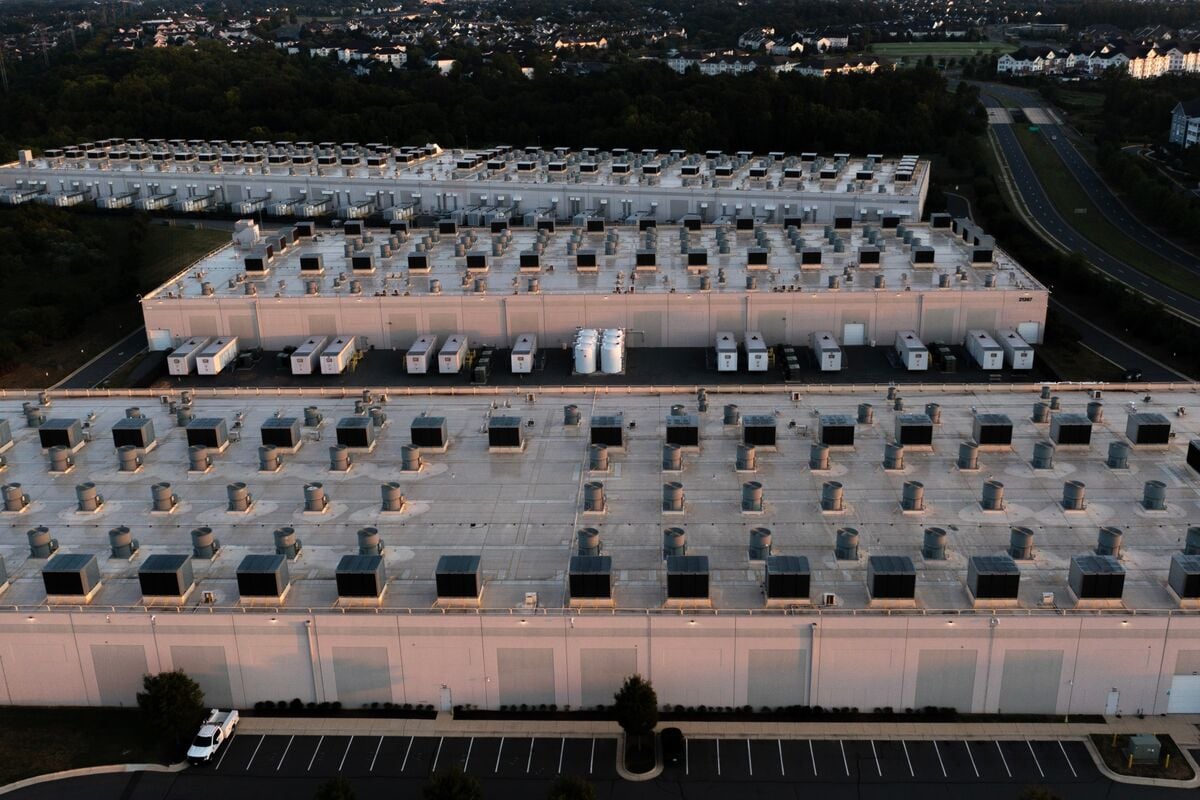
U.S. data centers' electricity consumption is projected to increase from 3.7% in 2023 to 11.7% of total U.S. power demand by 2030, reaching 606 terawatt-hours, driven by growth in AI and internet usage.
The article discusses how recent Trump policies, which cut tax credits for renewable energy projects starting in 2028, threaten Texas's ability to meet its rapidly increasing power demand driven by economic growth and new data centers. The reduction in incentives is likely to slow the expansion of solar and wind capacity, leading to higher electricity costs and potential economic impacts, as Texas struggles to build enough gas plants amid global supply shortages.
PJM Interconnection issued a level-one energy emergency alert due to a heat wave causing power demand to reach a 14-year high, with temperatures in the mid-Atlantic and Midwest soaring, risking supply shortages.
US data centers are significantly increasing their power consumption, leading the US Energy Department to nearly double its forecast for electricity use in 2026, driven mainly by a 5% rise in commercial demand due to data center expansion.
The US is delaying plans to retire coal-fired power plants due to a surge in electricity demand driven by the increasing use of artificial intelligence technologies.
U.S. electric utilities are preparing for a significant surge in power demand driven by data centers, particularly those supporting generative AI technology. The rapid growth in electricity consumption from these facilities is expected to triple globally, leading to concerns about the industry's ability to respond to the increased demand due to a backlog of power generation and transmission projects. Some state legislators are also scrutinizing the strain on power grids and environmental impact caused by data centers, posing potential threats to electricity demand in certain regions.
Freezing temperatures in the U.S. have led to peak power demand and record natural gas consumption for heating and power generation. The severe winter storm caused disruptions in the energy sector, including the shutdown of a Gulf Coast refinery and halving of North Dakota's oil production. Despite some isolated outages, the power and gas systems have largely remained operational, avoiding a repeat of the deadly consequences seen during a similar storm in 2021. U.S. gas demand hit a record high, while gas output dropped due to freeze-offs. Spot power and gas prices in the Northeast surged, and the Electric Reliability Council of Texas managed to meet record winter demand through energy conservation efforts.
The Tennessee Valley Authority is anticipating another peak power demand in Middle Tennessee due to subzero temperatures, prompting electric companies to ask customers to conserve energy by lowering thermostats, postponing use of large appliances and hot water, and turning off non-essential lights and appliances. TVA officials have completed over 3,400 winter readiness activities to avoid rolling blackouts, and are urging energy conservation measures to manage the increased demand.
The Tennessee Valley Authority is urging customers to voluntarily curtail their energy use as freezing temperatures and high electric demand persist, with officials warning of potential record power demand. Customers are asked to reduce consumption by adjusting thermostats, minimizing appliance usage, and sealing airway leaks, following previous mandatory rolling blackouts in some areas due to increased energy demand during freezing temperatures in 2022.
As a weeklong heat wave hits St. Louis and surrounding areas, power consumption approaches all-time highs, prompting utilities like Ameren to request that customers conserve energy. The electric grid is on track to possibly tie or surpass its previous record for peak energy usage, with demand reaching 122 gigawatts. MISO, the grid overseer, declared a "Maximum Generation Emergency Event" and asked emergency sources of power generation to come online. Ameren assures customers it has sufficient capacity but asks them to raise thermostat temperatures, close curtains, and run high-energy appliances after 10 p.m. Experts suggest building more transmission and promoting energy efficiency to better prepare the grid for extreme heat. The heat wave is expected to end soon, but concerns remain about the grid's resilience under prolonged extreme conditions.
California's Independent System Operator (ISO) is warning of high temperatures and increased electricity usage during the coming week, as the grid operator prepares for tight conditions and potential supply shortages. ISO is closely monitoring the power grid as heat waves can strain resources across multiple Western states. While energy supplies are currently sufficient to meet demand, ISO may issue emergency notifications and Flex Alerts to secure additional resources and urge consumers to reduce power use during peak hours. Temperatures in California could reach 5-15 degrees hotter than usual for mid-August, with the northern interior experiencing temperatures of 98-108°F and the desert Southwest seeing highs of 105-118°F.
Texas electricity prices surged over 800% to top $2,500/MWh as scorching heat pushed power demand to record highs. The state's major grid operator, ERCOT, expects power usage to peak at an all-time high of nearly 84.4 GW, but potential power supply problems may arise once solar generation decreases at sunset. ERCOT has issued a weather watch due to forecasted higher temperatures, increased demand, and potential lower reserves as much of the state experiences excessive heat warnings.
Texas experienced record-breaking power demand for the second consecutive day as a heat wave persisted, causing homes and businesses to heavily rely on air conditioning. The Electric Reliability Council of Texas (ERCOT) assured that it has sufficient resources to meet the soaring demand. Following a devastating storm in February that left millions without power, Texans have been concerned about extreme weather. ERCOT reported a preliminary peak demand of 81,406 megawatts (MW) on Thursday, surpassing the previous day's record of 81,351 MW. With meteorologists predicting high temperatures in Houston, ERCOT expects another record to be set on Friday. Spot prices at the ERCOT North Hub also surged to a three-week high due to the heat, reaching $123 per megawatt hour.
Texas' power grid operator, ERCOT, has forecasted that electricity use will break records this week due to a heat wave, with demand expected to hit 85,471 megawatt hours on June 27, topping last year's peak of 80,148 MWh. This would be at least the third time in about two weeks that the grid operator has forecast record high demand. Extreme weather is a reminder of the 2021 February freeze that left millions of Texans without power, water and heat for days during a deadly storm as ERCOT scrambled to prevent a grid collapse after an unusually large amount of generation was shut down.
Texas' power grid operator, ERCOT, has forecasted that electricity use will break records this week due to a heat wave, with demand expected to hit 85,471 megawatt hours on June 27, topping last year's peak of 80,148 MWh. This would be at least the third time in about two weeks that the grid operator has forecast record high demand. Extreme weather is a reminder of the 2021 February freeze that left millions of Texans without power, water and heat for days during a deadly storm as ERCOT scrambled to prevent a grid collapse after an unusually large amount of generation was shut down.