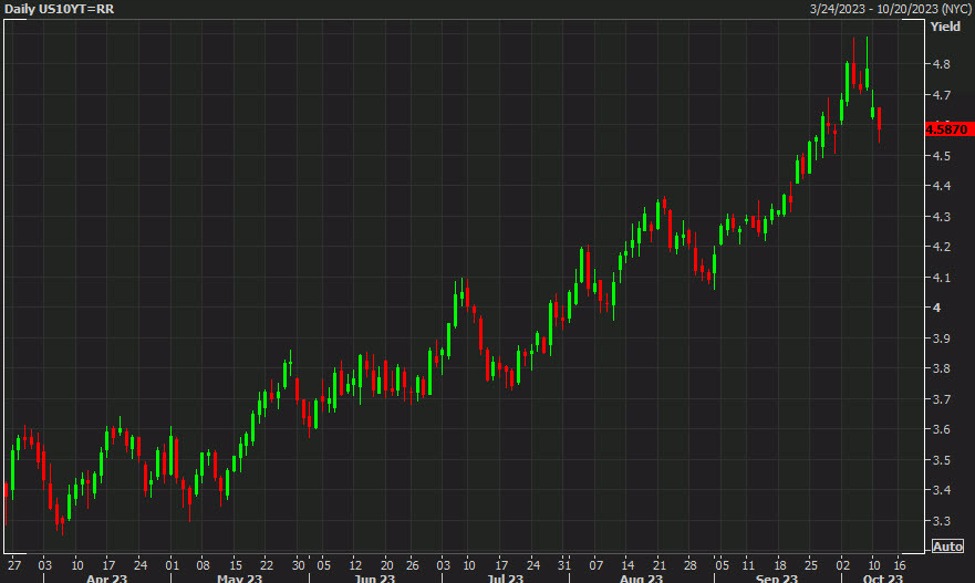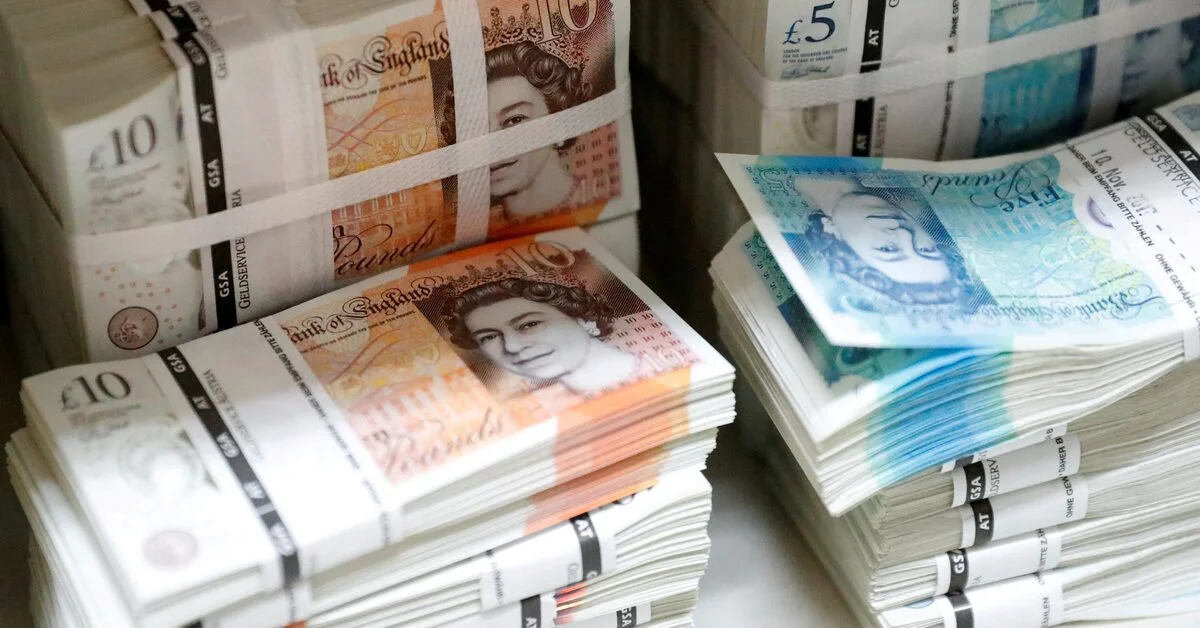
UK long-term bond yields reached their highest since 1998, driven by debt concerns and inflation fears, causing the pound to weaken and putting pressure on the government to address a significant budget deficit amid rising borrowing costs.
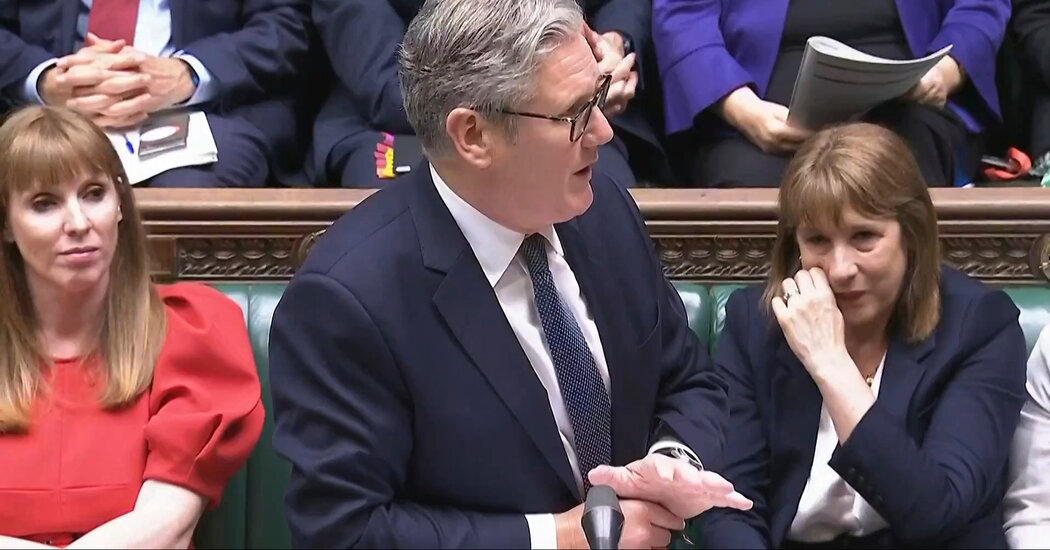
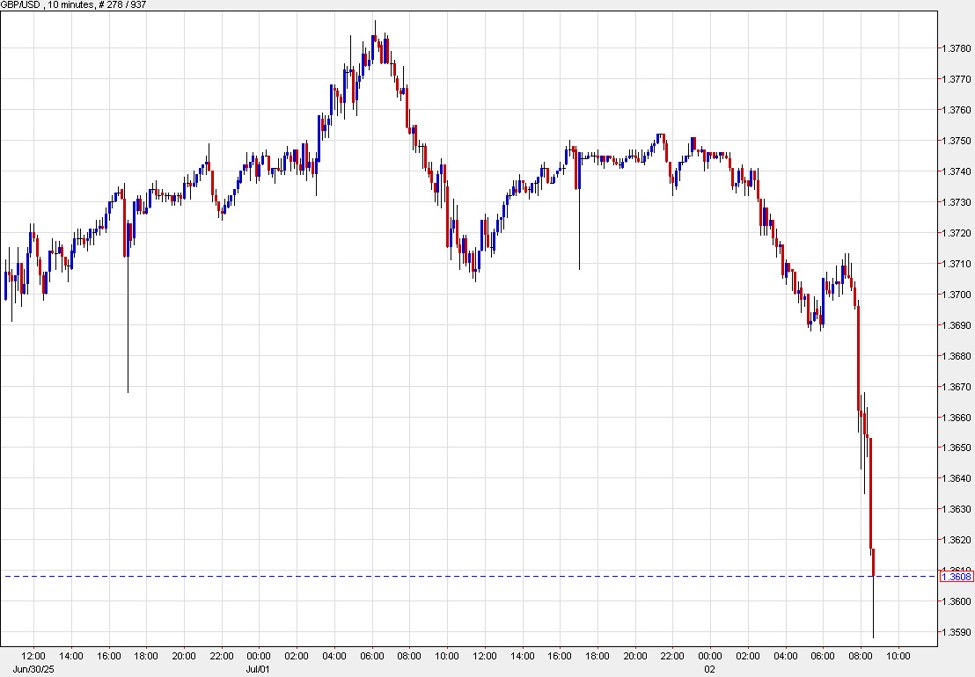
The British pound and government bonds declined amid uncertainty over UK Chancellor Rachel Reeves's position, following her visible distress in Parliament and the Prime Minister's ambiguous support, amid ongoing fiscal challenges and political tensions within the Labour government.
The British pound has sharply declined due to a selloff in the UK bond market, driven by rising gilt yields and political uncertainties surrounding Chancellor Rachel Reeves and UK government finances, following a U-turn on welfare cuts.
The pound reached a nearly four-year high against the dollar amid market concerns over US President Trump's potential plans to replace Federal Reserve Chair Jerome Powell, which could impact US monetary policy and market confidence.
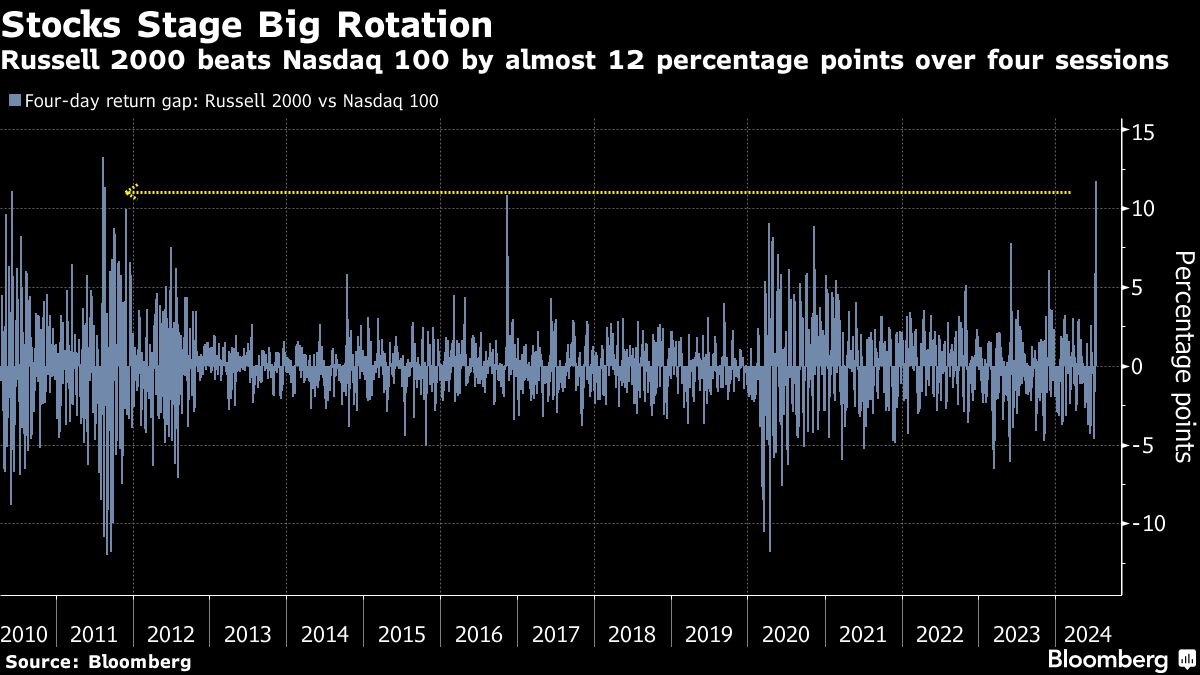
European stocks and US equity futures fell due to concerns over stricter US trading curbs on China, with tech stocks like ASML Holding NV and Tokyo Electron Ltd. particularly affected. The pound rose against the dollar as UK inflation exceeded forecasts, reducing the likelihood of an August rate cut by the Bank of England. Treasury yields increased, while the dollar remained steady. Optimism about potential Federal Reserve rate cuts and US retail resilience has supported risk-on sentiment, despite geopolitical and trade uncertainties linked to a possible Trump presidency.
The Bank of England has left UK interest rates unchanged at 5.25%, maintaining borrowing costs at a 15-year high as policymakers aim to combat inflation. Governor Andrew Bailey stated that it is too early to consider rate cuts, despite progress on inflation. The decision was split 6-3, with three members voting to raise rates. The pound surged to $1.27 against the US dollar following the announcement, reflecting a difference in tone between the Bank of England and the US Federal Reserve. The Bank also highlighted that the UK faces higher inflationary pressures compared to the US and eurozone.
European equity futures followed Asian and US shares lower after Federal Reserve Chair Jerome Powell warned of potential interest rate hikes, dampening the rally in stocks and bonds. The pound fluctuated as UK data revealed a stagnant economy. Asian markets experienced a decline, with Hong Kong stocks being among the biggest losers. Investors are awaiting comments from ECB President Christine Lagarde and US economic data, including the University of Michigan consumer sentiment survey. Bitcoin edged closer to $37,000, while West Texas Intermediate rose to around $76 per barrel.
Despite a rise in the Producer Price Index (PPI), the US dollar is falling as worries about inflation fade. The increase in PPI was driven by energy prices, but with oil prices down and gasoline cracks narrowing, October PPI is expected to decline. This trend is likely to continue with the Consumer Price Index (CPI) report. Additionally, geopolitical risks are causing bond yields to retrace, further impacting the US dollar. The pound is currently the strongest currency against the US dollar, reaching its highest level since September 20.
The British pound saw its biggest one-day gain in almost two weeks after data revealed that core inflation in the UK remained strong in July, while the Chinese yuan hit a nine-month low due to concerns over a deepening growth slowdown. The pound rose by around 0.3% against the dollar, while the yuan fell to its lowest level since November. The Bank of England is expected to raise rates further in September to combat high inflation. Meanwhile, the New Zealand dollar rebounded after the Reserve Bank of New Zealand held its cash rate steady and pushed back the timing of expected rate cuts.
The Bank of England has raised its interest rates by 25 basis points to 4.25% in an effort to bring inflation down to its 2% target. The central bank has also stated that it is not ruling out further hikes if inflation rises. Gold prices are currently stuck in neutral against the British pound due to the Bank of England's relatively hawkish stance, causing gold to significantly underperform against the pound.