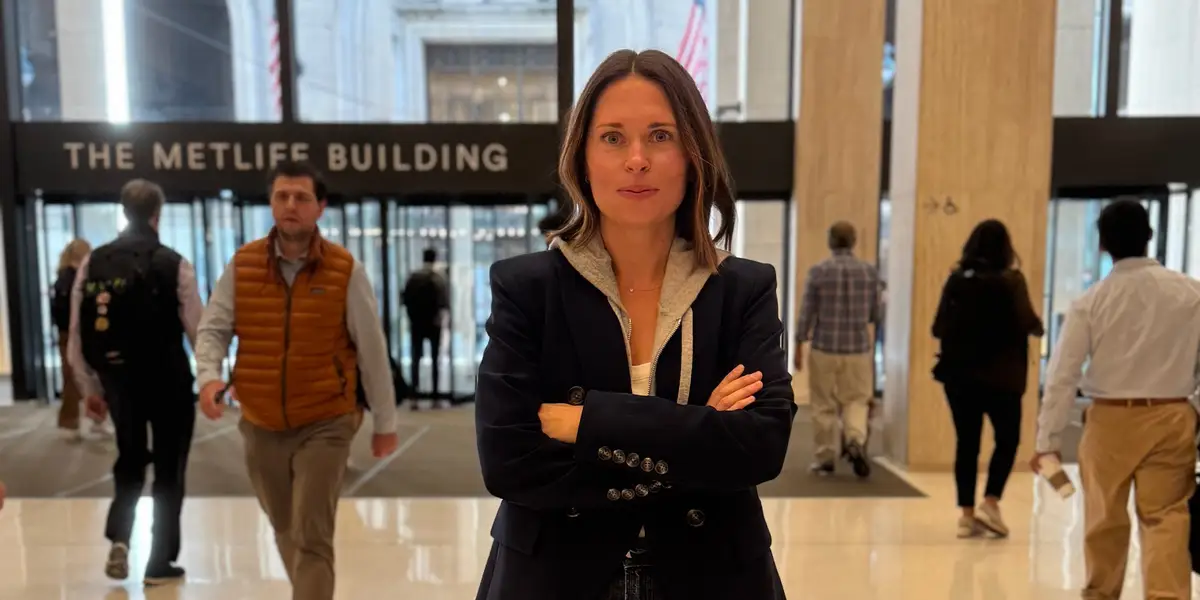
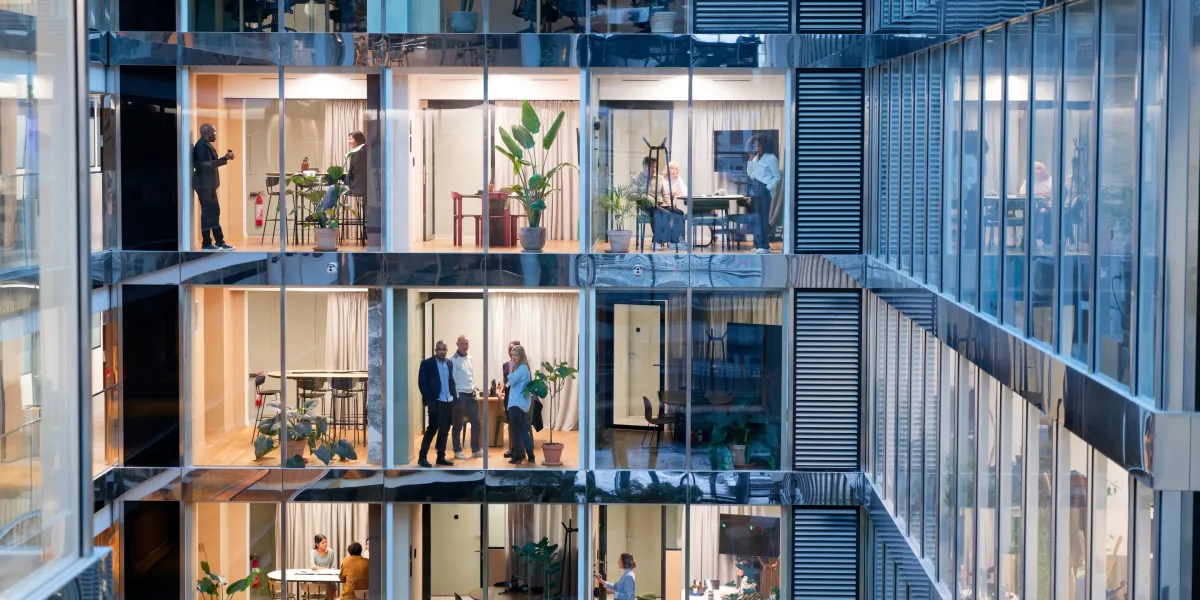
CBRE has announced the creation of a new Building Experience Lab led by Annie Dean, aimed at rethinking and improving workplace environments through data-driven research and innovative design, in response to changing employee expectations and the return to office work.
The CEO of ABM Industries discusses how companies are adjusting their office spaces to attract workers back, including downsizing, upgrading amenities, adding private areas, and emphasizing cleanliness, with a focus on the evolving hybrid work model and the importance of understanding organizational culture.
Apple is expanding its presence in the Miami area by securing 45,000 square feet in a new building in Coral Gables, following the trend of other Big Tech companies setting up outposts or expanding in South Florida.
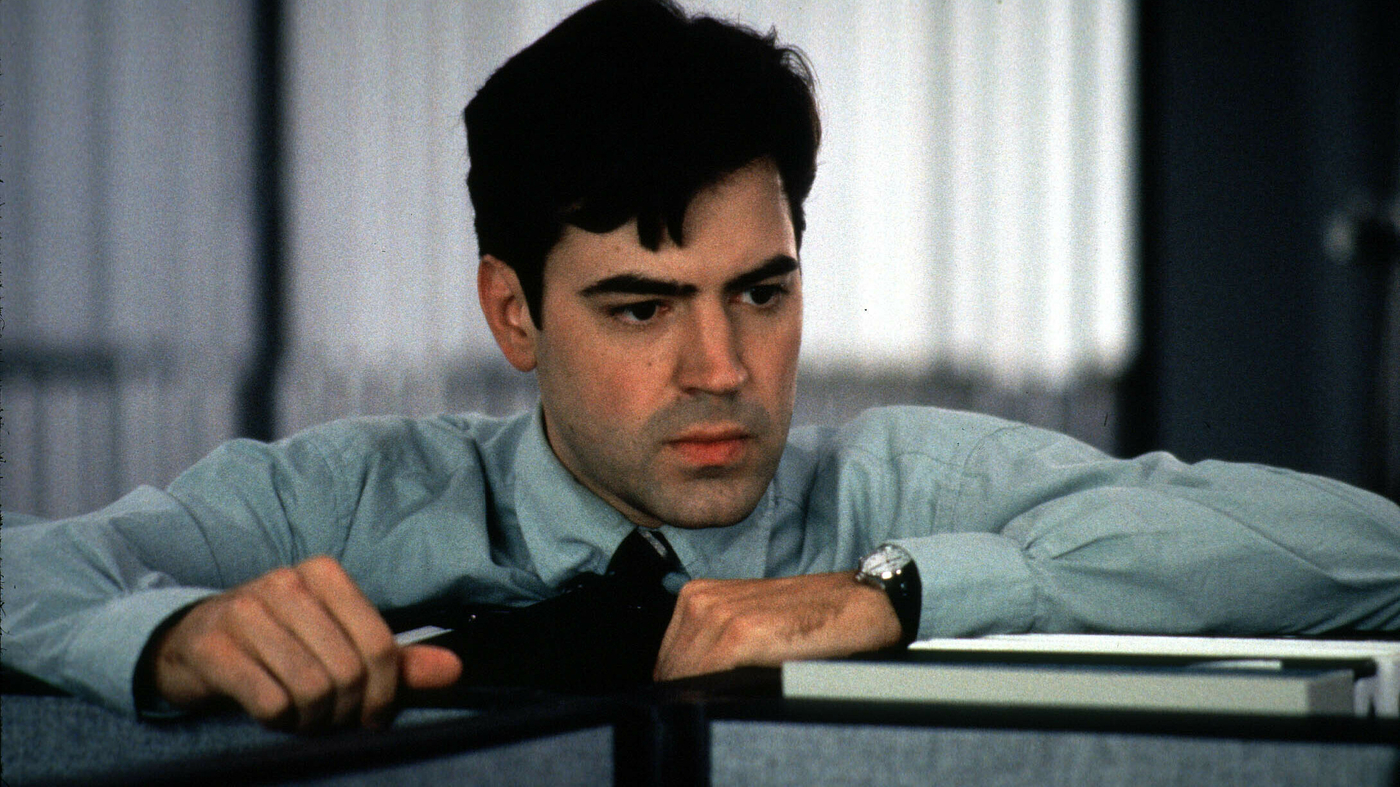
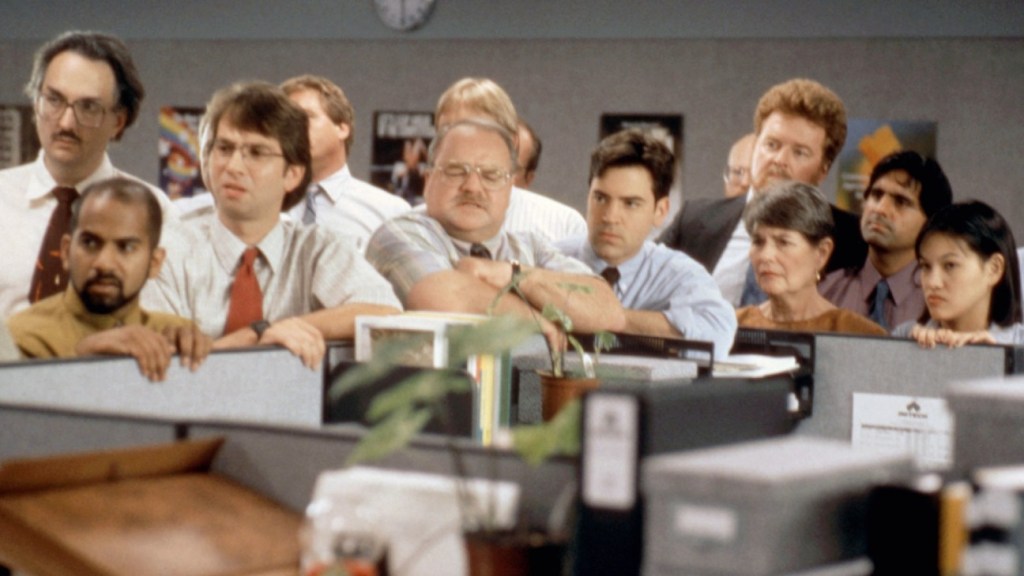
Revisiting the movies of 1999, including Drop Dead Gorgeous, Office Space, and The Talented Mr. Ripley, to discuss what holds up, what looks different, and what is missed about these films 25 years later.
Mike Judge and the cast of "Office Space" reunited at SXSW for a panel discussion, revealing behind-the-scenes details about the film's creation and reception. Judge admitted he hasn't watched the film since before its release and shared regrets about a specific scene. He also turned down the opportunity to create the U.S. version of "The Office." The cast discussed their characters' potential current situations, and the panel highlighted various anecdotes, including studio requests and the film's journey from initial failure to becoming a comedy classic.
As remote work continues to leave offices empty, landlords are considering alternative uses for the space, such as hotels, manufacturing facilities, film studios, and medical offices. While residential conversions are popular, financial and physical hurdles make them unfeasible for many properties. Some landlords are exploring unconventional options like advanced manufacturing spaces and film post-production sets, but experts caution that converting office spaces into mixed-use properties is labor- and capital-intensive, with potential zoning challenges.
Large law firms are rethinking their office spaces, opting for smaller, more collaborative layouts with features like sit-to-stand desks and video technology for hybrid meetings. The shift comes as firms aim to downsize their real estate footprint due to the enduring impact of remote work, with the new benchmark for office space per lawyer being closer to 600 square feet compared to the previous 1,000 square feet. This trend has led to the replacement of traditional corner offices with more uniform, multimedia-equipped spaces for lawyers of all seniority levels.
Many companies demanding a return to the office may be bluffing about the number of days they actually expect employees to be present, as they likely lack the space to accommodate everyone. CEOs are ordering employees back to the office, but data suggests that many workers are not complying with the mandates. Some companies are implementing strict return-to-office policies, such as banning remote work on Fridays and Mondays, in an effort to manage office space more efficiently. However, the shift back to the office is unlikely to be full-time, with three days a week being the norm due to space constraints.
Decreased demand for office space and high interest rates have put pressure on lease holders and smaller banks, particularly in San Francisco, leading to concerns about the commercial real estate sector and its potential impact on the economy. Vacancy rates in downtown San Francisco are at historic highs, prompting fears of another wave of mortgage defaults if interest rates don't come down. While some see the crisis as an opportunity for investment, regional banks with concentrated exposures in commercial real estate are facing challenges and resorting to loan restructuring to stay afloat. The return of workers to offices and potential interest rate cuts are key factors in determining the future of the commercial real estate market.
Real-estate tycoon Ian Jacobs, heir of the Reichmann real-estate dynasty, plans to purchase $900 million worth of vacant office space in San Francisco through a venture called 'Project Uris.' The city's high vacancy rates, driven by homelessness, crime, and work-from-home trends, have created an opportunity for value investing in real estate. Jacobs aims to buy 3 million square feet of office space at a significant discount and has already secured $75 million in commitments for the project. This move mirrors similar urban revitalization efforts in other cities and comes as US office vacancy rates reach a 40-year high.
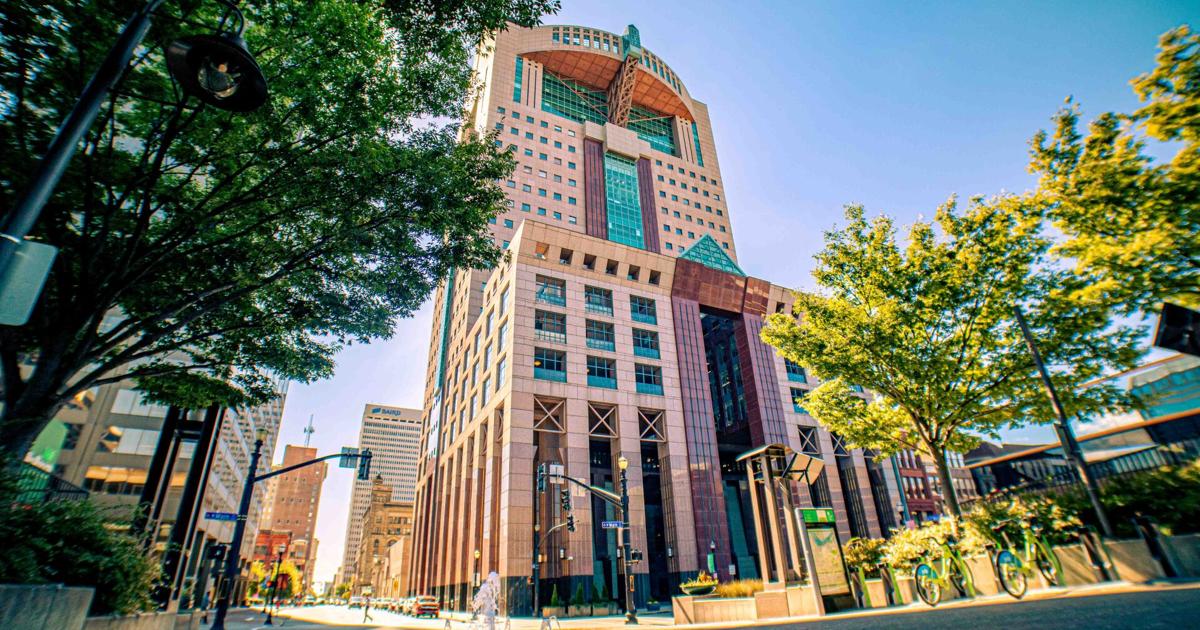
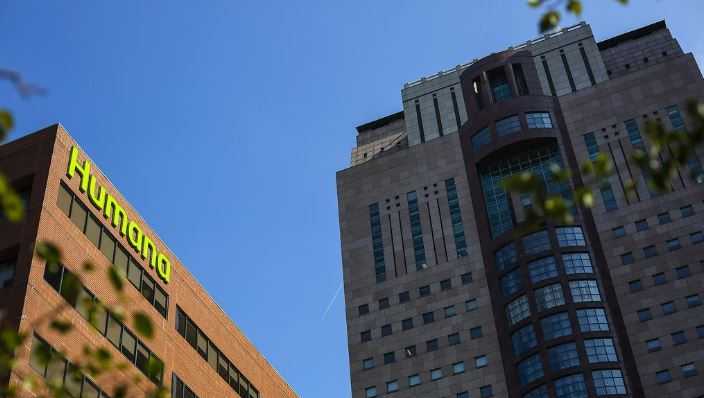
Humana, the only Fortune 500 company headquartered in Kentucky, is planning to vacate its iconic 27-story headquarters building in downtown Louisville as part of a cost-cutting move, leaving a significant amount of office space empty. The company, which no longer needs the building due to its embrace of hybrid and remote work, will consolidate its Louisville headquarters into its Waterside-Clocktower campus on the east side of downtown, citing significant cost savings and the modern facilities at the new location. The move raises fresh doubts about the company's long-term commitment to the city, and the future use of the iconic tower remains uncertain.
After nearly four decades, Humana is vacating its downtown Louisville headquarters at 500 Main Street and consolidating into the Waterside and Clocktower Buildings due to employees embracing hybrid work. The complete exit from the current headquarters will occur over the next 18 to 24 months, and the company is working with city agencies to identify potential future occupants for the property.
Humana Tower in downtown Louisville will be vacated over the next 18 to 24 months, with employees being relocated to the renovated Waterside Building and nearby Clocktower Building as the company consolidates its campus footprint. The decision comes as Humana adapts to more flexible work styles and reduced daily office utilization, aiming to improve the on-site experience for its employees. Despite the iconic status of the Tower, the company plans to work with city agencies to identify potential future uses for the property, while remaining a strong anchor for the Downtown Louisville business community.
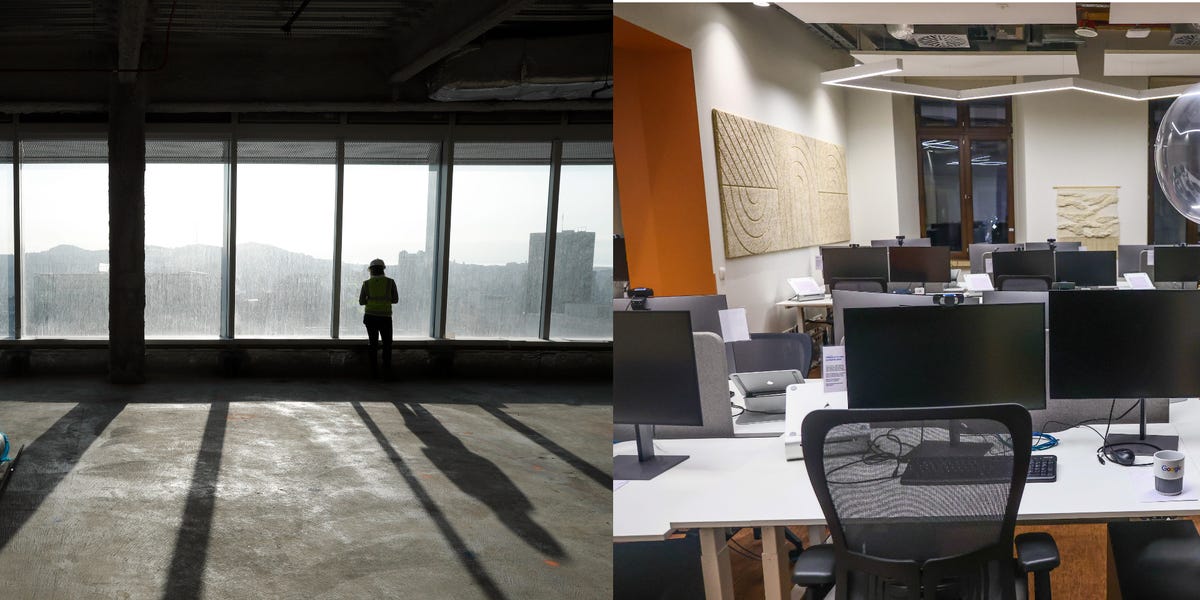
Google's parent company, Alphabet, incurred a $1.2 billion charge in the fourth quarter to exit office space, a detail that went largely unnoticed amidst a busy week. This move is part of the company's effort to optimize its office space globally and resulted in a total of $1.8 billion in related costs in 2023 due to announced staff cuts. Despite the ongoing downsizing of office footprints by corporations, the demand for office space remains below pre-pandemic levels, particularly in the technology and co-working sectors. The news of Alphabet's significant charge was overshadowed by other corporate earnings and market developments.
Google's parent company, Alphabet, reported a $1.2 billion charge in the fourth quarter to exit office space as part of a global effort to optimize its office footprint, resulting in a total of $1.8 billion in related costs due to staff cuts. Despite the impact of the pandemic, momentum is building for companies to bring more staff back to their offices, but office-space demand remains roughly 30% below pre-pandemic levels. The charge, largely unnoticed in the news, reflects the broader trend of corporations downsizing office footprints. Despite this, the market for commercial-mortgage-backed securities continued to rally, and U.S. stocks also saw gains.