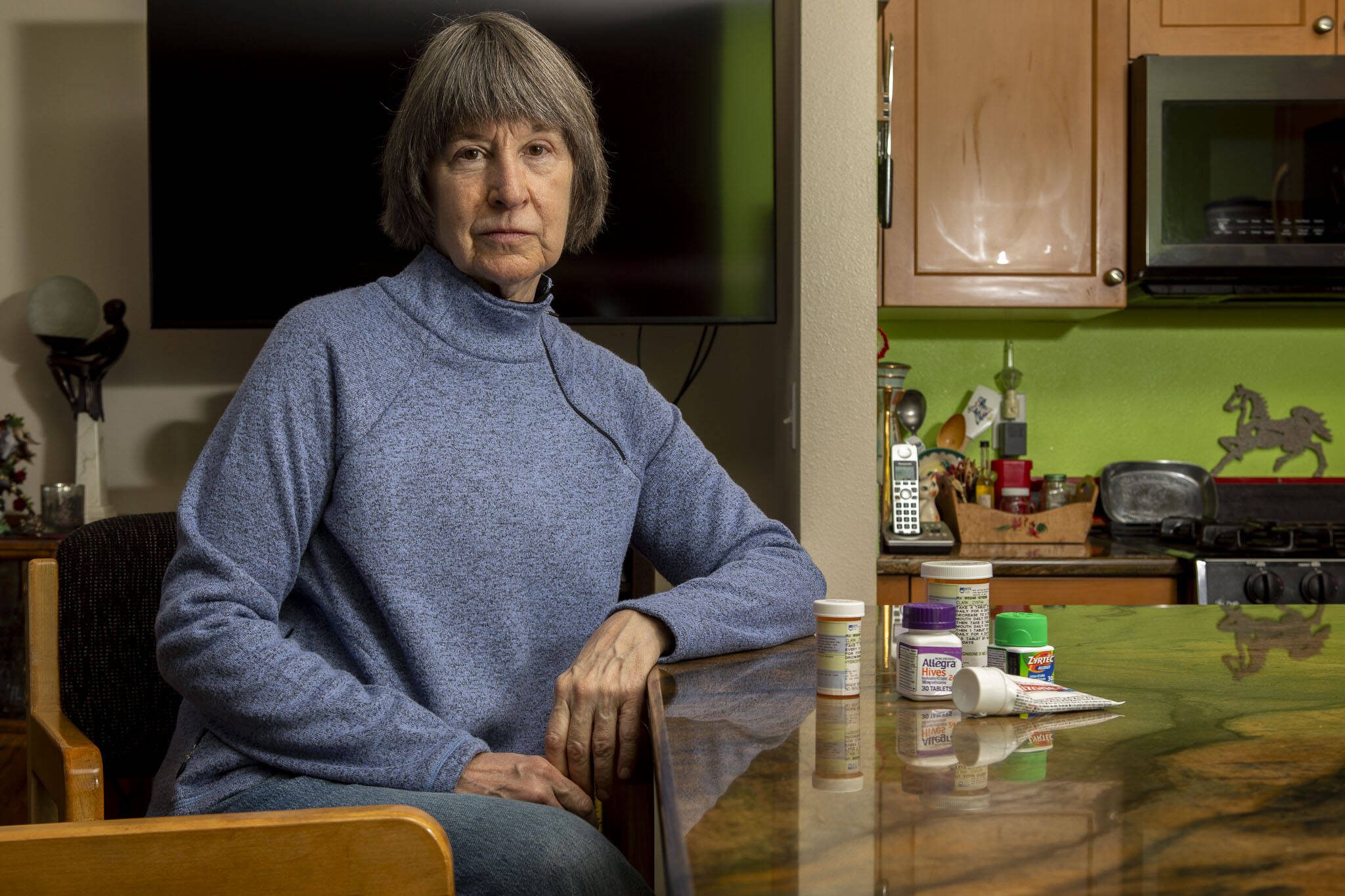
Long-COVID patients like Amy McGrath and Cindy Clark are facing serious, long-term health issues such as heart failure and hives, with symptoms persisting for months after their initial COVID infection. Many patients feel unheard and unseen by the medical community, leading them to seek support and information online. The understanding of Long COVID is still limited, and patients often face challenges in getting comprehensive care from specialists. However, efforts are being made to improve Long COVID care, with the establishment of post-COVID recovery clinics and ongoing research initiatives.
A new study published in The Lancet compares post-COVID manifestations caused by the SARS-CoV-2 wild-type, Alpha, and Delta variants among unvaccinated and vaccinated populations. The study included almost 10,000 people with long COVID, and neither a lower prevalence nor duration of post-COVID symptoms was observed between vaccinated and unvaccinated individuals. The study findings can be generalized, as this study was conducted in a large sample covering a wide spectrum of post-COVID symptoms.
Patients over 40, those with previous health issues, and those who had a severe coronavirus infection are at greater risk of developing long Covid, according to a new analysis of research conducted during the first two years of the pandemic. The analysis, which involved a total of 860,783 patients, found that people who received two doses of a Covid vaccine before becoming infected were 43 percent less likely to develop long Covid. Women were one and a half times as likely as men to develop long Covid, and people who were obese or smokers were also at increased risk. The sicker people were during their initial infection, the more likely they were to experience lingering health problems.