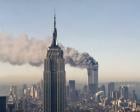
The article provides a visual and narrative overview of the 21st century, highlighting key events such as 9/11, the Iraq war, climate change, the COVID-19 pandemic, and political shifts, alongside significant cultural moments and technological innovations, illustrating a century marked by turbulence, resilience, and hope.
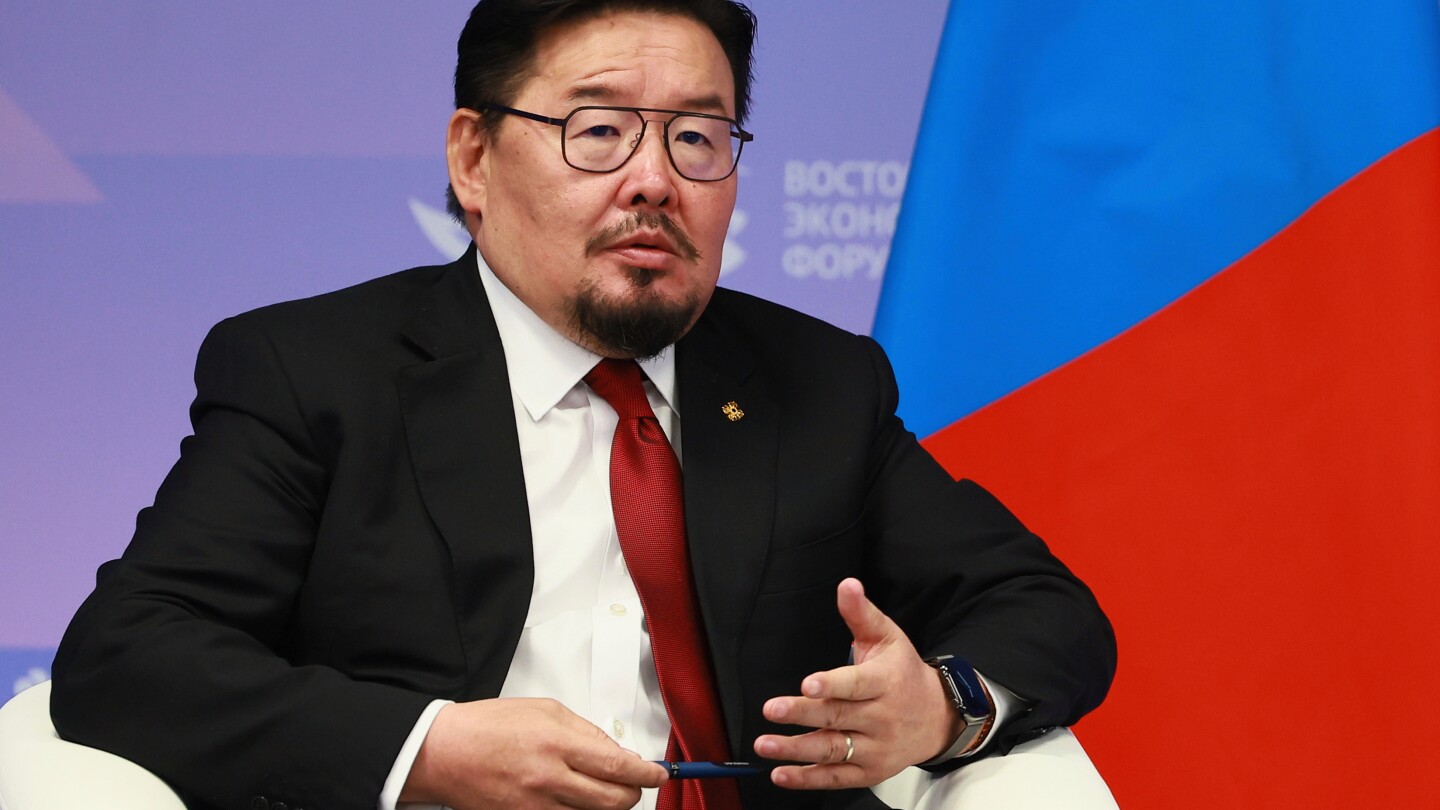
Mongolia's parliament has ousted Prime Minister Zandanshatar Gombojav amid internal party conflicts and political turmoil, including accusations of corruption and disputes over leadership, just months after he took office, with ongoing issues related to the national budget and public sector strikes.
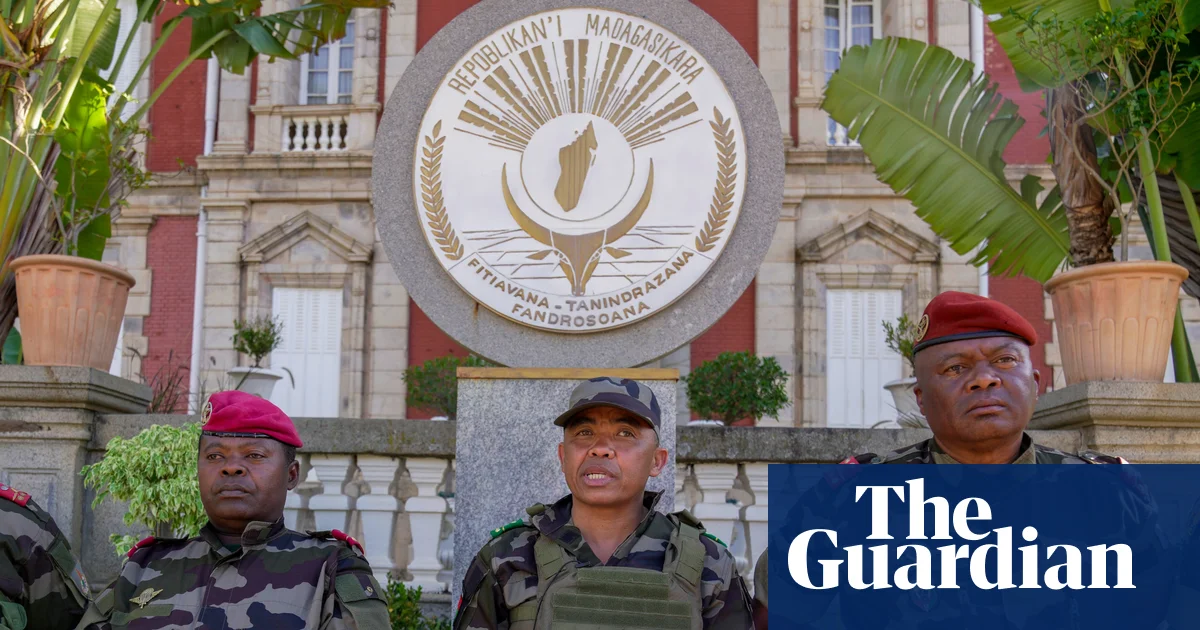
Madagascar's military has taken control, ousting President Rajoelina, and the military leader is set to be sworn in as president, prompting the African Union to suspend the country and international concern over the unconstitutional change of power.
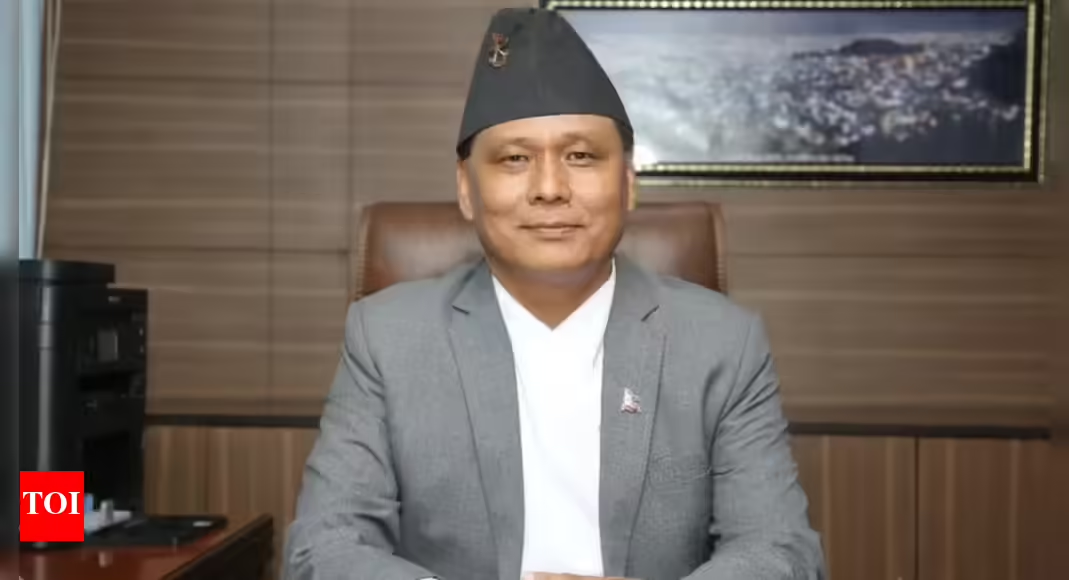
Nepal is experiencing political turmoil following protests led by Gen Z youth, which resulted in Prime Minister Oli's resignation. Kulman Ghising, known for ending Nepal's power crisis, is emerging as a leading candidate to lead an interim government during this transitional period, with the country seeking stability and reforms.
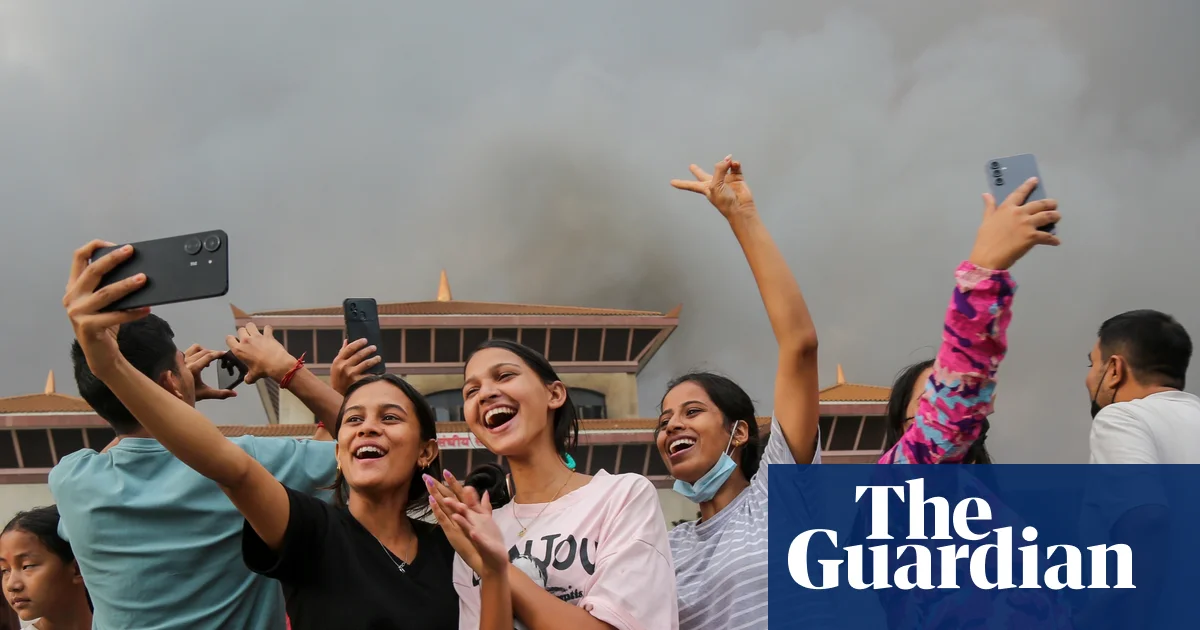
Nepal's young protesters, mainly from Generation Z, led mass demonstrations against government corruption and social media restrictions, resulting in violent clashes, injuries, and the resignation of Prime Minister KP Sharma Oli, signaling a significant political upheaval driven by youth activism.
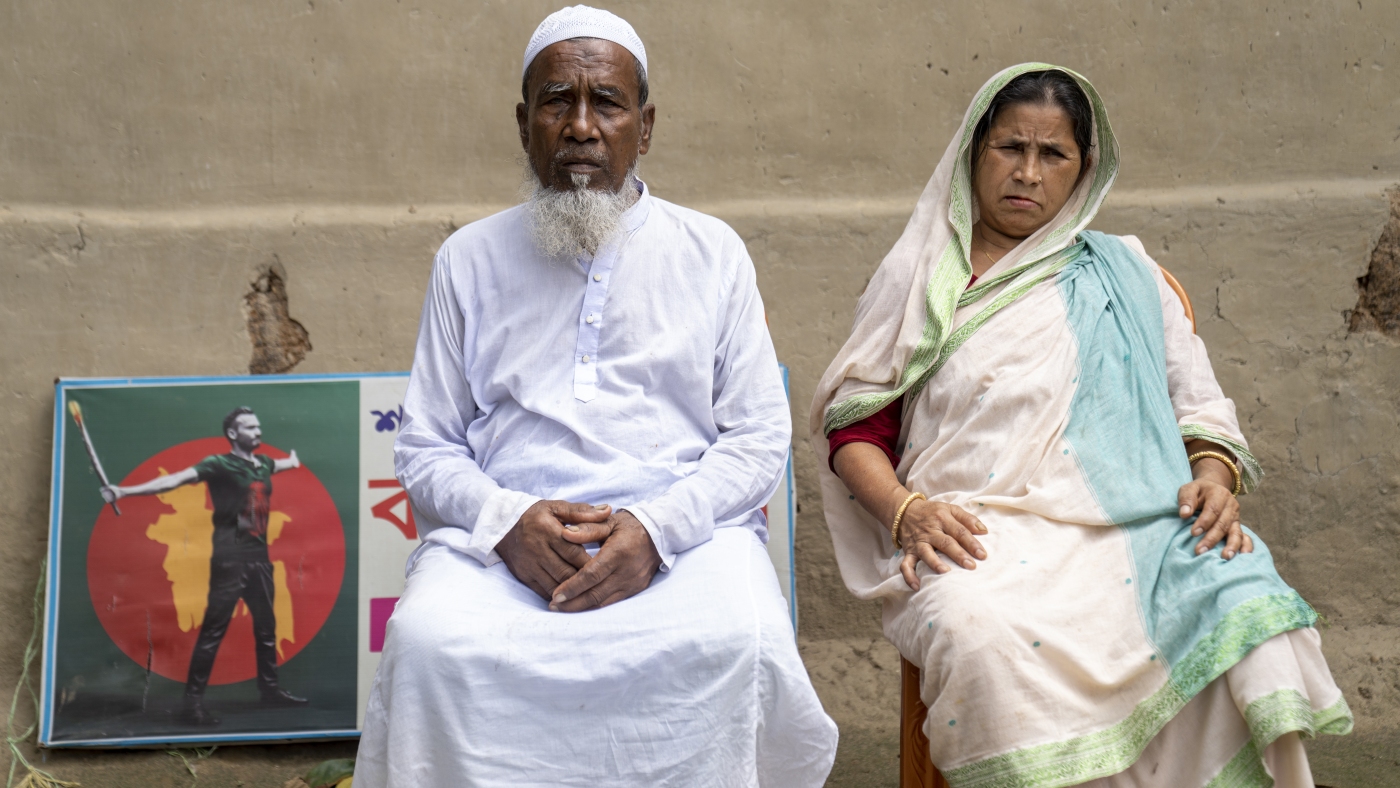
The article details the tragic death of Abu Sayed, a student shot by police during Bangladesh's 2024 protests, which led to nationwide unrest and political upheaval. Despite efforts to seek justice, families and critics express frustration over ongoing violence, government inaction, and unfulfilled promises, highlighting the complex and turbulent political landscape in Bangladesh.
As the 2024 Paris Summer Olympics approach, the city faces significant challenges including political upheaval, budget overruns, and environmental concerns, notably a controversial plan for athletes to compete in the polluted Seine River. Protests and potential strikes loom, while organizers hope the event will ultimately shift public opinion positively once the Games begin.
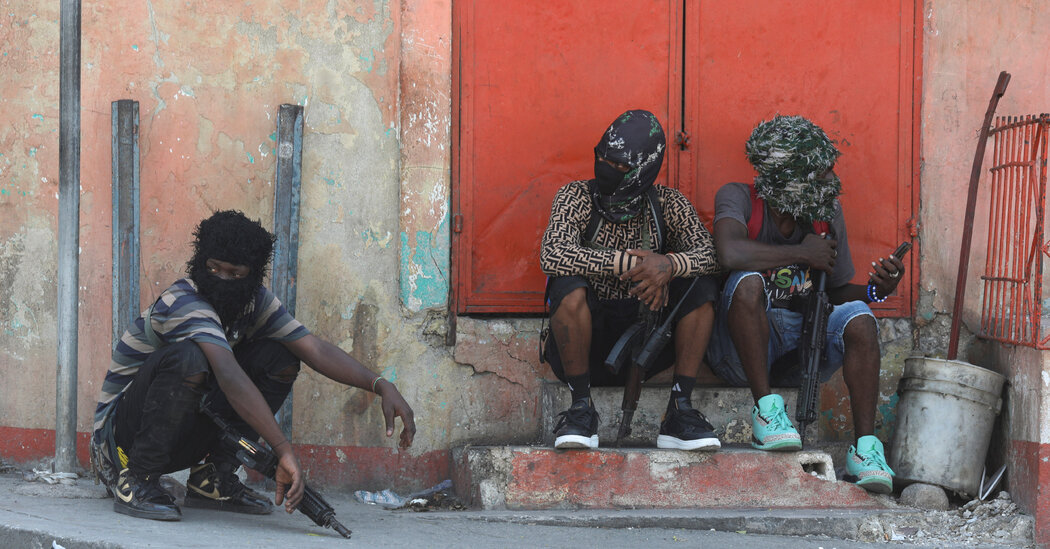
In a sudden shift of power in Haiti, Prime Minister Ariel Henry agreed to step down amidst political upheaval, as neighboring countries work to establish a transitional council and plan for elections. The catalyst for this change was the unity of the country's gangs, which forced the leader to relinquish power. The gangs, now working together, are attempting to leverage their control of the capital to become a legitimate political force in the ongoing negotiations facilitated by foreign governments.
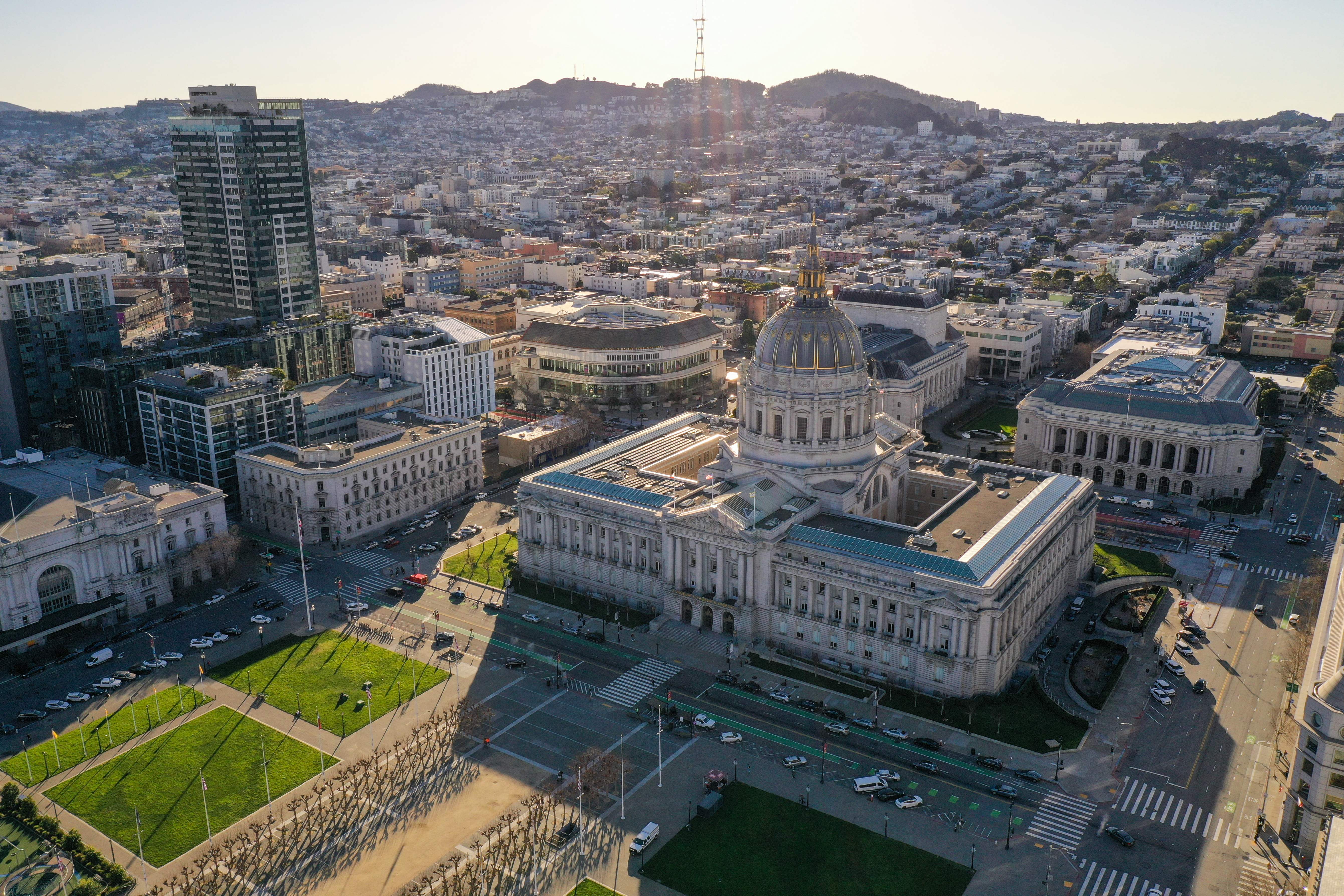
Centrist groups backed by tech money are mobilizing to shift the balance of power in San Francisco, aiming to push progressives out of the city's governing board and local Democratic party. Fueled by voter frustration over drugs and homelessness, these groups are planning to spend millions of dollars to reorient the city's political center of gravity, while their critics see it as a hostile takeover by business interests and conservatives. The struggle for the soul of the city has become a national political Rorschach test, with the upcoming 2024 local election being deemed the most important in 50 years.
French President Emmanuel Macron announced that France will end its military presence in Niger by the end of 2023 due to tensions with the military junta that seized control of the country in July. Macron stated that the decision was made because the de facto authorities in Niger no longer want to fight terrorism. France has not recognized the military leaders and insists that the ousted president remains the legitimate authority. The withdrawal will be organized in the coming weeks, and Macron also announced the return of the country's ambassador to France. The United States is also considering withdrawing troops from Niger.
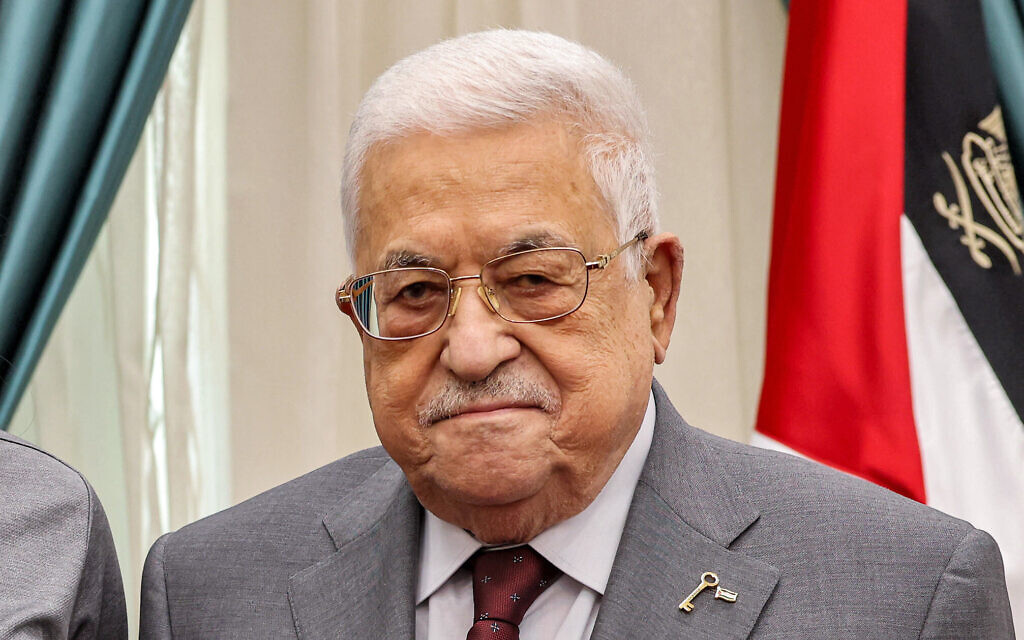
Palestinian Authority President Mahmoud Abbas has unexpectedly removed 12 regional governors, including those in the West Bank and Gaza Strip, without providing a reason. The positions are largely symbolic, as the Fatah-controlled PA lost control of the Gaza Strip to Hamas in 2007. Abbas has ordered the creation of a committee to find replacements. This move comes amid warnings of the PA's financial collapse and its diminishing control over security in certain areas.
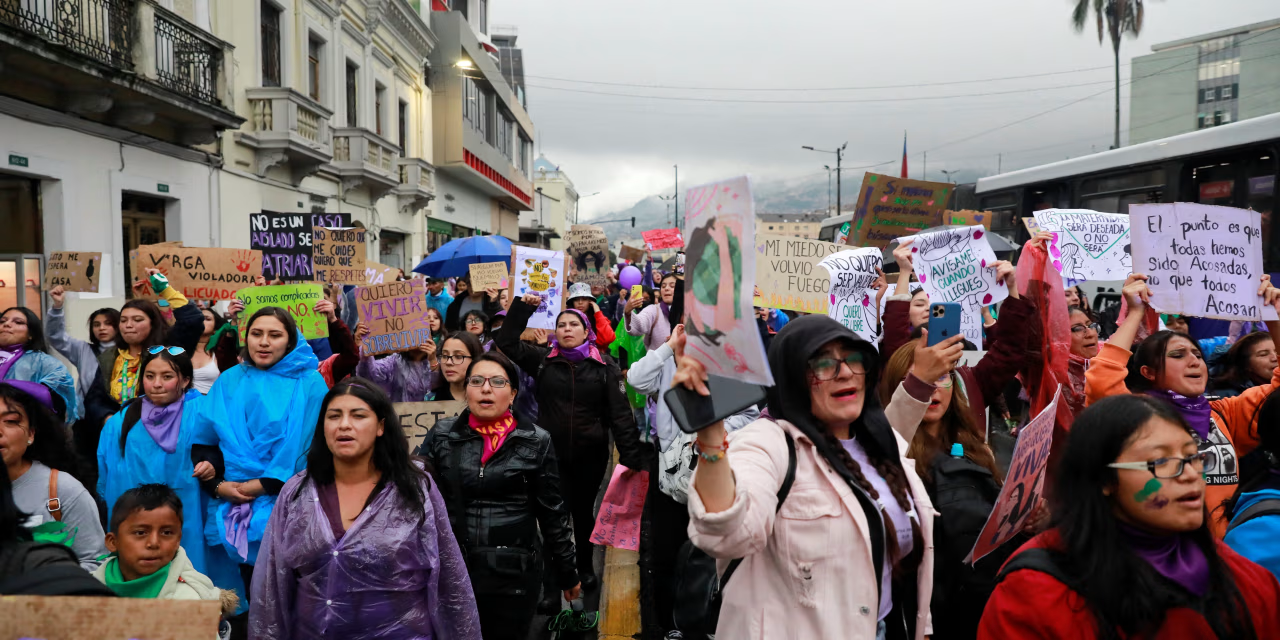
Political instability and rising violent crime in Andean countries such as Ecuador, Bolivia, Peru, and Colombia are threatening their fragile governments and prompting hundreds of thousands of people to flee north to the United States. Ecuador's President faces an impeachment vote, Bolivia's government is hobbled by tumbling natural-gas exports, Peru's economy has contracted sharply since President Pedro Castillo was removed from office, and Colombian drug gangs run rampant in some rural regions.