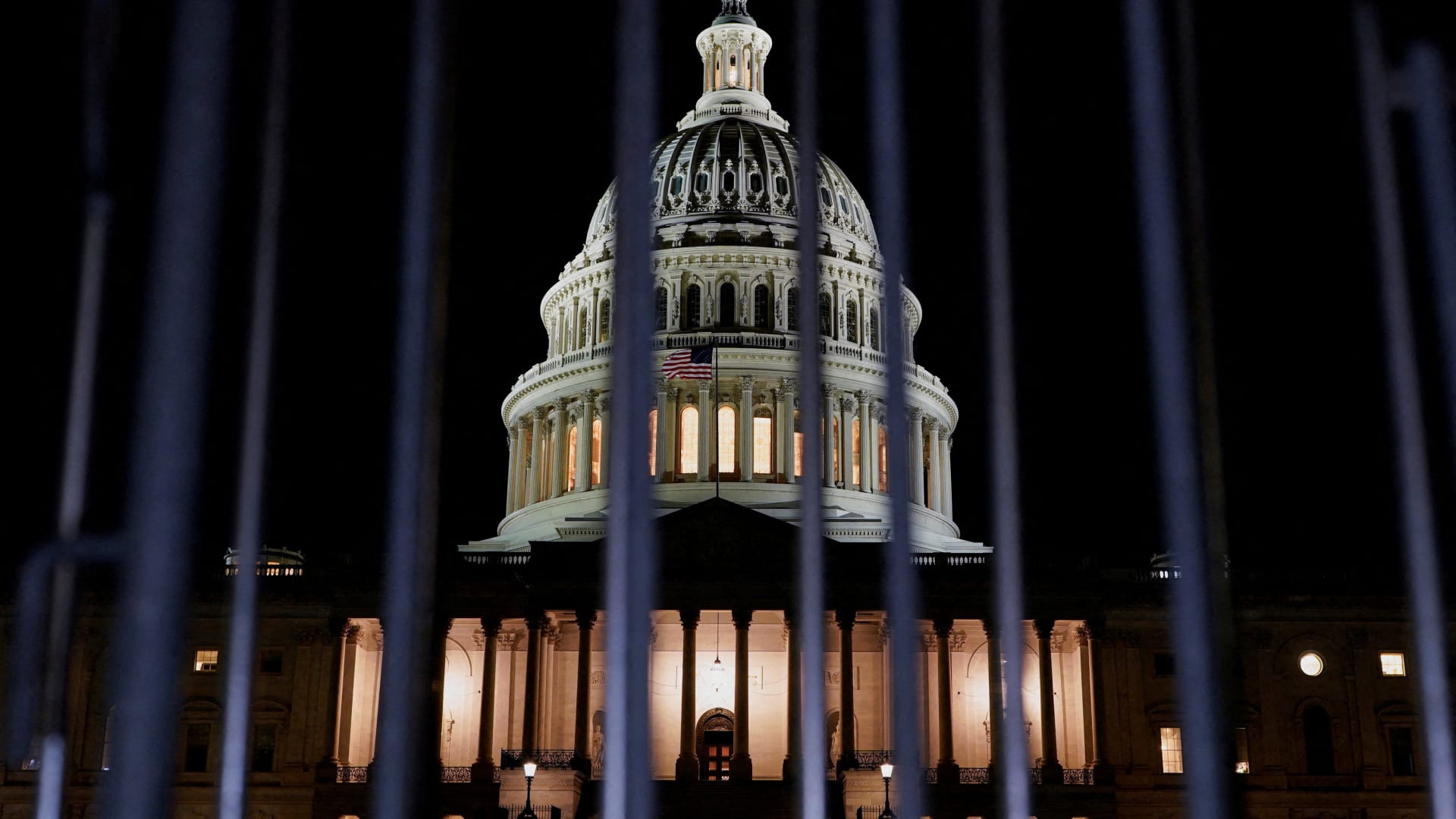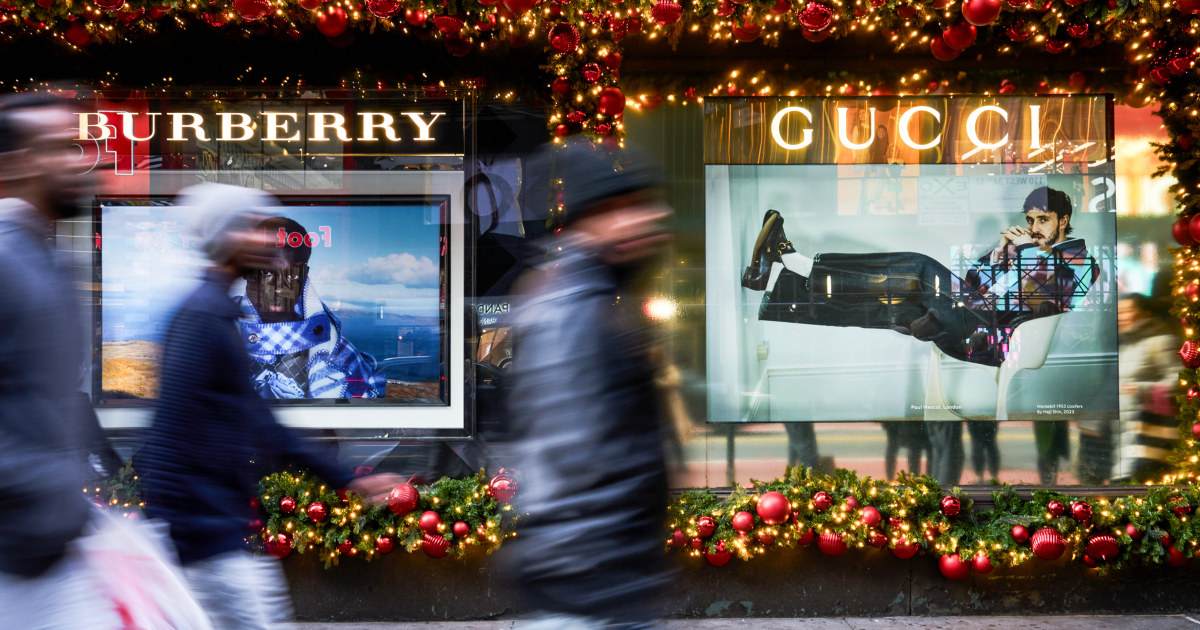
The political divide in Washington poses potential risks to the markets in the upcoming year, with concerns about how political tensions could influence economic stability and investment strategies.
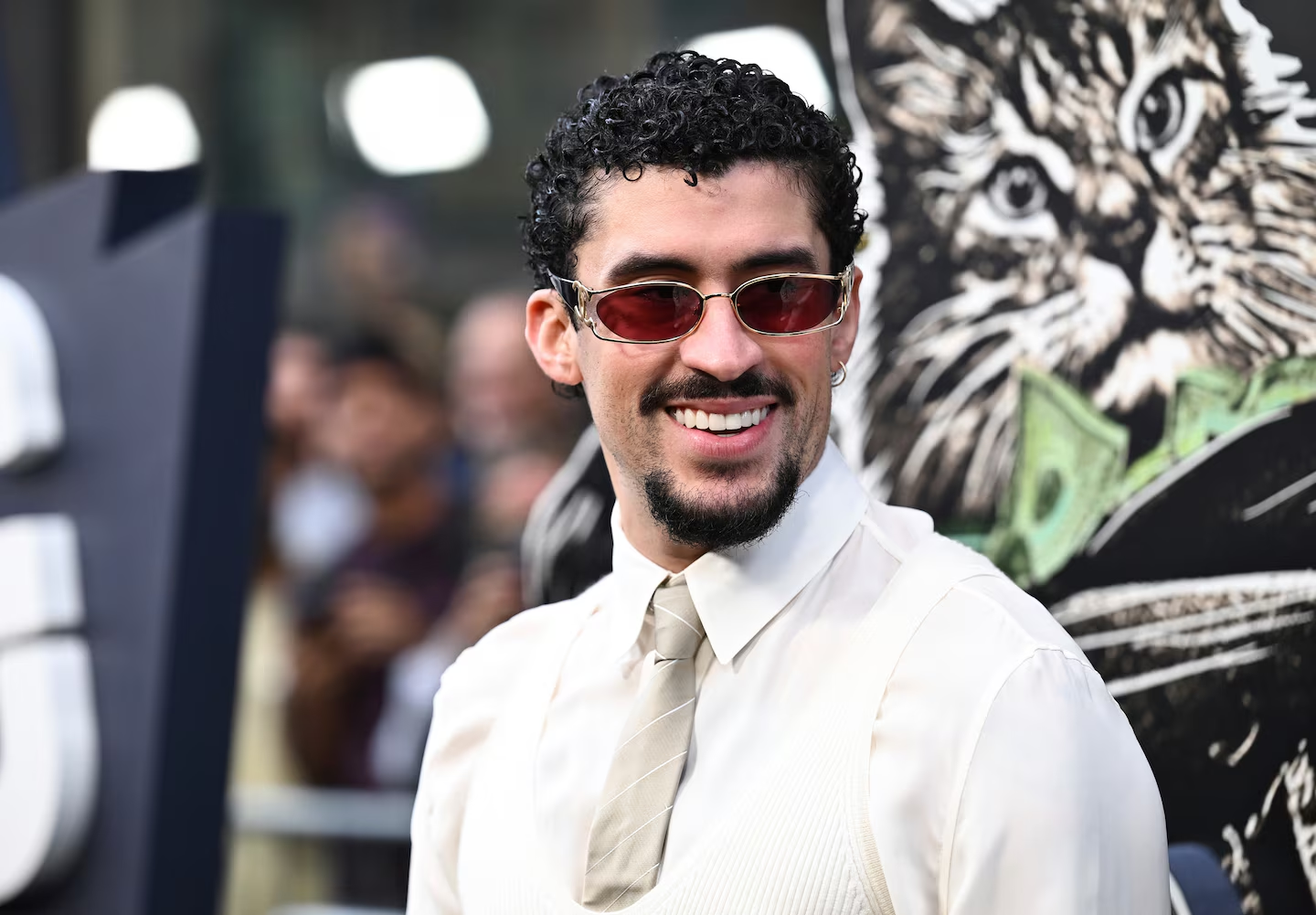
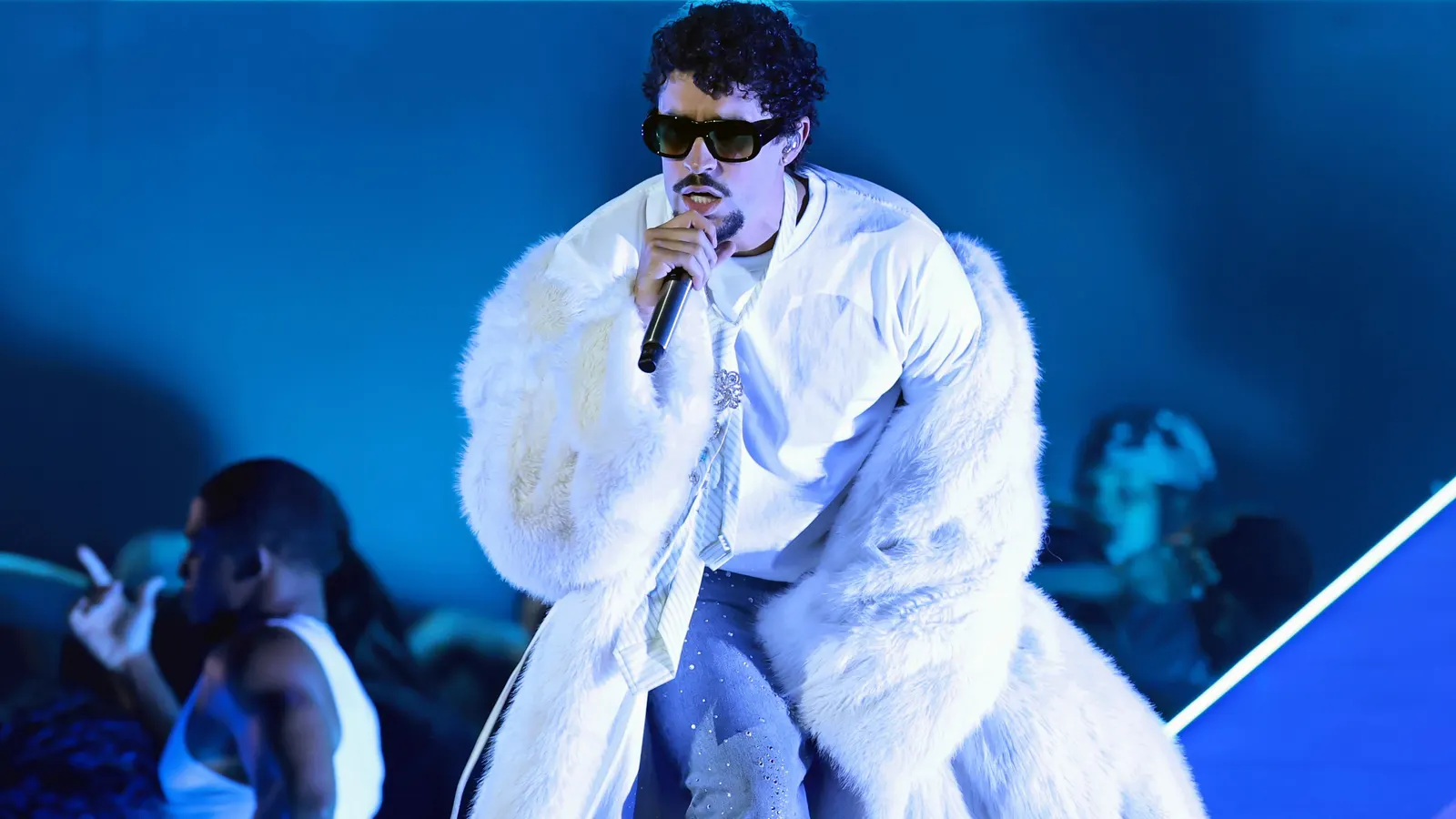
Americans are divided along political lines over the NFL's decision to have Bad Bunny headline the 2026 Super Bowl halftime show, with Democrats largely supporting and Republicans opposing the choice, reflecting broader cultural and political tensions.
A Quinnipiac University poll reveals a stark political divide over Bad Bunny's selection as Super Bowl LX halftime performer, with strong Democratic support and Republican disapproval, reflecting broader cultural and political tensions surrounding the artist's performance.
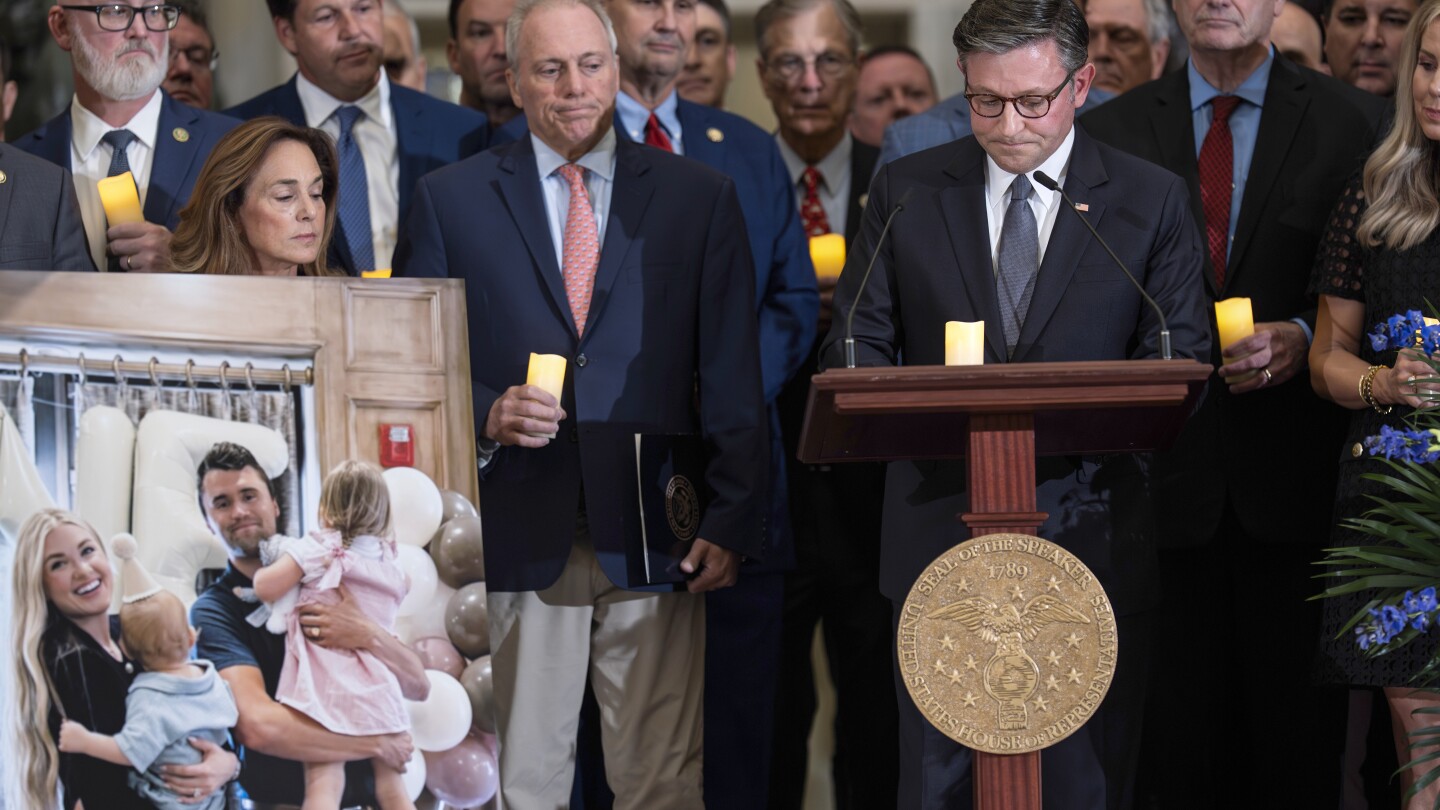
The U.S. House overwhelmingly passed a resolution honoring conservative activist Charlie Kirk, with notable opposition from Democrats who criticized the resolution's tone and political implications amid ongoing tensions following Kirk's assassination, highlighting deep partisan divides.
Many voters in Northern California oppose Governor Newsom's redistricting plan, fearing it dilutes rural and conservative voices by splitting their districts and aligning them with more urban, Democratic-leaning areas, reflecting ongoing tensions between rural and urban interests in the state.
The article discusses the declining US support for Israel amid the Gaza conflict, highlighting bipartisan criticism, shifting public opinion, and the impact of recent events on American political attitudes, especially among younger generations and independents.
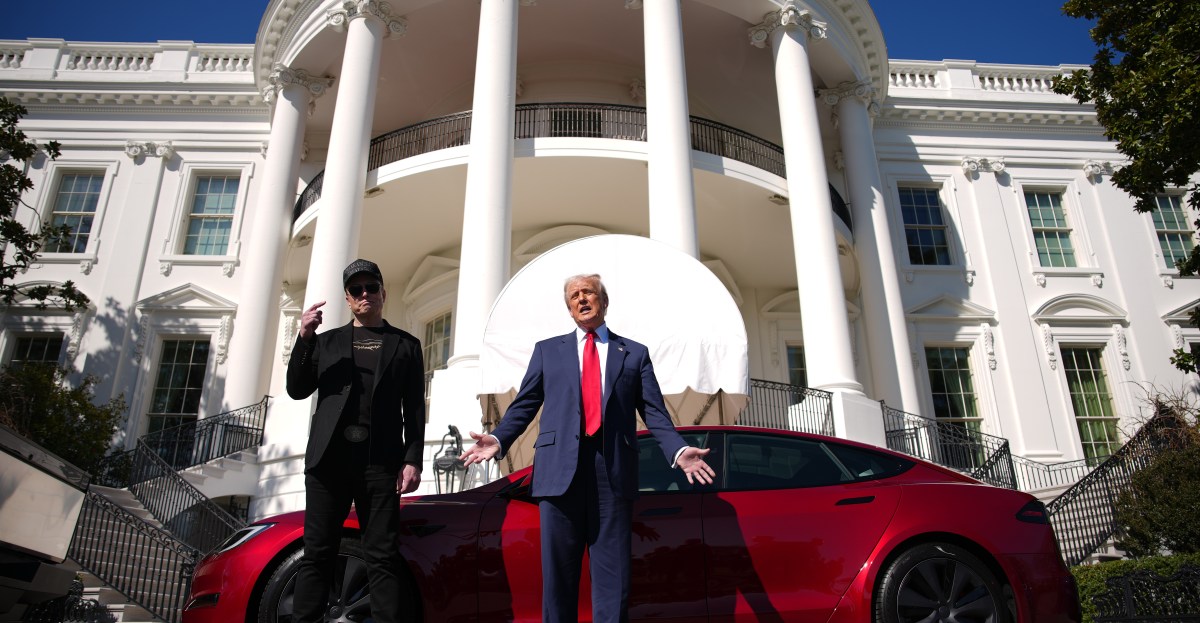
Elon Musk and Donald Trump have diverging views on climate change and clean energy, leading to tensions despite past collaborations. Musk's opposition to recent Republican-led budget bills that cut EV tax credits and increased deficits highlights ongoing political and ideological divides over clean technology. Public opinion also shows a partisan split on EV adoption and policies to end gasoline car sales, reflecting broader political disagreements on climate solutions. Despite setbacks, the momentum for renewable energy and electric vehicles continues to grow.
Despite Donald Trump's historic conviction on 34 counts of falsifying business records, many of his supporters remain steadfast, viewing the charges as politically motivated. While some Republicans and independents express mixed feelings or shift their support, Biden voters largely see the verdict as long-overdue accountability. The sharp divide in voter reactions underscores the polarized political landscape as the 2024 election approaches.
The Greater Idaho Movement, led by Executive Director Matt McCaw, seeks to shift Oregon's border 200 miles west to join Idaho, reflecting the conservative values of Eastern Oregonians. This grassroots effort aims to address the cultural and political divide between the more liberal, urban western Oregon and the conservative, rural eastern Oregon, exacerbated by differing responses to issues like the COVID-19 pandemic. The movement has gained traction, winning support in 13 eastern Oregon counties.
More Americans, including Republicans, are acknowledging the reality of climate change, with growing concern and support for renewable energy. However, there are still significant divisions on the causes and necessary actions. National surveys by Yale University show increasing awareness and support for climate policies, even in conservative states, but discrepancies persist. Research suggests that climate change is an important issue for voters, with potential electoral impact, as evidenced by the 2020 election. The role of these findings in the upcoming presidential election remains uncertain.
American consumer sentiment about the economy is at its highest level since July 2021, with Democrats and Republicans expressing their most favorable readings since the summer of 2021. The University of Michigan survey and the New York Federal Reserve's survey both show an upward trend in sentiment, driven by the ongoing strength in the labor market and easing concerns about inflation. However, views on the economy remain deeply polarized based on political party, and elements of the economy, such as inflation and labor force participation, remain fundamentally changed compared to the pre-pandemic period.
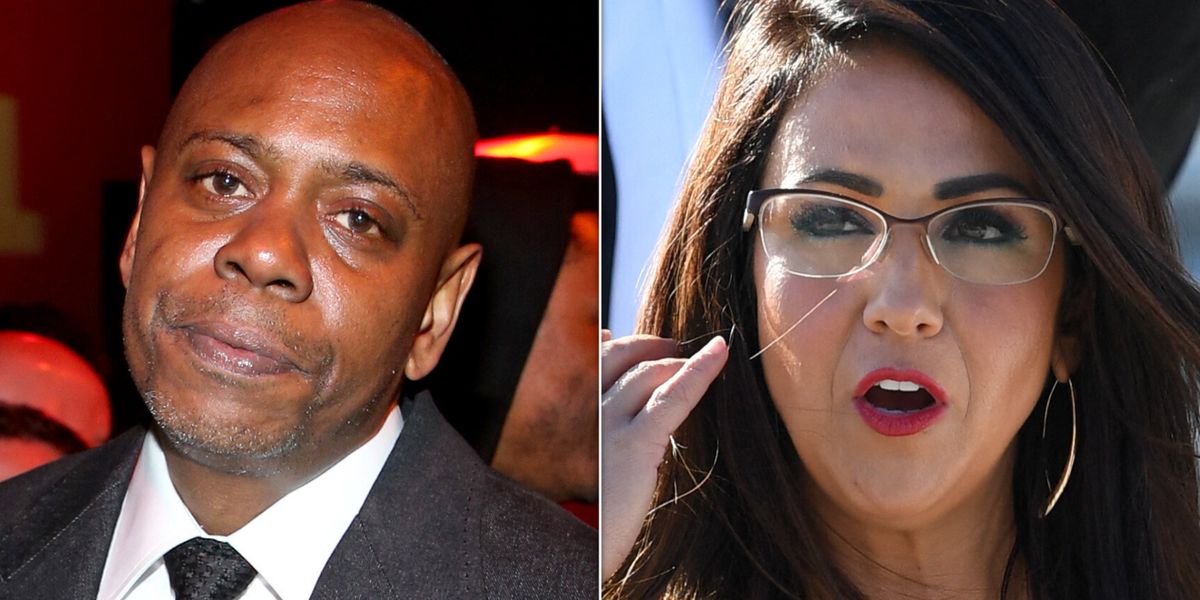
Comedian Dave Chappelle took a selfie with Rep. Lauren Boebert, but she turned it into an anti-trans message on Twitter. Chappelle, who has been accused of using transphobic material in his shows, was reportedly not pleased to be associated with Boebert's message. He granted the photo request for a human moment to bridge the political divide but felt "blindsided" by her. Boebert's spokesperson defended her stance, stating that there are only two genders.
Comedian Dave Chappelle took a selfie with Rep. Lauren Boebert and Rep. Anna Paulina Luna, but Boebert turned it into an anti-trans tweet, claiming there are only two genders. Chappelle, who has been accused of using transphobic material in his shows, expressed displeasure at being associated with Boebert's message during his standup act, stating that he felt "blindsided" by her. Boebert's spokesperson defended her tweet, while Chappelle joked about the incident during his performance.
Nicaragua's government initially celebrated the victory of Miss Nicaragua Sheynnis Palacios in the Miss Universe competition, but their joy turned to anger when it was revealed that Palacios had participated in protests against the regime in 2018. Ordinary Nicaraguans, who are largely forbidden from protesting, took the opportunity to celebrate in the streets using the national flag, which angered the government. Palacios' win was seen as a victory for the opposition and brought hope for a better future. The government, however, condemned the celebration and accused social media sites of coup-mongering. Nicaragua has faced repression and mass protests since 2018, with thousands fleeing into exile. The government has closed universities, outlawed organizations, and arrested opponents. Palacios, who wants to promote mental health and gender equality, has not commented on the situation.
Nicaragua's government initially celebrated the victory of Miss Nicaragua Sheynnis Palacios in the Miss Universe competition, but their joy turned to anger when it was revealed that Palacios had participated in protests against the regime in 2018. Ordinary Nicaraguans, who are largely forbidden from protesting, took the opportunity to celebrate in the streets using the national flag, which angered the government. The opposition hailed Palacios' win as a victory, while the government condemned it as an attempt to undermine their regime. Nicaragua has been marked by government repression, with thousands fleeing into exile and the closure of universities and civic groups.