Two patients have died at St. Joseph’s Medical Center in Paterson, New Jersey, after contracting Legionnaires' disease from the hospital's water system, which was found to contain Legionella bacteria. The hospital has taken extensive measures to disinfect the water system and is monitoring the situation, with no additional cases reported. The incident highlights ongoing risks of Legionella in healthcare settings, especially for vulnerable populations.
A second patient at St. Joseph's University Medical Center in Paterson, NJ, who tested positive for Legionella bacteria, has died. The hospital's water system was found to be contaminated with Legionella, prompting an investigation and water treatment. The incident has raised concerns about hospital water safety and Legionnaires' disease risks, especially for patients with underlying health conditions.
Florida health officials confirmed 14 cases of Legionnaire’s disease in Central Florida linked to gym exposure, with investigations ongoing into the source, including water systems at a fitness center that recently underwent extensive renovations.
Two cases of Legionnaires' disease have been confirmed at The Christ Hospital in Cincinnati, prompting water testing and safety measures, though the hospital reports no current risk to patients or staff.
Two cases of Legionnaires' disease have been reported at The Christ Hospital in Cincinnati, prompting water testing and safety measures, though the hospital states the risk remains low and water is currently deemed safe.
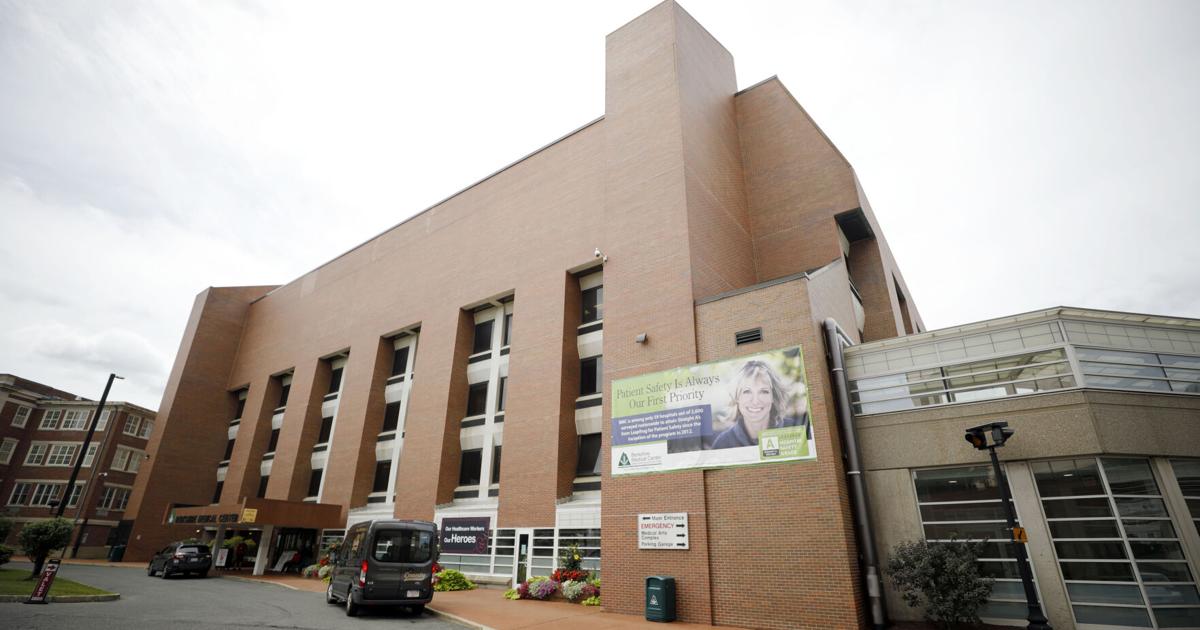
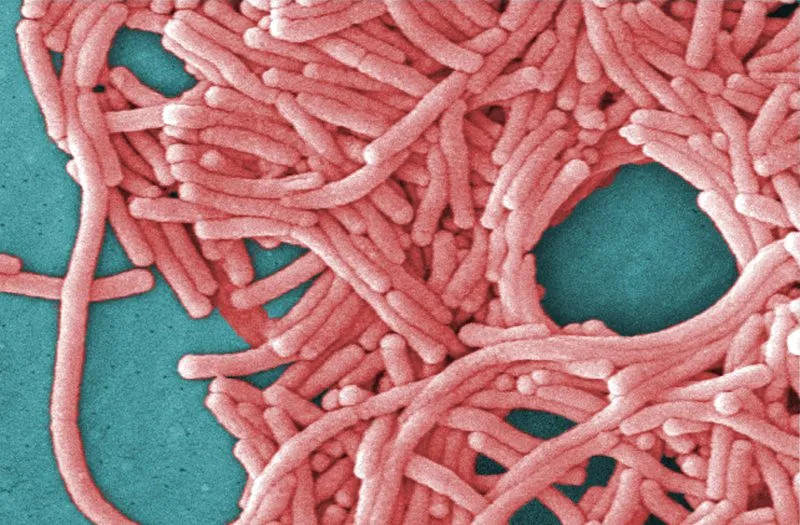
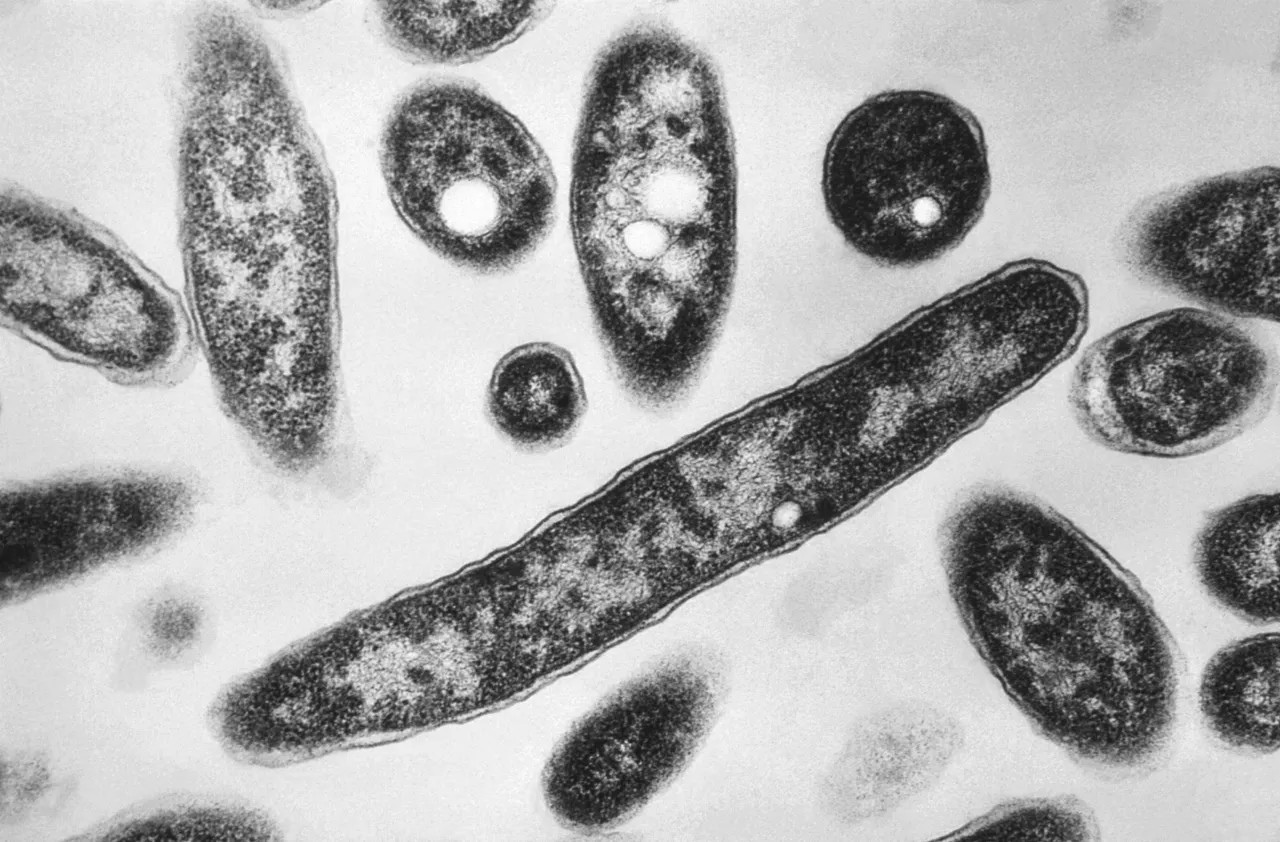
Seven patients at Berkshire Medical Center tested positive for Legionella bacteria, with one death possibly linked to the infection. The hospital has increased water safety measures, including chlorination and filtration, and is working with health authorities to eliminate the bacteria from its water system. Legionella, which causes Legionnaires' disease, spreads through aerosolized water and is most dangerous to immunocompromised individuals. The hospital's response aims to reduce the bacteria to zero in the water supply, with ongoing testing and cooperation with public health officials.
The number of Legionnaires' disease cases in Marshall County, Iowa, has risen to 52, with one death reported, as health officials investigate a growing outbreak caused by bacteria spread through aerosolized water sources. The disease primarily affects vulnerable populations and is not contagious.
The Iowa Department of Health and Human Services is investigating 21 cases of Legionnaires' disease, including one death, in Marshalltown, with health officials urging water system management and prompt medical care for at-risk populations. The disease, caused by Legionella bacteria, is not contagious but can be severe for older adults, smokers, and those with chronic lung conditions, and is treatable with antibiotics if diagnosed early.
An outbreak of Legionnaires' disease in Marshalltown, Iowa, has resulted in 18 confirmed cases and one death among older adults with underlying health conditions, prompting an investigation by health authorities.
A Legionnaires' disease outbreak in Harlem, NYC, linked to a city hospital and a construction site, has infected 114 people and caused 7 deaths. The outbreak was traced to cooling towers at both sites, which have now been remediated. The incident highlights issues with declining inspection rates and inadequate testing, prompting calls for stricter regulations and independent investigations. The health department plans to increase fines and testing frequency to prevent future outbreaks.
New York City health officials have identified Harlem Hospital and a nearby construction site as sources of a Legionnaires' disease outbreak that has resulted in seven deaths and over 100 illnesses, with water samples from cooling towers containing Legionella bacteria matching those found in patients.
NYC health officials declared the Harlem Legionnaires' disease outbreak over after no new cases since August 9, with a total of 114 infections and seven deaths, linked to contaminated cooling towers, which have now been remediated.
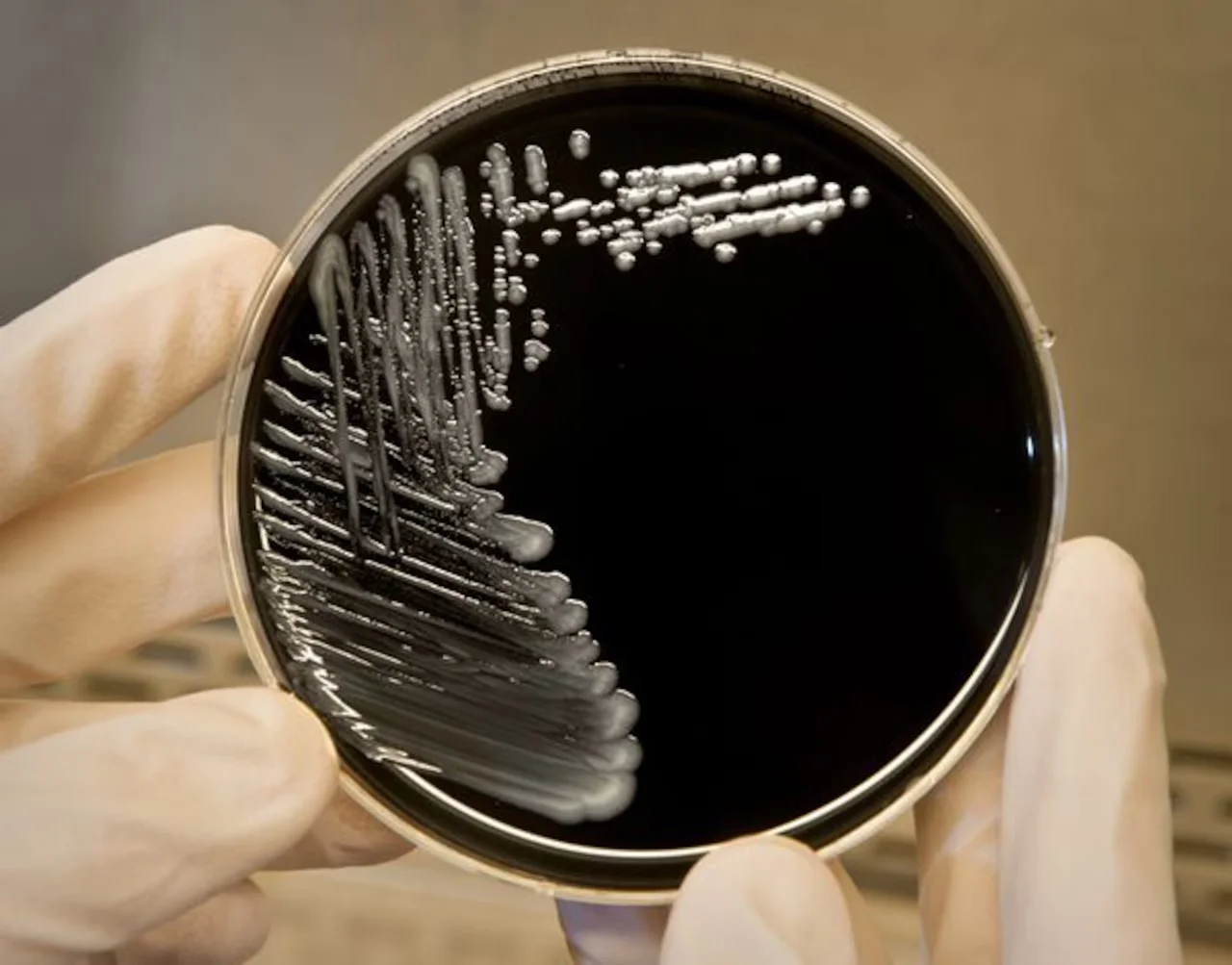
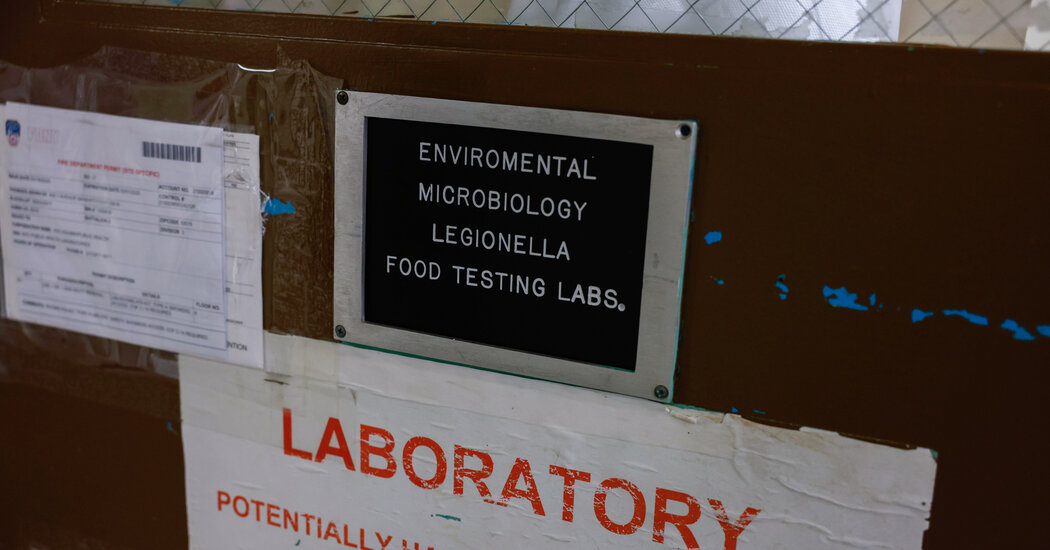
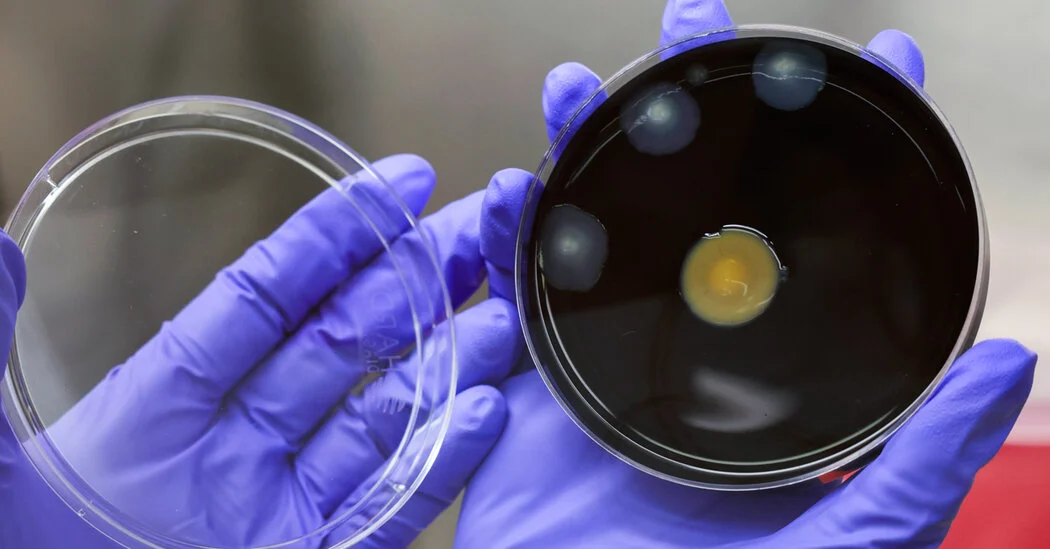
An outbreak of Legionnaires' disease in Harlem has resulted in six deaths and over 100 illnesses, with public health officials racing to identify the contaminated water towers by analyzing bacterial samples through slow, meticulous laboratory processes including culturing and genomic sequencing, which can take weeks. The outbreak is linked to mist from infected water towers, and efforts are ongoing to pinpoint the exact source and prevent further cases.
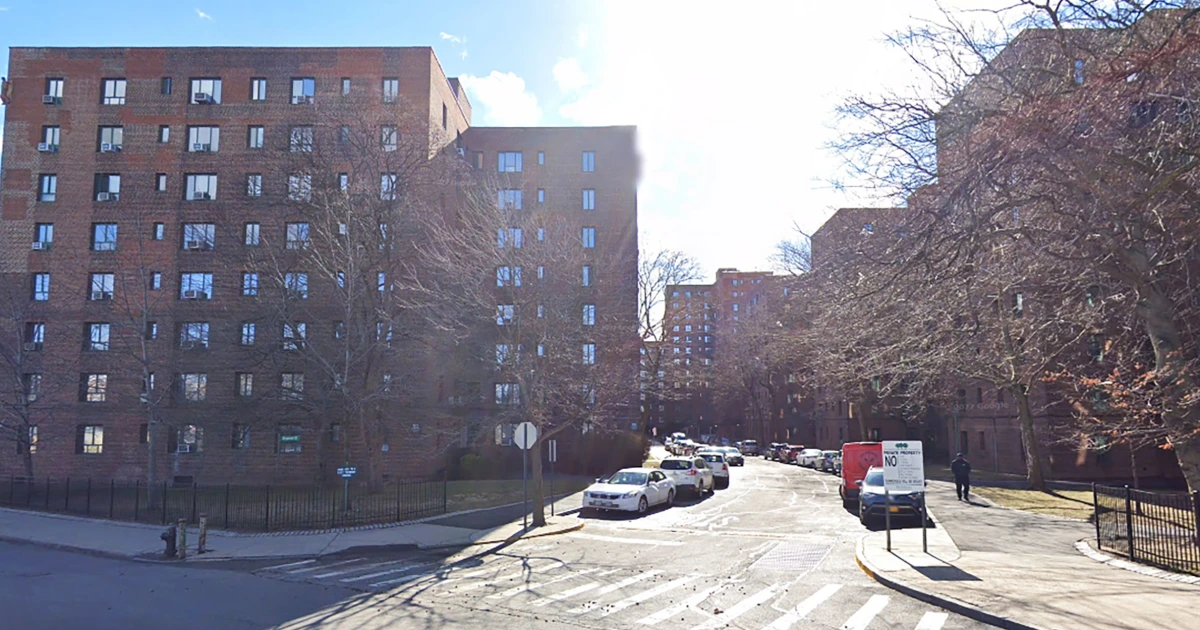
Health officials in NYC are investigating a Bronx apartment complex after two residents tested positive for Legionnaires' disease, linked to bacteria growing in the building's hot water system, amid a broader outbreak affecting Harlem with multiple deaths and illnesses. The city is working on extensive remediation and advising residents on safety measures.
Climate change is increasing the spread of Legionnaire’s disease, especially in cities like New York, where aging infrastructure and warmer temperatures create ideal conditions for the bacteria Legionella to grow and disperse through cooling systems, disproportionately affecting vulnerable and low-income populations.