Researchers have developed a two-component synthetic replacement for blood clots that targets internal injuries without causing any unwanted damage of its own. The synthetic process has only been tested on mice, but it effectively triggered the blood clotting part of the natural hemostasis reaction to wounds and proved significantly better at stopping bleeding than previous approaches. The system would automatically target the site of the problem and provide some help for the body until more comprehensive medical assistance can be given.
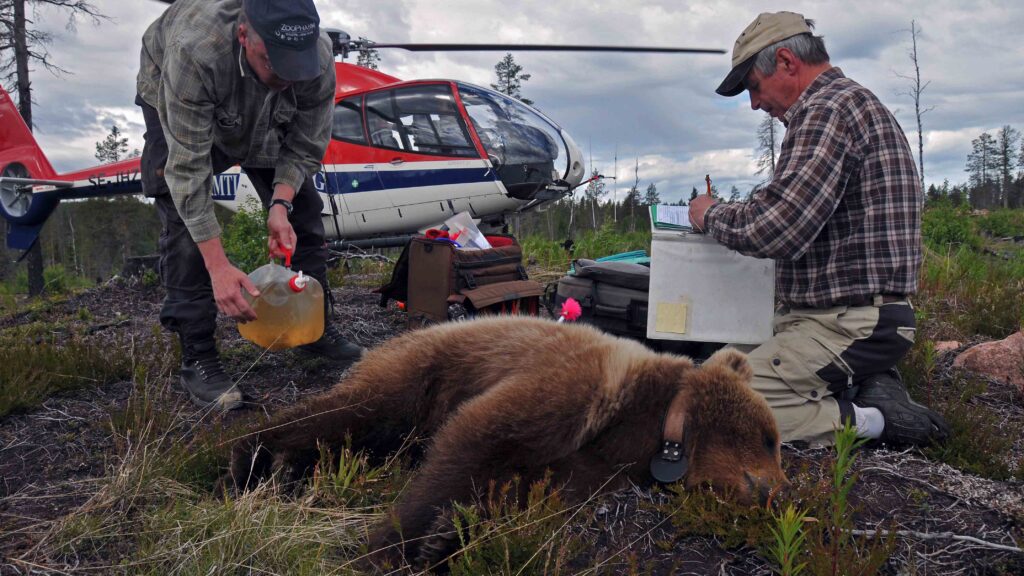
Hibernating bears prevent blood clots in their bodies by keeping a low level of a key protein in their blood, according to a new study. Researchers hope their findings can be applied to developing future medications in humans that can mimic the way nature prevents blood clots in bears. The study found that a key difference in the bears' winter and summer blood samples were levels of a protein called heat shock protein 47 — or HSP47 — in platelets. More research is needed to better understand how the human body specifically regulates HSP47.
Researchers studying hibernating bears have identified a protein, HSP47, that all but vanishes from bears’ blood when they lie down for winter, which appears to serve a similar function in humans. When HSP47 levels decline in humans, so too, some early evidence suggests, does clotting risk. The finding raises hope that researchers can develop drugs that block HSP47, giving doctors a new tool to treat or even prevent clots in immobile patients. However, the research is still in the early stages and needs to be tested in animal studies and clinical trials.