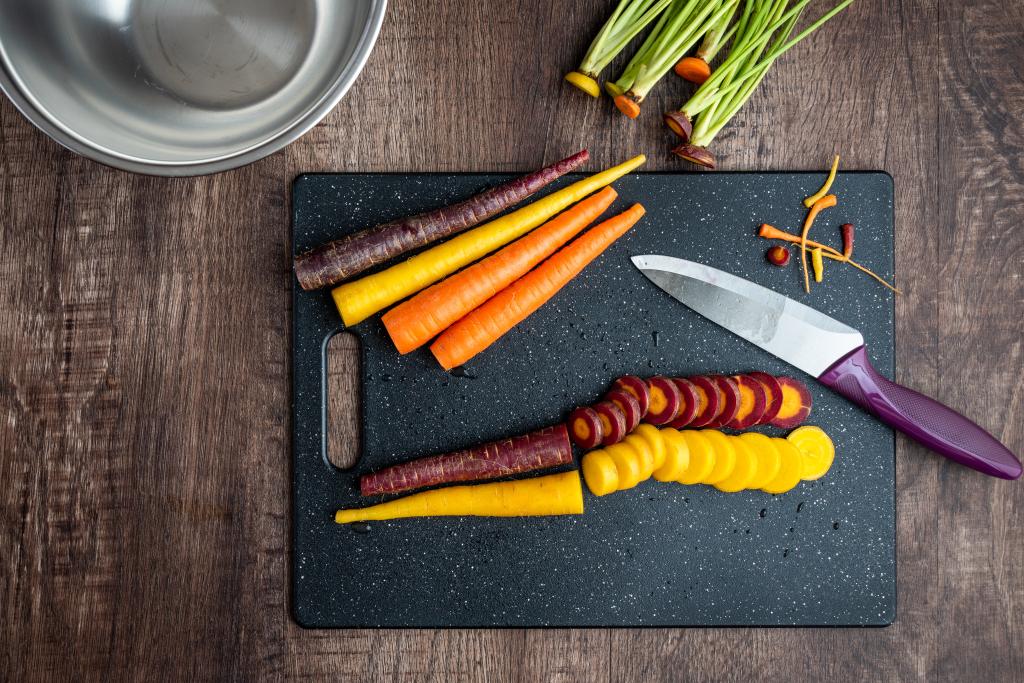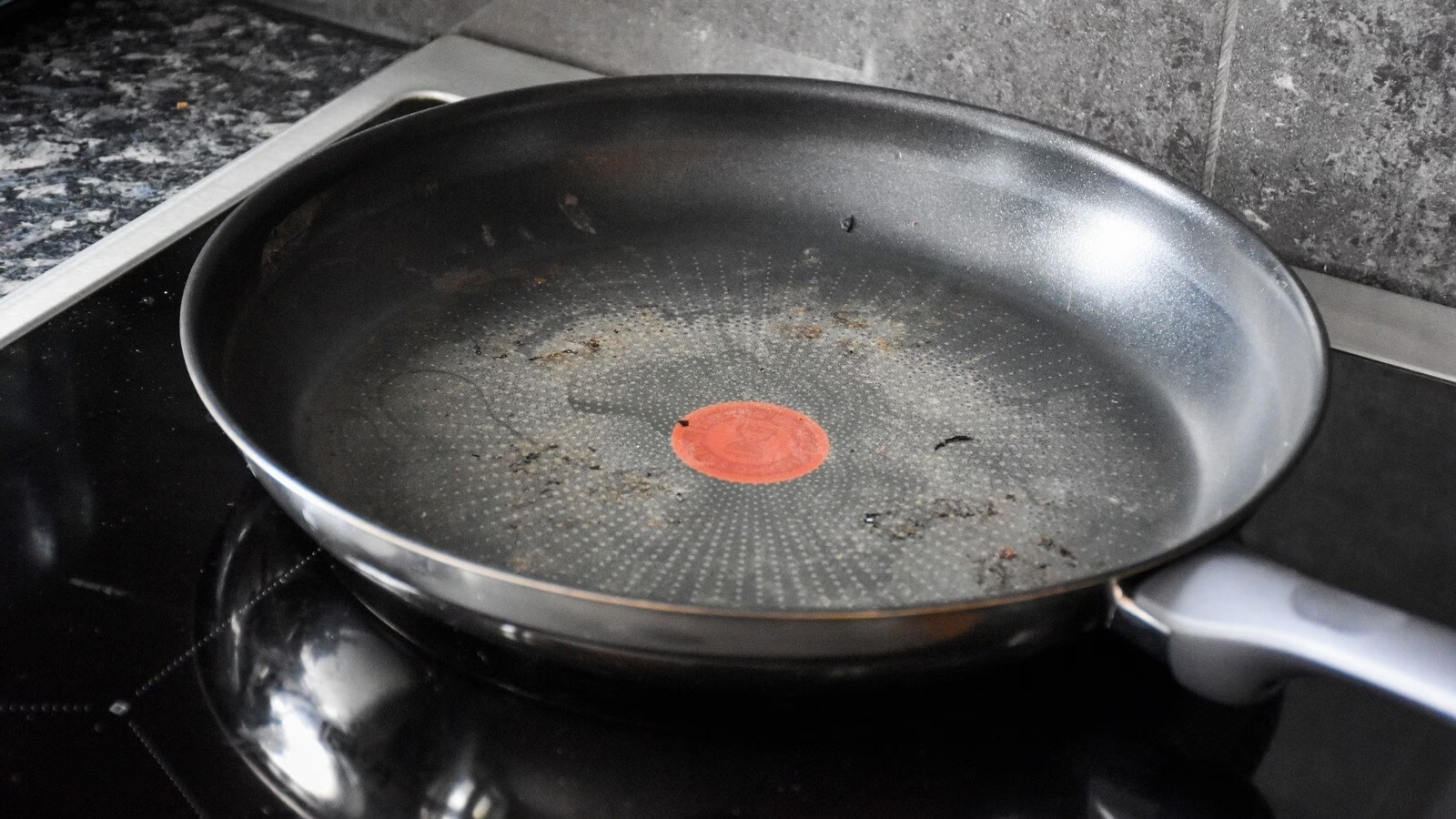
AIIMS gastroenterologist Dr. Saurabh Sethi advises discarding scented candles containing phthalates and VOCs, plastic cutting boards that shed microplastics, and scratched non-stick pans with PFOA or other additives to reduce health risks and promote better wellness.
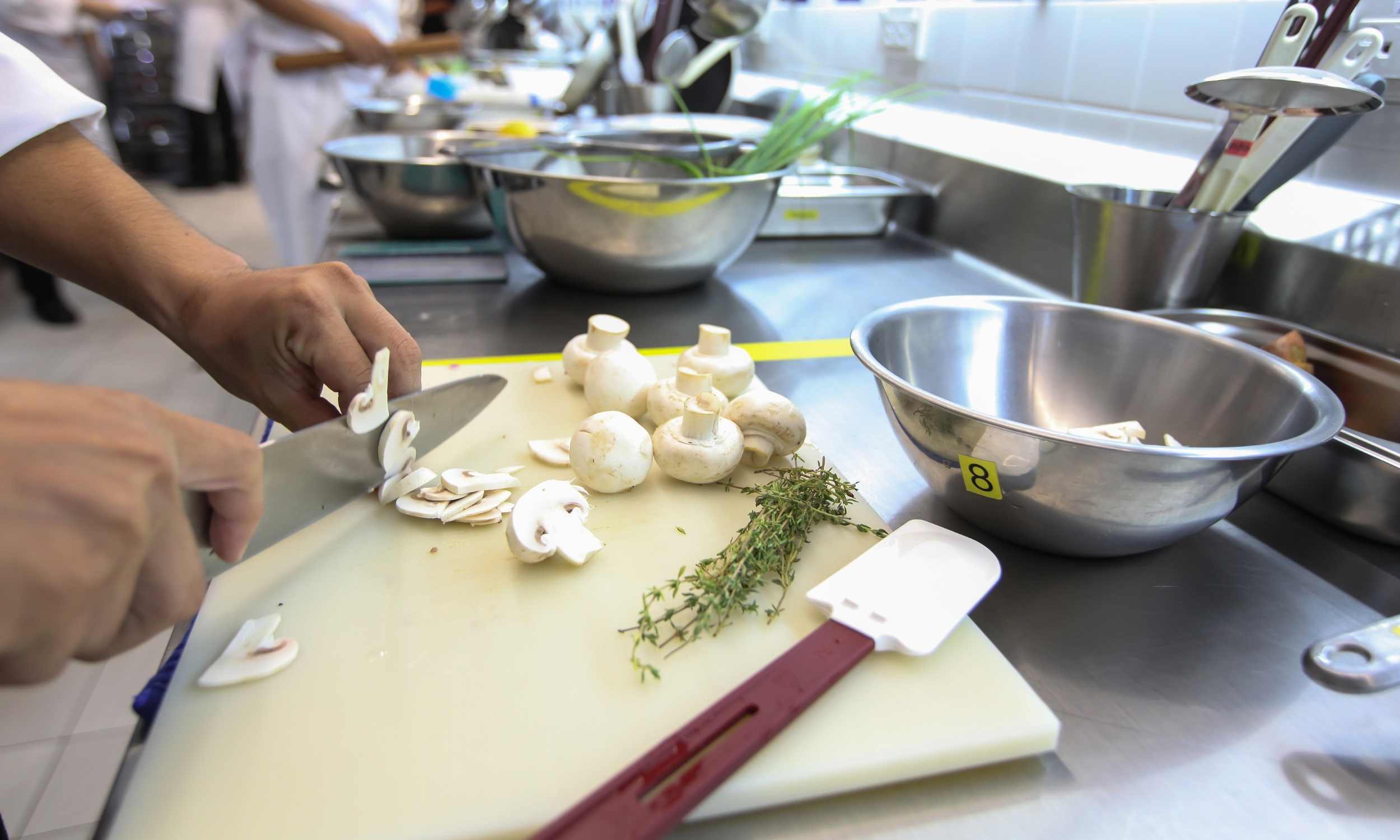
A mouse study reveals that microplastics released from plastic cutting boards can cause inflammation and gut microbiota changes, raising concerns about human exposure to microplastics through food preparation, and emphasizing the importance of replacing old boards and maintaining good hygiene practices.
Research shows plastic cutting boards release microplastics into food when scratched, but current evidence suggests the health risk is minimal. Experts recommend considering alternative materials like wood, composite, or silicone for safer and more durable options, especially for raw meat. Proper maintenance and replacement of worn boards are essential for food safety.
A recent study suggests that plastic cutting boards may be releasing harmful microplastics into food, posing potential health risks such as reproductive issues, digestive problems, and cancer. Experts recommend using wood or metal cutting boards instead, as they are more durable, easier to clean, and more sustainable. Additionally, it's advised to use separate cutting boards for raw meat and other foods to prevent contamination, with bamboo cutting boards being a recommended alternative.