Tag

Plastic Containers

All articles tagged with #plastic containers

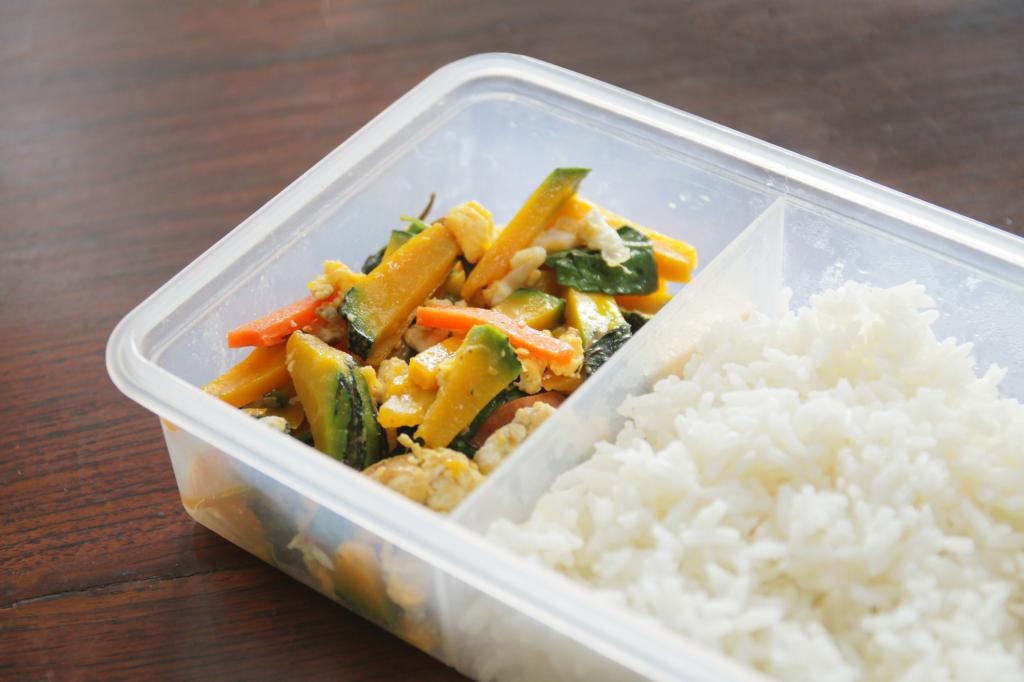
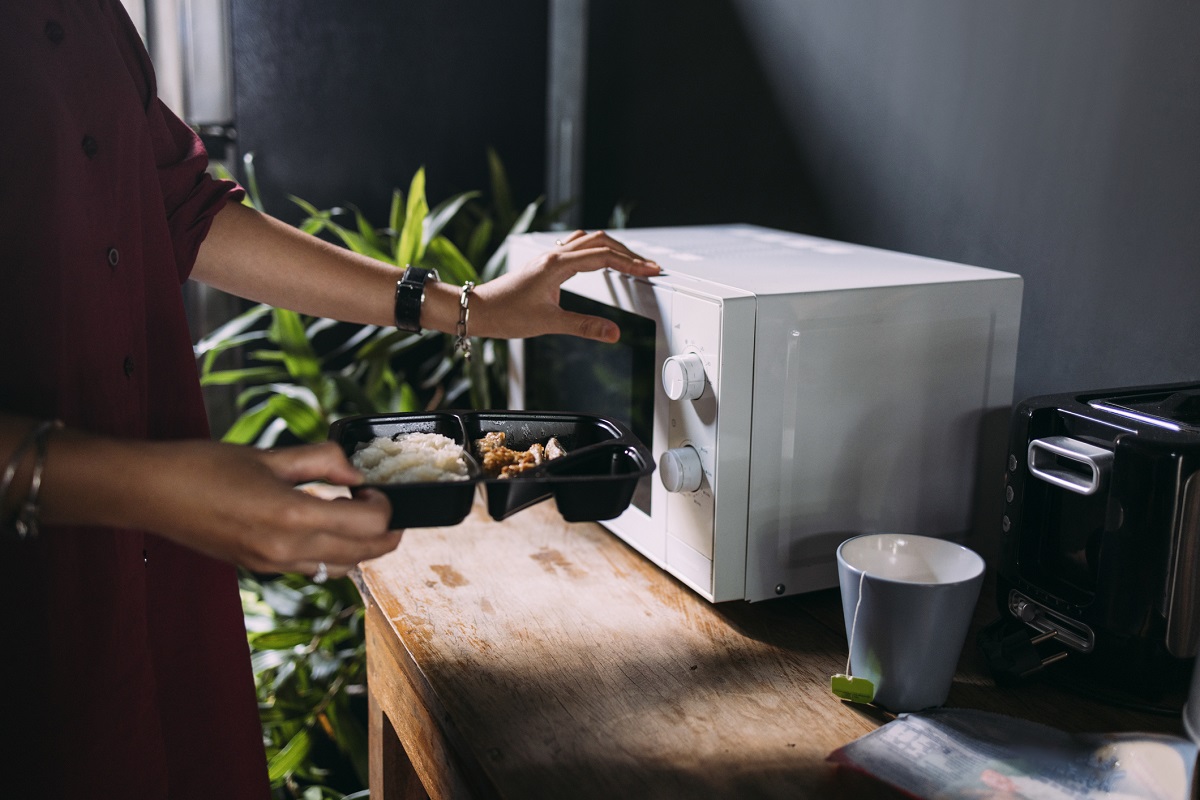
Experts Explain When It's Safe to Microwave Plastic

Originally Published 2 months ago — by CNET

Featured image for Experts Explain When It's Safe to Microwave Plastic
Source: CNET

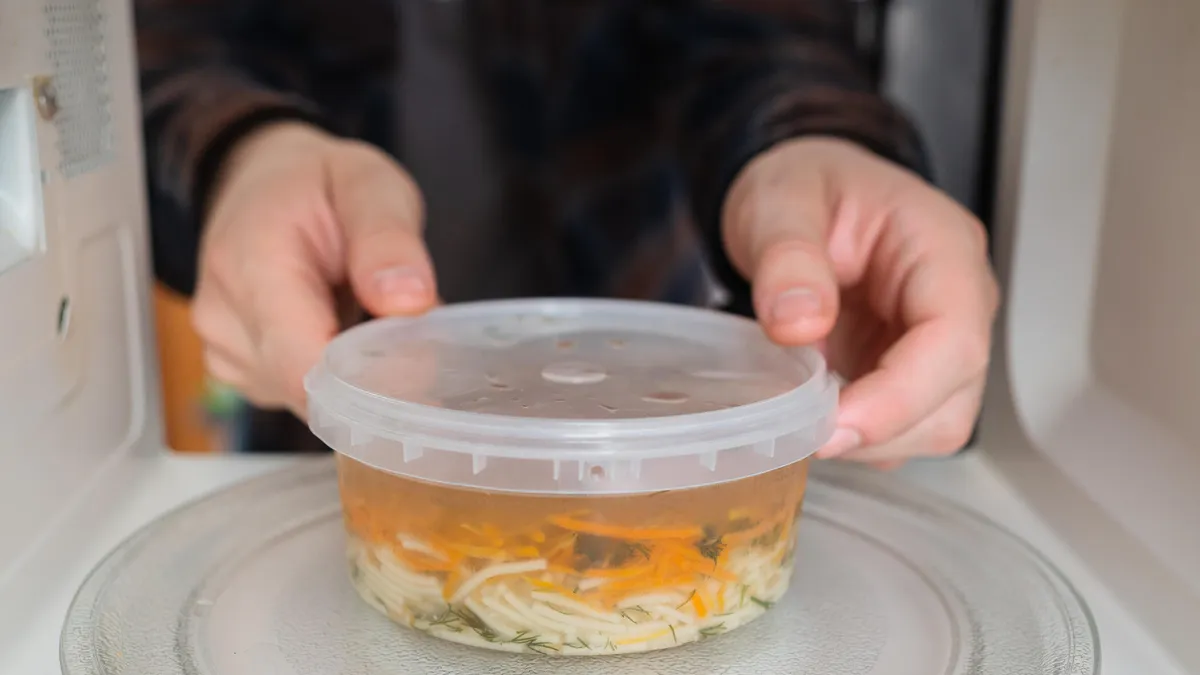
Using the microwave safely involves understanding which materials are appropriate; glass and ceramic are generally safe, while plastics should be carefully chosen and damaged containers discarded. Metals are never safe in microwaves, and decorative or damaged containers can pose risks. Always look for microwave-safe labels and avoid sudden temperature changes to prevent accidents and chemical leaching.
"Plastic Chemicals Linked to Rise in Preterm Births, Doctors Warn"

Originally Published 1 year ago — by New York Post

Featured image for "Plastic Chemicals Linked to Rise in Preterm Births, Doctors Warn"
Source: New York Post

A new study suggests that synthetic chemicals called phthalates, found in everyday products from food containers to shampoo, may be linked to the rise in preterm births in the US, with one of the most well-established phthalates, DEHP, being a major contributor. The study estimates that phthalates were responsible for 57,000 premature US births in 2018. While the American Chemistry Council disputes the connection, experts warn of the potential health risks associated with phthalates, including cancer, infertility, birth defects, obesity, asthma, heart disease, and diabetes. Calls for regulatory action to limit phthalates in food packaging and consumer products are being made to address the public health concerns.

"Alarming Study Discourages Microwaving Plastic: Here's Why"

Originally Published 2 years ago — by Futurism

Featured image for "Alarming Study Discourages Microwaving Plastic: Here's Why"
Source: Futurism

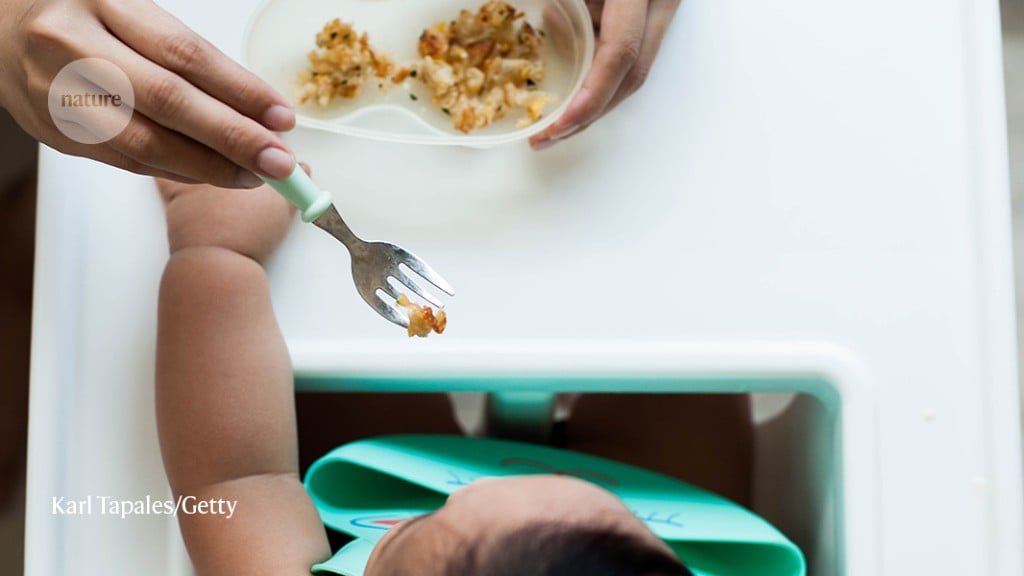
A new study from the University of Nebraska - Lincoln has found that microwaving plastic food containers releases toxic microplastics, including nanoplastics and leachates. The research, inspired by a new father's concern for his baby's food containers, revealed that 75% of cultured kidney cells died after being exposed to the particulates from microwaved baby food containers. While our kidneys can filter out larger microplastics, nanoplastics can slip through cell membranes and potentially cause toxicity. The study suggests using different polymers for plastics, but proactive research and development in this area seem unlikely. The researcher hopes for a future where products are labeled as "microplastics-free" or "nanoplastics-free."

Microwaving Plastic Bowls: Unveiling the Microparticle Release

Originally Published 2 years ago — by Nature.com

Featured image for Microwaving Plastic Bowls: Unveiling the Microparticle Release
Source: Nature.com

Research shows that certain types of plastic containers release high levels of microscopic plastic particles, known as microplastics, when heated in a microwave oven. These plastic nanoparticles are being found in various substances, including table salt, tap water, and fish, highlighting the widespread presence of microplastics in our environment.

Cameron Diaz's Fridge: Plastic Containers or Immaculate Kitchen?

Originally Published 2 years ago — by Yahoo Life

Featured image for Cameron Diaz's Fridge: Plastic Containers or Immaculate Kitchen?
Source: Yahoo Life

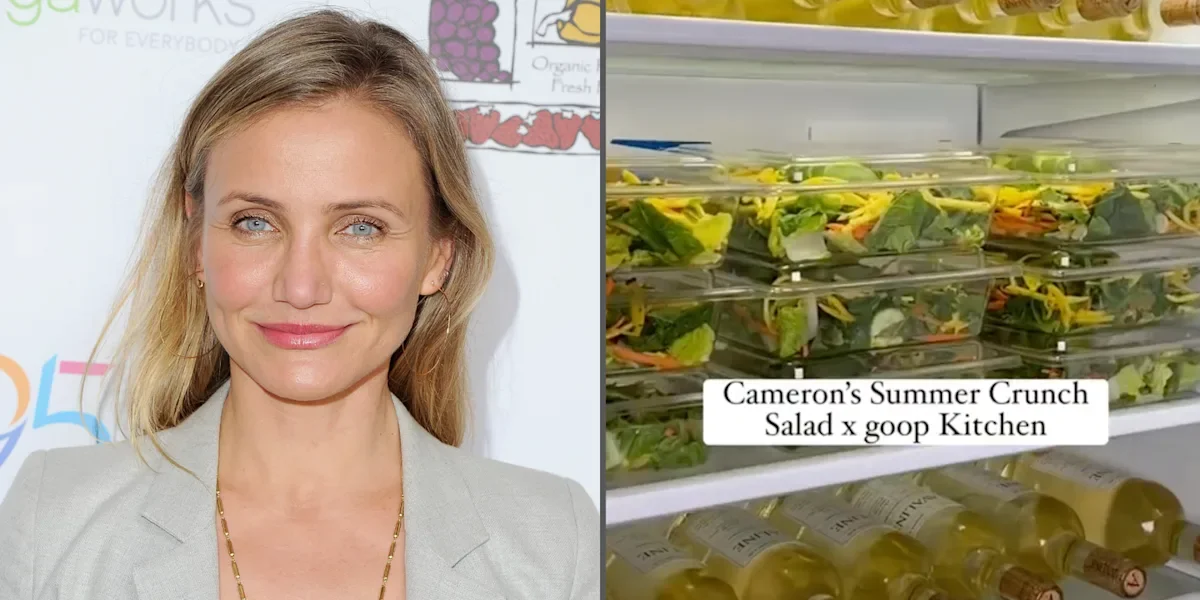
Cameron Diaz faced backlash on Instagram after revealing her fridge filled with plastic containers while promoting her collab with Gwyneth Paltrow's goop Kitchen. Fans criticized the actress for her not-so-environmentally-friendly fridge set up, despite promoting a better-for-you Sauvignon Blanc and Summer Crunch Salad. Diaz's salad is available for delivery in LA, but fans are urging her to use less plastic.

The uncertain fate of Tupperware.

Originally Published 2 years ago — by CNN

Featured image for The uncertain fate of Tupperware.
Source: CNN

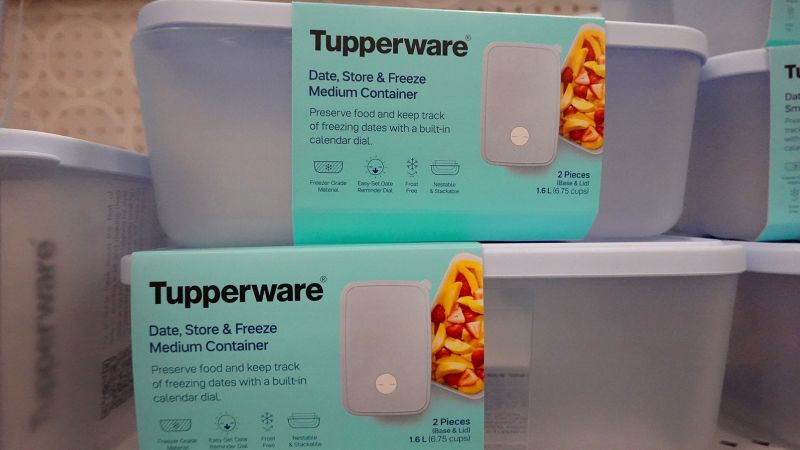
The safety of vintage Tupperware and other plastic food storage containers depends on what they are made of, with Bisphenol A (BPA) being a potential health hazard. BPA exposure has been linked to a range of health conditions, and even low levels of BPA leaching from plastics have been shown to be harmful. Scratches and acidic foods can increase the risk of leaching. Discoloration of plastic containers can signal a chemical change has occurred, and damaged containers should be discarded. Glass, porcelain, ceramic, and stainless-steel containers are safer alternatives.