Tag

Planetary Migration

All articles tagged with #planetary migration

Astronomers Discover Unexpected Compact Cluster at Solar System's Edge

Originally Published 14 days ago — by Earth.com

Featured image for Astronomers Discover Unexpected Compact Cluster at Solar System's Edge
Source: Earth.com

Astronomers have discovered a new compact cluster of icy objects in the Kuiper belt beyond Neptune, called the inner kernel, which may provide insights into the early dynamics of the outer solar system and Neptune's migration. Using advanced data analysis and orbit recalculations, the study suggests this cluster could be a remnant of planetary movement or a separate formation, challenging existing models of solar system evolution.

Scientists Seek Lost 'Hot Neptune' Exoplanets to Unravel Their Mysteries

Originally Published 3 months ago — by Space

Featured image for Scientists Seek Lost 'Hot Neptune' Exoplanets to Unravel Their Mysteries
Source: Space

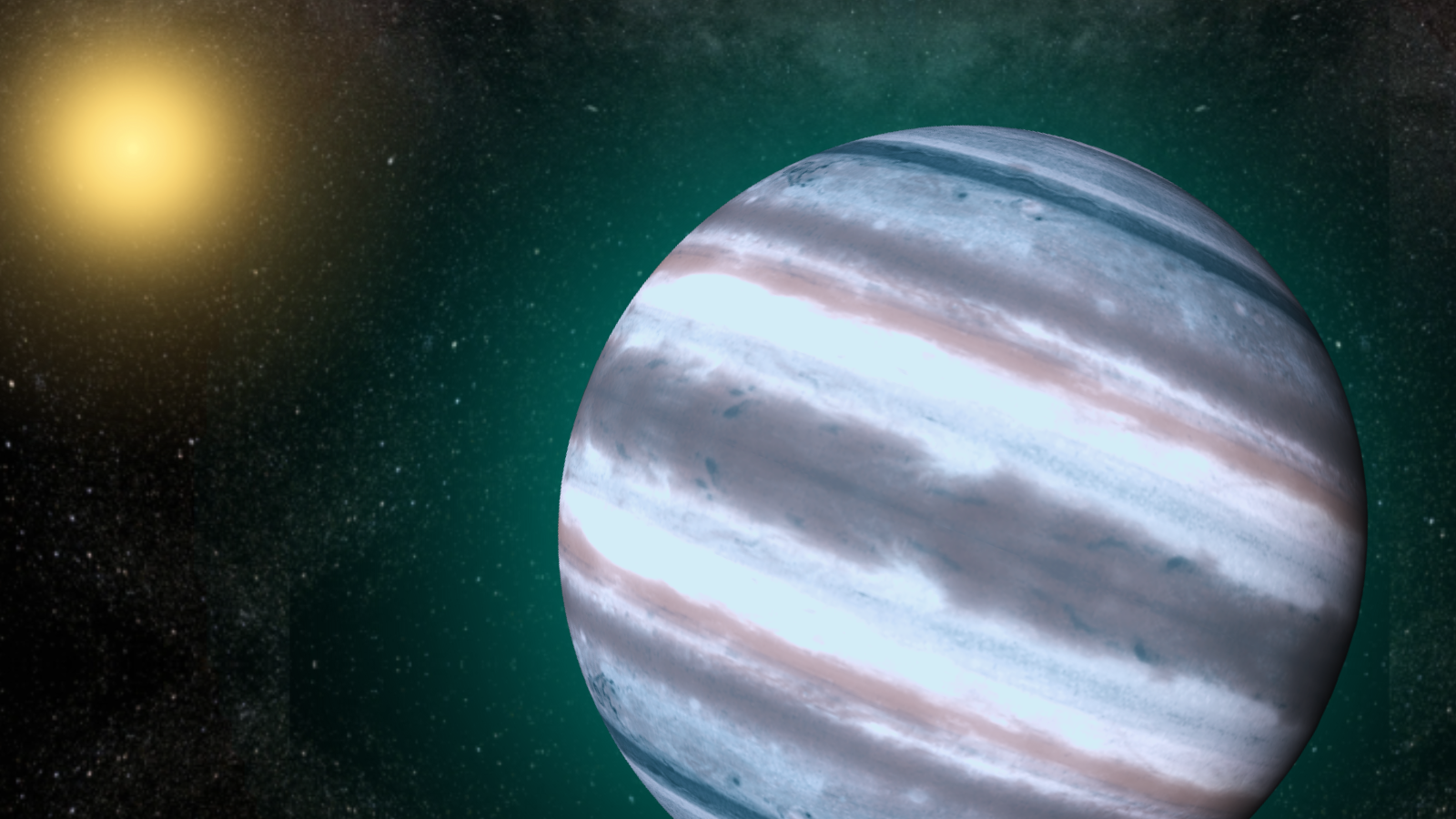
Astronomers using the ATREIDES program studied the TOI-421 system, revealing a chaotic history with misaligned planetary orbits, which may explain the scarcity of hot Neptunes close to stars. The research suggests that planetary migration processes, including violent ejections, shape the distribution of Neptune-sized exoplanets and the structure of the Neptunian desert, savanna, and ridge regions.

Did a Rogue Planet Shape Our Solar System's Orbits?

Originally Published 1 year ago — by ScienceAlert

Featured image for Did a Rogue Planet Shape Our Solar System's Orbits?
Source: ScienceAlert

A new theory suggests that a massive interstellar object, potentially 2-50 times the mass of Jupiter, may have passed through our Solar System, influencing the current arrangement of planetary orbits. This hypothesis, proposed by scientists led by Garett Brown from the University of Toronto, offers a plausible explanation for the eccentricities observed in the orbits of gas giants, challenging existing theories of planetary migration and interactions. The study indicates a 1 in 100 chance that such an interstellar visitor could have shaped the orbits we see today.

"Unraveling the Mystery of Exoplanet Size Distribution Through Migration"

Originally Published 1 year ago — by Space.com

Featured image for "Unraveling the Mystery of Exoplanet Size Distribution Through Migration"
Source: Space.com

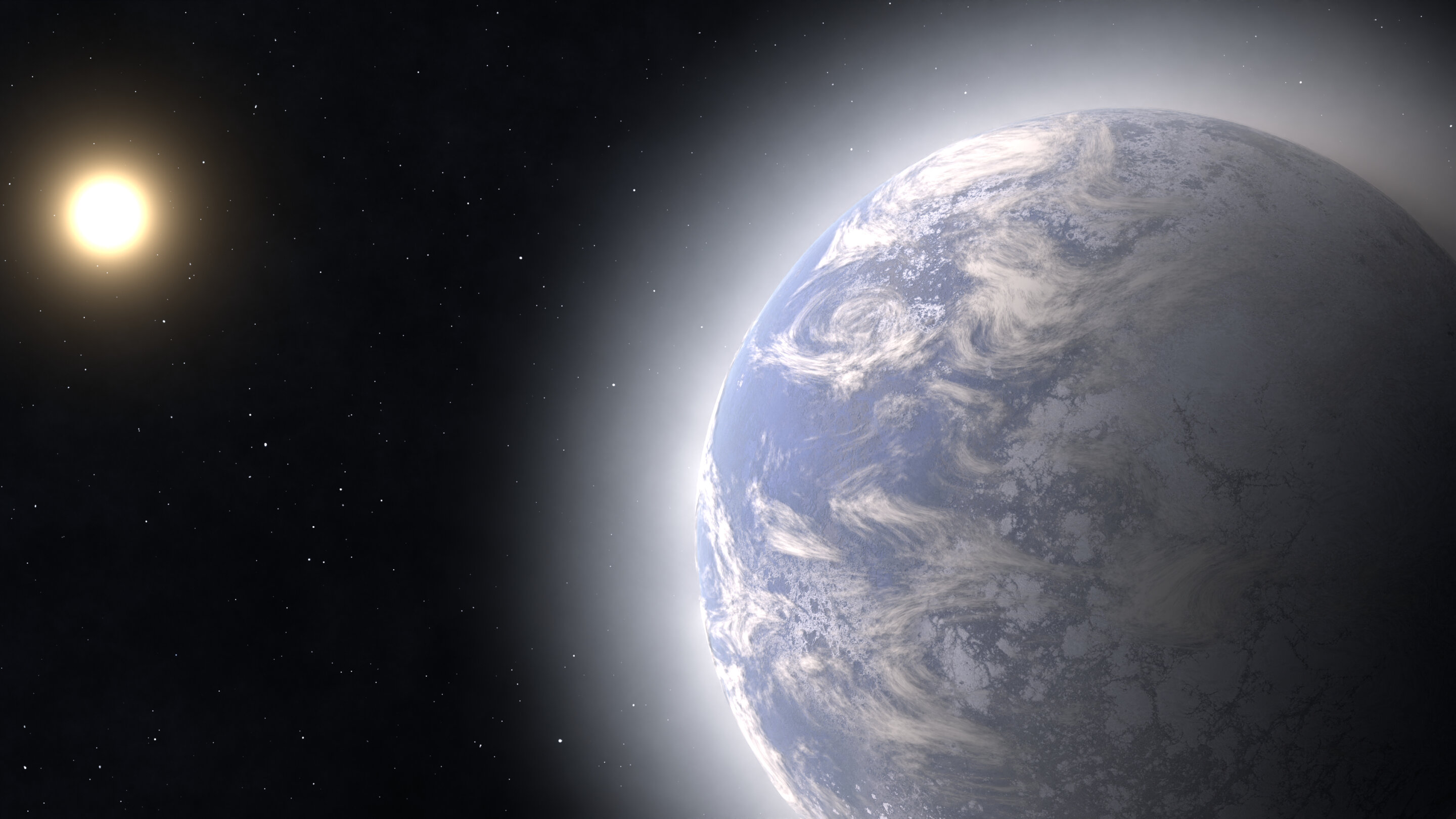
Scientists have discovered that the absence of super-Earths and mini-Neptunes in space may be due to planetary migration, with some planets moving toward the hearts of their planetary systems early in their lives. This migration could explain the scarcity of planets between 1.6 and 2.2 times the size of Earth, known as the "radius valley." Research suggests that mini-Neptunes migrating inward develop thick water atmospheres, increasing their radii, while super-Earths lose their atmospheres due to intense radiation, causing them to shrink. These findings could have implications for exoplanet science and the potential existence of water worlds with deep oceans.

"Unveiling the Mystery of Missing Exoplanets: Simulated Origins and Migrations"

Originally Published 1 year ago — by Phys.org

Featured image for "Unveiling the Mystery of Missing Exoplanets: Simulated Origins and Migrations"
Source: Phys.org

Simulations suggest that the mysterious gap in the size distribution of super-Earths, known as the radius valley, may be explained by the migration of icy planets into the interior of planetary systems, forming thick water vapor atmospheres and making them appear larger, while smaller rocky planets lose their atmospheres, causing their measured radius to shrink. These findings, based on physical computer models, shed light on the formation and composition of planetary systems and could have implications for the search for potentially habitable exoplanets. Further observations with telescopes like the James Webb Space Telescope and the Extremely Large Telescope could provide a test for these simulations.