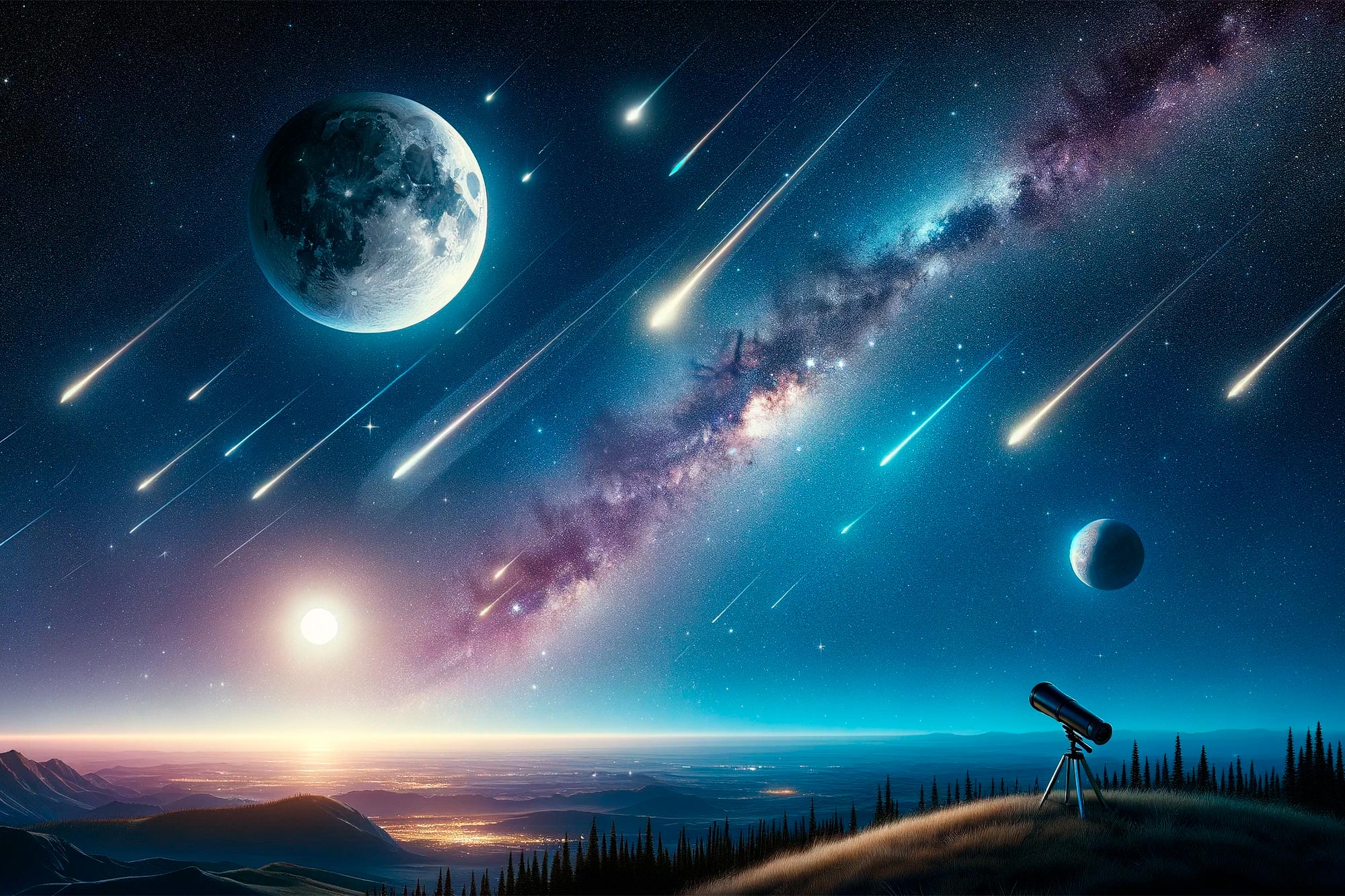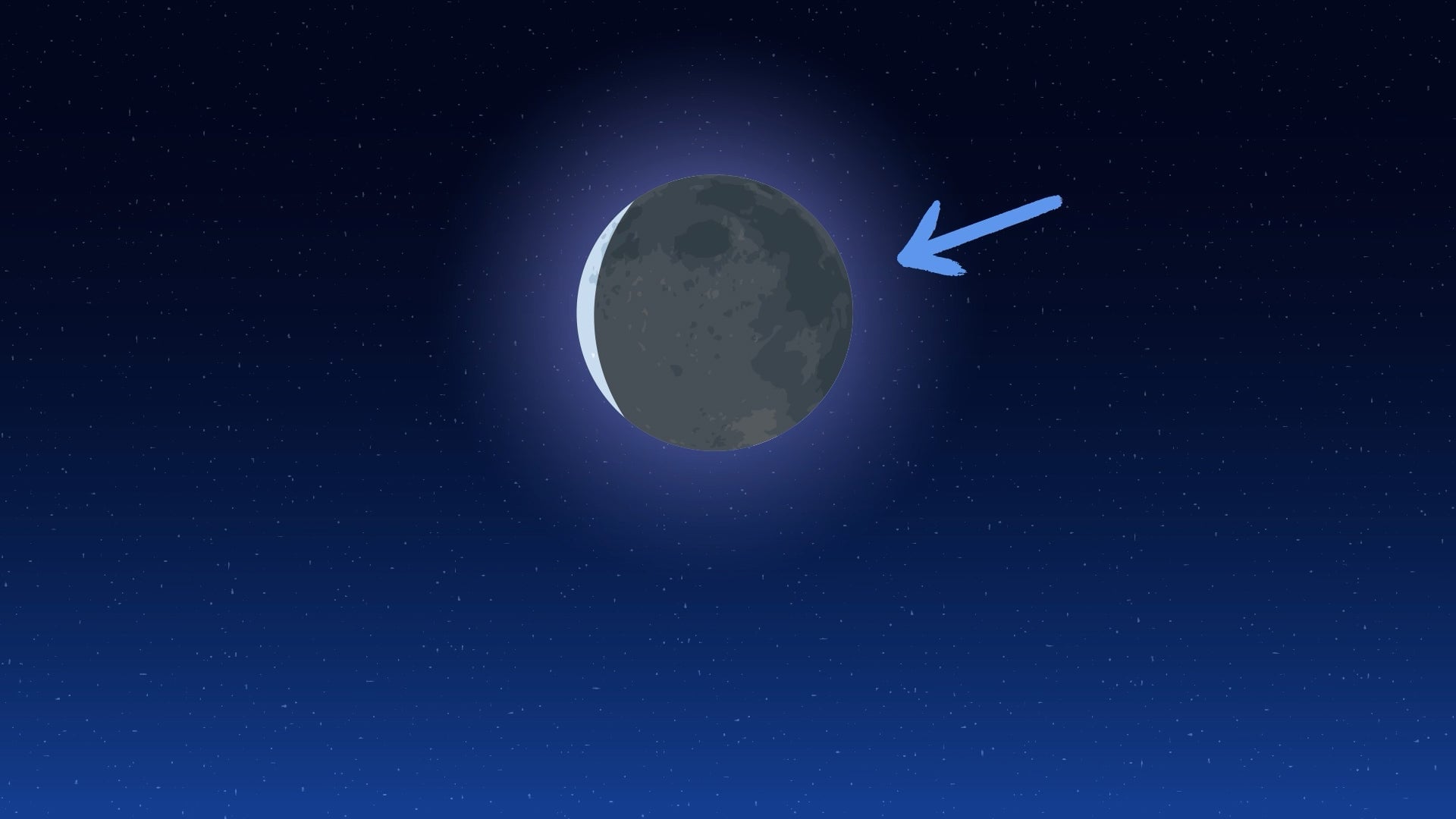
The week of June 27-July 3, 2025, offers a spectacular celestial display with the moon's disappearance and return, earthshine, and planetary alignments, providing a perfect opportunity for stargazing and connecting with ancient lunar cycles.
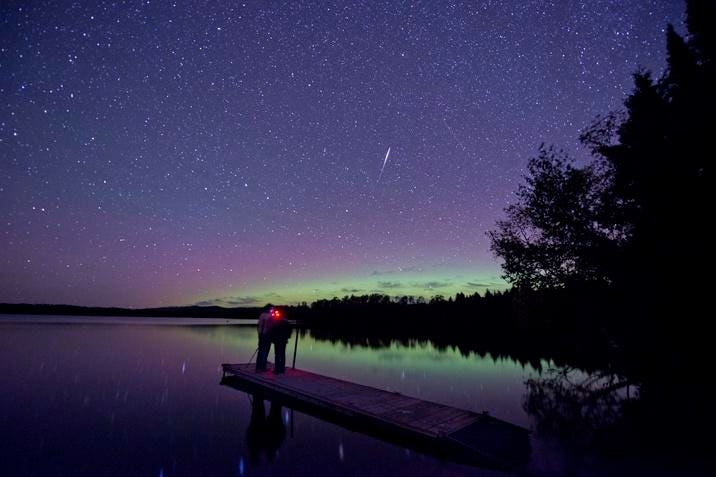
The summer night sky of 2024 in the northern hemisphere promises spectacular celestial events, including the Milky Way, Perseid meteor shower, planetary conjunctions, and a super harvest moon eclipse. With the sun nearing its solar maximum, there are also increased chances of witnessing the aurora borealis. Key dates include the conjunction of Saturn and the Moon on June 27, the occultation of Spica on July 13-14, and the Perseid meteor shower peak on August 12-13.
Skywatching in January 2024 offers the Quadrantid meteor shower, planetary conjunctions with the Moon, and shifting star positions due to Earth's orbit, with stars rising four minutes earlier each day. The meteor shower peaks overnight on January 3, producing bright fireball meteors, while the Moon and planets create stunning pairings throughout the month. Additionally, the article explains how the stars' positions change at a pace of four minutes per day due to Earth's orbit around the Sun, leading to a dynamic and ever-changing view of the night sky.